
Many new brands hear the term “private label hoodies” but aren’t sure what it actually means in production.
What private label hoodies mean
In apparel manufacturing, private label hoodies sit between white label products and fully custom garments.
Unlike white label hoodies, which are generic products sold to many brands, private label hoodies allow brands to customize fabrics, colors, trims, and branding while using an existing base pattern from the manufacturer.
Private label hoodies meaning — quick example for startups
You choose a proven hoodie silhouette from a manufacturer, pick French terry in two colors, specify a woven neck label and matte black eyelets, and approve a pre‑production (PP) sample. The factory then produces 300 units with your inside neck label, compliant care label, hang tag, and branded polybag. It’s exclusive to your brand—even if another brand orders a different combination of specs.
How private label hoodies manufacturing work — a manufacturer’s workflow
Private label sits between generic white label and from‑scratch custom. In practice, the workflow is straightforward once you plan the checkpoints.
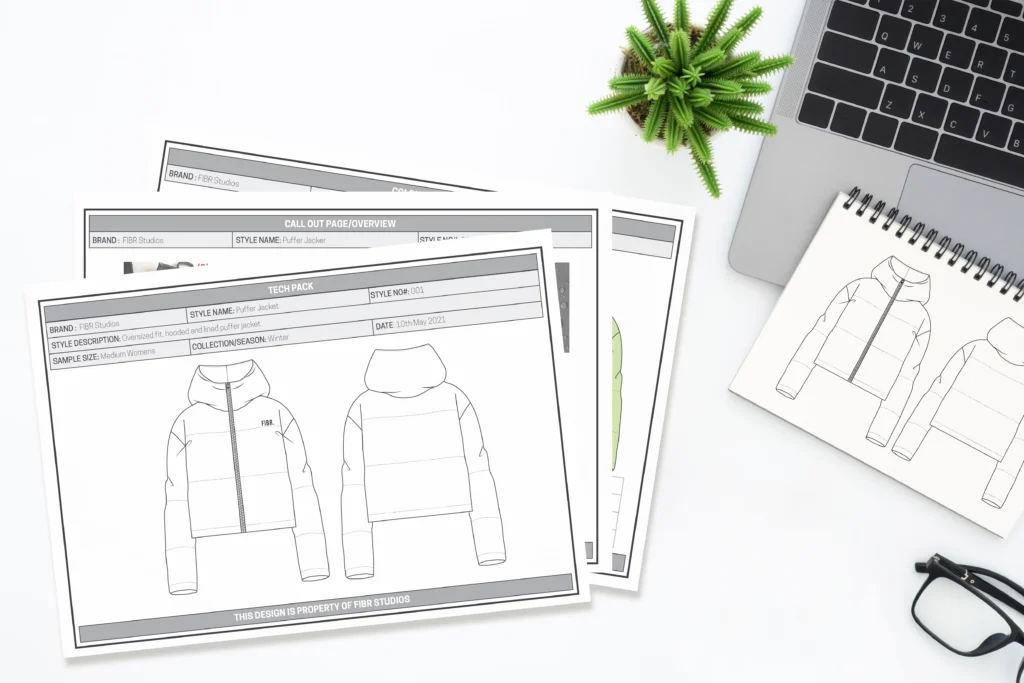
Tech pack essentials
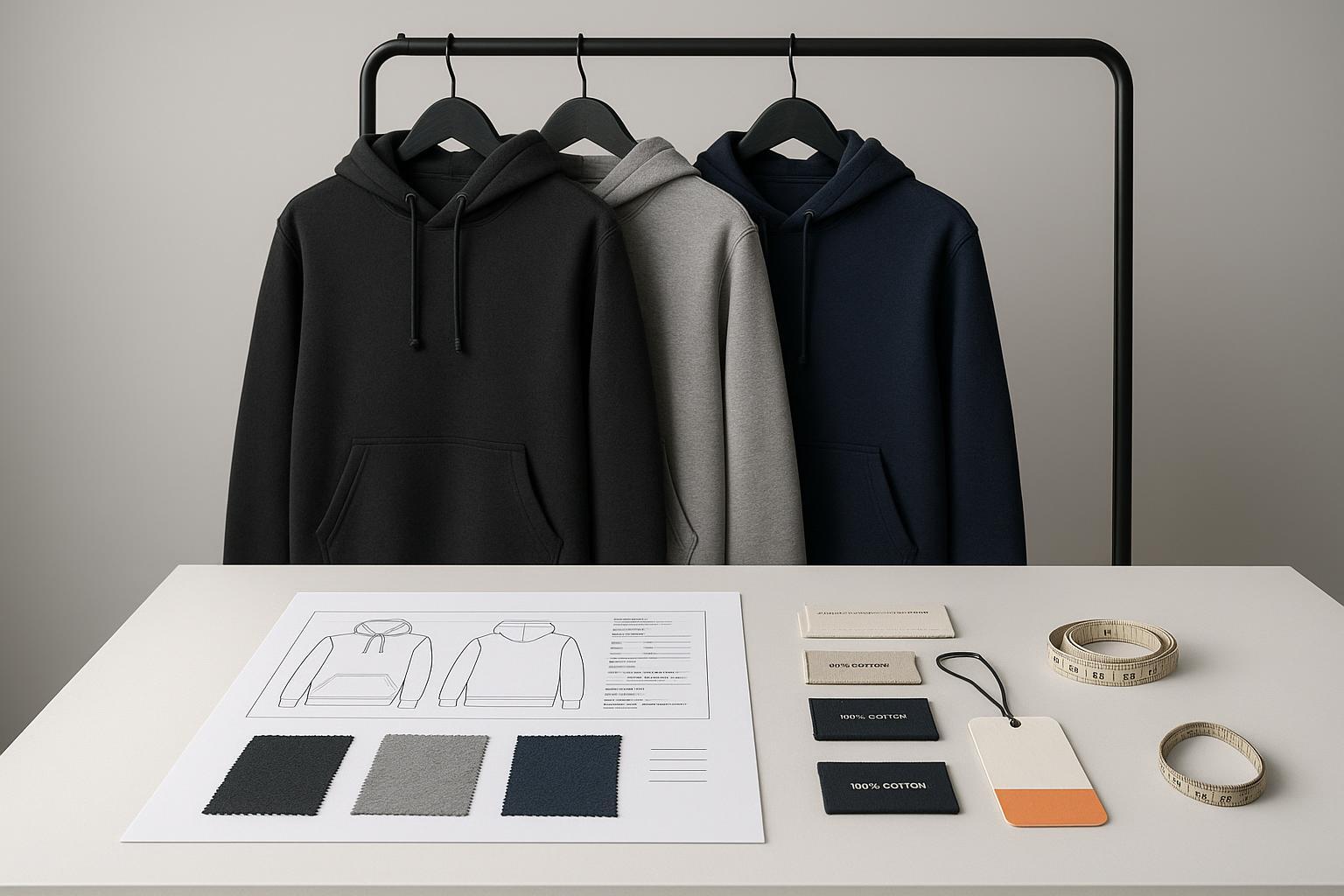
Think of a tech pack like a recipe: if an ingredient or step is missing, the final result can taste different. For hoodies, include flats, construction notes, size specs, tolerances, a bill of materials (fabric, rib, zipper, drawcords), artwork placements, and packaging notes. A clear tech pack or a well‑annotated reference sample reduces sampling rounds and keeps costs predictable. For a primer on what belongs in a factory‑ready tech pack, see Techpacker’s tech pack guide and their how‑to checklist.
Sampling and PP sample process
Expect at least one proto/fit sample, then a corrected sample. When everything matches the spec—fabric, fit, decorations, labels—the factory makes a PP sample. That PP sample is your last chance to confirm details before bulk cutting and sewing. Approving PP prevents surprises later.
Typical time here varies with your responsiveness and change requests. Most startups underestimate how long artwork tweaks, Pantone confirmations, and trim sourcing can take. Build in a week or two for back‑and‑forth on details so your production slot doesn’t slip.
Bulk production, QC, and shipping (with realistic ranges)
Once PP is approved, bulk production begins. A good factory runs inline checks and a final AQL inspection before packing, following standards such as ANSI/ASQ Z1.4 acceptance sampling. Packing often means fold, size sticker, polybag or box, hang tag application, then carton with barcodes.
- Typical starter MOQ windows for private label hoodies: 100–200 units to validate the style and demand.
- Common scaling runs for stable SKUs: 500–1,000 units.
- Baseline lead time after PP approval: roughly 6–10 weeks, assuming materials are available and decoration methods are decided early.
Those ranges reflect how real factories schedule capacity. Fabric dyeing, custom trims, and added sampling rounds extend timelines; stock fabrics and standard trims shrink them. If you’re planning a fall release, remember that peak fleece season can lengthen queue times.
Hoodie‑specific choices that matter
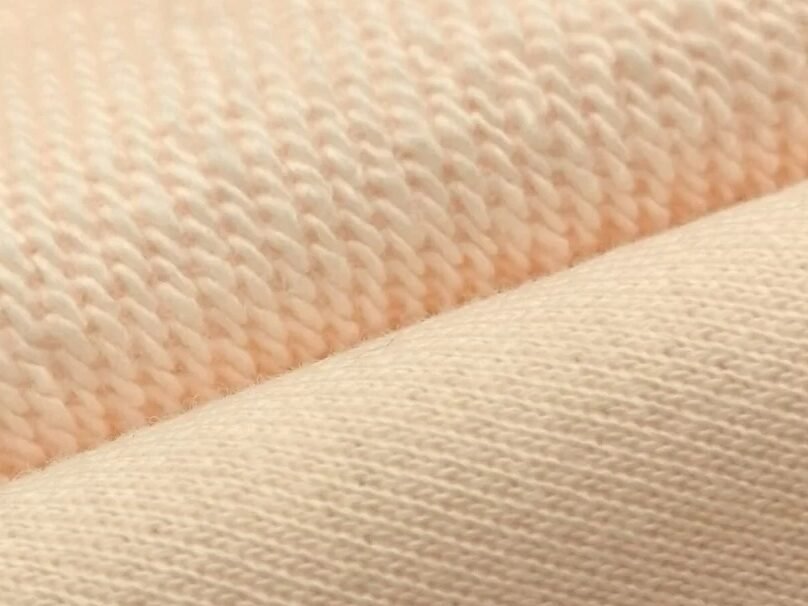
Fabric, GSM, and performance
Your fabric selection changes everything from hand‑feel to lead time. Midweight cotton/poly fleece in the ~250–320 gsm range is a versatile all‑season choice; heavier 320–420 gsm reads premium winter weight with a structured drape. French terry (loopback, unbrushed) breathes better for spring and summer. Sherpa or brushed linings add warmth but increase bulk and packing volume. GSM is a guide, not gospel—always request swatches and, where possible, wash‑test a sample to assess shrinkage and pilling. For broader fabric context, see Polartec’s fleece overview.
Trims and construction details
Small choices add up visually and operationally:
- Rib: cotton/spandex blends hold cuffs and hems; confirm recovery after washing.
- Drawcords: flat vs round, aglet style, and tip color.
- Zippers: coil for soft hand, metal for durability/aesthetic; choose zipper tape color to match or contrast body.
- Pockets: kangaroo vs side‑seam; topstitching can reinforce stress points and improve longevity.
- Eyelets, bartacks, and seam reinforcements: tiny details that prevent early failure.
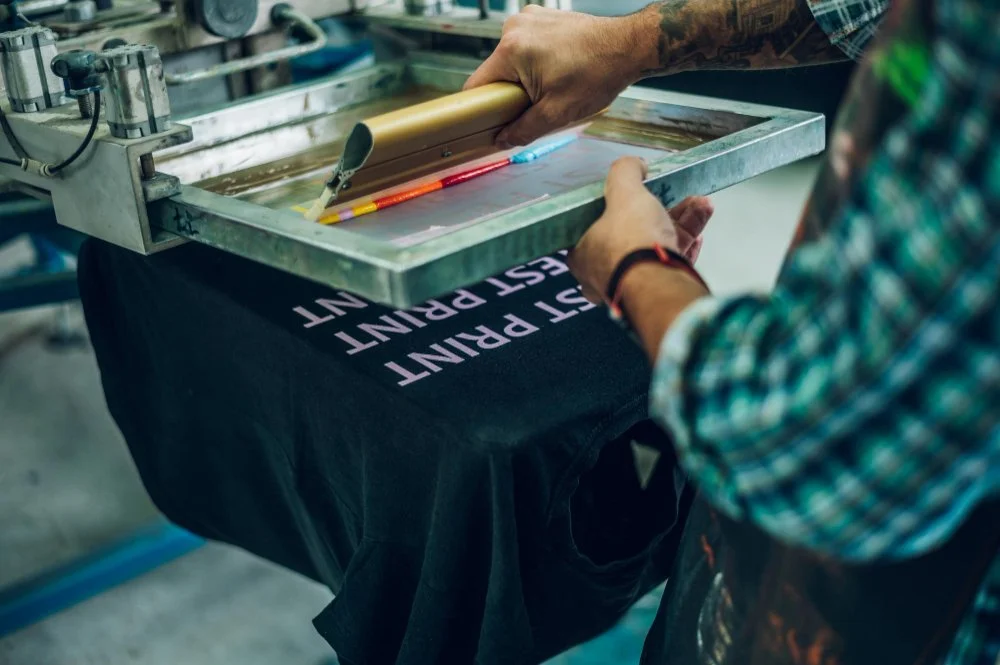
Decoration methods and time/cost impact
- Screen printing: setup cost but fast at volume and crisp for solid colors.
- DTG: flexible for small runs and complex art; slower for large bulk. See Printful’s DTG explainer for method basics.
- Embroidery: durable and premium; may increase lead time on dense fills.
Your method influences MOQ, cost, and scheduling. For example, a single multi‑color screen print may require extra days for screens and strike‑offs; complex embroidery adds machine time and thread changes. Lock artwork early to avoid rework.
How Much Does Private Label Hoodie Manufacturing Cost
The cost of producing private label hoodies varies depending on fabric choice, order quantity, decoration methods, and manufacturing location. While exact pricing differs by supplier, most startup brands can expect a predictable cost structure once the design specifications are finalized.
Several key factors influence the final unit price.
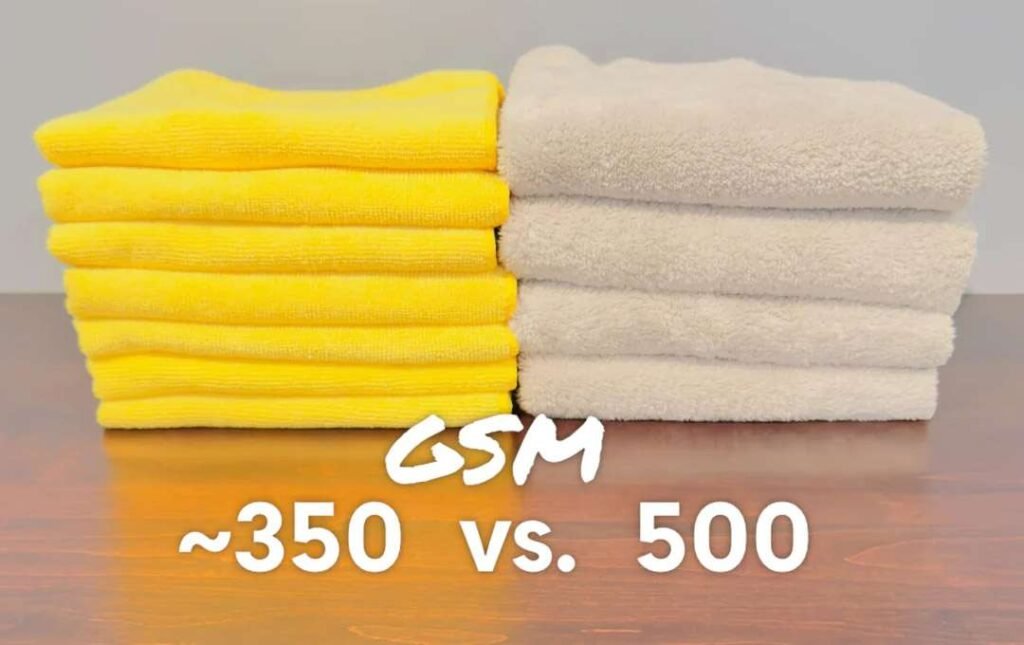
Fabric and material costs
Fabric is typically the largest cost component in hoodie production. Cotton-poly fleece, French terry, or heavyweight brushed fleece all have different price ranges.
For example:
- Midweight fleece (250–320 gsm) is often used for everyday hoodies.
- Heavyweight fleece (320–420 gsm) usually costs more but creates a premium feel.
- Organic cotton or recycled materials may increase costs due to certification and sourcing requirements.
Higher GSM fabrics also increase shipping costs because of the added weight.
Decoration methods
Decoration techniques can significantly impact manufacturing costs.
Common options include:
- Screen printing – cost-efficient for bulk production but requires setup fees.
- Embroidery – more expensive but perceived as premium.
- DTG printing – flexible for small runs but slower and often higher per-unit cost.
The number of print colors, embroidery stitch count, and artwork placement can also affect pricing.
Order quantity (MOQ)
Most private label hoodie manufacturers require a minimum order quantity to maintain production efficiency.
Typical ranges include:
- 100–200 units for a startup test run
- 300–500 units for small brand launches
- 500–1,000 units for established product lines
Larger orders generally reduce the unit cost because factories can optimize fabric cutting and production scheduling.
Trims, labels, and packaging
Private label hoodies include brand-specific components such as:
- woven neck labels
- care labels
- hang tags
- branded packaging
Although each item may seem inexpensive, they add to the total production cost and should be included in the bill of materials during planning.
Typical cost expectations for startups
While prices vary by factory and region, many startup clothing brands find that private label hoodie production becomes economically viable when order quantities reach 200 units or more.
At that stage, manufacturers can stabilize material sourcing, decoration setup, and production scheduling.
The key for new brands is balancing quality, customization, and order size to keep the product profitable while maintaining brand identity.
Branding and labeling explained
Neck labels, care labels, and U.S. legal requirements
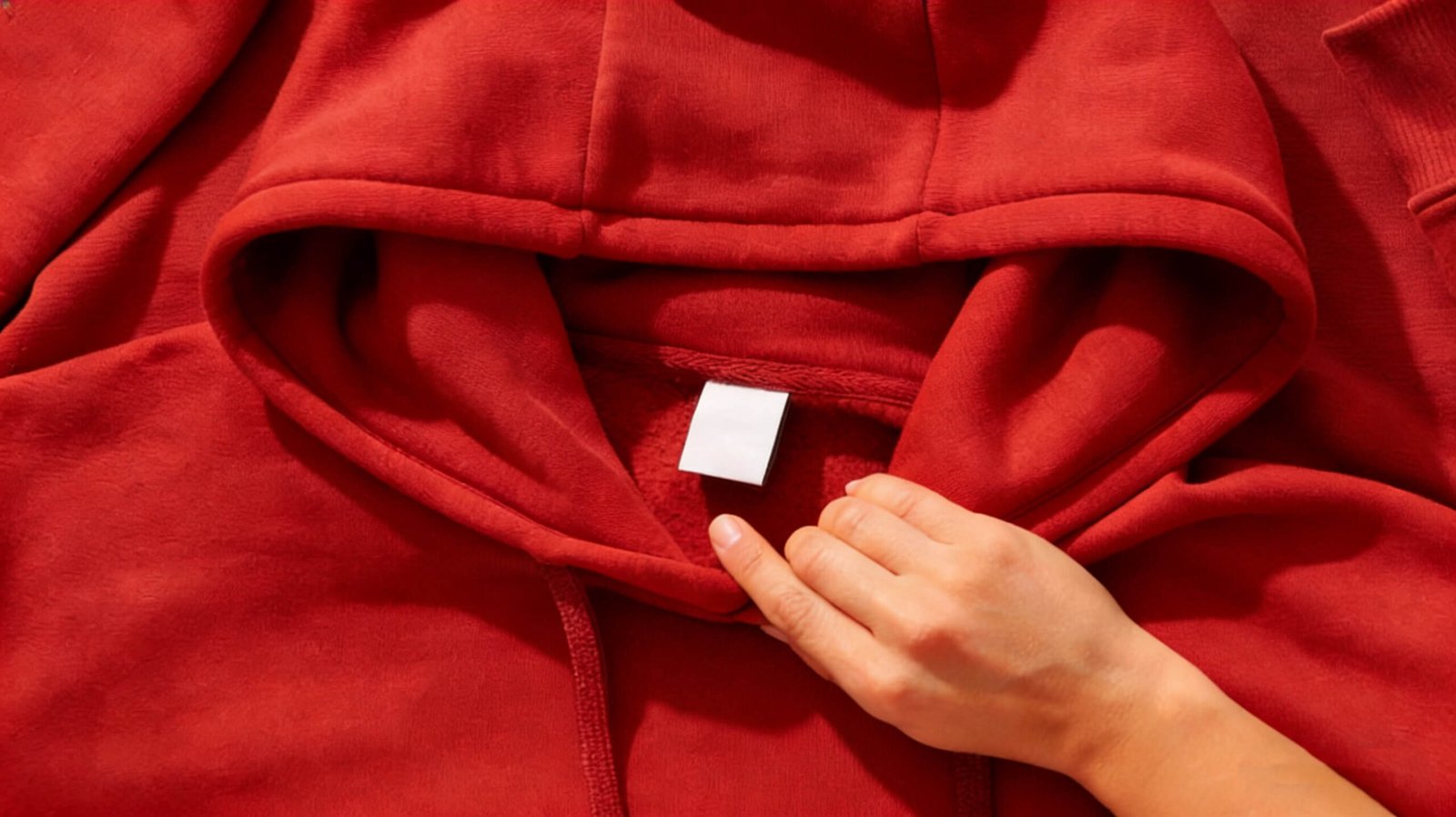
A private label hoodie program usually includes an inside neck brand/size label and a separate care/content label. In the U.S., the FTC expects fiber content using generic names and percentages, country of origin, and regular care instructions on the label. See FTC Care Labeling Rule and FTC clothing and textiles guidance. Plan this alongside your BOM so the factory can order compliant labels with enough lead time.
Hang tags and packaging options
Hang tags carry your brand voice—logo, story, or sustainability note—and can include barcodes. Packaging ranges from a standard polybag with a size sticker to branded boxes for premium lines. Decide early whether you want individual unit branding (e.g., tissue, sticker seal) or a simpler approach for wholesale.
Private label vs white label vs custom vs OEM
The most common confusion we hear from startups is equating private label with white label. They aren’t the same. White label typically means a generic hoodie sold to many brands with minimal changes beyond logos/packaging. Private label means the hoodie spec and branding are yours—semi‑custom and exclusive by agreement with the manufacturer. “Custom” (or OEM) pushes further toward building from your blueprint; see Centric Software’s differentiation of private vs white label and Sourcy’s comparison of OEM vs private label for broad industry framing.
| Model | Ownership of spec | Customization scope | Typical MOQ/lead time | Who it fits |
|---|---|---|---|---|
| Private label hoodies | Your brand controls spec within a base pattern | Fabric, colors, trims, labels, tags, packaging | Starter 100–200; scaling 500–1,000; ~6–10 weeks post‑PP | Startups validating a style; wholesalers; growing DTC |
| White label hoodies | Generic spec shared by many | Logo, packaging, limited color options | Often fastest; low MOQs via stock | Test ideas or ultra‑fast launches |
| Custom hoodies | Your unique spec from scratch | Full pattern, fabric, construction, decorations | Higher MOQs; longest dev time | Brands needing a unique fit/feature set |
| OEM hoodies | Factory builds to your blueprint | Near/full customization | Similar to custom; depends on spec | Experienced teams with detailed tech packs |
If you came here asking about “private label hoodies meaning,” the key takeaway is that private label offers exclusivity and control without the time and cost of fully from‑scratch development.
Common misunderstandings and mistakes to avoid
- “White label and private label are the same.” They differ in exclusivity and customization scope; private label is your spec and brand identity applied to an exclusive run, not a generic template shared with everyone.
- Skipping PP sample approval. PP is the last checkpoint; skipping it invites preventable errors.
- Underestimating lead‑time drivers. Fabric dyeing, holiday peak seasons, and decoration setup can add weeks.
- Poor size/color breakdown planning. Ordering 12 sizes across four colors on a 150‑piece run spreads units too thin for restocks and QC sampling; tighten options early.
- Artwork files not production‑ready. Provide vector files, exact placements, and Pantone references to avoid do‑overs.
- Ignoring label compliance. Make sure fiber content, country of origin, and care instructions are correct before labels are woven or printed.
A short checklist for startups:
- Finalize tech pack or annotated reference with BOM and measurements.
- Approve fabric/trim swatches and decoration strike‑offs.
- Lock your size run and colorways with realistic quantities.
- Approve the PP sample only after verifying every correction.
Who private label hoodies are best for
- Startup brands launching a first hoodie line that need exclusivity and branding without the overhead of from‑scratch development.
- Growing DTC brands expanding SKUs, seeking consistency across reorders, and wanting tighter control of trims and packaging.
- U.S. wholesalers building store‑brand programs where QC, labeling compliance, and repeatability matter.
Ask yourself: do you need a unique pattern and complex construction on day one, or do you need a branded, reliable hoodie you can sell next month? For many first launches, private label is the practical middle path.
Practical example — a typical private label run
A brand provides a basic tech pack and a favorite reference hoodie. A manufacturer such as Easson Apparel reviews the spec, proposes a midweight fleece and matching rib, and supplies swatches plus a sampling calendar. After a proto and a corrected fit, the PP sample arrives with the woven neck label, compliant care label, and a one‑color screen print. The brand signs off. Bulk production runs to an agreed MOQ—say, 200 units for a starter drop—with inline checks and a final inspection. Units are packed with hang tags and size stickers, then shipped under the agreed Incoterms. Reorders scale to 500–1,000 units with the same spec to stabilize pricing and lead time.
Next steps — working with a reliable private label hoodie manufacturer
If you’re weighing private label vs white label vs fully custom, start by drafting your tech pack, gathering artwork, and shortlisting a private label hoodie manufacturer that can share swatches, a sampling plan, and realistic MOQs and timelines. When you’re ready to talk through fabrics, trims, and labeling compliance—or to map a starter run of 100–200 units and a scaling plan to 500–1,000
If you’re planning to launch a hoodie line and want to explore private label manufacturing, working with an experienced clothing manufacturer can simplify the entire process—from fabric sourcing to branding and packaging.
Manufacturers like Easson Apparel support private label hoodie production with flexible MOQs, custom branding options, and scalable production for growing brands.
Further reading and definitions:
- Private label fundamentals: NetSuite’s overview; Shopify’s definition.
- Private vs white label distinctions: Centric Software’s guide.
- OEM vs private label framing: Sourcy’s comparison.
- U.S. labeling rules: FTC Care Labeling Rule and FTC clothing/textiles guidance.
- Tech pack preparation: Techpacker’s tech pack guide and how‑to checklist.