

Starting a private label hoodie brand can be exciting, but many new brands struggle with challenges such as high minimum order quantities, long production lead times, and inconsistent manufacturing quality.
| Challenge | Description |
|---|---|
| Minimum Order Quantities (MOQs) | Many factories require high MOQs, limiting flexibility in testing or adjusting products. |
| Lead Times | Production slots are shared, leading to longer waits, especially during peak seasons. |
| Контроль качества | Inconsistent quality can arise from varying fabric lots or missed checks, affecting customer trust. |
| Financial Risks | Bulk orders require significant upfront investment, risking cash flow if demand is misjudged. |
| Legal Considerations | Potential legal issues can arise from IP infringements or lack of clear contracts with factories. |
You need to understand current fashion trends and build a strong brand identity. Easson Apparel can help you with sourcing and production as you start your journey.
Key Takeaways
- Define a clear brand identity before developing hoodie designs.
- Understand your target market to choose the right hoodie styles and materials.
- Work with a reliable hoodie manufacturer to ensure quality and consistent production.
- Start with small production runs to test market demand.
- Build a scalable supply chain that supports future product launches.
Brand and Market
Brand Identity
You need a strong brand identity to stand out in the crowded apparel market. Start by thinking about what makes your hoodie line unique. Focus on these key elements:
- Custom design and personalization help your brand connect with your audience. Use colors and graphics that match your message.
- Quality materials make your hoodies comfortable and long-lasting. Offer a range of sizes so everyone can enjoy your products.
- Supplier selection matters. Work with a reliable partner who understands your vision and can deliver consistent quality.
A clear brand identity helps customers remember you. It also builds trust and loyalty over time.
Target Customer
Knowing your target customer shapes every decision you make. Demographic data gives you a clear picture of who will buy your hoodies. Use the table below to guide your research:
| Demographic Category | Examples |
|---|---|
| Age | Teenagers, young adults, middle-aged consumers |
| Gender | Unisex, male, female |
| Income Level | Budget-friendly, mid-range, premium |
Go beyond age and income. Think about your audience’s hobbies and lifestyle choices. Ask yourself what topics or interests align with your brand. For example, you might target students who love streetwear or professionals who want comfort and style. When you know your customer, you can design products and marketing that speak directly to them.
Hoodie Trends
Current Styles
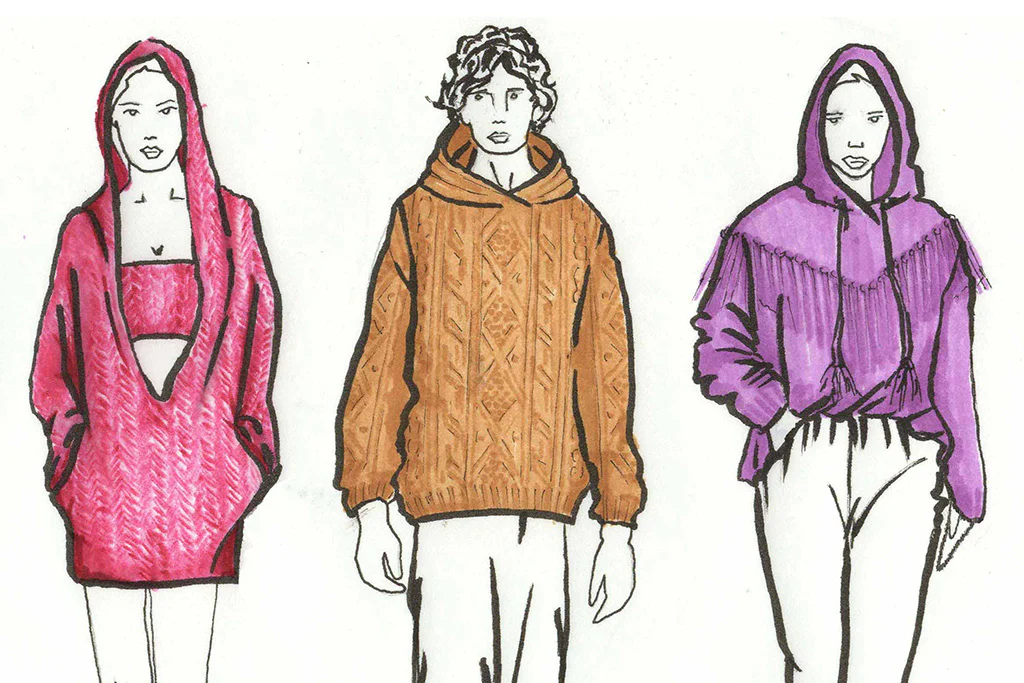
You need to stay updated with the latest hoodie styles to attract your target market. In 2025 and 2026, three styles will stand out. The table below shows these popular options:
| Hoodie Style | Description |
|---|---|
| Vintage sports logos | These designs evoke nostalgia for the ’80s and ’90s, appealing to those who enjoy retro aesthetics. |
| Minimalistic typography | Simple and stylish, this style features sleek fonts and caters to those who prefer understated fashion. |
| Nature-inspired illustrations | Showcases natural elements and appeals to environmentally conscious consumers with earthy tones. |
You can use these styles as inspiration for your own hoodie line. Try mixing retro graphics with modern fits or add simple text for a clean look. Nature themes work well if you want to show your brand’s eco-friendly values.
Trending Colors
Color trends change every year. For 2025 and 2026, you will see acid black, rich brown, hot red, and soft pastels on many hoodies. Acid black gives a bold, urban vibe. Brown and pastels create a calm, earthy feel. Hot red stands out and grabs attention. You should choose colors that match your brand identity and appeal to your audience.
Tip: Test color samples with your target customers before finalizing your collection.
Eco and Tech Features
Many customers now look for eco-friendly and tech-enhanced hoodies. You can use organic cotton, recycled polyester, or bamboo blends to reduce your environmental impact. Some brands add tech features like hidden pockets, headphone guides, or moisture-wicking fabrics. These details make your hoodie line unique and practical.
You should analyze these trends and decide which ones fit your brand. Start by picking one or two features that match your vision. This approach helps you stand out in a crowded market.
How Private Label Hoodie Manufacturing Works
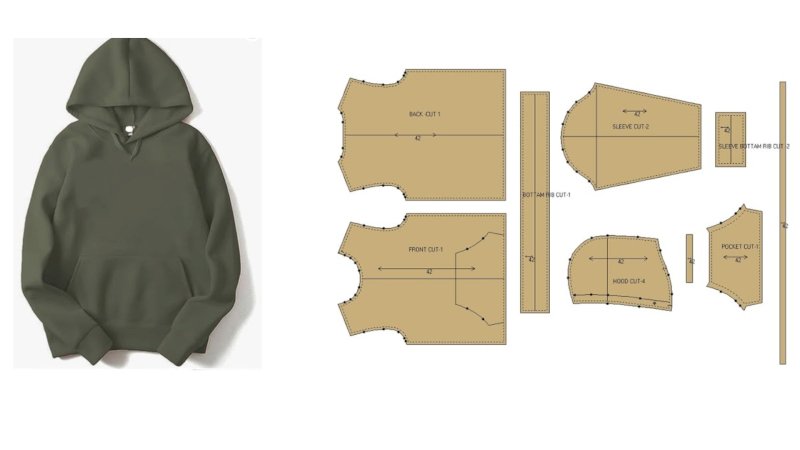
Private label hoodie manufacturing allows clothing brands to sell hoodies under their own brand name while production is handled by a specialized garment manufacturer. Instead of building a factory, brands collaborate with experienced manufacturers who manage fabric sourcing, sampling, and bulk production.
The process usually follows several structured stages.
1. Tech Pack and Design Specifications
The process begins with a tech pack, which acts as the blueprint for the hoodie. A tech pack includes design sketches, measurements, fabric choices, trims, artwork placement, and packaging instructions.
Clear specifications help the manufacturer understand exactly what the brand wants and reduce production errors.
2. Sampling and Prototype Development
Once the tech pack is approved, the manufacturer creates samples. These usually include:
- Proto sample – verifies the basic design and materials
- Fit sample – checks sizing and pattern adjustments
- Pre-production (PP) sample – final version used as the production reference
Sampling typically takes 7–14 days, depending on the complexity of the hoodie and material availability.
3. Bulk Production
After the PP sample is approved, bulk production begins. This stage includes:
- fabric cutting
- sewing and assembly
- decoration (printing or embroidery)
- labeling and packaging
Factories organize production lines to maintain efficiency and consistent quality.
4. Quality Control and Inspection
Quality control is critical during hoodie manufacturing. Most manufacturers conduct inspections during and after production.
Many apparel factories follow the AQL inspection system, which sets acceptable defect levels before goods are approved for shipment.
5. Packaging and Shipping
Once production is complete, hoodies are folded, labeled, and packed according to brand requirements. Products are then shipped to warehouses, fulfillment centers, or directly to retailers.
A typical private label hoodie production cycle—from sampling to shipment—usually takes 4–8 weeks, depending on order quantity and factory capacity.
Hoodie Design

Unique Concepts
You can set your hoodie line apart by focusing on creative design techniques and thoughtful details. Many successful brands use a mix of typography, embroidery, and clean graphics to create memorable products. The table below shows some of the most effective methods for generating unique hoodie design concepts:
| Design Technique | Description |
|---|---|
| Typography | Hand-lettered typography adds authentic character, appealing to customers seeking individuality. |
| Embroidery | Incorporating embroidery creates tactile interest and enhances perceived value. |
| Clean Graphics | Simple graphics can elevate a basic hoodie into a desirable item when executed thoughtfully. |
Tip: Combine subtle distressing effects or textural elements to give your designs a sense of history and craftsmanship. This approach can help your brand stand out in a crowded market.
You should also think about the problems your hoodie solves or the needs it fulfills. For example, a hoodie with a hidden pocket can appeal to people who value security and convenience. When you combine clear artwork with quality materials, your hoodie becomes more than just clothing—it becomes a keepsake.
Materials and Fit
The material you choose for your hoodie affects comfort, durability, and cost. Soft, breathable fabrics make your product comfortable to wear. High-quality materials ensure your hoodie lasts longer, which keeps customers happy and encourages repeat purchases.
| Material Type | Comfort Level | Durability Level | Cost Level |
|---|---|---|---|
| Thermal Knits | High | Moderate | Moderate |
| High-end Cotton/Wool | Very High | High | High |
| Wool | High | High | High |
| Fleece | High | Moderate | Low |
| Cotton-Poly Blends | Moderate | High | Moderate |
| Polyester Blends | Moderate | High | Low |
- Cotton feels soft and breathable, but it can shrink and wrinkle after washing.
- Fleece keeps you warm and cozy, making it a good choice for colder weather.
- Polyester blends are durable and wick away moisture, which works well for active or performance wear.
Fit is just as important as material. You can choose from several popular fits in today’s market:
| Fit Type | Key Characteristics | Best For |
|---|---|---|
| Oversized | Generous volume throughout the body and sleeves; longer length; pronounced drape. | Creating a relaxed, comfortable, and on-trend look; layering. |
| Boxy Fit | Wider in the chest and shoulders, often with a slightly cropped or straight hem. | High-fashion streetwear; emphasizing structure. |
| Drop Shoulder | Shoulder seams are positioned lower down the arm, creating a slouchy, relaxed feel. | Enhancing the oversized aesthetic; comfort and motion. |
You should test different materials and fits with your target customers. This step helps you find the right balance between comfort, style, and cost.
Collection Planning
Planning your collection gives your brand a clear direction and helps you manage production efficiently. Start by deciding how many styles and colorways you want to launch. You might offer a mix of classic and trend-driven designs to appeal to a wider audience.
- Group your hoodies by theme, such as streetwear, eco-friendly, or tech-enhanced.
- Choose a core set of colors that match your brand identity.
- Plan for seasonal releases to keep your collection fresh and relevant.
Note: Successful collections often include a signature piece that represents your brand’s values and style. This item can become your best-seller and help build brand recognition.
You should also think about how each piece fits together as a whole. A well-planned collection tells a story and encourages customers to buy more than one item.
How to Source a Reliable Hoodie Manufacturer

Research Options
You need to find reliable manufacturers before you start production. Begin your search on verified B2B platforms. These sites list trusted suppliers and show reviews from other brands. You can also visit direct factory websites, such as Modaknits, to compare services and capabilities. Make a shortlist of manufacturers who match your needs.
Tip: Look for suppliers who specialize in private label apparel. They understand branding and offer more customization options.
Sample Evaluation
Request samples from your top choices. This step helps you check the quality and fit of each hoodie. When you receive samples, pay attention to these criteria:
- Quality of materials
- Customization options
- Production flexibility
- Manufacturing turnaround time
- Sustainability practices
- Cutting-edge technology
- Fit and style variety
- Comprehensive services, including labels and packaging
- Customer service and collaboration
- Proven track record
Test the samples with your target customers. Their feedback will help you choose the best manufacturer.
Compare Costs
Compare costs across regions and order sizes. Labor and fabric costs vary by country and quantity. Use the tables below to guide your decision:
| Region | Average Labor Cost per Hoodie |
|---|---|
| China | $3 – $6 |
| Vietnam | $4 – $7 |
| Turkey | $5 – $8 |
| USA | $10 – $20 |
| Order Quantity | Fabric Cost per Unit | Labor Cost per Unit | Total Cost per Unit |
|---|---|---|---|
| 100 | $6 | $5 | $20 – $35 |
| 500 | $5 | $4 | $15 – $25 |
| 1,000 | $4.50 | $3.50 | $12 – $20 |
| 5,000+ | $4 | $3 | $10 – $15 |
Choose a manufacturer who offers fair pricing and meets your quality standards.
Easson Apparel Partner
For brands looking for a private label hoodie manufacturer, companies like Easson Apparel offer full-service production support, including fabric sourcing, sampling, and bulk manufacturing.
How Much Does It Cost to Manufacture Hoodies
The cost of manufacturing hoodies varies depending on materials, production volume, decoration methods, and manufacturing location. Understanding these cost factors helps brands plan their budgets and pricing strategies more effectively.
Fabric and Material Costs
Fabric is usually the largest cost component when producing hoodies. Popular materials include:
- cotton fleece
- French terry
- cotton-poly blends
- organic cotton fabrics
Heavier fabrics with higher GSM (grams per square meter) generally cost more because they require more material and increase shipping weight.
Decoration and Customization
Branding elements also influence production costs. Common customization options include:
- screen printing
- embroidery
- heat transfer prints
- custom woven labels and hang tags
More complex artwork or multiple decoration techniques can increase both production costs and lead times.
Order Quantity (MOQ)
Manufacturers usually require a minimum order quantity (MOQ) to maintain efficient production.
Typical hoodie MOQs include:
- 100–200 units for startup brands
- 300–500 units for small collections
- 1,000+ units for established brands
Larger orders reduce the cost per unit because factories can optimize cutting, sewing, and material sourcing.
Manufacturing Location
Production costs also vary depending on where the hoodies are manufactured.
For example:
- China offers competitive pricing and large production capacity
- Vietnam provides strong garment expertise and stable quality
- Turkey offers shorter shipping times to Europe
Brands should balance price, quality, and logistics when choosing manufacturing locations.
Typical Cost Range
For many private label hoodie brands, production costs usually fall between $10 and $35 per hoodie, depending on fabric quality, decoration complexity, and order size.
Understanding these cost drivers helps brands price their products correctly while maintaining profit margins.
Brand Assets
Logo and Visuals
Your logo and visual identity shape how customers see your hoodie brand. You need to think about logo placement, color theory, and how your design matches your brand’s personality. Place your logo where it stands out but does not overpower the hoodie. Use colors that fit your brand’s message and appeal to your target audience. The size and style of your logo matter. A small logo can look elegant, while a large one feels casual. Choose a style—minimalist, graphic, or text-based—that fits your brand’s vibe. Always consider the fabric and style of your hoodie when designing your visuals. These choices help you build a brand image that customers recognize and trust.
Tip: Test different logo placements and color combinations on sample hoodies before finalizing your design.
- Effective logo placement
- Color theory
- Brand identity alignment
- Consideration of fabric and style
Labels and Packaging
Labels and packaging add value to your hoodie line. They protect your product and reinforce your brand during unboxing. You can choose from several packaging options. Each type offers unique benefits for your brand:
| Packaging Type | Benefits |
|---|---|
| Kraft paper or recycled poly mailers | Durable, customizable, reinforces brand identity during unboxing |
| Compostable cellulose bags | Eco-friendly, strong environmental credentials, aligns with sustainability goals |
| FSC-certified cardboard boxes | Provides security, supports eco-conscious branding, suitable for larger operations |
| Lightweight puncture-resistant mailers | Protects against moisture damage, ideal for direct shipping to customers |
| Custom printed designs | Enhances professional presentation, supports brand storytelling, influences customer satisfaction |
Choose packaging that matches your brand’s values and appeals to your customers. Custom labels and tags also help your hoodies stand out.
Brand Story
A clear brand story helps customers understand your values and design philosophy. Many successful hoodie brands focus on authenticity, comfort, and community to build emotional connections with their audience.
Launch and Feedback
Launch Plan
You need a clear launch plan to make your hoodie line successful. Start by setting a launch date and building excitement through social media and email updates. Create a countdown to your launch and share sneak peeks of your designs. You can offer early-bird discounts or limited-edition items to encourage first purchases. Track important metrics after your launch to measure your progress. These include:
| Metric | Description |
|---|---|
| Conversion rate | Shows how many visitors become buyers. |
| Customer acquisition cost | Tells you how much you spend to get each new customer. |
| Shopping behavior metrics | Includes cart-abandonment rate and average session time to help you understand customer actions. |
Review these numbers often to see what works and where you can improve.
Order Fulfillment
Choosing the right order fulfillment method helps you deliver hoodies quickly and keep customers happy. You have several options:
| Fulfillment Method | Advantages | Best For |
|---|---|---|
| Self-Fulfillment | Full control over quality and packaging; ideal for small operations. | Starting out |
| Print-on-Demand | No inventory risk; flexible and scalable; perfect for testing designs. | Starting out |
| Professional Custom Printing | Consistency and premium quality; ideal for brands looking to scale. | Scaling up |
| Third-Party Logistics (3PL) | Handles logistics, warehousing, and shipping; cost-efficient for growth. | Brands handling 1,000-50,000 shipments/month |
If you are just starting, self-fulfillment or print-on-demand gives you control and flexibility. As your brand grows, you can switch to professional custom printing or a third-party logistics provider. 3PL companies manage storage and shipping, which saves you time and money as you scale.
Customer Feedback
Listening to your customers helps you improve your hoodies and grow your brand. You can collect feedback in many ways:
- Track mentions on social media to see what people say about your products.
- Analyze reviews on your website and other platforms for honest opinions.
- Use surveys to ask open-ended questions about fit, style, and comfort.
- Look for common themes and pain points in customer comments.
You can also use tools to analyze feedback and spot trends. This helps you understand what customers like and what needs fixing. When you respond to feedback and make changes, you show customers that you care about their experience.
You can launch a successful private label hoodie line by following each step in this guide. Focus on unique designs and strong branding to stand out. Avoid common mistakes like poor niche selection or weak marketing. Choose quality materials for your hoodies:
| Material Type | Best Use Case |
|---|---|
| Cotton Fleece | Winter and lifestyle wear |
| French Terry | Lightweight streetwear |
| Organic Cotton | Sustainable luxury labels |
Start with a small order, test your samples, and refine your tech packs. Easson Apparel can support you from design to delivery. Take your first step today and build a brand people remember.
FAQ
What is a private label hoodie?
A private label hoodie is a garment produced by a clothing manufacturer but sold under a brand’s own name. The brand controls elements such as logo, design, labels, packaging, and marketing, while the manufacturer handles fabric sourcing, sampling, and production. This model allows new fashion brands to launch products without owning a factory or managing complex manufacturing operations.
How much does it cost to manufacture hoodies?
The cost of manufacturing hoodies depends on several factors, including fabric type, decoration method, order quantity, and manufacturing location. For many private label brands, the production cost typically ranges from $10 to $35 per hoodie. Larger order quantities usually reduce the unit price because factories can optimize fabric cutting and production efficiency.
What is the typical MOQ for hoodie manufacturers?
Most hoodie manufacturers require a minimum order quantity (MOQ) to ensure efficient production. For startup brands, MOQs usually range between 100 and 300 pieces per style. Larger factories may require higher MOQs, while specialized private label manufacturers may offer more flexible quantities for new brands testing the market.
How long does hoodie production usually take?
Hoodie manufacturing usually involves several stages, including sampling, bulk production, quality inspection, and shipping. Sample development often takes 7–14 days, while bulk production typically requires 30–45 days, depending on the order quantity and factory capacity. Shipping times vary based on the destination and logistics method.
How do I choose a reliable hoodie manufacturer?
Choosing a reliable hoodie manufacturer requires evaluating several factors, including sample quality, production capacity, communication efficiency, and quality control systems. Brands should request samples, verify manufacturing timelines, and review previous production work. Working with experienced manufacturers that specialize in private label apparel can help ensure consistent quality and timely delivery.
Can I start a hoodie brand with a small budget?
Yes, many clothing brands start with a small budget by producing limited quantities and testing designs with their target audience. Some brands begin with small private label orders or print-on-demand products before scaling production. Starting small helps reduce financial risk while allowing brands to refine designs and understand customer preferences.