

Finding a reliable clothing manufacturer is one of the most important decisions for any fashion brand. Whether you’re launching a startup clothing label or scaling an existing brand, the right manufacturing partner can determine your product quality, cost structure, and delivery timelines.Many brands face pitfalls when searching for manufacturers, such as:
- Skipping market research
- Not defining a clear brand identity
- Neglecting quality control
- Lacking a professional tech pack
If you prepare well and follow a step-by-step approach, you can avoid these mistakes and confidently select a trustworthy partner.
Key Takeaways
- Define your brand’s needs clearly before searching for a manufacturer. This helps you find a partner that aligns with your goals.
- Use online directories, trade shows, and referrals to find reliable manufacturers. Each method has unique benefits, so choose based on your needs.
- Evaluate manufacturers based on experience, quality control, and communication. Strong criteria help ensure you select a trustworthy partner.
- Watch for warning signs like poor communication and lack of transparency. Identifying these early can save you from costly mistakes.
- Build a strong partnership with your manufacturer through clear communication and mutual respect. This fosters trust and supports your brand’s growth.
Define Your Brand’s Needs
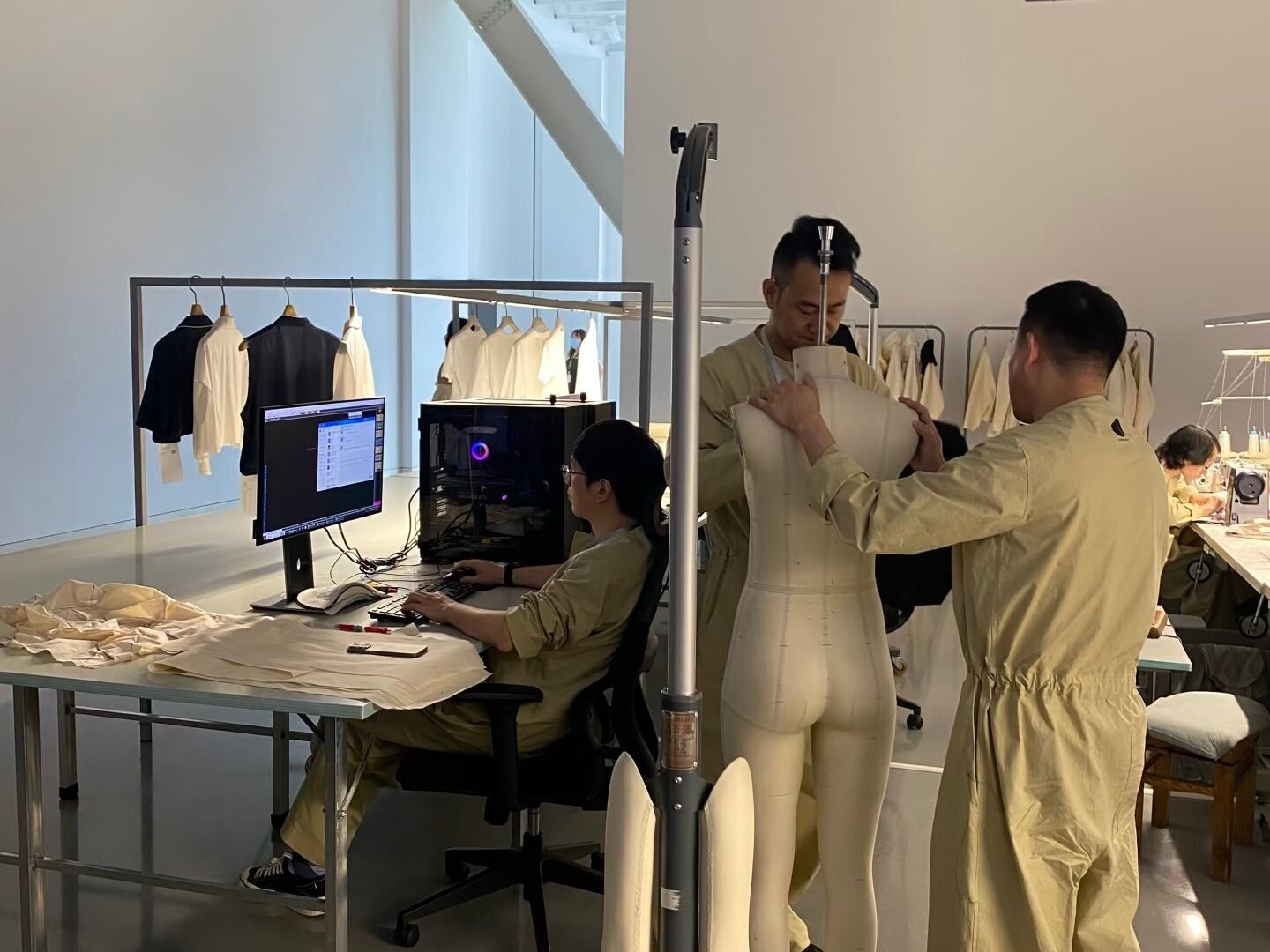
Before you start searching for a reliable clothing manufacturer, you need to define what your brand stands for and what you want to produce. This step helps you avoid confusion and ensures you choose a partner who matches your goals.
Product Types and Quantities
Begin by listing the types of clothing you want to create. Are you focusing on t-shirts, dresses, or outerwear? Each product type may require different materials, techniques, and expertise. You should also decide how many pieces you plan to order for each style. Setting minimum order quantities (MOQs) is important because it helps spread production costs across enough units, making manufacturing financially viable.
Tip: Retailers need enough inventory for eye-catching displays. Limited orders can make your brand look less established and may affect customer interest.
Here is a table to help you understand key factors when defining product types and quantities:
| Factor | Explanation |
|---|---|
| Fixed Costs | Larger orders lower unit prices by spreading costs like pattern development. |
| Design Complexity | Complex garments often require higher MOQs due to more production effort. |
| Size Variations | MOQs can be split across sizes for more flexibility in your order. |
You should establish a minimum order quantity to ensure production efficiency. Ordering in bulk can reduce per-unit costs and support effective merchandising.
Quality Standards and Budget
Quality standards shape your brand’s reputation. You need to prepare complete tech packs and set clear expectations for materials, stitching, and finishing. Manufacturers with a strong reputation for quality will help you deliver products that meet your standards.
Budget also plays a big role. You must balance your quality expectations with financial limitations. Domestic manufacturers may offer higher quality but at a higher cost, while overseas options can reduce expenses but may require larger orders. Understanding these differences helps you make informed decisions.
- Prepare detailed tech packs.
- Set realistic budget expectations.
- Compare domestic and overseas production costs.
When you define your needs, you make it easier to find a reliable clothing manufacturer who aligns with your brand’s values and supports your growth.
Where to Find Reliable Clothing Manufacturers
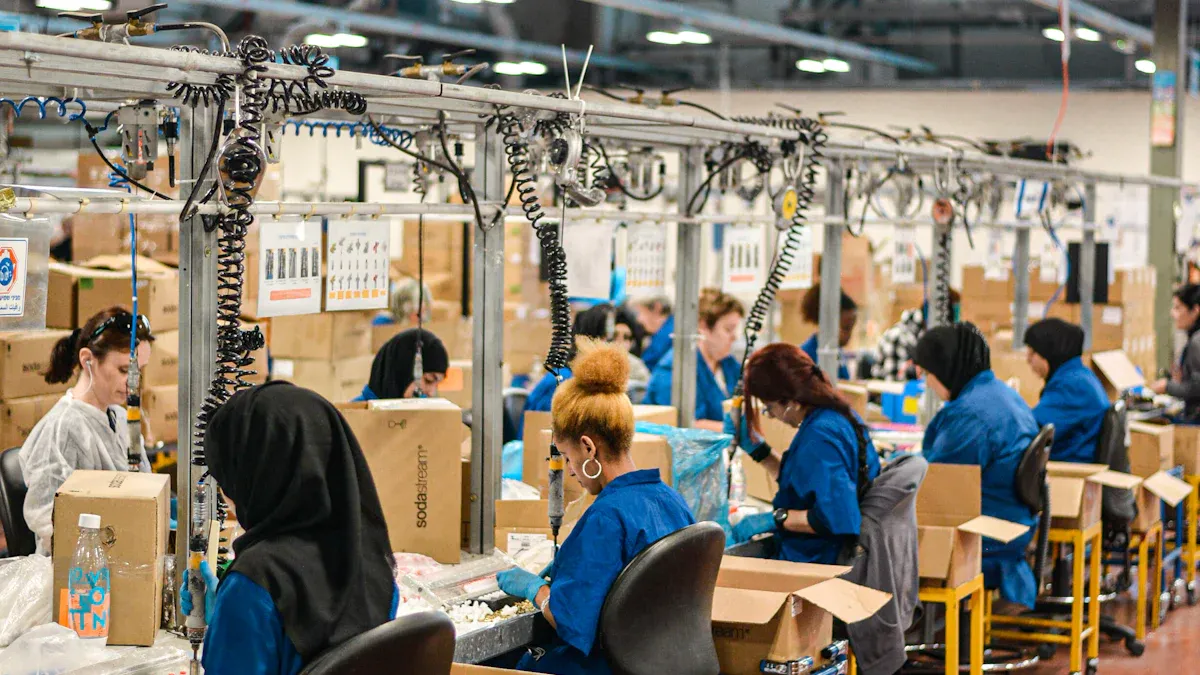
You have several ways to find clothing manufacturers. Each method has unique strengths and weaknesses. Choosing the right approach depends on your brand’s needs, budget, and timeline. Careful research helps you avoid costly mistakes and ensures you connect with reliable partners.
Online Directories
Online directories give you access to a wide range of manufacturers from around the world. These platforms let you compare suppliers, check reviews, and request quotes. You can start your search from anywhere, which saves time and money. However, you must watch out for fake reviews and unverified suppliers. Always check for clear business information and request samples before making decisions.
Here is a quick comparison of popular online directories:
| Platform | Strengths | Best For |
|---|---|---|
| Alibaba | Huge supplier pool, custom options | Private label, OEM orders |
| Faire | Net payment terms, curated brands | Boutique-level brands, DTC |
| FashionGo | US-based, fast delivery | Fashion-forward wholesale buyers |
| Social Platform(Ins,Facebook,TK,etc.) | A more direct understanding of the supplier | Private label, OD&OEM orders |
Tip: Always verify supplier credentials and ask for references before placing an order.
Trade Shows & Networking
Trade shows allow you to meet manufacturers face-to-face. You can see product samples, ask questions, and build relationships. This direct contact often leads to better quality assurance and easier communication. Trade shows can be expensive and only happen at certain times and places. You may also face strong competition from other brands.
| Aspect | Trade Shows | Online Directories |
|---|---|---|
| Face-to-Face Interaction | Yes | No |
| Networking Opportunities | Yes | Limited |
| Cost | Can be expensive | Generally lower |
| Quality Assurance | Higher due to direct interaction | May lack personal connections |
| Access | Limited to specific events | Broader access to manufacturers |
| Competition | High due to many attendees | Lower competition |
| Shipping Costs | N/A | Higher due to overseas sourcing |
| Communication | Easier with local manufacturers | May face barriers with overseas suppliers |
| Minimum Order Quantity | N/A | Often higher with overseas manufacturers |
Referrals & Recommendations
Referrals from trusted sources can help you find reliable manufacturers. Many business owners trust recommendations from friends and family who have direct experience. These referrals often lead to better outcomes than relying on online reviews, which can sometimes be fake or misleading.
- Friends and family often share honest feedback about their experiences.
- Trusted recommendations help you avoid unreliable suppliers.
- Many entrepreneurs rely on referrals to make important decisions.
Note: No matter which method you choose, always do your own research. Ask questions, request samples, and check references before making a commitment.
Criteria for a Reliable Clothing Manufacturer
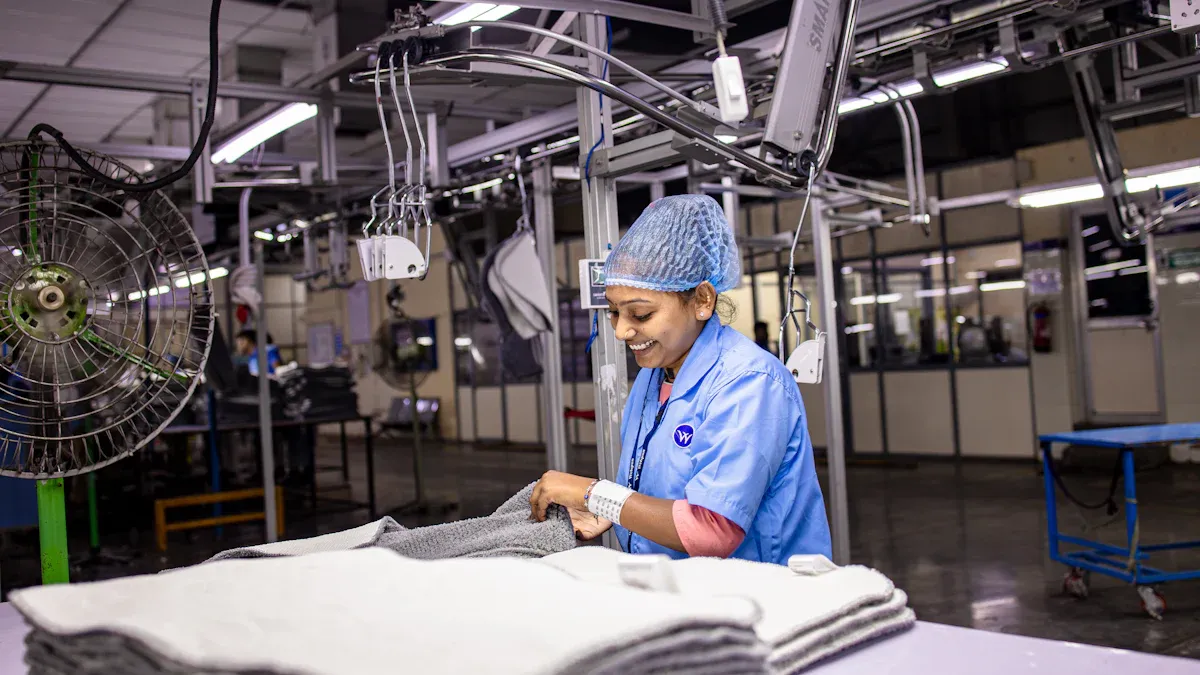
Choosing a reliable clothing manufacturer requires you to look beyond price and location. You need to check several key criteria to make sure your partner can deliver quality, meet deadlines, and support your brand’s growth. Here are the most important factors to consider:
Experience & Track Record
You should always check how long a manufacturer has been in business and what brands they have worked with. A strong track record shows that the manufacturer can handle challenges and deliver consistent results. Ask for references from previous clients and look for feedback about how the manufacturer handled delays or unexpected problems.
Tip: Brands often evaluate manufacturers based on communication, how they handle delays, and their respect for timelines.
Here is a table that shows the main criteria successful brands use to evaluate manufacturers:
| Criteria | Description |
|---|---|
| Communication | Assess how well the supplier communicates, especially during delays. |
| Handling of Delays | Evaluate how the supplier has managed past delays and their approach to unforeseen circumstances. |
| Certifications | Check for relevant certifications that indicate quality and reliability standards. |
| Minimum Order Quantity (MOQ) | Understand the reasoning behind the MOQ and how it relates to production challenges. |
| Timeline Respect | Ensure the supplier respects timelines, as fashion is time-sensitive and delays can be detrimental. |
You should always ask for references and check previous client feedback before making a decision.
Certifications & Compliance
Certifications show that a manufacturer meets international standards for quality, safety, and ethics. These certifications help you trust that the manufacturer will deliver safe and reliable products. They also make it easier for your brand to enter new markets.
- ISO certifications ensure quality, safety, and sustainability.
- Certifications like ISO 9001 focus on quality management.
- Social compliance certifications (BSCI, SMETA, WRAP) verify ethical labor practices.
- OEKO-TEX® and GOTS are important for material safety and organic textiles.
- Specialized certifications such as BCI for cotton and Bluesign® for environmental impact show advanced capabilities.
Compliance with these standards acts as a passport for your products. It helps you earn consumer trust and stand out in a crowded market.
Production Capacity & MOQs
You need to know if the manufacturer can handle your order size. Production capacity tells you how many units the factory can produce in a set time. Minimum order quantities (MOQs) are the smallest number of pieces you must order. Understanding MOQs helps you plan your budget and inventory.
Here is a table that shows typical MOQs for different types of manufacturers:
| Manufacturer Type | Typical MOQ |
|---|---|
| Larger Manufacturers | 1000 units or more |
| Smaller Manufacturers | 50 units (varies by complexity) |
You should ask why a manufacturer sets a certain MOQ. This helps you understand their production process and whether they can scale with your brand.
Quality Control & Transparency
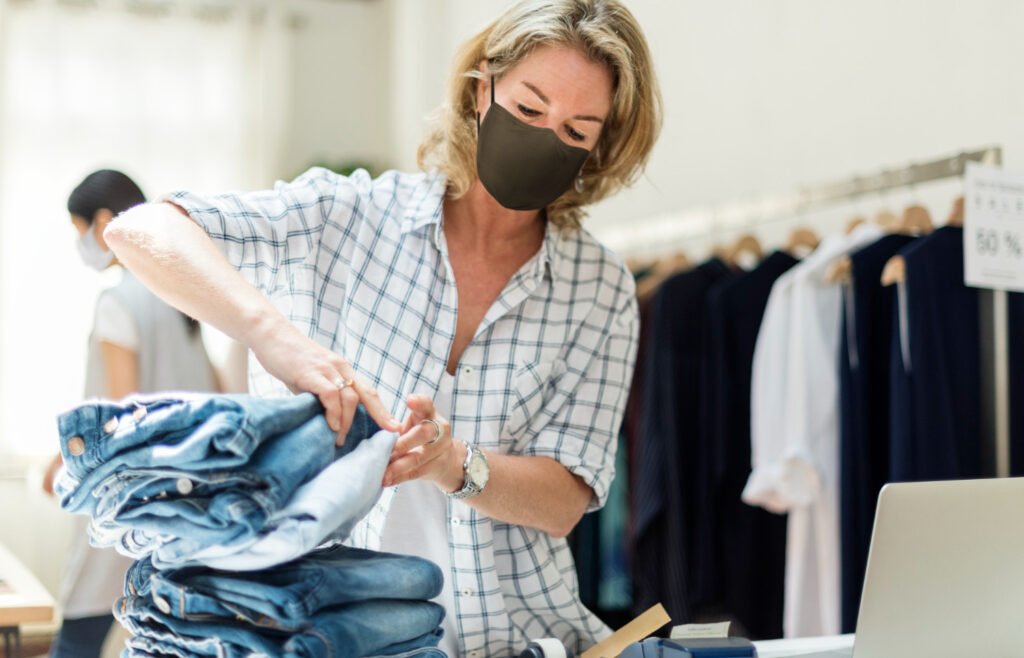
Quality control is a key part of any reliable clothing manufacturer’s process. You want to make sure every garment meets your standards, from the first sample to the final shipment. Quality control includes checking raw materials, inspecting products during production, and doing final checks before shipping.
| Quality Control Measure | Description |
|---|---|
| Pre-Production Fabric Inspections | Ensures materials meet quality standards before production begins. |
| In-Process Checks | Conducted during assembly to identify and fix issues quickly. |
| Post-Production Inspections | Final checks to ensure garments meet all specifications before shipping. |
| Dedicated Quality Assurance Teams | Teams verify garments against standards such as fit, measurements, and color matching. |
| Documentation of Audits | Request previous quality audits or third-party inspection reports to confirm compliance. |
You should ask for documentation of audits or third-party inspection reports. This shows the manufacturer is transparent and committed to quality.
Communication & Ethics
Clear and honest communication builds trust between you and your manufacturer. It helps prevent misunderstandings and costly mistakes. You should look for a manufacturer who responds quickly, explains things clearly, and keeps you updated on your order.
- Transparent communication fosters trust.
- It reduces misunderstandings that can lead to mistakes.
- Clear expectations and feedback improve collaboration.
You may face challenges such as language or cultural differences. Make sure you and your manufacturer understand each other, especially when discussing technical details.
A reliable clothing manufacturer also follows ethical practices. Social compliance certifications show that workers have safe conditions and fair treatment. You should always ask about labor practices and workplace safety.
Note: When you check these criteria, you increase your chances of building a strong, long-term partnership with a reliable clothing manufacturer.
Vetting and Evaluation Process
Finding a reliable clothing manufacturer requires a careful evaluation process. You need to follow several steps to make sure your chosen partner meets your standards and supports your brand’s growth.
Initial Contact & Questions
When you first reach out to a manufacturer, start with a small order. This lets you test their communication, quality, and reliability. Make sure you clearly explain your designs and requirements. Ask about their experience in the industry and if they understand your market. Good communication is essential. If a manufacturer responds slowly or seems unclear, you may face bigger problems later. Building a strong relationship from the start helps you get better service and long-term support.
- Start with a small order to test reliability.
- Communicate your designs and requirements clearly.
- Ask about their experience and market knowledge.
- Request referrals from friends or business partners.
- Read online reviews to learn about product quality and service.
Requesting Samples
Samples show you what the manufacturer can produce. You should:
- Specify product details like model, material, and color.
- Discuss sample costs, including production and shipping.
- Set a timeline for sample delivery.
Clear communication helps you avoid misunderstandings. Samples let you check quality before making a larger commitment.
Checking References
Ask for references from previous or current buyers. This helps you learn about the manufacturer’s communication, product quality, delivery times, and how they handle disputes. Some suppliers may hesitate to share references because of confidentiality, but if they do, it shows professionalism and transparency. A refusal does not always mean something is wrong, but you should still ask.
- Inquire about references to gauge reliability.
- Understand that some suppliers may not share references.
- Use references to verify authenticity and performance.
Factory Visits & Audits
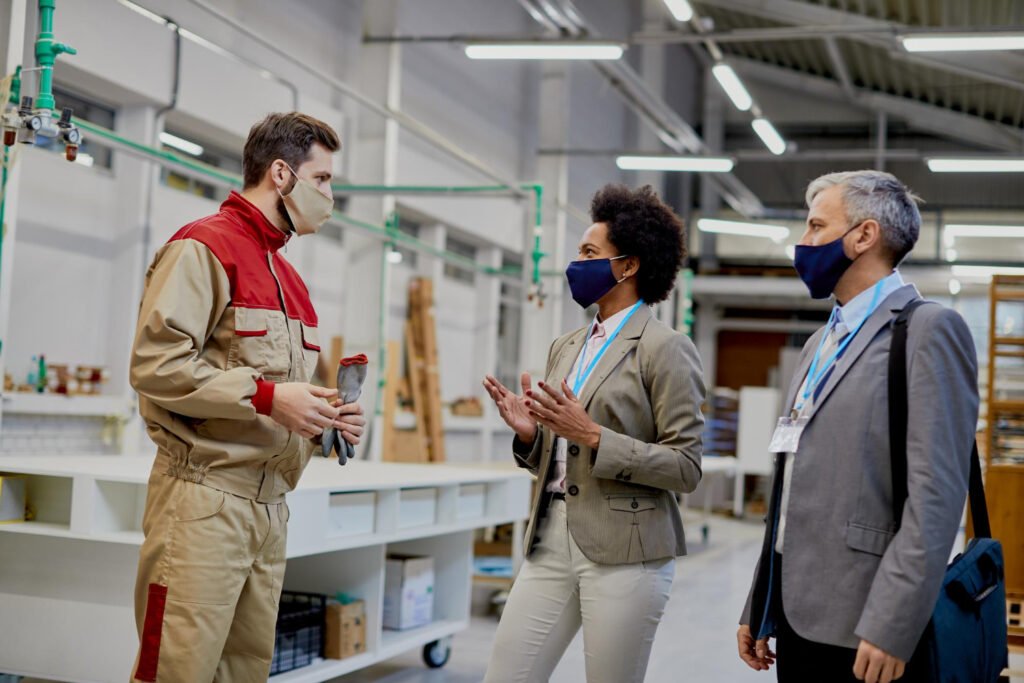
Visiting the factory, either in person or virtually, gives you a clear view of their operations. Check if the production facilities suit your products. Align your sourcing policies with theirs. Look for risks in quality, operations, or ethics. Assess the competence of factory management. Notice if the contact person is present and cooperative. Ask to see important documents. If you cannot meet management or access licenses, or if you face hostility, consider this a warning sign.
- Verify production facilities.
- Assess management competence.
- Request to see documents.
- Watch for signs of obstruction or hostility.
Negotiating Price & Contracts
Negotiation is a key step. Use clear phrases to get the best deal. Here are some strategies:
| Situation | Best Negotiation Phrase |
|---|---|
| Comparing Suppliers | “We’ve received other offers at a lower price. Can you match or improve on that?” |
| Bulk Order Discounts | “If we increase our order to [X] units, what’s the best price per piece?” |
| Long-Term Partnership | “We plan to reorder monthly—can we lock in a better rate?” |
| Finding Alternative Costs | “Are there material or production adjustments that could reduce pricing?” |
| Limited Budget | “Our budget is $X per item. Can we find a way to make this work?” |
Review contracts carefully. Make sure all terms are clear and protect your interests. This step helps you build a strong partnership with a reliable clothing manufacturer.
Warning Signs to Avoid
When you search for a clothing manufacturer, you need to watch for red flags that signal trouble. Spotting these early can save you time, money, and stress.
Poor Communication
You should expect clear and timely responses from your manufacturer. Delayed replies or confusing answers often lead to mistakes in production. Poor communication can cause misunderstandings about your designs, timelines, or quality standards. This puts your product at risk and can damage your brand’s reputation.
If you notice frequent delays or struggle to get answers, consider this a major warning sign.
Lack of Transparency
A reliable manufacturer will share details about their processes, pricing, and working conditions. If a manufacturer avoids your questions or gives vague information, you may face hidden problems. Lack of transparency can hide unethical practices or poor factory conditions. You should always ask for documentation, such as certifications or audit reports. If the manufacturer resists, you should proceed with caution.
- Unwillingness to provide references or documentation
- Resistance to factory visits
- Vague explanations about production steps
Inconsistent Quality
You need consistent quality to build trust with your customers. If a manufacturer sends poor-quality samples or refuses to provide them, you may face bigger issues with bulk orders. Inconsistent quality can lead to supply chain problems and hurt your brand’s image. Even small defects can cause customers to lose confidence in your products.
- Poor or missing samples
- Defective products in shipments
- Vague quality control processes
Unclear Pricing
You should always understand the full cost before you commit. Unclear pricing can lead to hidden fees and unexpected expenses. This can shrink your profit margins and make it hard to plan for growth. If a manufacturer hesitates to give a detailed quote or changes prices without reason, you should see this as a red flag.
| Red Flag | Why It Matters |
|---|---|
| Hidden costs | Can damage your budget and profits |
| Fluctuating prices | Makes it hard to set retail prices |
| Vague payment terms | Increases risk of disputes |
Always ask for a clear breakdown of costs and payment terms before you sign any contract.
By staying alert to these warning signs, you can avoid unreliable manufacturers and protect your brand’s future.
Making Your Final Choice
Weighing All Factors
You have reached the final step in selecting a reliable clothing manufacturer. At this stage, you need to review every part of the process. Start by looking at how well each manufacturer aligns with your brand’s needs. Check their ability to source quality fabrics and produce accurate samples. Evaluate their track record in bulk production and their customization skills. Consider their minimum order quantities and shipping reliability. Use the table below to organize your thoughts:
| Key Stages in Clothing Manufacturing | Considerations for Evaluation |
|---|---|
| Design and Tech Pack Development | Alignment with brand needs |
| Fabric Sourcing | Quality control standards |
| Sampling | Manufacturer capabilities |
| Bulk Production | Proven track record |
| Quality Control | Customization capabilities |
| Shipping | Low minimum order quantities |
Review each stage carefully. Ask yourself if the manufacturer meets your standards for quality, communication, and flexibility. Make sure you understand their strengths and weaknesses before making your final choice.
Building a Partnership
Choosing a manufacturer is not just about placing an order. You want to build a partnership that supports your brand’s growth. Focus on clear communication and set expectations from the start. Share your business goals and listen to feedback. Pay on time to show reliability. Avoid switching factories often, as loyalty helps build trust. Respect the manufacturer’s processes and timelines. Give constructive feedback to improve collaboration.
- Communicate effectively to stand out as a serious brand.
- Build trust through consistent actions and clear expectations.
- Be transparent about your business goals.
- Pay on time to build goodwill.
- Avoid frequent factory changes to signal loyalty.
- Respect the manufacturer’s processes and timelines.
- Provide constructive feedback to foster collaboration.
When you weigh all factors and focus on partnership, you can confidently choose the best reliable clothing manufacturer for your brand.
Why Easson Apparel is Your Reliable Clothing Manufacturer
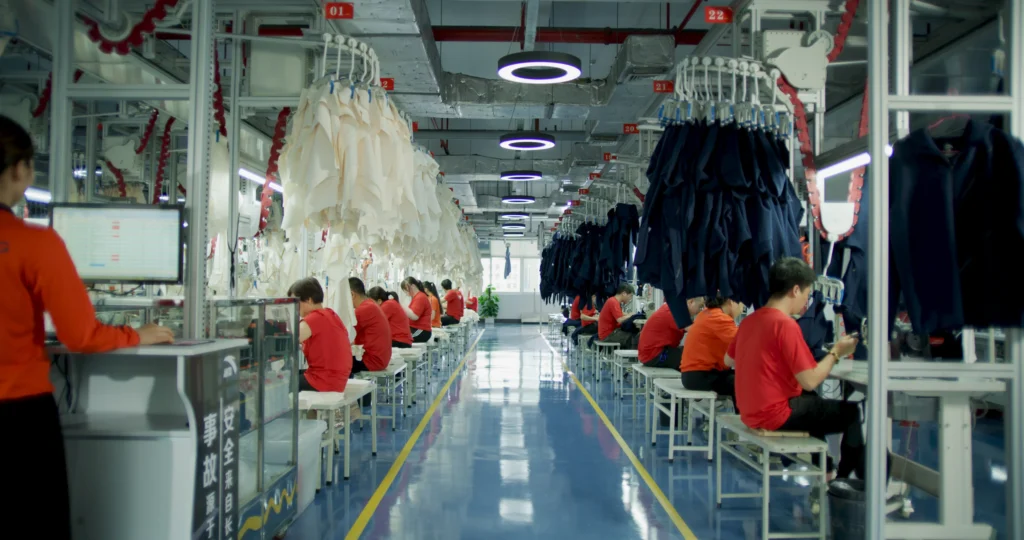
Easson Apparel is a China-based clothing manufacturer specializing in custom knitwear and OEM/ODM production. With more than 20 years of manufacturing experience, the company supports both startup brands and established labels with flexible order quantities and full supply chain services.
Our Quality Commitment
You want your products to meet high standards. Easson Apparel uses strict quality control at every stage of production. Each item goes through careful inspection to ensure consistency in size, fit, and finish. The factory holds important certifications that show a commitment to safety and ethical practices. You can expect clear communication from a dedicated English-speaking sales team. This support helps you avoid mistakes and keeps your project on track.
Easson Apparel manages the full supply chain. The team handles fabric sourcing, trims, printing, and embroidery. This reduces delays and lowers risks for your brand. You get reliable updates and fast responses to your questions.
Supporting Your Brand
If you are starting a new brand, you may worry about high minimum orderquantities. Easson Apparel offers flexible options for startups. You can place smaller orders and still receive the same level of service as larger brands. The factory provides both OEM and private label services, so you can choose what fits your business.
Here is a look at how Easson Apparel supports emerging brands:
| Service/Benefit | Description |
|---|---|
| Comprehensive Manufacturing | OEM and private label options for quality and consistency. |
| Flexible Minimum Orders | Lower minimums make it easier for new brands to start. |
| Quality Control | Every product gets inspected for consistency. |
| Full Supply Chain | Fabric, trims, printing, and embroidery managed in-house. |
| Professional Support | English-speaking team follows up on every project. |
You can rely on Easson Apparel as your reliable clothing manufacturer. The factory’s experience, strong quality control, and flexible support make it a smart choice for your brand’s growth.
You can find a reliable clothing manufacturer by following a systematic vetting process. Start by identifying your brand’s needs and seek partners who match your quality standards. Evaluate each option for clear communication, strong quality control, and ethical compliance. Aligning with a manufacturer that shares your values builds trust and loyalty with your customers. To avoid mistakes, use these steps and consider reaching out to reputable companies like Easson Apparel for your next project.
FAQ
What is a tech pack, and why do you need one?
A tech pack is a document with your design details, measurements, and materials. You need it to show manufacturers exactly what you want. This helps avoid mistakes and keeps your product consistent.
How do you know if a manufacturer is ethical?
You can check for certifications like BSCI or WRAP. Ask about their labor practices and factory conditions. Request audit reports. Ethical manufacturers share this information openly.
What is MOQ, and how does it affect your order?
MOQ stands for Minimum Order Quantity. It is the smallest number of items you must order. Manufacturers set MOQs to cover production costs. Lower MOQs help new brands start small.
Can you visit the factory before placing an order?
Yes, you can request a factory visit. Many manufacturers offer in-person or virtual tours. Visiting helps you check quality, safety, and working conditions.
Does Easson Apparel support small brands?
Yes. Easson Apparel offers flexible minimum orders and supports startups. You get professional help and quality service, even with smaller orders.