
T-Shirt Manufacturer
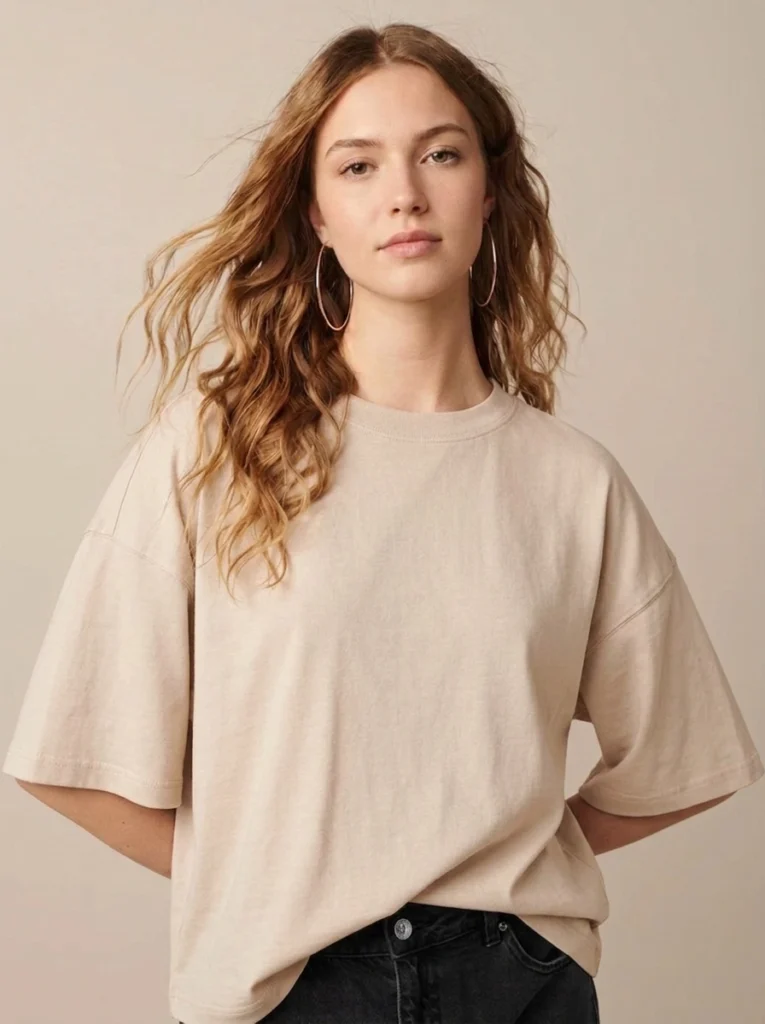
One-Stop T-Shirt Manufacturer for Your Business
Easson Apparel is a T-shirt manufacturer with years of experience making brilliant custom T-shirts in China. We’re specialized in providing different printing options and fabric colors to meet the unique needs of you and your customers.
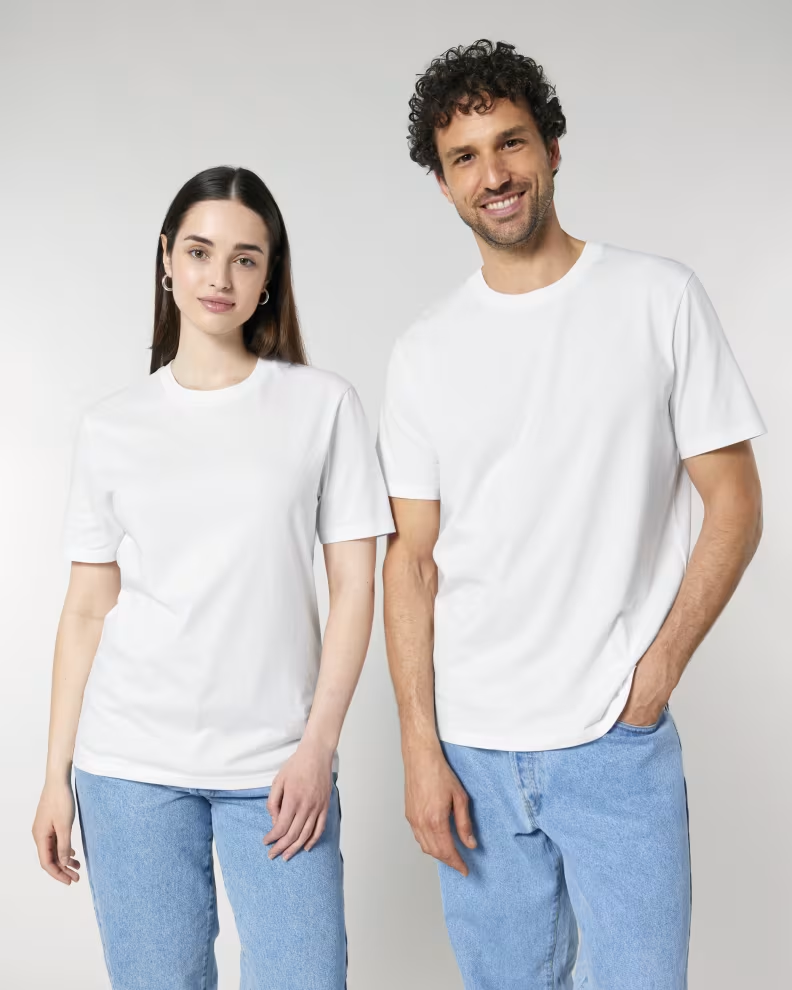
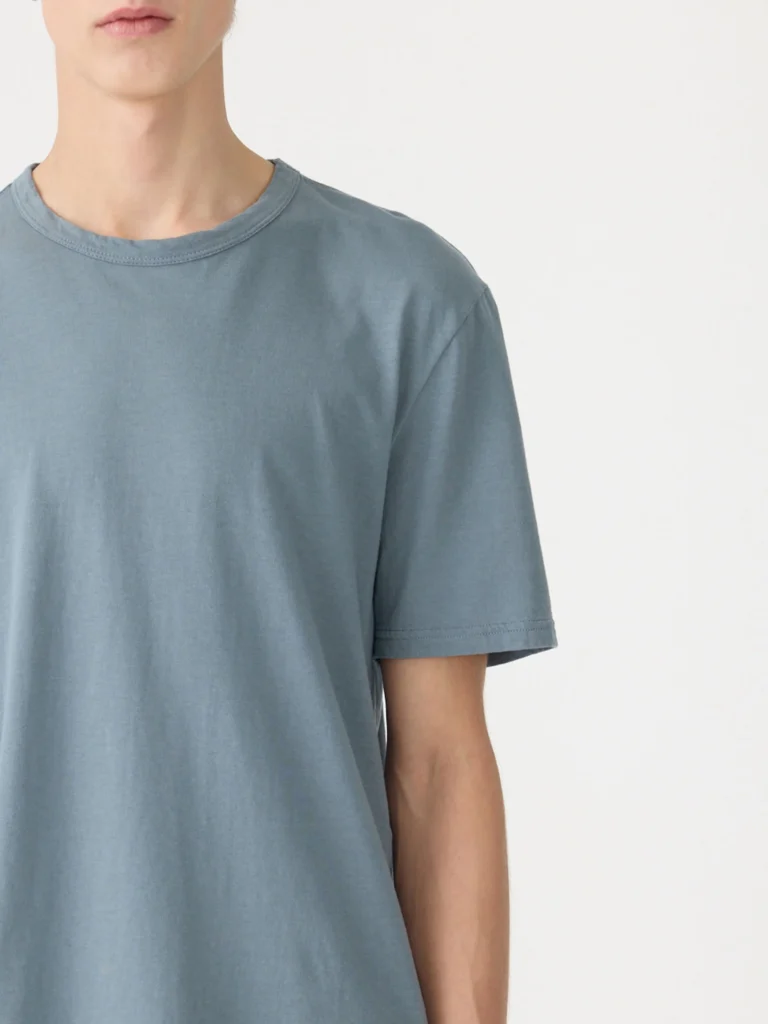
Manufacturing Notes
Customized Clothing Production
All products displayed on this page are shown as manufacturing references. We primarily support custom clothing production based on order requirements.
If you are looking for ready-to-ship or in-stock products, please contact us separately to confirm availability.
Simple Steps to Custom T-Shirt
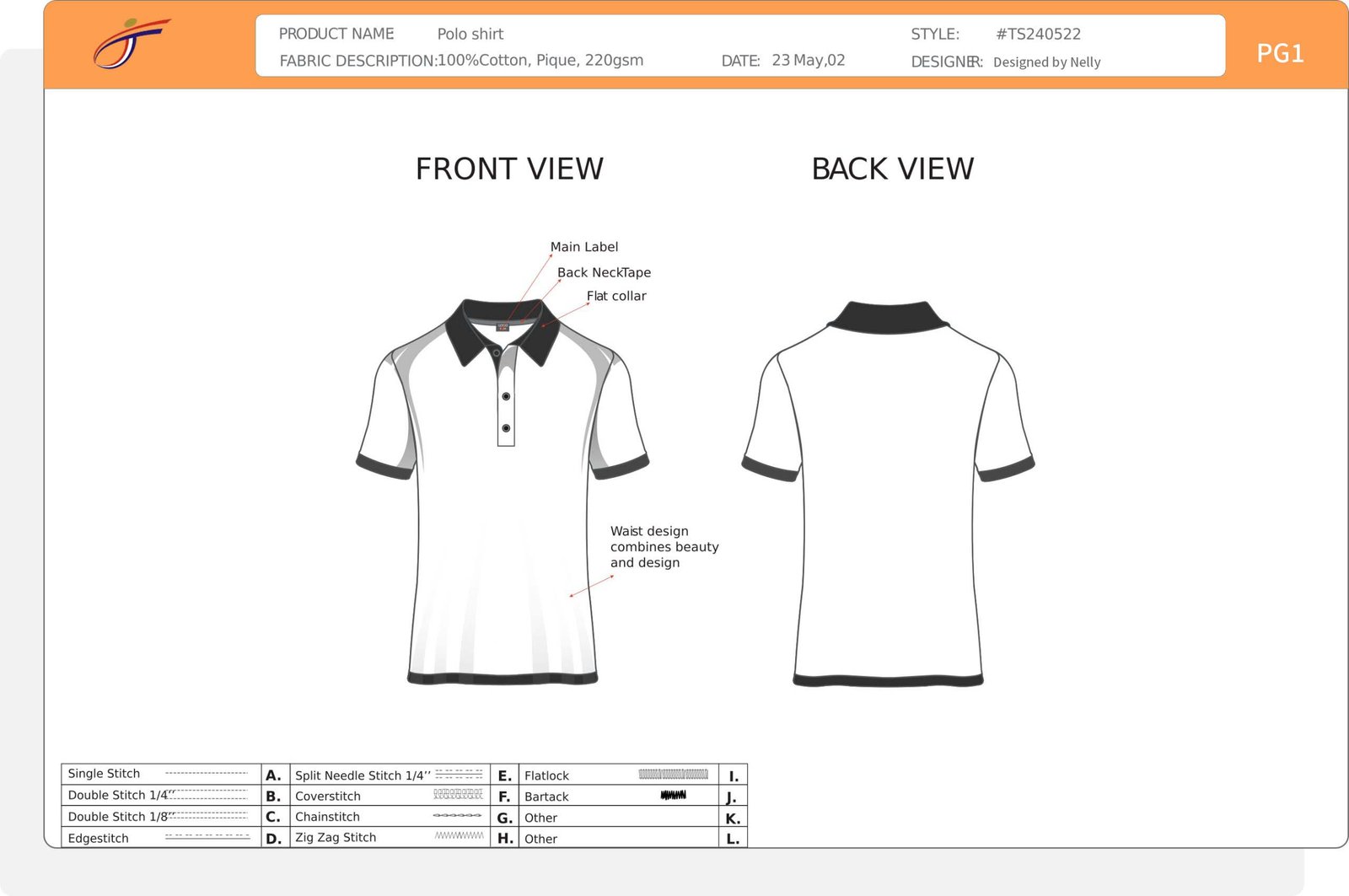
Begin by providing us with your detailed tech pack, including designs, specifications, and any specific requirements. Our team collaborates closely with you to ensure every detail aligns with your vision.
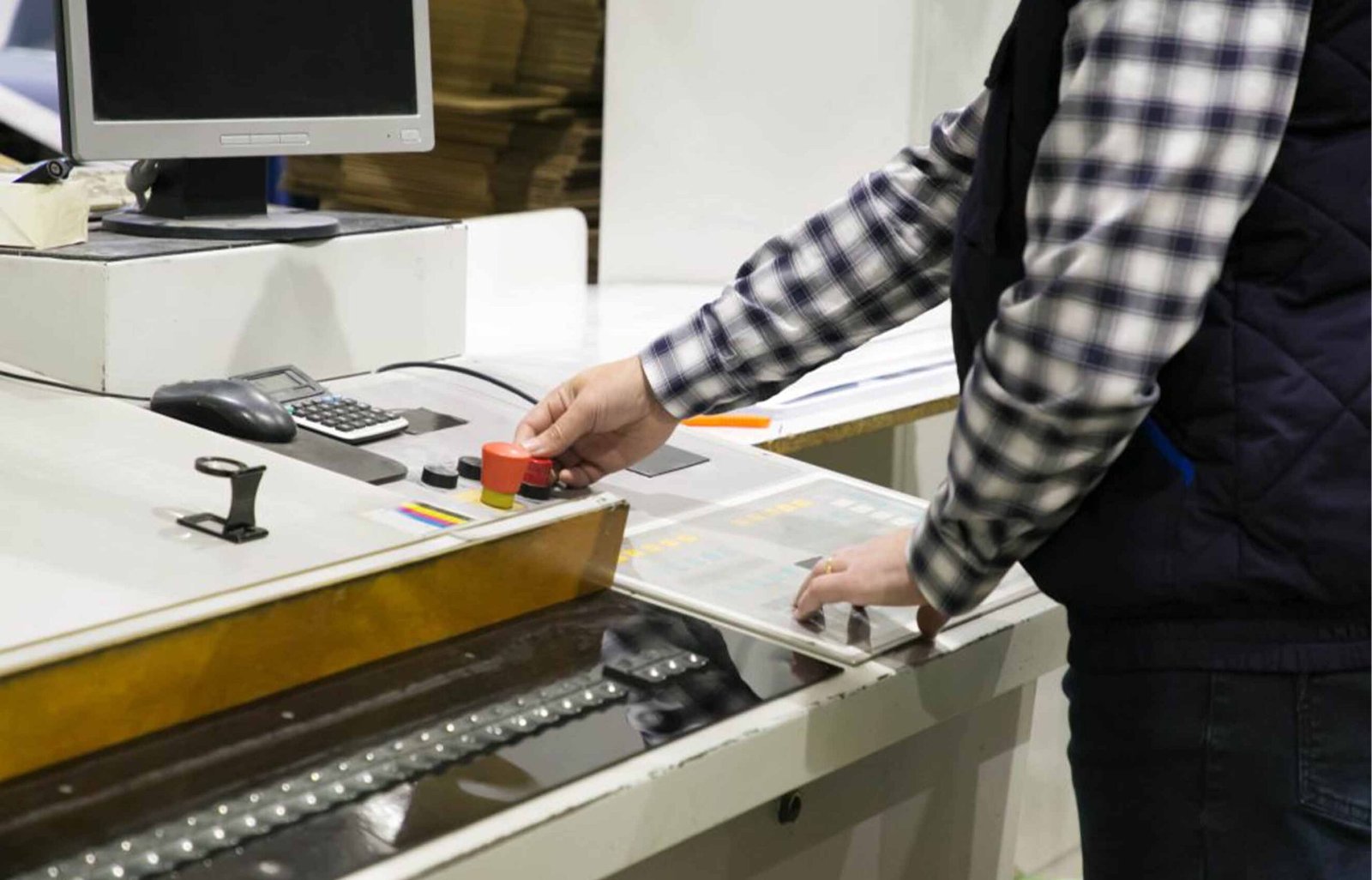
Using state-of-the-art machinery, we meticulously cut the fabric according to your specifications. Our precision cutting process minimizes waste and ensures consistency across all pieces.
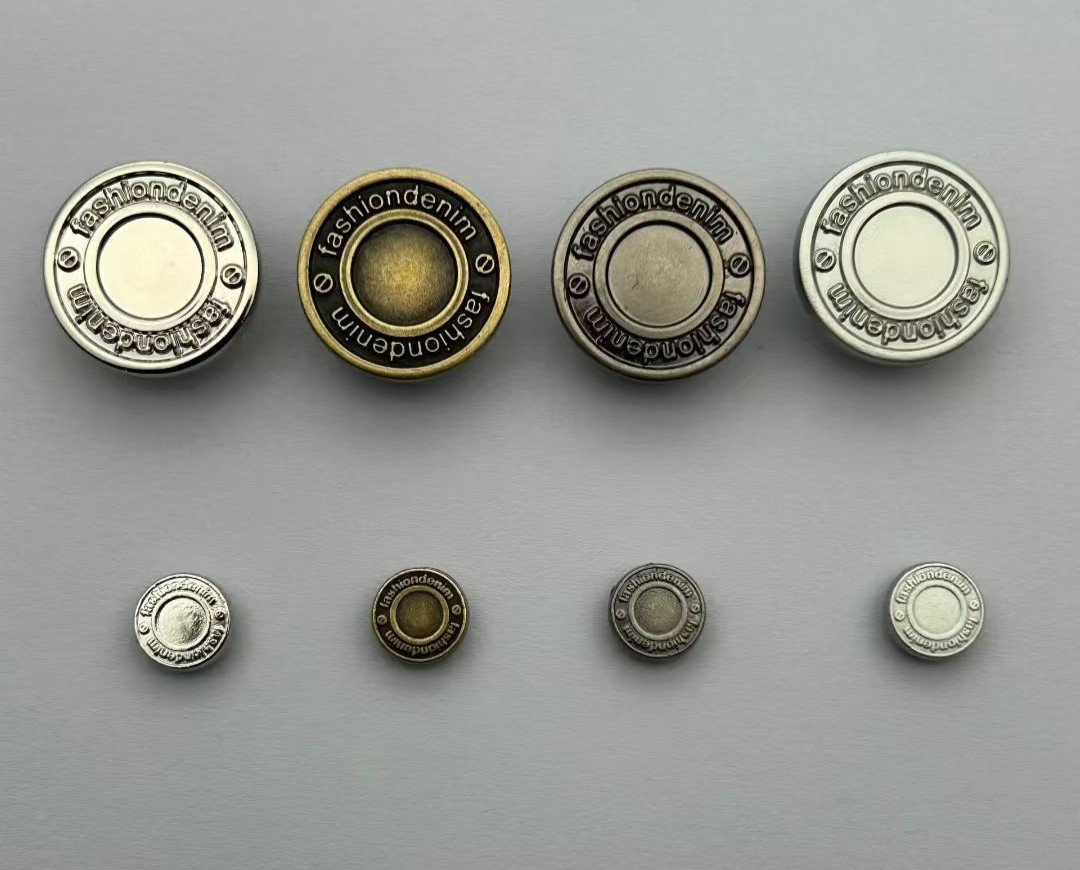
We source and gather all necessary accessories, such as buttons, labels, and trims, ensuring they meet your quality standards and complement your t-shirt designs perfectly.
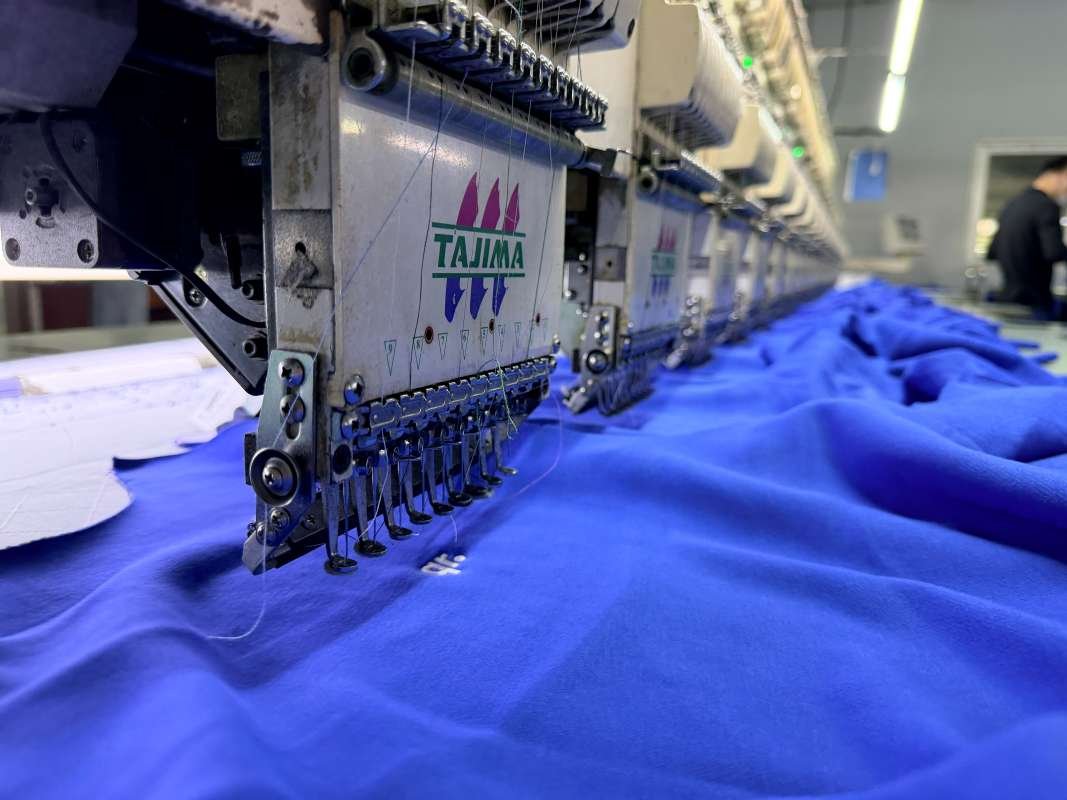
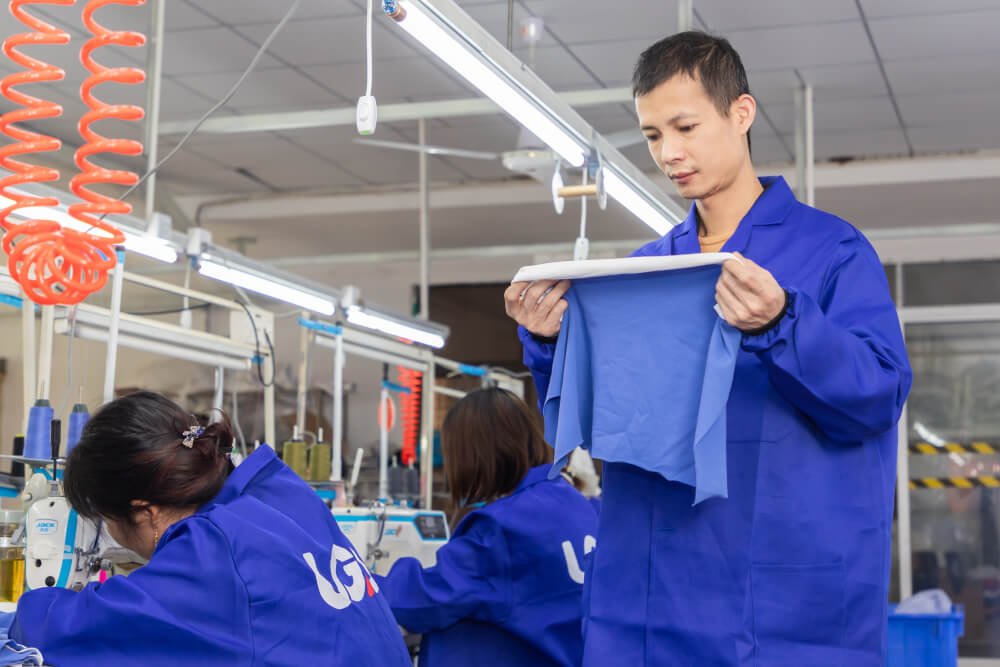
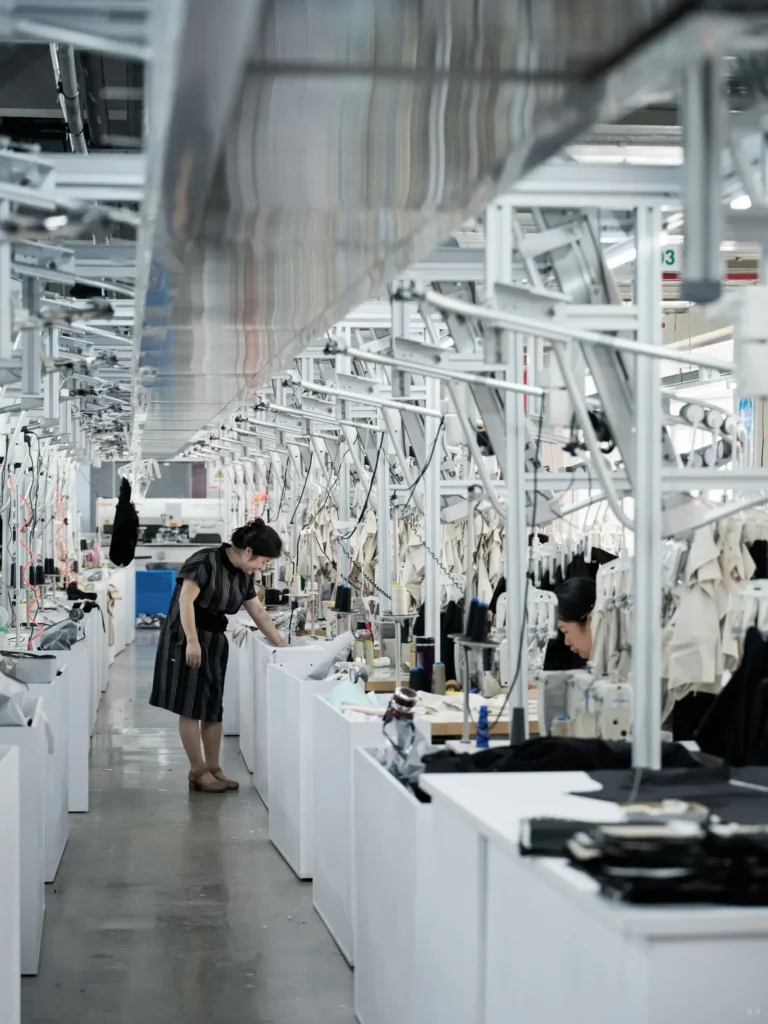
Our skilled sewing team assembles each t-shirt with care, ensuring strong seams, accurate stitching, and flawless finishes. Quality control checks are performed at every stage to maintain excellence.
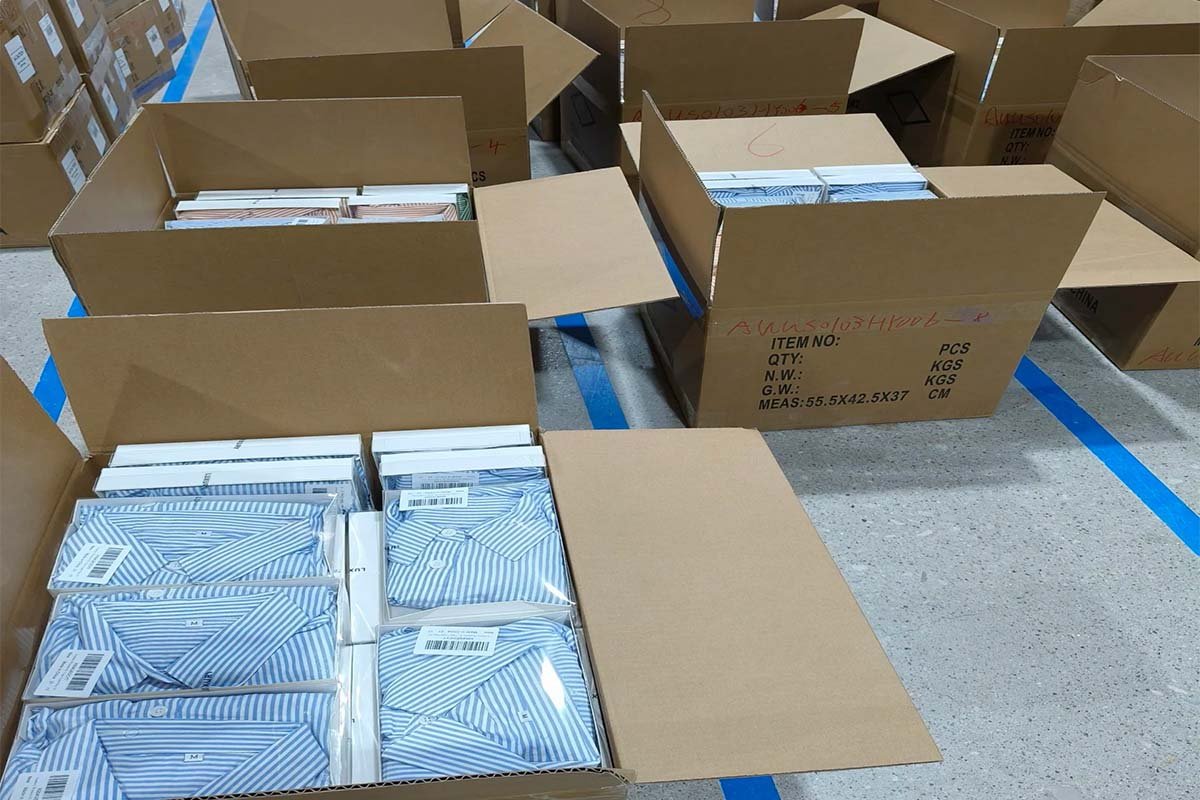
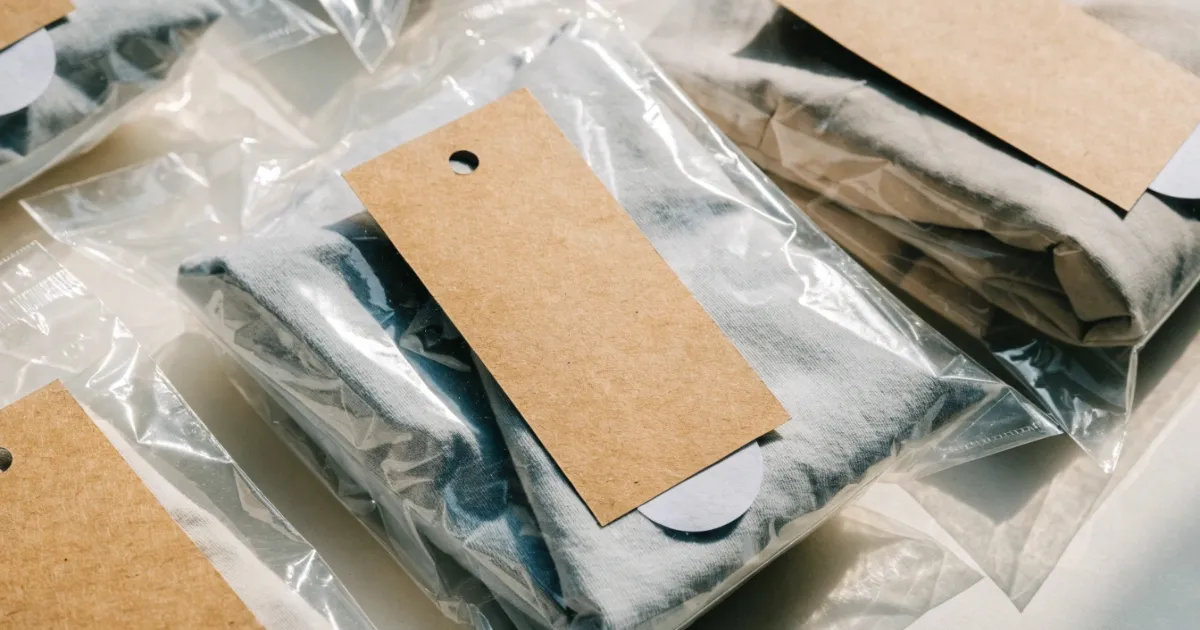
Once completed, your t- shirts are carefully packaged to protect them during transit. We offer reliable delivery services to ensure your orders arrive on time and in pristine condition.
Fabric Option
Can’t find the fabric you’re looking for? Contact us right away
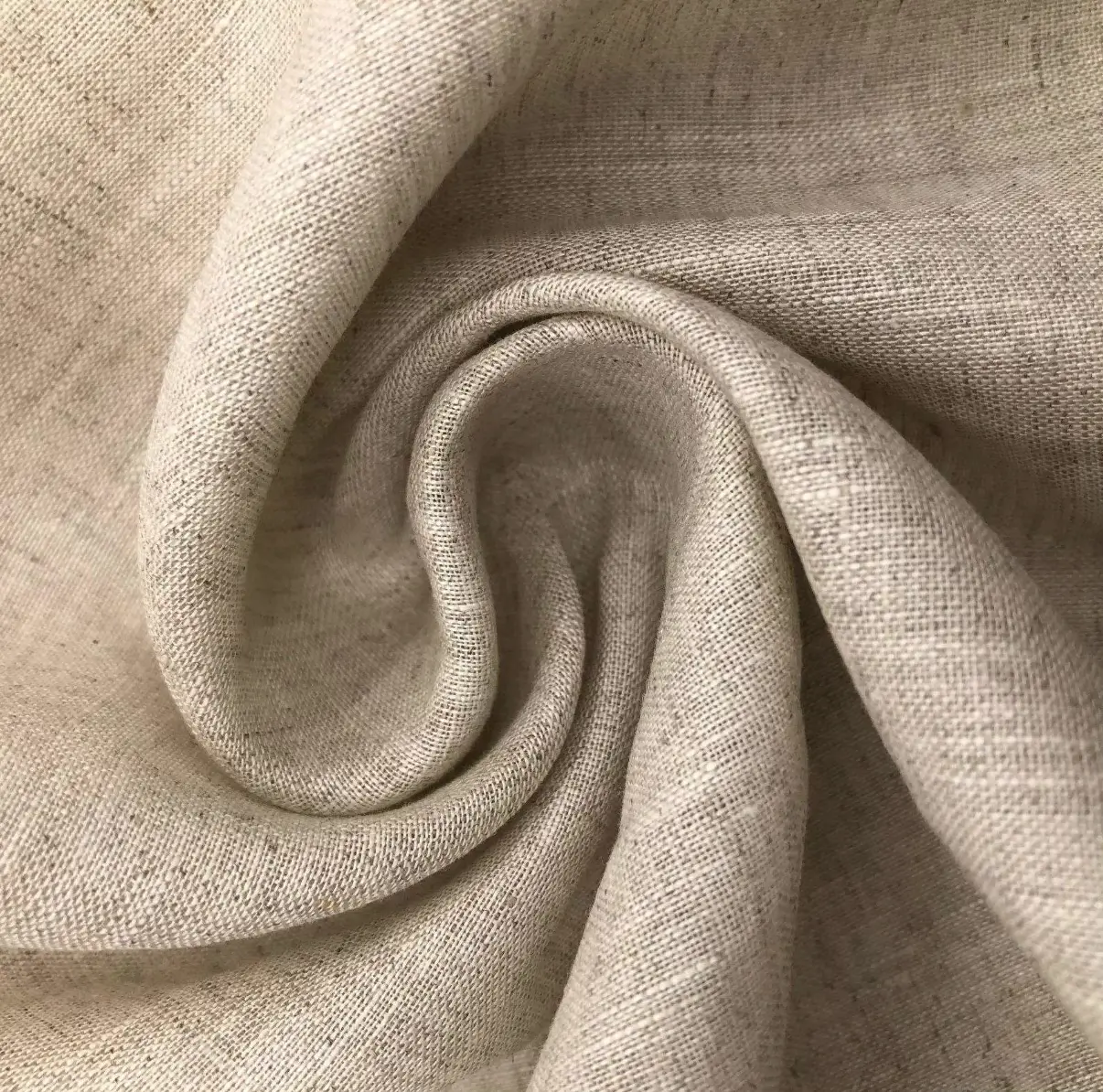
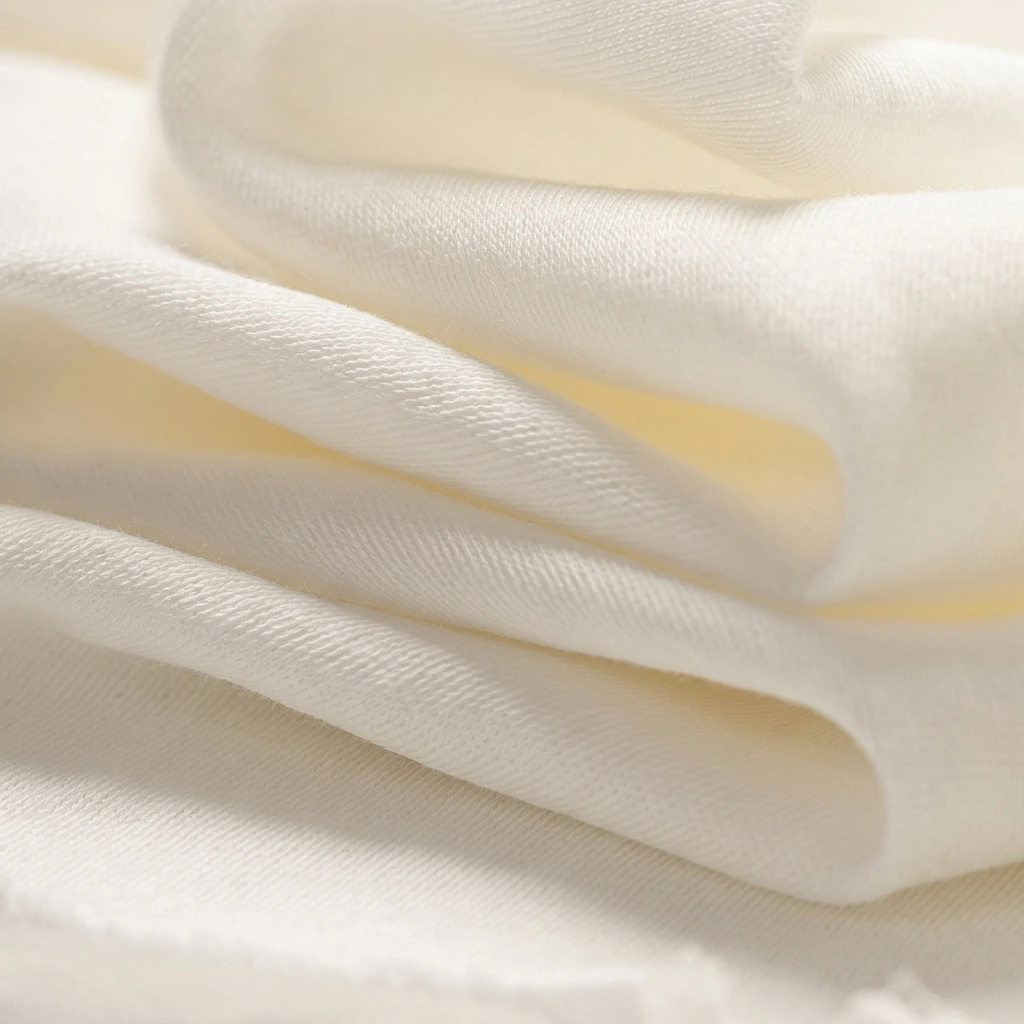
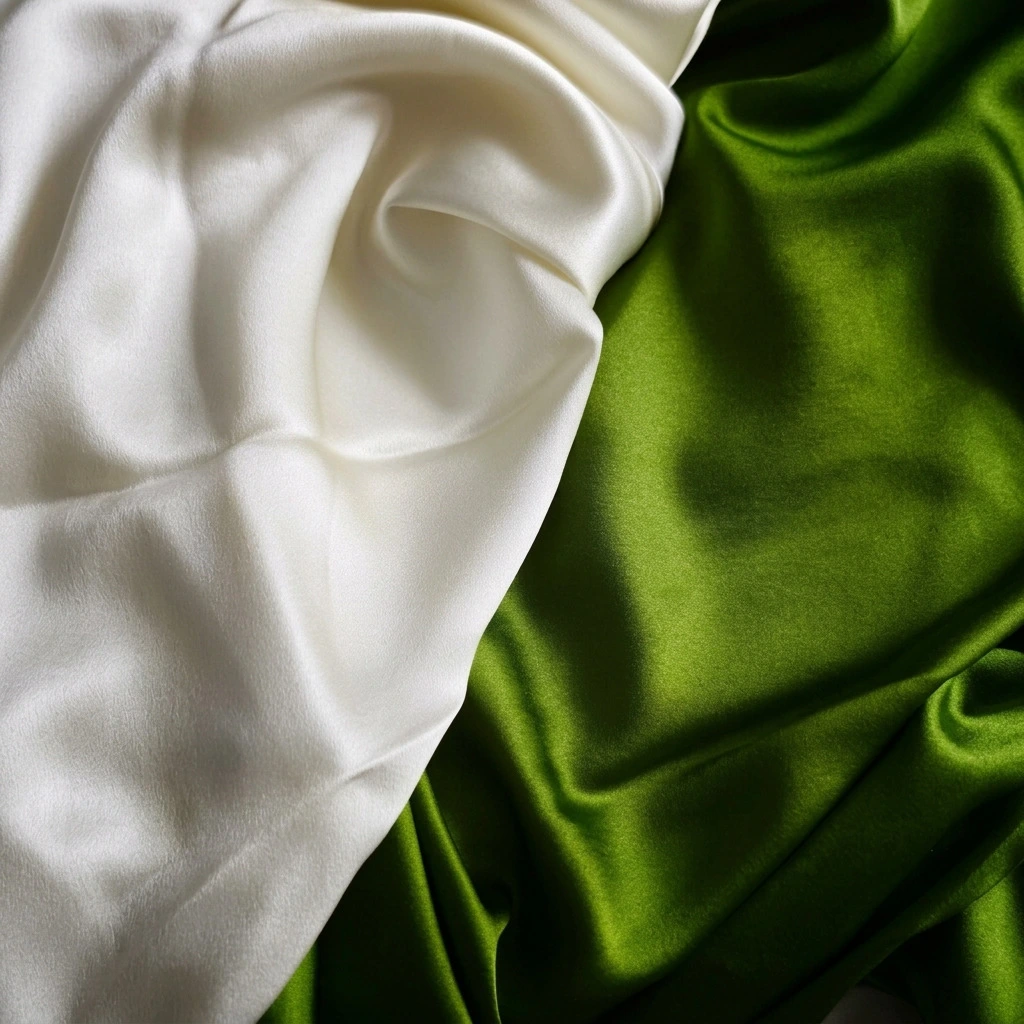
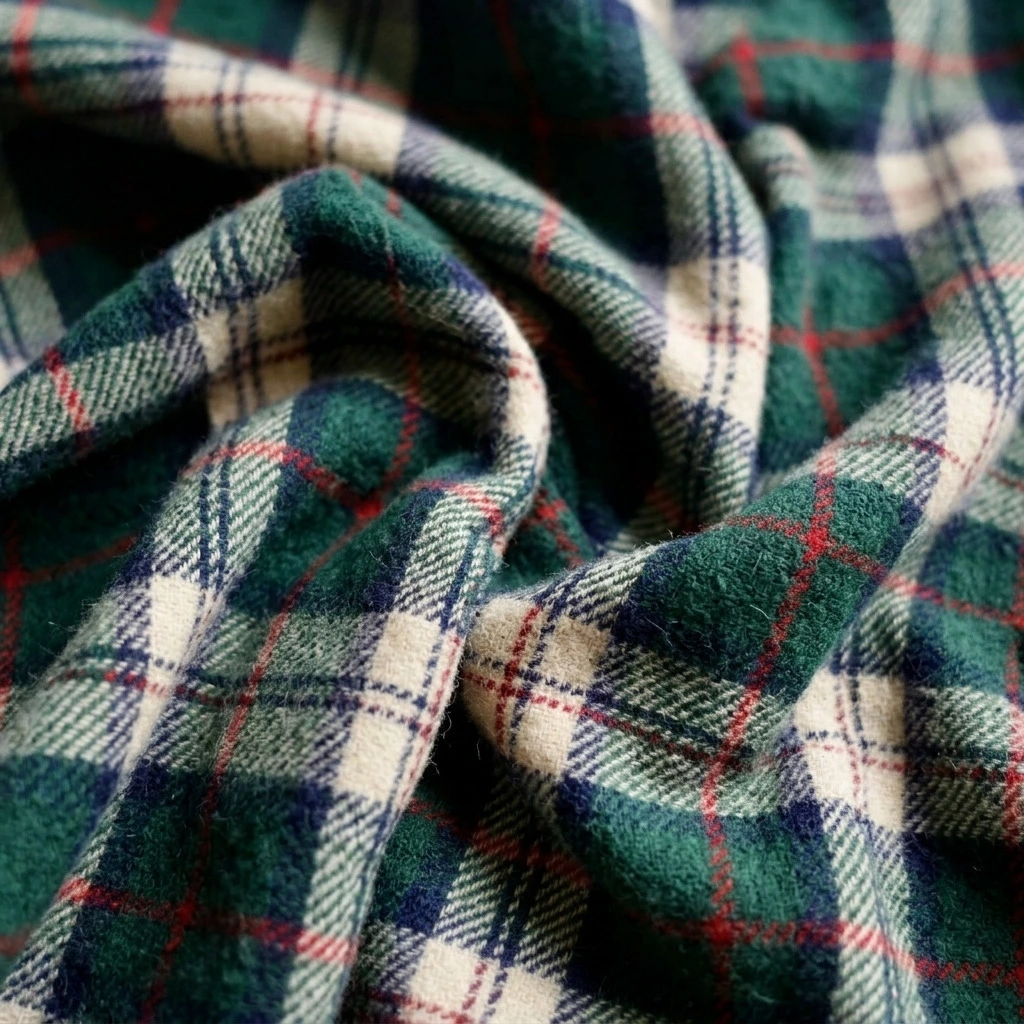
Custom T-Shirt Decoration Option
From logo decoration to private label finishing, we support a range of customization techniques for t-shirt.
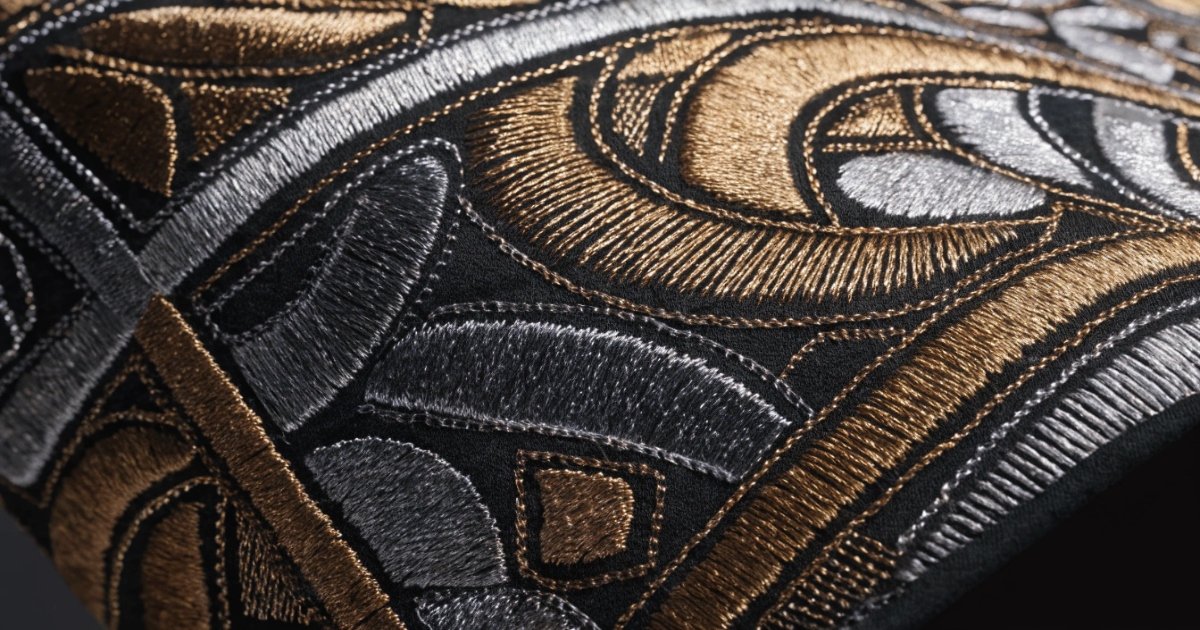
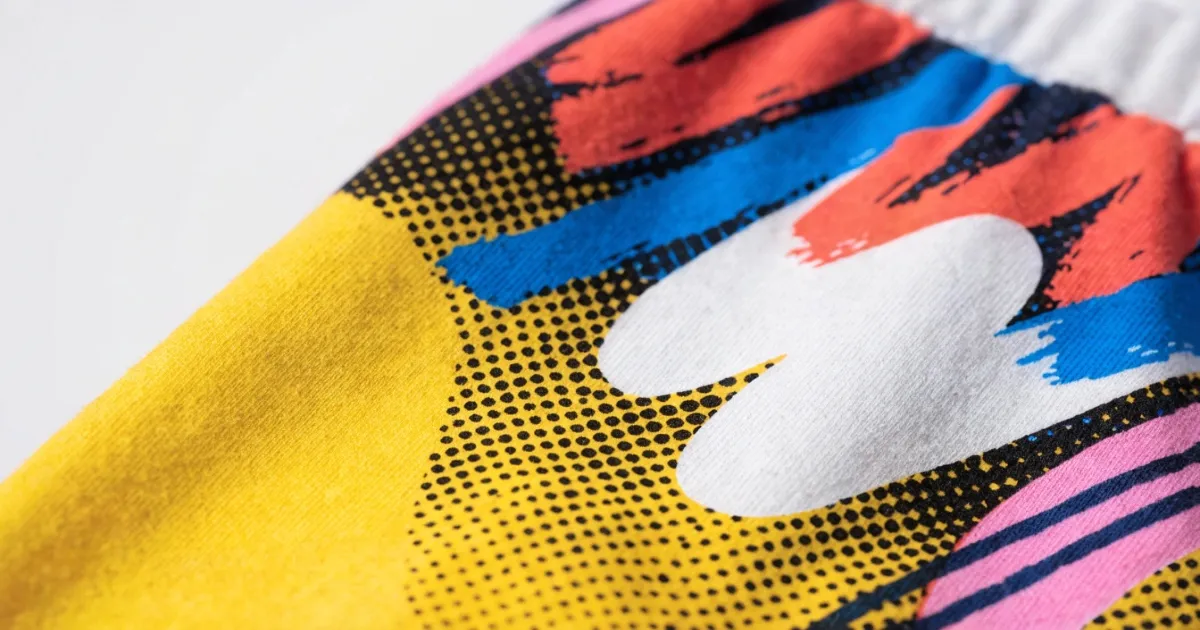
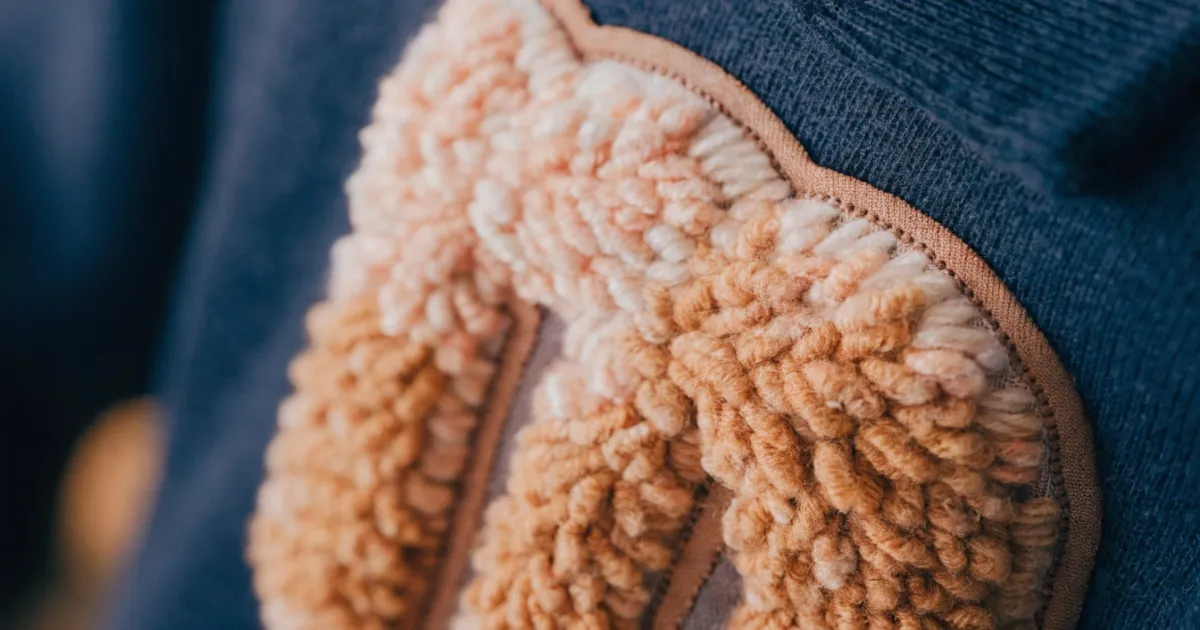
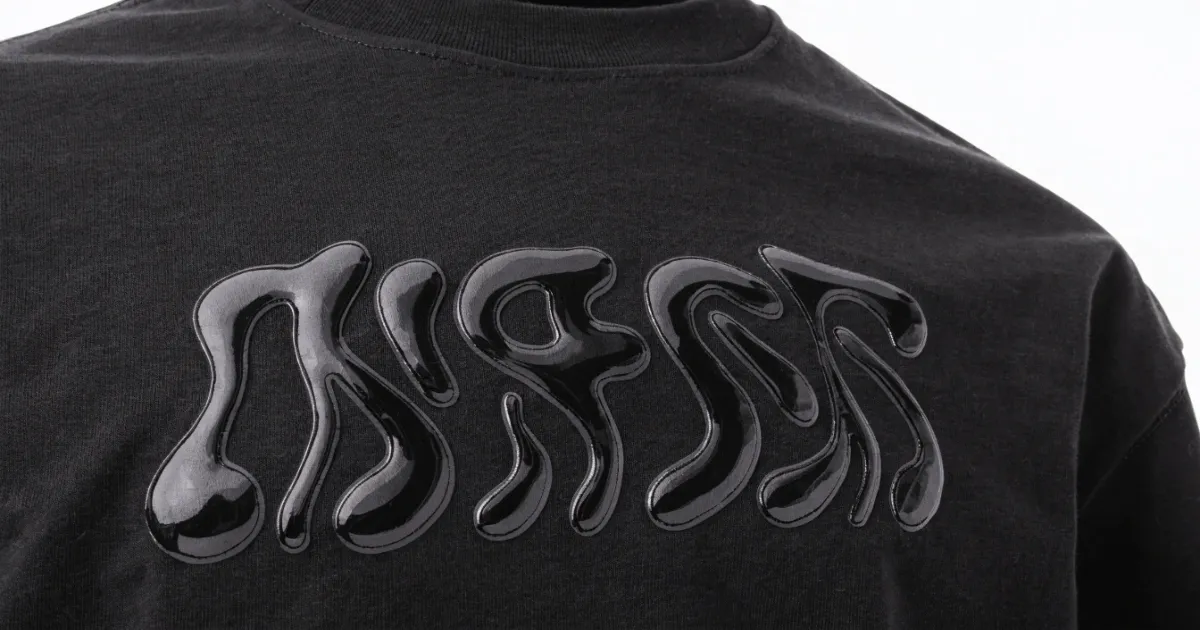
Quality Control & Production Standards
Quality control is integrated into every stage of our manufacturing process. From fabric inspection to final packaging, each custom T-shirt undergoes multiple checks to ensure it meets your approved standards.
Our quality control process covers:
Fabric quality and color consistency
Stitching strength and finishing details
Size accuracy and measurement tolerances
Final appearance and packaging inspection
This ensures every shipment meets your expectations before leaving our factory.
Ready to Start Your Brand?
High-Quality Clothing for Your Brand.At Easson Apparel, our goal is to simplify the manufacturing of your clothing, something we’ve already done for hundreds of companies. Our services are a real game-changer for startups and established businesses alike, allowing new clothing lines to be introduced quickly, effectively, and for less.
Discover Your Custom T-Shirt Possibilities
Tailored for Your Brand
Whether you need white labeling or private labeling, we’ve got you covered. Our manufacturing process allows us to subtly incorporate your brand logo and unique design elements into each high-quality t-shirt, ensuring that your collection stands out.
Printing Techniques
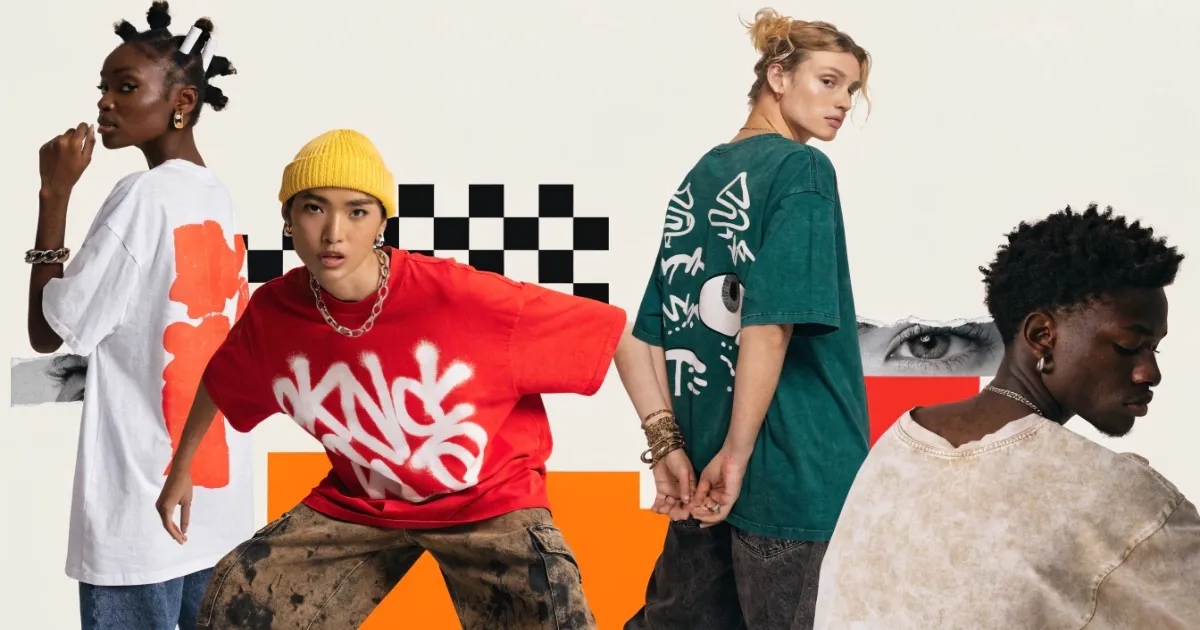
Choose from various printing methods like Direct-to-Garment (DTG) or screen printing to bring your designs to life. With our expertise, your custom artwork will be authentically applied, ensuring vivid and long-lasting prints.
Fabric Options
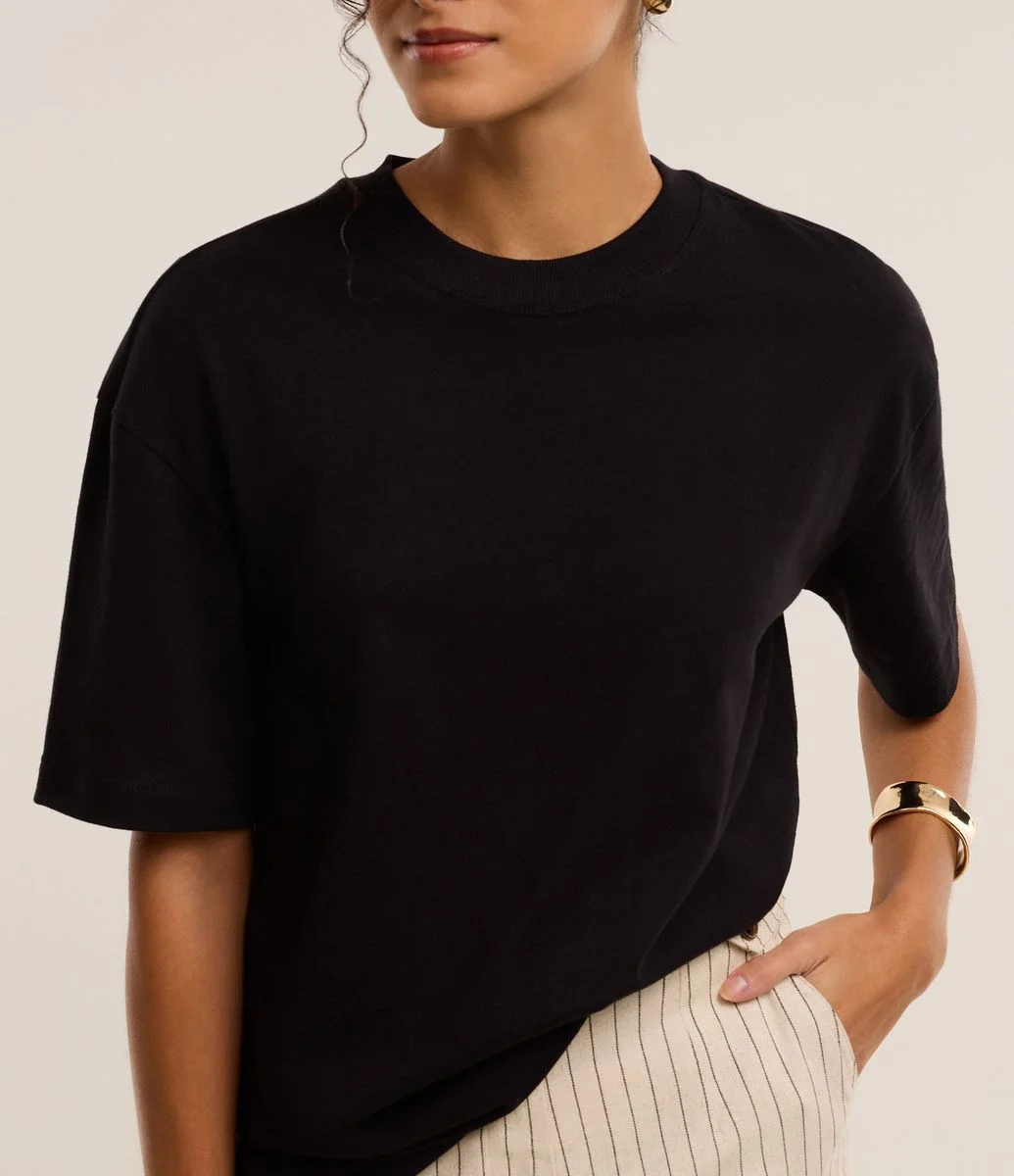
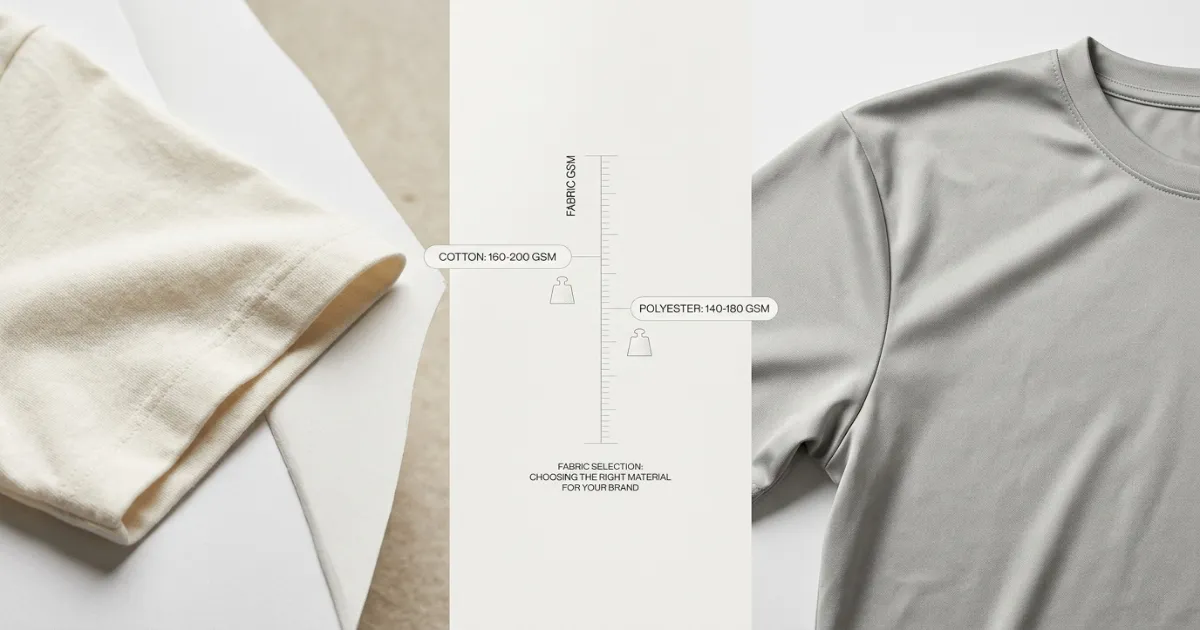
We offer a range of premium fabrics to match your design’s needs, whether it’s for comfort, durability, or seasonal wear. Whether you need lightweight cotton or eco-friendly fabrics, our custom fabric sourcing ensures the right material is chosen for your t-shirt designs.
Great Value, Guaranteed Quality
Why Choose Easson Apparel
Keep Product Development in One Place
From fabric sourcing and pattern development to printing, labels, packaging, and bulk production, we help keep your product details aligned without requiring you to coordinate multiple suppliers.
Confirm the Product Before Bulk
A sample gives you the chance to review fabric, fit, measurements, logo placement, and finishing details before bulk production begins—helping prevent costly changes later.
Start Without Overcommitting Inventory
Our standard MOQ starts at 100 pieces per design and color, helping new brands test a product or launch a focused first collection with lower inventory risk.
Keep Bulk Quality Consistent
We check key details such as fabric quality, measurements, stitching, decoration placement, labels, and packaging so the final order follows your approved sample and requirements.
Plan Your Launch With Clear Timelines
Simple samples usually take 8–12 days, while bulk production typically takes 25–35 days after sample approval. Clear requirements early on help make your production plan more predictable.
Buyer's Guide
Custom T-Shirt Manufacturing Guide for Clothing Brands
Custom T-shirt manufacturing starts with product decisions. Before evaluating manufacturers, ordering samples, or requesting a quote, a brand should clarify its intended fabric, fit, construction, and decoration. A manufacturer can help refine these choices, but discussing them early makes the development process more accurate.
Table of Contents
1.Define Your Product & Choose Manufacturing Model
Brands often begin with a mood board, a reference sample, or a target price. The next useful step is to clarify what the T-shirt should do for the wearer and what retail price it needs to support.
Before contacting any manufacturer, a clothing brand must define its T-shirt’s end-use, price tier, and target wearer. These three inputs determine the manufacturing model—whether blank + decoration, semi-custom, or full custom cut-and-sew —and they set the ceiling and floor for every specification decision that follows.
This sounds obvious. In practice, I have received inquiries where a brand wanted a “premium heavyweight streetwear tee” at a landed cost that only works for a fast-fashion basic. Those two goals may require trade-offs in fabric, construction, order quantity, or decoration. Identifying that tension early can help reduce unnecessary sampling and development costs.
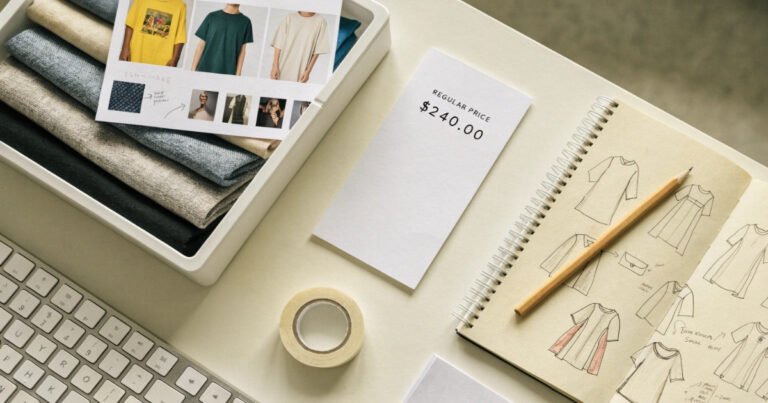
👉Three Manufacturing Models — and When Each One Makes Sense
Blank +Decoration: The brand sources a stock blank (from a wholesaler or a factory's standard range), then adds print, embroidery, or label. Fast and low-risk for early-stage brands testing a market. The tradeoff is limited control over fabric and fit, which can make product differentiation more difficult.
Semi-custo: The factory's existing block is modified—adjusted length, altered neckline, changed sleeve width. MOQ is lower, development time is shorter, but the fit is still someone else's starting point.
Full Custom cut-and-sew The brand develops its own pattern, fabric direction, and construction details, using either a suitable stock fabric or a custom-developed fabric.
For brands testing their first product, semi-custom development can reduce time and inventory risk. Full custom becomes more suitable when proprietary fit, fabric, or construction is central to the product.
What "Production Experience" Actually Means When Evaluating a Factory
A factory that produces 10,000 basic white tees a day is not the same manufacturing partner as one that regularly develops new fits, handles multiple fabric types per season, and manages decoration in-house. Ask prospective manufacturers not just about capacity, but about the range of products they have recently produced and the client profile they serve. A factory optimized for promotional uniforms may be able to produce a heavyweight streetwear tee, but it may not be the best fit for a design-led product that requires close control of fit, fabric, and finishing.
2.One System: Fabric, Fit, Construction, and Decoration
One common development challenge is changing the fabric after the fit has been established. For example, moving from a 220gsm combed cotton to a 180gsm carded alternative can change the drape, structure, and seam behavior even when the measurements remain the same. Fabric influences how a fit looks and feels, so the two should be developed together.
Fabric, fit, construction method, and decoration must be developed as an integrated system. Changing one variable after the others are set may require the remaining specifications to be reviewed. Brands that treat these as sequential, independent decisions will experience sampling failures that are actually specification failures in disguise.
Fabric: The Decision That Constrains Everything Else
When a client shows me a reference sample and says they want it in a different fabric, I ask four questions before anything else:
- What is the weight of the reference fabric in grams per square meter?
- What is the stretch percentage on the crossgrain?
- How does the fabric behave at the neckline—does it hold its shape or does it relax?
- What is the expected wash and wear lifecycle for this product?
These are not technical questions for their own sake. They are commercial questions. A 240gsm French terry and a 280gsm fleece-back jersey can look nearly identical on a flat lay. They perform completely differently on a body, and they require different patterns to achieve the same visual silhouette.
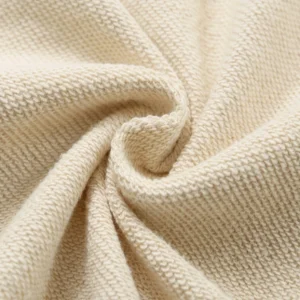
| Fabric Variable | What It Affects | Brand-Level Consequence |
|---|---|---|
| GSM (weight) | Drape, structure, perceived quality | Price tier perception; suitability for cut |
| Fiber composition | Hand feel, shrinkage, wash behavior | Post-wash fit consistency; care label claims |
| Knit structure | Stretch recovery, surface texture | Pattern block requirements; decoration compatibility |
| Yarn quality (combed vs. carded) | Surface smoothness, pilling resistance | Print clarity; garment longevity |
Fit: Pattern Development Is Not the Same as Size Grading
These two stages are sometimes confused, but they solve different problems. Pattern development is the creation of the shape and proportion of the garment—where the shoulder sits, how the armhole is curved, what the chest-to-waist ratio looks like. Size grading is the mathematical scaling of that pattern across a size run.
A capable factory can grade an approved pattern, but the accuracy of the result still depends on the base pattern, grade rules, and fit approval. If the underlying block has a dropped shoulder designed for a 220gsm jersey and is produced in a 260gsm heavyweight fabric, the sleeve pitch may feel different because the heavier fabric does not drape in the same way.
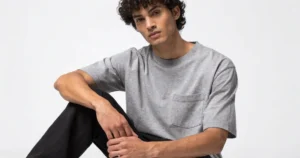
Construction: The Details That Separate Products at Retail
For a T-shirt, construction quality lives in three places:
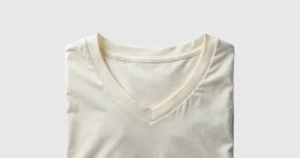
- Neckline finish: A lighter rib may affect neckline stability, but shape retention also depends on the rib structure, density, elastane content, stretch recovery, finishing, and sewing tension. Specify the rib construction, GSM range, fold depth, and stitch type during development.
- Seam type: Flatlock seams are more comfortable against the skin for athletic wear; overlocked seams are more common in lifestyle tees. Neither is universally better—but switching one for the other mid-development changes cost and feel simultaneously.
- Hem and sleeve finish: A coverstitched or twin-needle hem is common in many quality T-shirts, but the best finish depends on the fabric, design, and intended use. A raw hem works for specific aesthetic directions but requires the right fabric weight to avoid excessive curl.
Decoration: Last in Sequence, Not Last in Importance
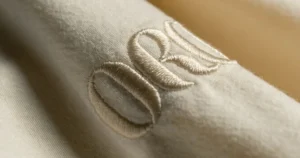
Every decoration method interacts with the fabric beneath it. Screen printing on a heavily textured fabric produces a different hand-feel result than printing on a smooth surface. DTG generally performs best on cotton-rich fabrics with a smooth, stable surface. Blended fabrics may also be suitable, but print quality depends on the fiber mix, fabric color, surface, pretreatment, and ink system, so the chosen fabric should be tested before the method is approved. Embroidery on a lightweight fabric needs backing or stabilizer to prevent the panel from puckering under thread tension.
It is useful to confirm the decoration method before finalizing the fabric specification, rather than treating decoration as a later decision. A streetwear brand planning large-format chest prints in plastisol will make different fabric choices than a brand planning tone-on-tone embroidered logo work.
3.Prepare a Quote-Ready and Sample-Ready Specification
A manufacturer can provide a preliminary estimate from a brief such as “100% cotton T-shirt, oversized, with a chest logo,” but the price may change once the fabric, measurements, decoration, and branding details are confirmed. Without those details, the initial number may not reflect the actual product the brand wants.
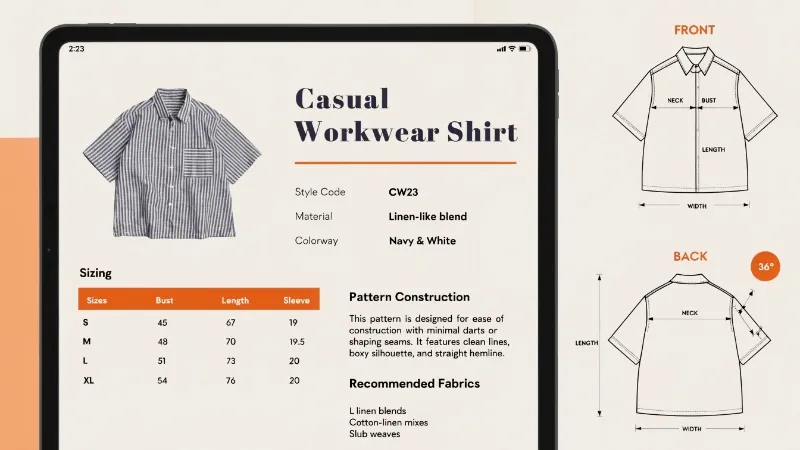
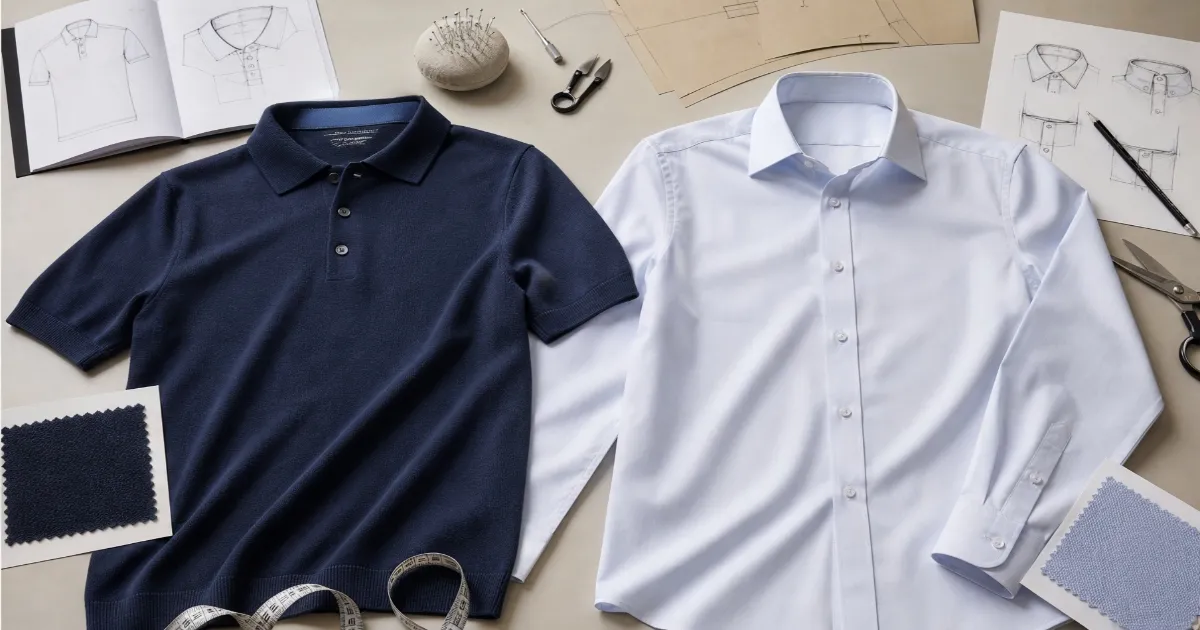
A quote-ready and sample-ready T-shirt specification includes: fabric composition, weight, and source (or approved equivalent), a technical flat sketch with labelled measurements, construction details for neckline, seams, and hem, decoration method and placement, labeling and packaging requirements, and target order quantity. Clearer specifications make the quotation more reliable. If key details remain open, the price may need to be revised as development progresses.
What Belongs in a T-Shirt Tech Pack
A brand does not need a formal tech pack to begin a conversation with a factory. A complete tech pack is helpful before sampling, but it is not always required for the first development sample. A reference garment, clear measurements, fabric direction, artwork, and target quantity may be enough to begin. A usable T-shirt tech pack includes:
- Technical flat sketch: front, back, and detail views with callouts for construction
- Measurement chart: all key points of measure (POM) in a finished-garment size, with tolerance ranges specified
- Fabric specification: GSM range, fiber composition, knit structure, and any finish (pre-shrunk, enzyme washed, etc.)
- Color specification: Pantone references or approved physical swatch, not a JPEG
- Decoration details: artwork file, placement in measurements from a seam or edge, color count for print, thread color for embroidery
- Label and packaging: neck label type (woven, printed, or heat transfer), hangtag, polybag fold, and carton pack quantity
4.Use Sampling to Remove Bulk-Production Risk
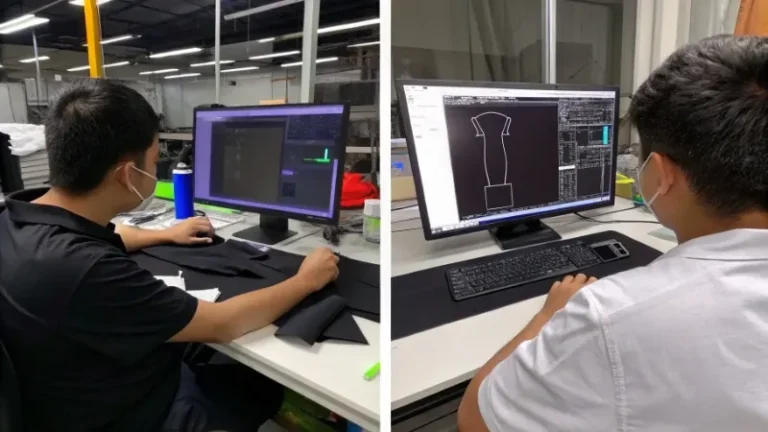
For a new or more complex custom T-shirt, two or more sample rounds may be needed before the fit and construction are ready for bulk production. The first sample tests the pattern and fabric behavior, while later samples confirm corrections. When production-intent fabric and trims are available, a pre-production sample can provide an additional check before bulk cutting begins.
Why Brands Underestimate Sampling
The most common reason brands underestimate sampling is that they conflate “the sample looks right” with “the specification is locked.” These are different things. A sample can look right on a fit model and still have an unstable neckline that will distort after three washes. A print can look vibrant in the sample and come out dull in bulk because the factory switched to a different ink batch.
Sampling serves three distinct functions that brands should evaluate separately:
- Pattern and fit validation: Does the silhouette match the design intent on an actual body?
- Material and construction verification: Does the fabric behave as expected? Do the seams lie flat? Does the neckline hold its shape?
- Decoration accuracy: Does the print placement, color, and scale match the approved artwork?
Each of these can pass independently and still fail in combination. A sample where all three pass simultaneously, and in the actual bulk fabric, is one of the strongest bases for a production commitment.
Why a Pre-Production Sample Is Especially Important for New Styles
For new or fabric-sensitive styles, skipping a pre-production sample can increase the risk that differences in the production-intent fabric, dye lot, or trims are discovered after cutting begins. Fabric is not perfectly consistent across dyeing lots. The fabric a factory samples in may not be the same lot that ships for bulk. Requesting a pre-production sample before bulk cutting begins can be a practical way to reduce production risk.
5. Balance Cost, MOQ, Lead Time, and Manufacturer Reliability
Every brand eventually faces the same four-variable equation: cost, minimum order quantity, lead time, and manufacturer reliability. These four variables are not independent. Optimizing aggressively for any one of them will degrade at least one of the others.
Custom T-shirt manufacturing cost is determined by fabric specification, construction complexity, decoration method, and order volume. A lower MOQ can increase the unit cost, while a compressed lead time can leave less room for quality checks and corrections. If a brand chooses a manufacturer based on price alone, it may later face additional sampling, correction, or quality-control costs.
How to Read a Quote Without Being Misled
A T-shirt unit price is difficult to interpret without context. Brands should compare quotes only when the fabric, quantity, construction, decoration, branding, packaging, and shipping terms are aligned. Brands should evaluate quotes against a confirmed specification, not against each other.
MOQ Is a Signal, Not Just a Number
A low MOQ does not prove that a factory is better or less capable. MOQ usually reflects fabric minimums, dye-lot requirements, decoration setup, trims, and the production scale a factory is designed to handle.
At Easson Apparel, the usual MOQ starts at 100 pieces per design and color. Smaller quantities may be discussed for some projects, but the unit cost is generally higher.
What Manufacturer Reliability Actually Means
Reliability is not the same as capacity. A large factory with high capacity can still be unreliable for a small brand if the brand’s orders are deprioritized during peak season. Reliability, in a practical sense, means:
- Samples are delivered within the quoted sample lead time
- Specifications are documented and referenced at every production stage
- Problems are communicated proactively, not disclosed after the fact
- Bulk production matches the approved pre-production sample within agreed tolerances
Before committing to a manufacturer for a first bulk order, a brand should complete at least one full sample round with that factory. The way a factory handles sampling—how it responds to correction requests, how it documents changes, how it communicates delays—is a useful early indication of how the factory may handle bulk production.
6.Conclusion
Custom T-shirt manufacturing is not complicated because T-shirts are complex garments. It is demanding because simplicity magnifies every decision. There is no excess detail to absorb a wrong fabric choice, no styling complexity to distract from an unstable neckline, and no decoration volume to compensate for a fit that missed the market. Brands that understand this go into the development process with more discipline—and come out with products that actually hold.
The sequence matters: define the product and model first, develop fabric and fit as a system second, build a complete specification before sampling, use sampling to negotiate between design intent and material reality, and evaluate manufacturers against all four variables—cost, MOQ, lead time, and reliability—simultaneously, not in isolation.
If you are developing or refining a custom T-shirt collection and want support with your specification, contact our team to start with a product review.
Feature Article
Frequently Asked Questions
What is your MOQ for custom T-shirts?
Our standard MOQ for custom T-shirts is usually 100 pcs per style or color. For simple styles or available fabrics, lower MOQ may be discussed depending on fabric, color, size range, printing, embroidery, labels, and packaging requirements.
How long does custom T-shirt sampling and bulk production take?
Simple T-shirt samples usually take 8–12 days after fabric, artwork, and size details are confirmed. Bulk production usually takes around 25–35 days after sample approval, depending on order quantity, fabric availability, printing, embroidery, and packaging details.
What fabrics and GSM do you recommend for custom T-shirts?
For most custom T-shirts, 180–220gsm cotton or cotton-blend jersey is a practical range. Lightweight T-shirts can use lower GSM, while premium oversized or streetwear T-shirts often use 220gsm or higher for better structure and handfeel.
How much does it cost to get T-shirts embroidered?
For an order of 100 pcs, the embroidery cost for a custom T-shirt is usually around $12–$15 per piece. The final price depends on embroidery size, stitch density, logo complexity, placement, fabric weight, and T-shirt GSM. Please send us your logo file, embroidery size, placement, fabric details, and quantity for an accurate quote.
Contact us
Contact us today to discuss your bespoke apparel needs. You can email us at support@eassonapparel.com or use the form here.