
Shorts Manufacturer
Easson Apparel: Your One-Stop Custom Shorts Manufacturer
Easson Apparel helps clothing brands develop custom shorts from fabric sourcing and sample making to printing, embroidery, private labels, bulk production, and global shipping. We support mesh shorts, sweat shorts, casual shorts, cargo shorts, and performance shorts with flexible MOQ for growing brands.
Types of Shorts We Produce
We use premium-grade materials to create high-end shorts with incredible durability and softness. We deliver unique and well-designed custom shorts that match your bespoke specifications.
Here are our customer favorites:
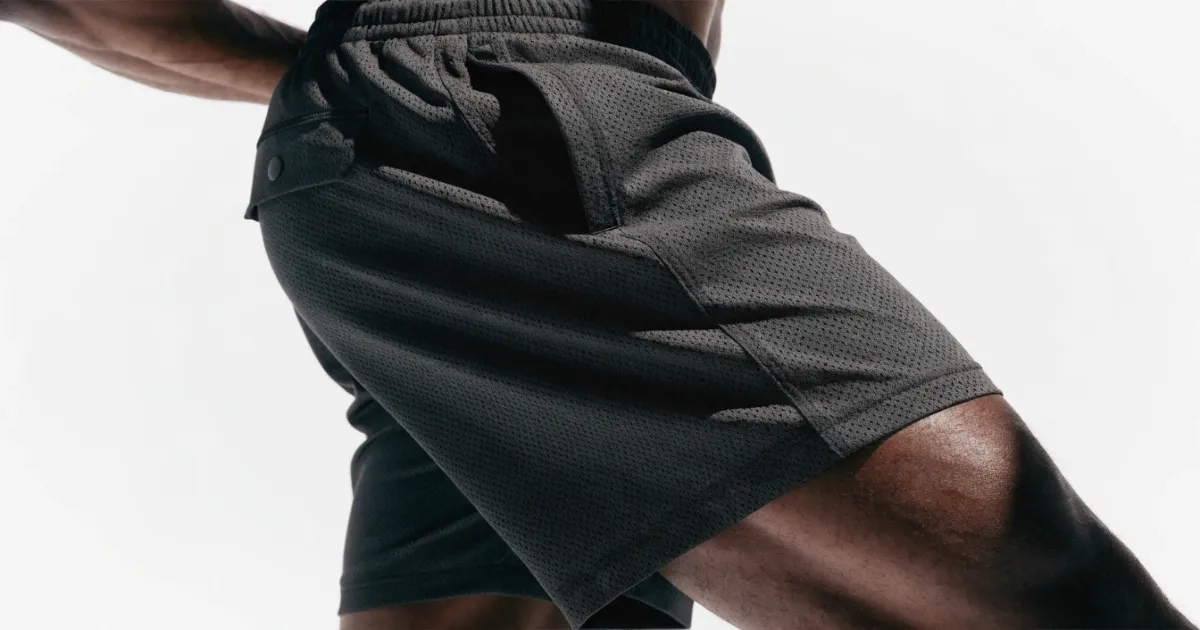
Custom Mesh Shorts
With breathable and comfortable features, our custom mesh shorts can be personalized to reflect your brand—in any way you deem fit. Plus, we design them to keep your consumers aerated during workouts and intense activities.
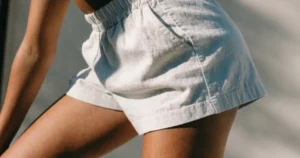
Casual Shorts
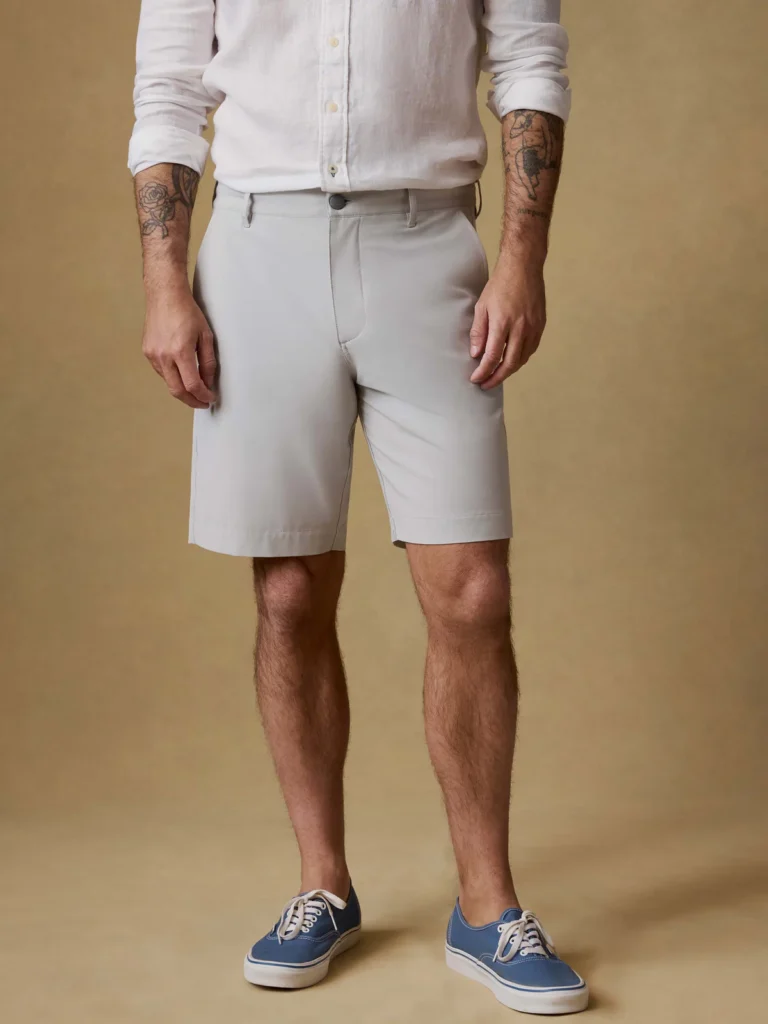
Easy-to-wear shorts designed for everyday, streetwear, resort, and lifestyle collections. We support custom fabrics, fits, colors, pockets, drawstrings, logos, and private label details.
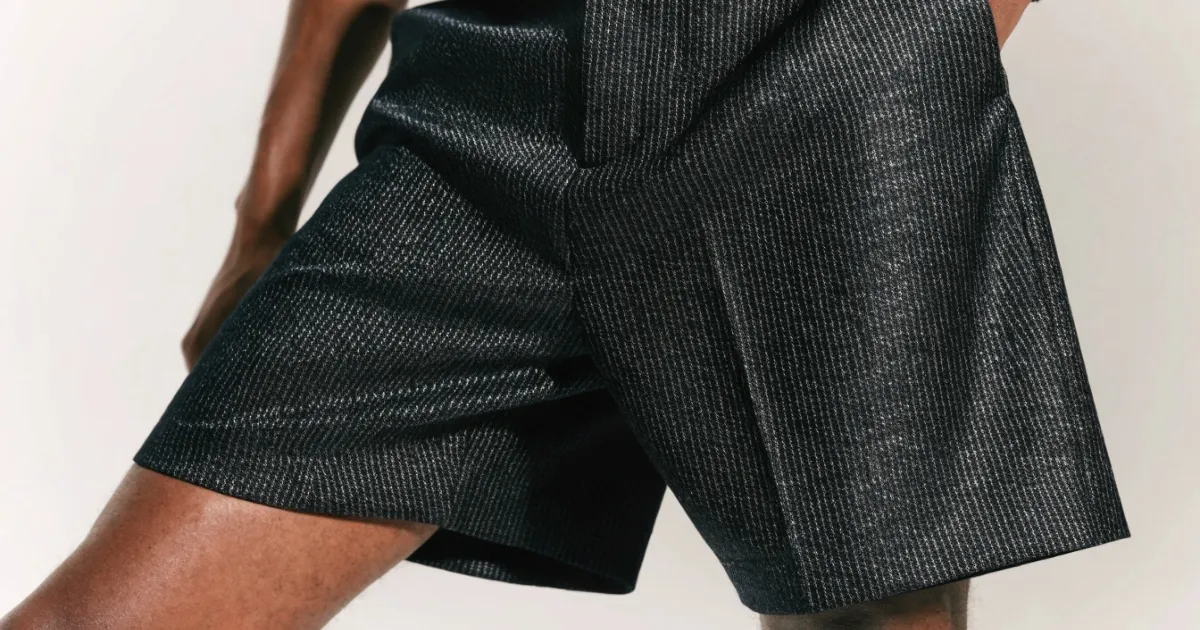
Men’s Luxury Shorts
Sophistication and elegance are synonymous with our men’s luxury shorts, which are meticulously crafted with exquisite detailing and premium materials.
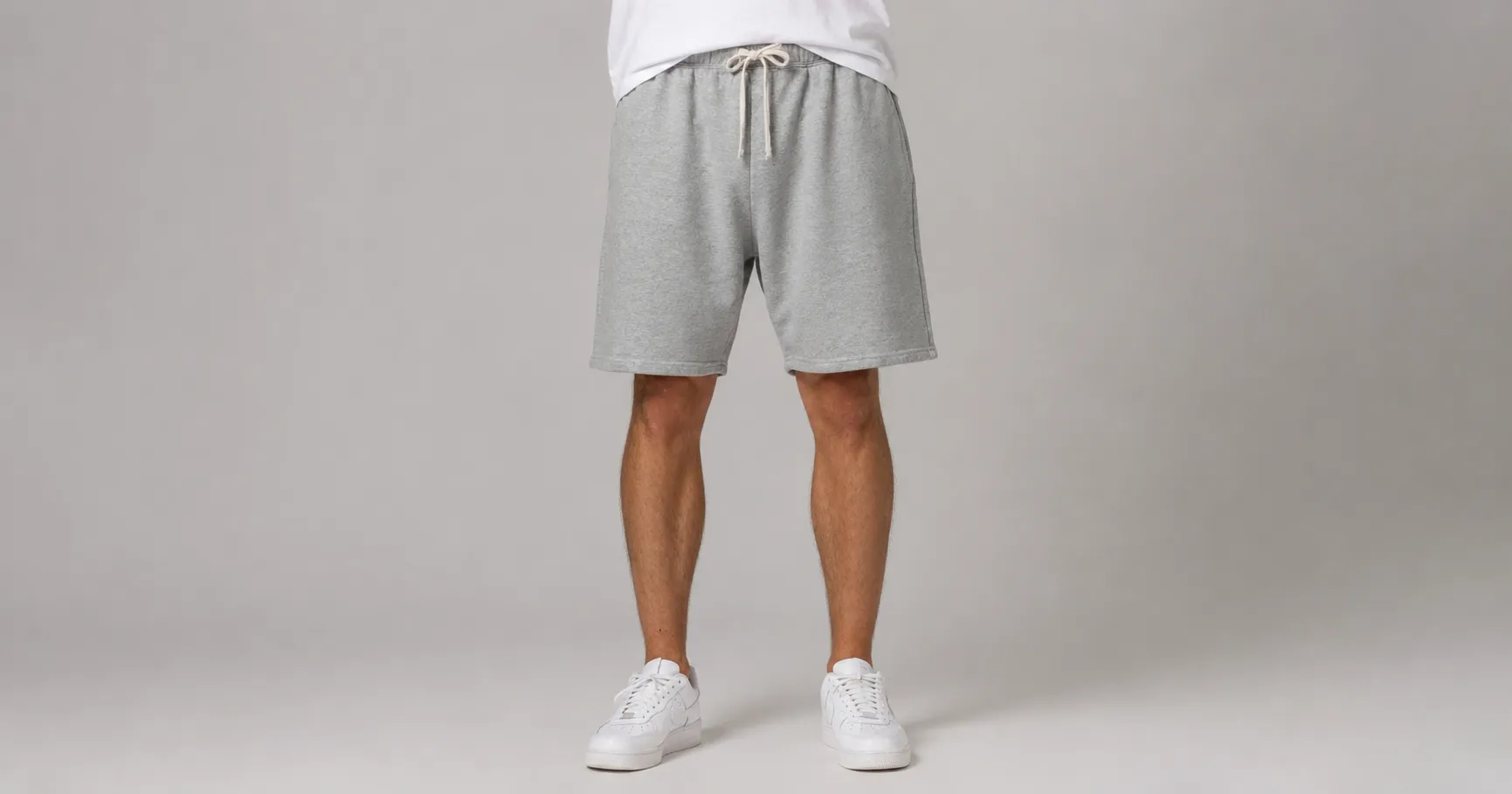
Sweat Shorts
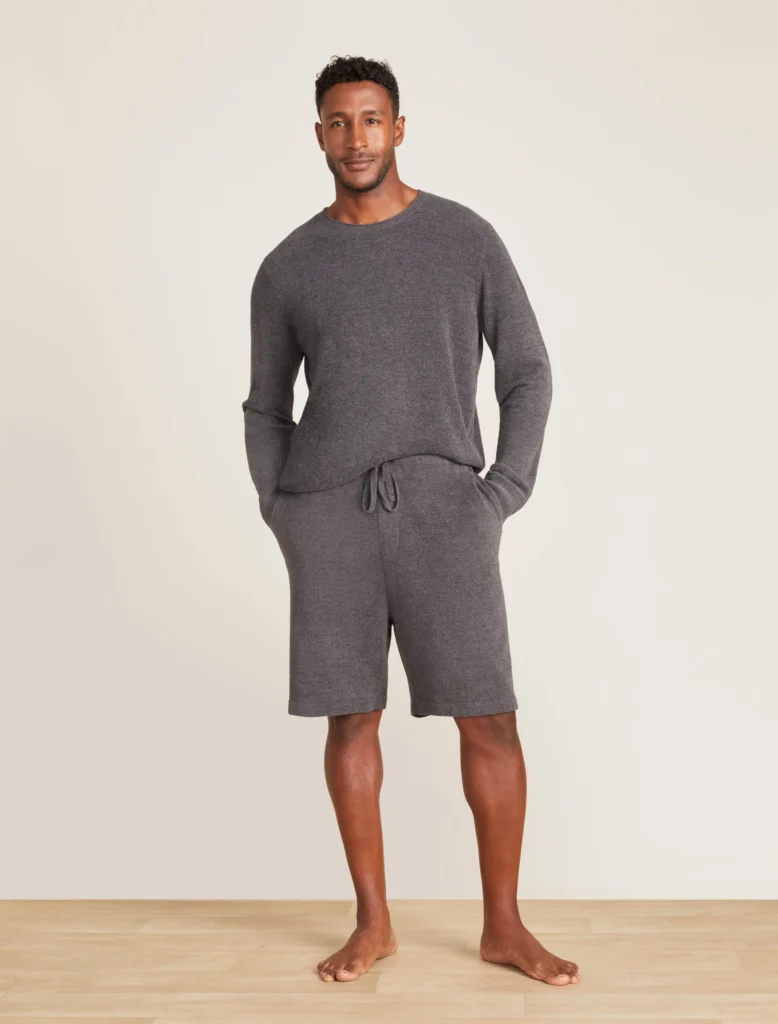
Soft, breathable knit shorts designed for casualwear, athleisure, and relaxed streetwear collections. We support custom fabrics, fits, colors, waistbands, and private label details for your brand.
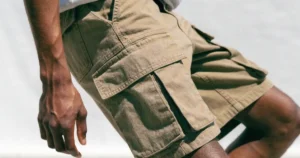
Cargo Shorts
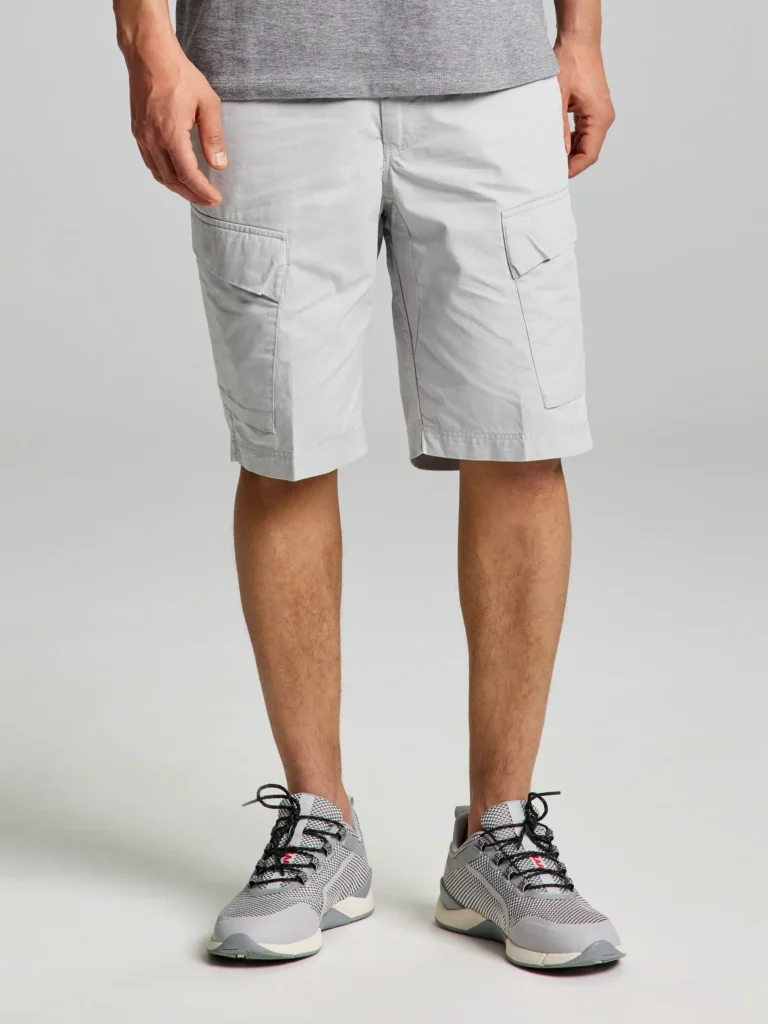
Functional shorts with utility pockets, ideal for streetwear, outdoor, workwear-inspired, and casual collections. We support custom fabrics, pocket layouts, colors, trims, logos, and private label details.
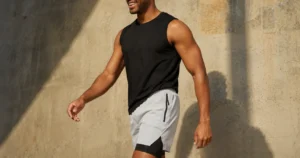
Athletic Shorts
Performance-focused shorts for gym, running, and activewear brands, with custom fabric, fit, pockets, liner, and logo options.
Custom Shorts Decoration & Finishing Options
From logo decoration to functional details, we support a range of customization techniques for sweat shorts, athletic shorts, casual shorts, and cargo shorts. Our team can help you choose the right process based on fabric, design, budget, and bulk production requirements.
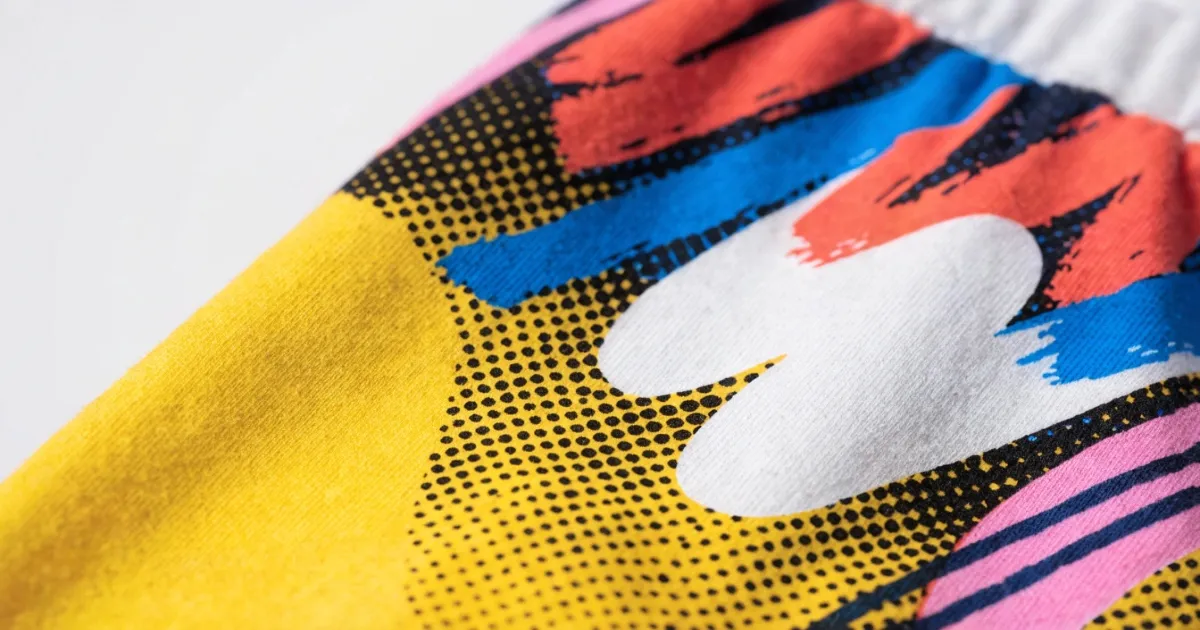
Screen Printing
Ideal for bold logos, graphics, and simple artwork on casual shorts and sweat shorts. A cost-effective choice for bulk production.
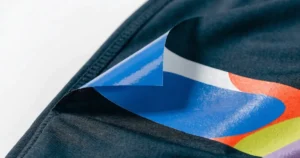
DTF / Heat Transfer
Suitable for colorful logos, small-batch designs, and detailed graphics. A flexible option for startup brands and private label collections.
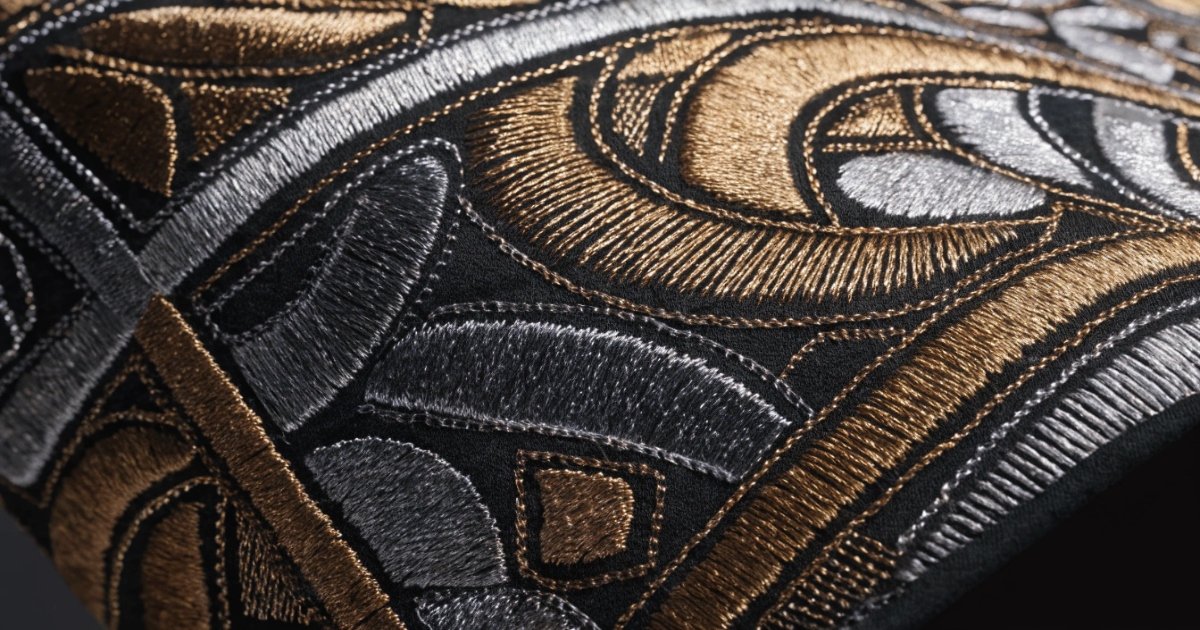
Embroidery
Adds a premium and durable finish to logos, badges, and brand marks. Works well for sweat shorts, casual shorts, and lifestyle collections.
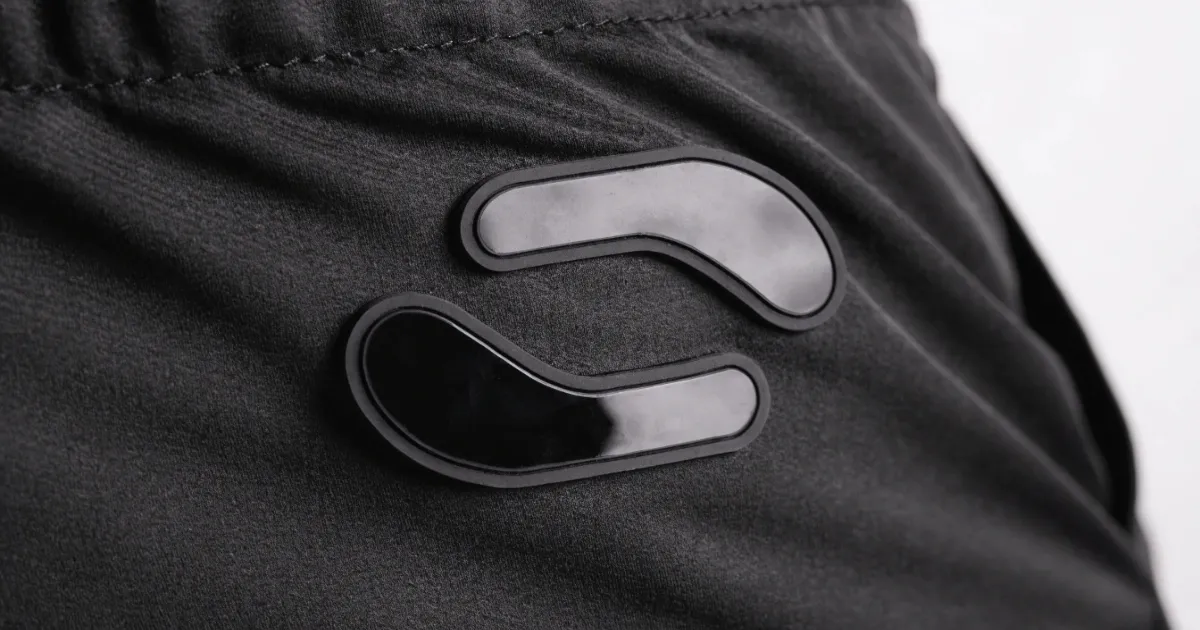
Rubber Patch / Woven Patch
A strong branding option for cargo shorts, streetwear shorts, and outdoor-inspired styles. Custom shapes, colors, and logo details are available.
Zipper Pockets & Functional Trims
We support custom zipper pockets, drawstrings, eyelets, waistbands, and trims to improve both function and product identity.
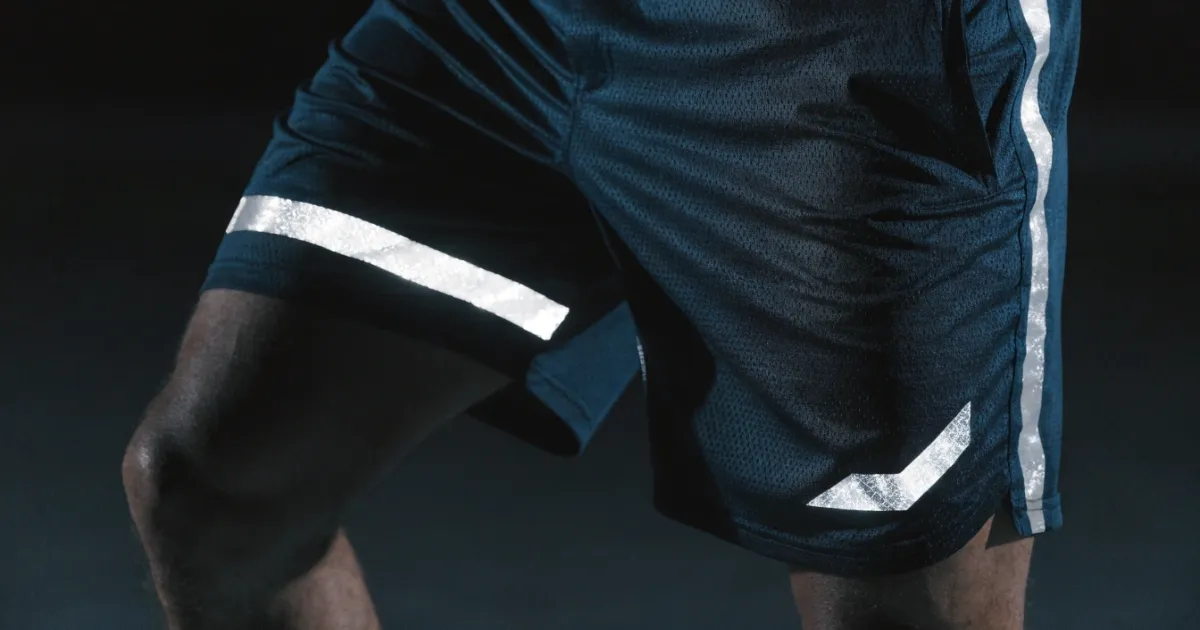
Reflective / Performance Details
Reflective prints, contrast panels, and performance details can be added to athletic shorts for running, training, and activewear collections.
Quality Control & Production Standards
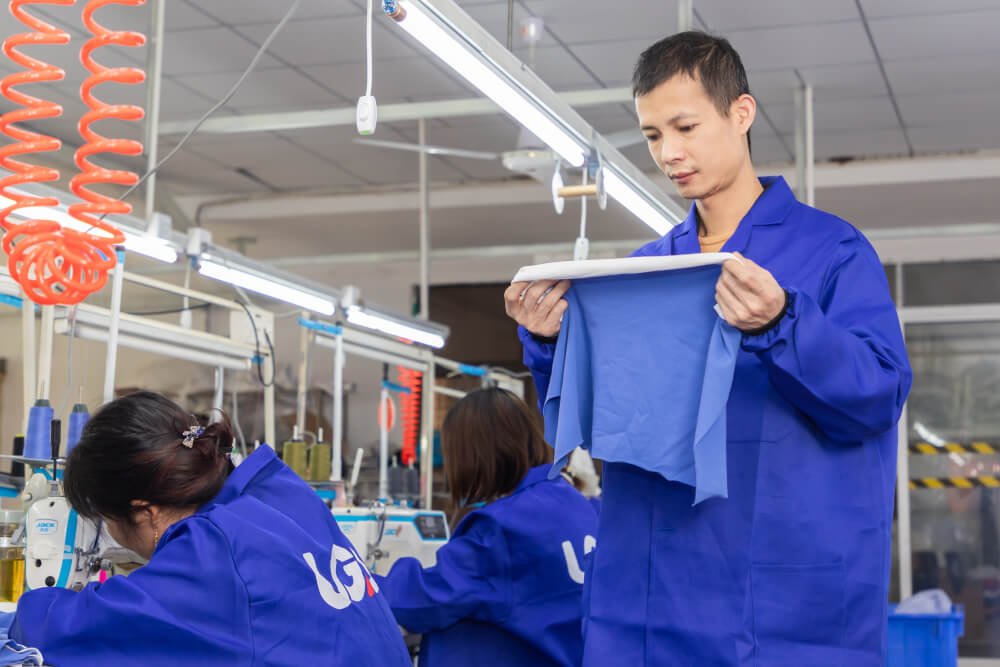
Quality control is integrated into every stage of our manufacturing process. From fabric inspection to final packaging, each polo shirt undergoes multiple checks to ensure it meets your approved standards.
Our quality control process covers:
Fabric quality and color consistency
Stitching strength and finishing details
Size accuracy and measurement tolerances
Final appearance and packaging inspection
This ensures every shipment meets your expectations before leaving our factory.
Ready to Start Your Brand?
High-Quality Clothing for Your Brand. At Easson Apparel, our goal is to simplify the manufacturing of your clothing, something we’ve already done for hundreds of companies. Our services are a real game-changer for startups and established businesses alike, allowing new clothing lines to be introduced quickly, effectively, and for less.
Great Value, Guaranteed Quality
Why Choose Easson Apparel
Keep Product Development in One Place
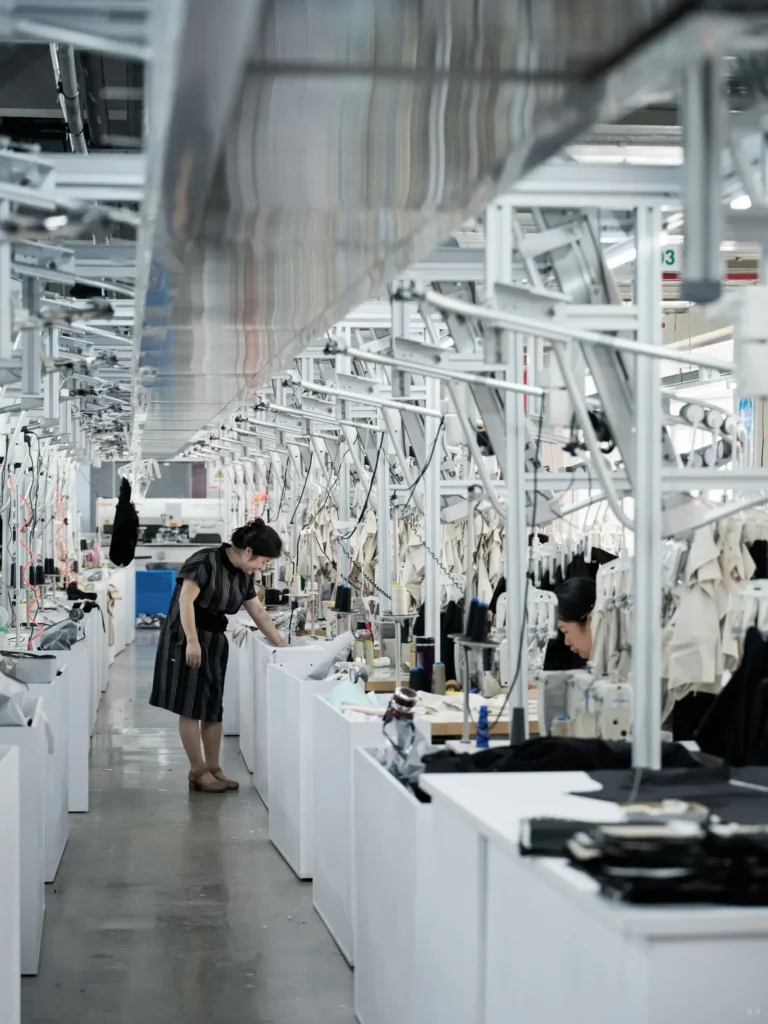
From fabric sourcing and pattern development to printing, labels, packaging, and bulk production, we help keep your product details aligned without requiring you to coordinate multiple suppliers.
Confirm the Product Before Bulk
A sample gives you the chance to review fabric, fit, measurements, logo placement, and finishing details before bulk production begins—helping prevent costly changes later.
Start Without Overcommitting Inventory
Our standard MOQ starts at 100 pieces per design and color, helping new brands test a product or launch a focused first collection with lower inventory risk.
Keep Bulk Quality Consistent
We check key details such as fabric quality, measurements, stitching, decoration placement, labels, and packaging so the final order follows your approved sample and requirements.
Plan Your Launch With Clear Timelines
Simple samples usually take 8–12 days, while bulk production typically takes 25–35 days after sample approval. Clear requirements early on help make your production plan more predictable.
The Benefits for Your Brand
Choose Easson custom short to enhance your brand image with a unique design and reliable quality.
Enhance Brand Image
To enhance your brand image, you can customize your short with your brand or company logo. We offer a variety of printing methods and support embroidery patterns, which are perfect for making trousers or other custom short collections.
Diversified Choices
Our own unique fabrics and advanced printing and embroidery technology help your brand make more unique custom short.
Excellent Quality
We will do a strict quality check on every batch of shorts of your order so that you will receive the goods without any quality problems.
Buyer's Guide
Custom Shorts Manufacturing Guide for Clothing Brands
Starting custom shorts production without the right groundwork is one of the most expensive mistakes a young clothing brand can make. Incomplete briefs lead to failed sampling rounds, blown timelines, and wasted budget — before a single unit ships. This guide walks you through what actually needs to happen before, during, and after you approach a manufacturer.
Custom shorts manufacturing requires a sequence of decisions — fabric direction, fit specification, sampling workflow, and MOQ structure — before production can begin. Brands that prepare this information in advance move faster, spend less on revisions, and build a stronger supplier relationship from day one. Brands that skip these steps often spend more time clarifying requirements and revising samples.
Table of Contents
- 1.What to Prepare Before Contacting a Shorts Manufacturer
- 2.How to Choose the Right Fabric and GSM for Custom Shorts
- 3.Why Sampling and Wear Testing Must Come Before Bulk Production
- 4.What Affects Custom Shorts Manufacturing Costs
- 5. 5 Ways to Evaluate a Shorts Manufacturer
- 6.Common Production Mistakes to Avoid
- 7.Conclusion
1.What to Prepare Before Contacting a Shorts Manufacturer
Many first-time brands approach manufacturers with a visual concept and a logo but without a usable production brief. This creates a slow, expensive back-and-forth that could be avoided with 30 minutes of preparation.
clear use case for the product
Define whether the shorts are designed for training, everyday wear, streetwear, or resort use, as this determines the required fabric, fit, pockets, liner, and construction details.
target retail price
Your intended retail price helps set a realistic target cost and guides decisions on fabric weight, trims, decoration, and overall construction complexity.
intended market
Consider where and to whom you will sell, since climate, sizing expectations, labeling requirements, and price sensitivity can vary by market.
reference garment or a detailed tech sketch
A physical reference or measured technical sketch gives the manufacturer a clear basis for developing the pattern, confirming proportions, and reducing avoidable sample revisions.
One more thing to clarify early: MOQ structure varies by manufacturer. Confirm whether the minimum applies per style, color, fabric, or decoration method before planning your first range. For example, a 100-piece MOQ may be calculated per style, per color, or across approved colorways, depending on the factory and fabric program. Confirm the structure before finalizing your range. This distinction changes how you plan your range and your budget significantly.
2.How to Choose the Right Fabric and GSM for Custom Shorts
Fabric selection is not an aesthetic decision — it’s a commercial one. The wrong fabric choice creates a product that doesn’t perform in its intended context, doesn’t hit its cost target, or doesn’t land with the right customer.
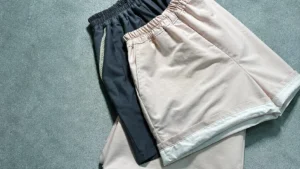
Choose shorts fabric based on use case first, then GSM (grams per square metre) range, then fiber composition. Many athletic shorts use lightweight polyester or nylon fabrics. When stretch is required, the fabric usually includes elastane. The right fabric weight depends on the activity, opacity requirement, liner, and intended hand feel. Casual and streetwear shorts typically use 240–320 GSM cotton French terry or heavy fleece for structure and hand feel.
Here’s how we frame fabric decisions with clients in our factory:
| Use Case | Recommended Fabric | Typical GSM Range | Key Property |
|---|---|---|---|
| Athletic / Performance | Polyester or nylon blend | 130–180 GSM | Stretch, moisture-wicking |
| Casual / Everyday | Cotton jersey or twill | 200–260 GSM | Comfort, breathability |
| Streetwear / Heavyweight | French terry, fleece | 280–340 GSM | Structure, weight, hand feel |
| Resort / Swim-adjacent | Quick-dry woven polyester or nylon | Confirm with supplier | Quick-dry, colour retention |
A practical note on GSM: Heavier GSM reads as premium in hand but raises fabric cost per unit and shipping weight. A 320 GSM cotton fleece short costs meaningfully more to produce and ship than a 260 GSM version. If your margin is tight, that difference matters.
If you have a competitor product you want to match or exceed, bring it — or send it. In our experience, one reference garment tells us more about your direction than a three-page brief without measurements.
3.Why Sampling and Wear Testing Must Come Before Bulk Production
Sampling is where brands most commonly try to save time and money — and where they most commonly lose both. Skipping or rushing the sampling stage greatly increases the risk that bulk production will not match your expectations.
Sampling before bulk production lets you verify fit, fabric hand feel, construction quality, and trim function before you commit to volume. Wear testing — actually putting the garment through movement, washing, and real use — catches issues that a visual inspection never will: seam stress, waistband roll, pocket bag depth, and colour fastness under repeated wash.
What the Sampling Cycle Actually Looks Like
A realistic sampling workflow for custom shorts typically involves:
Proto sample (S1)
First interpretation of the spec or reference garment. Establishes silhouette and proportion. Often uses a substitute fabric if the production fabric isn’t confirmed yet.
Fit sample (S2)
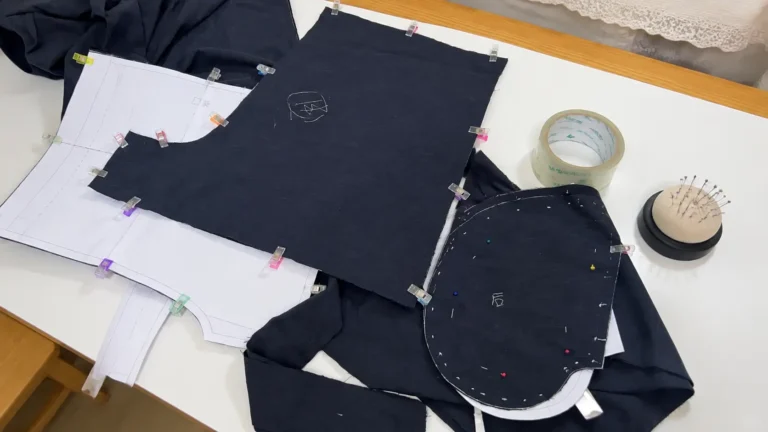
Revised based on client feedback. Uses production-adjacent fabric. This is where measurements get confirmed.
Pre-production sample (PP sample)
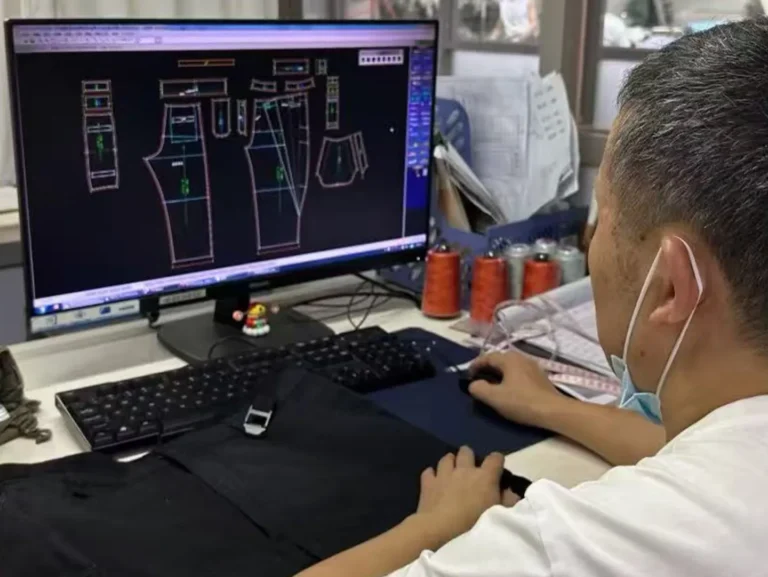
Final approved version in production fabric, trims, and labels. This is the sample that gets signed off before bulk cutting begins.
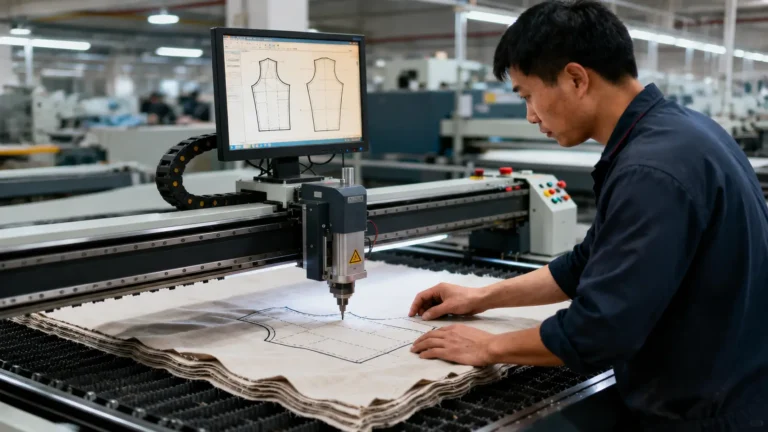
Vague fit language is a common cause of revision loops between S1 and S2. We regularly work with streetwear brands who specify “relaxed fit” or “oversized” without a single measurement. Those words mean something different to every designer and every factory.
What usable fit information actually looks like:
- A reference garment with key measurements annotated (waist, hip, thigh, inseam, outseam)
- A body measurement chart with your target fit model size
- A tech sketch with finished garment measurements, not body measurements
4.What Affects Custom Shorts Manufacturing Costs
Pricing for custom shorts is not a fixed number — it’s an output of a set of variables. Understanding those variables helps you make better trade-offs rather than just negotiating the unit price down.
Main Cost Drivers to Evaluate
1️⃣Fabric cost per metre and yield
Heavier fabrics cost more and may require more material per unit due to shrinkage allowances.
2️⃣Pocket construction
A simple patch pocket is cheaper to produce than a French seam side-entry pocket with a separate pocket bag and zip.
3️⃣Waistband type
A standard drawstring waistband costs less than an elasticated waistband with internal taping and a woven label centred on the back.
4️⃣Decoration
DTG printing, screen printing, and embroidery each carry different setup costs and per-unit costs. Embroidery is typically the most expensive at low volumes.
5️⃣Order quantity
Unit cost drops as quantity increases. However, the relationship is not linear — Cost breaks vary by fabric, construction, and decoration method. Ask for quotes at several quantities so you can compare the actual difference before placing an order.
6️⃣Sampling investment
Proto samples, fit samples, and PP samples carry costs. These are not wasted money — they are risk reduction. But budget for them.
A brand trying to hit a low unit price by cutting construction complexity often creates a product that doesn’t hold up to wear or wash — which costs far more in returns and brand damage.
5. 5 Ways to Evaluate a Shorts Manufacturer
Finding a manufacturer who can produce your product is not the same as finding one who can produce it consistently, communicate clearly, and scale with you.
The Five Evaluation Criteria
Production capability match. Do they regularly produce the construction type you need — athletic cuts, heavyweight streetwear, swim shorts? Ask for product categories they handle, not a general capability list.
Sampling quality and response time. Request a sample turnaround time and ask what information they need from you to start. A manufacturer who starts sampling without a clear brief will produce a sample that doesn’t reflect your spec.
Communication transparency. Can you communicate directly with the production team, or are you going through multiple intermediary layers? Direct factory access reduces information loss and speeds revision cycles.
Quality control process. Ask specifically: What is inspected, at what stage, and by whom? Ask whether the factory inspects fabric before cutting, checks workmanship during sewing, and performs a final inspection before packing. If they use AQL inspection, ask which standard and inspection level applies.
MOQ and reorder flexibility. Understand the MOQ structure per style, per fabric combination, and for reorders. A manufacturer who can support small initial runs and scale up as your volume grows is a more useful long-term partner than one optimised only for large orders.
6.Common Production Mistakes to Avoid
The most common custom shorts production mistakes include approving bulk without a signed-off PP sample, failing to account for fabric shrinkage in the spec, skipping wash testing, using inconsistent size grading across colorways, and not confirming label and packaging specs before bulk packing begins.
Approving bulk production verbally
Always require a signed PP sample approval before bulk cutting. This protects both the brand and the manufacturer.
Ignoring shrinkage allowances
Cotton and cotton-blend fabrics shrink after washing. If your pattern isn’t adjusted for expected shrinkage, finished measurements after wash will miss your spec.
Skipping wash testing
Colour fastness, dimensional stability, and print durability all need to be tested through a wash cycle — not just assessed visually on a hanger.
Misaligned size grading
If you’re running multiple colorways, confirm that size grading is applied consistently across all. A size M in black should match a size M in navy.
Late-stage packaging decisions
Hangtag content, barcode placement, and folding method affect packing density and shipping cost. Decide these before bulk packing begins — not after.
7.Conclusion
Custom shorts manufacturing is a process of sequential decisions — and the quality of those decisions determines whether your sampling rounds are productive or expensive. Start with a clear use case and reference garment. Confirm how MOQ applies to your chosen style, fabric, colorways, and decoration method before committing to the range. Invest in the sampling cycle instead of rushing past it. Evaluate manufacturers on communication and process specificity, not just price.
If you’re preparing to develop custom shorts for your brand and want to work through these decisions with a manufacturer who handles the full process — from fabric sourcing and pattern development through sampling and bulk production — reach out to us directly. We’re happy to review your brief and give you an honest assessment of what’s feasible.
Frequently Asked Questions
What is your minimum order quantity (MOQ) for custom shorts?
Our standard MOQ for custom shorts typically starts at 100 pieces per style, depending on the fabric, printing requirements, and design complexity.
For brands launching new collections, we can also suggest production plans that help balance cost efficiency and inventory flexibility.
What types of shorts can you manufacture?
We manufacture a wide range of custom shorts, including:
Casual cotton shorts
Athletic and sports shorts
Fleece and sweat shorts
Streetwear shorts
Cargo Shorts
Men‘s Luxury shorts
Each style can be customized with different fabrics, fits, and branding options.
Can you customize shorts with our logo or brand identity?
Yes. We support a variety of branding and customization options, including:
Screen printing
Embroidery
Heat transfer logos
Woven labels and private tags
Custom packaging
These options allow brands to create shorts that match their visual identity and market positioning.
What fabrics are commonly used for custom shorts?
The most commonly used fabrics for shorts include cotton jersey, French terry, fleece, polyester blends, and performance fabrics.
Fabric selection depends on the intended use, such as sportswear, casual wear, or streetwear, and we can recommend suitable materials based on your design and market needs.
Do you support small orders for new clothing brands?
Yes, we understand that many new clothing brands prefer to start with smaller production runs to test the market.
While our standard MOQ is designed to ensure production efficiency, we always try to provide flexible solutions for startups and growing brands. Our team can recommend suitable fabrics, production methods, and order quantities that help reduce initial investment while maintaining reliable product quality.
This approach allows new brands to launch their collections with lower risk and scale production as their business grows.
Contact us
Contact us today to discuss your bespoke apparel needs. You can email us at support@eassonapparel.com or use the form here.