
Heavyweight Streetwear, Built for Your Label
Custom streetwear manufacturer for brands - heavyweight fabric, boxy fits, full private label, low MOQ from 100 pieces & DDP shipping to the USA, UK & EU.
Easson Apparel - Streetwear Manufacturer in China
Custom hoodies, oversized tees, washed denim and matching sets — developed from your tech pack, reference garment or original idea.
01|Product fit
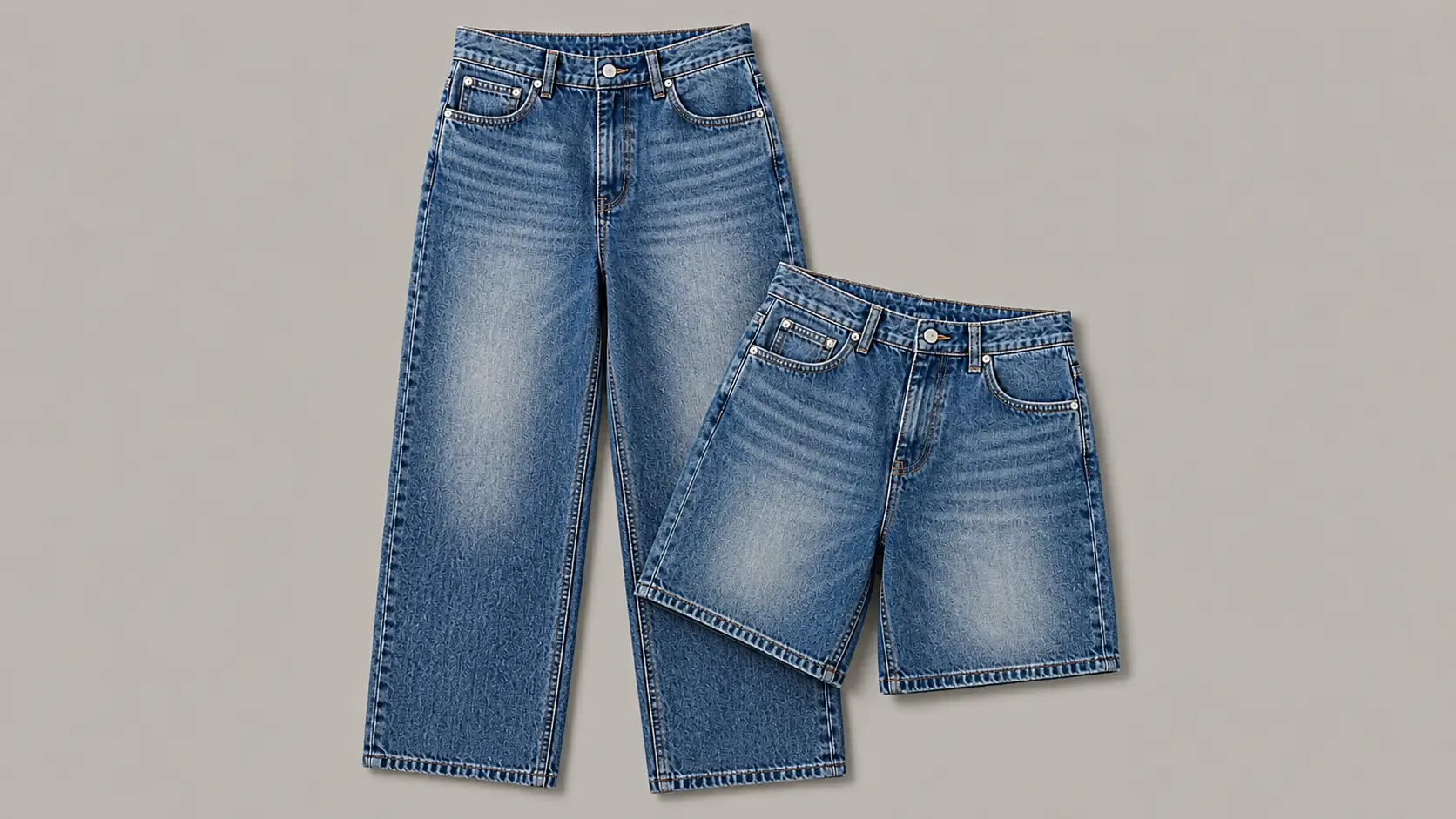
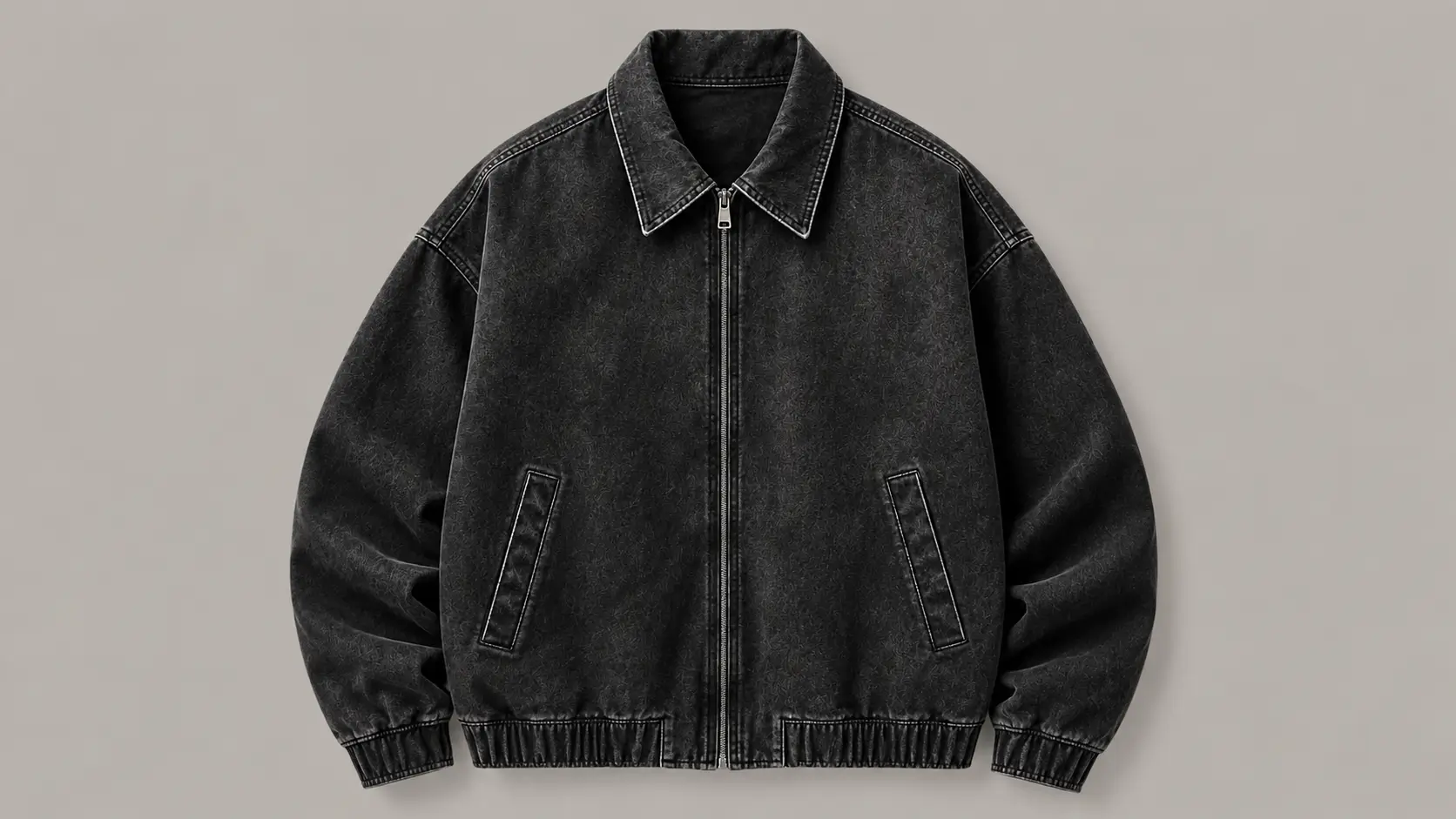
What Types of streetwear Can We Manufacture
Select your base streetwear blanks engineered for luxury brand standards and custom printing.
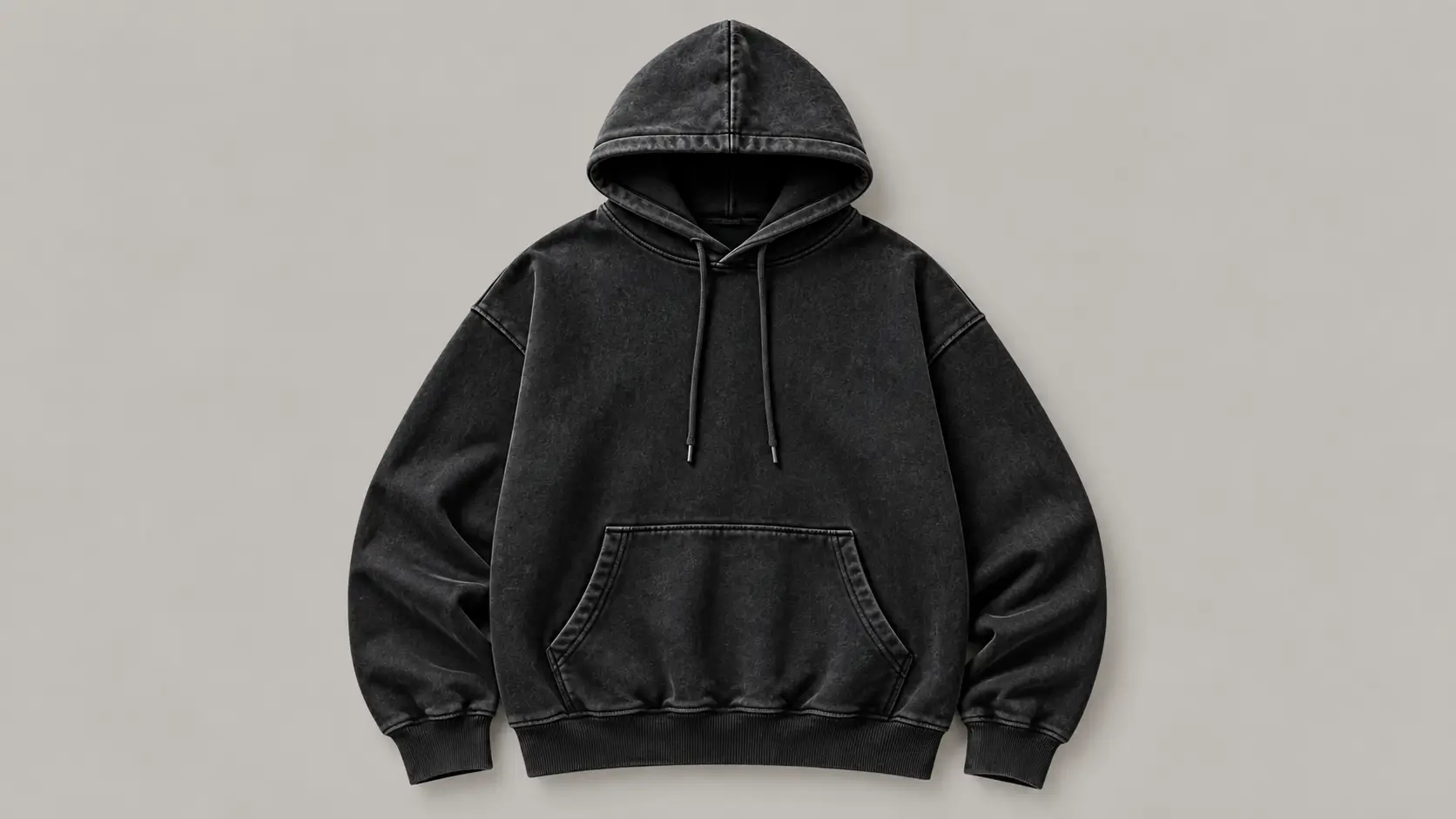
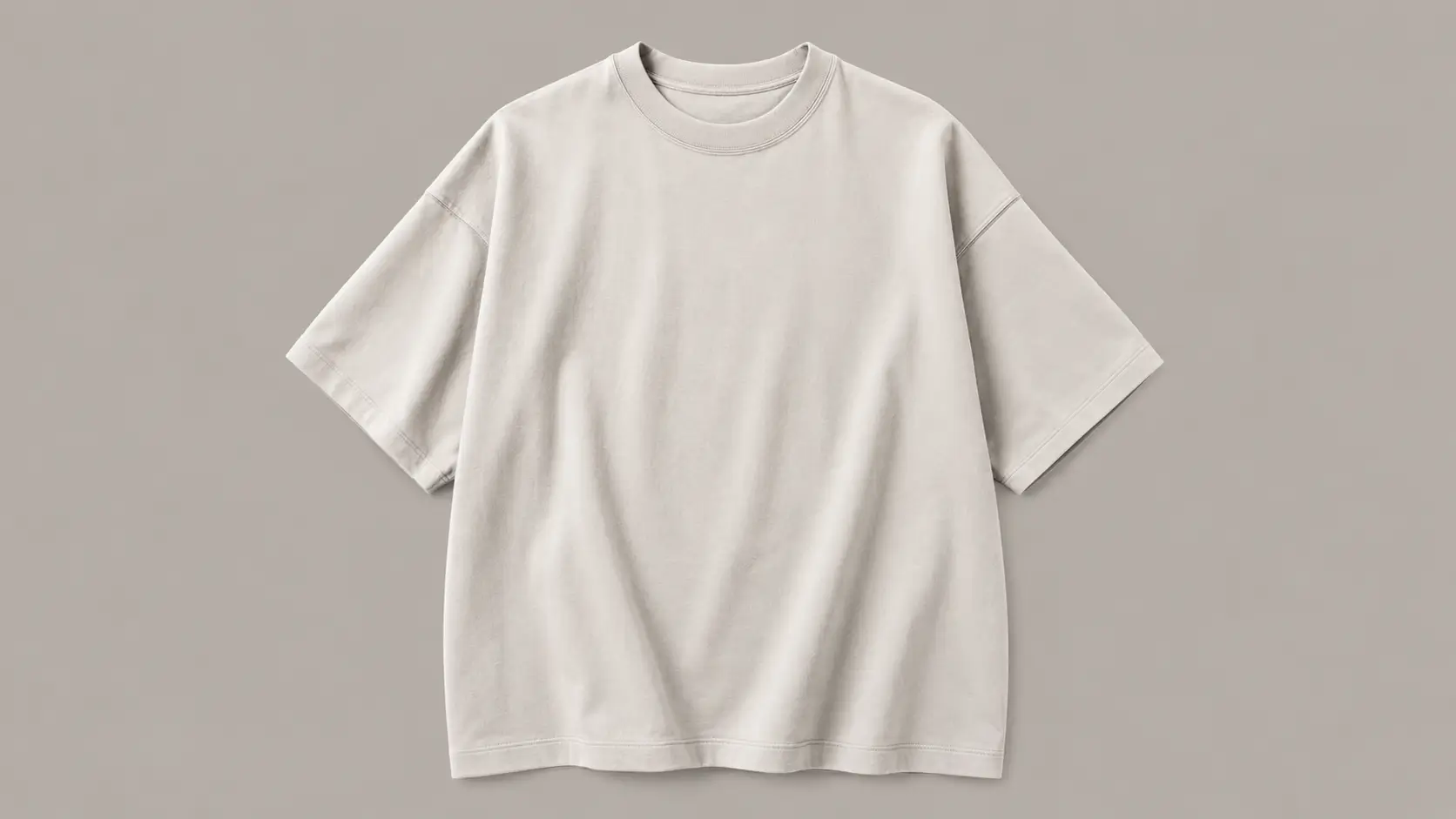
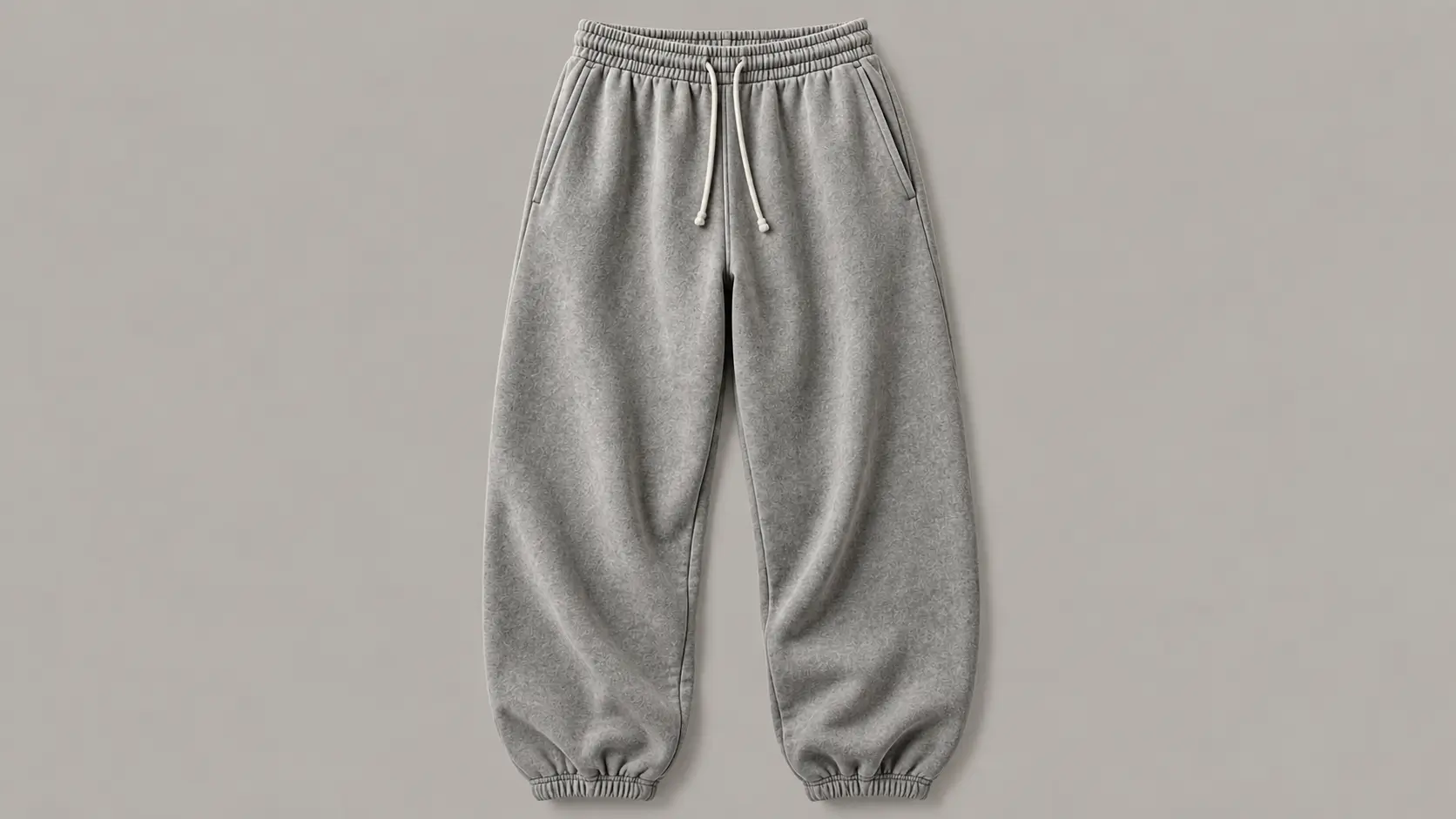
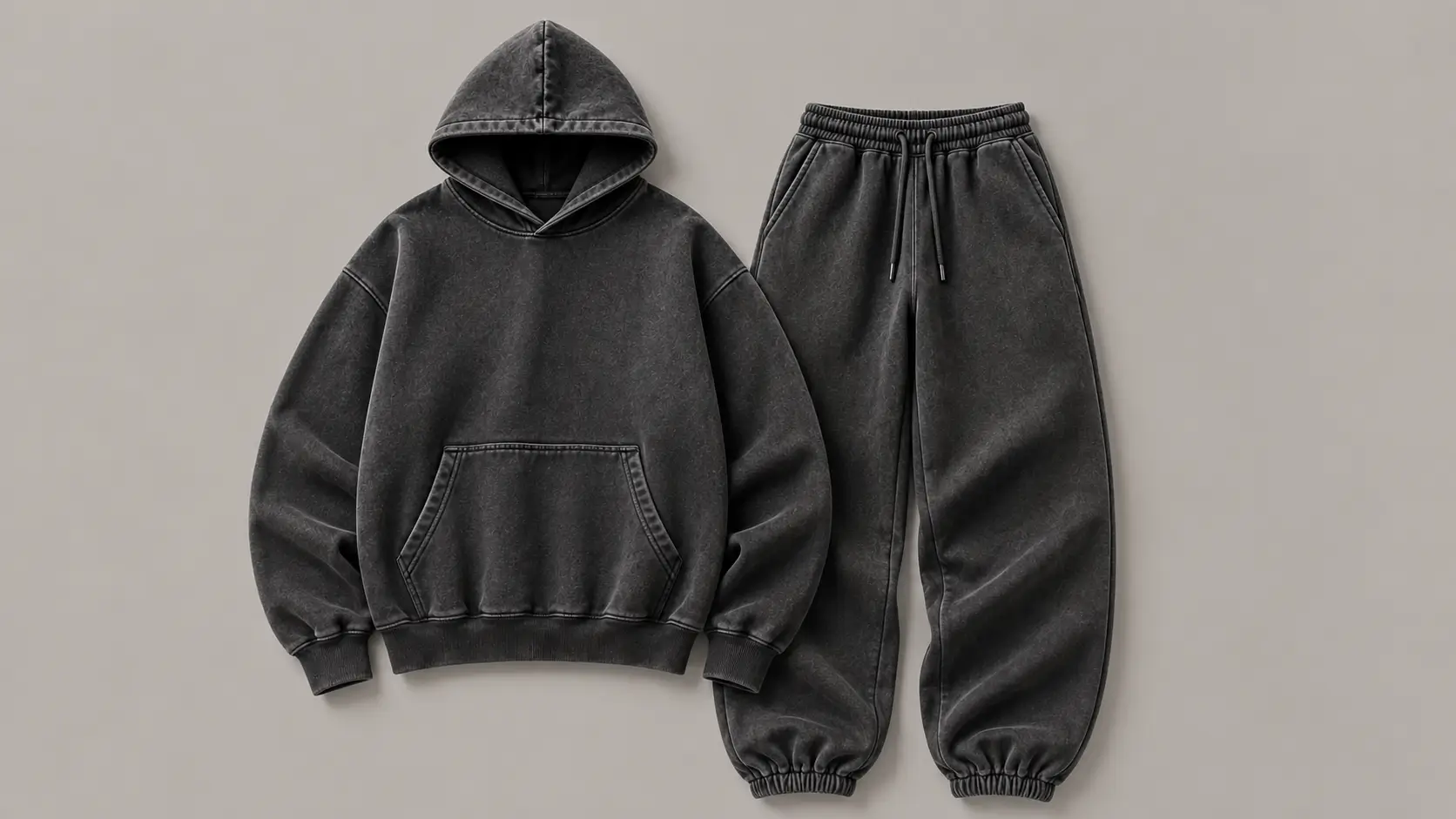
02|Product case gallery
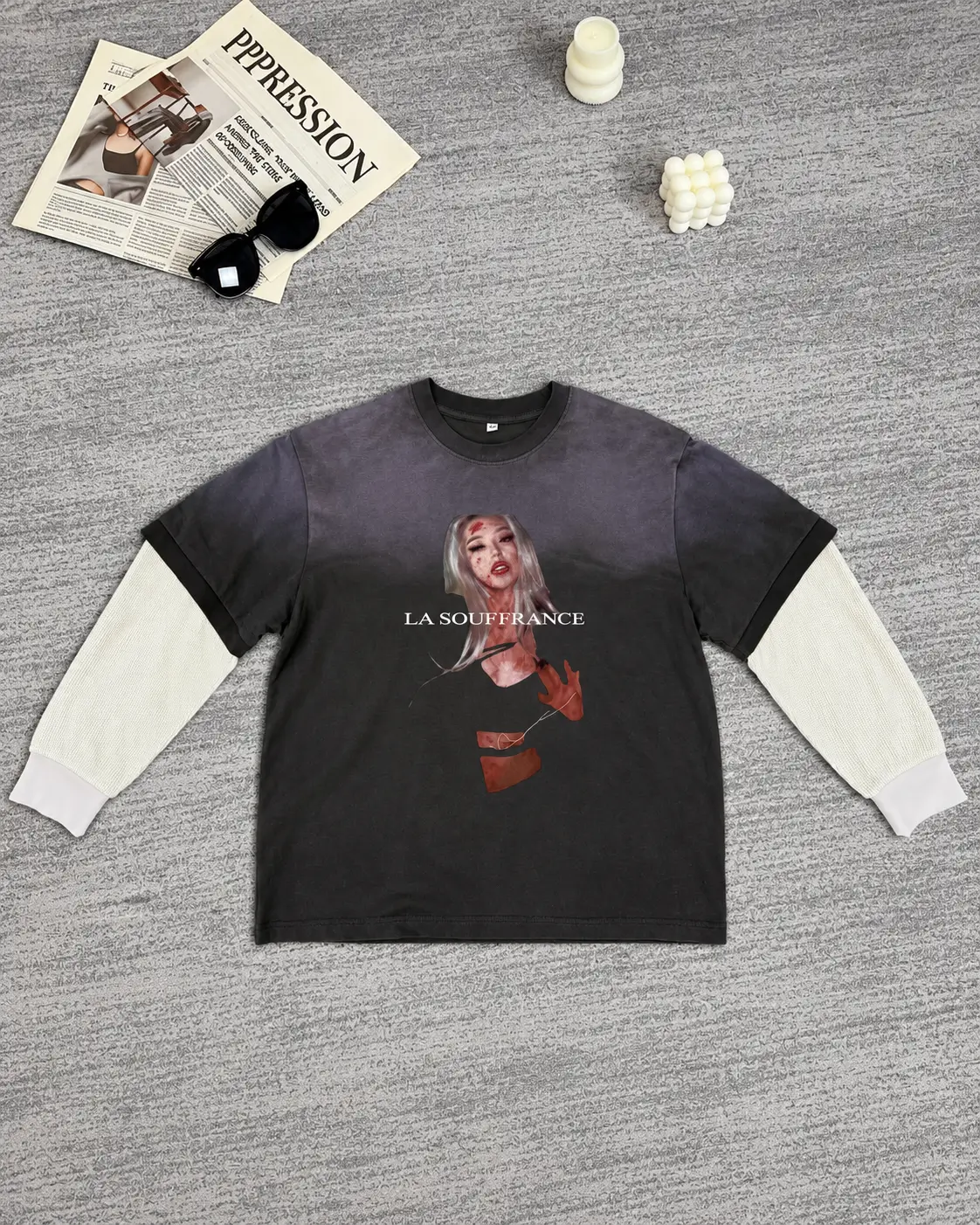
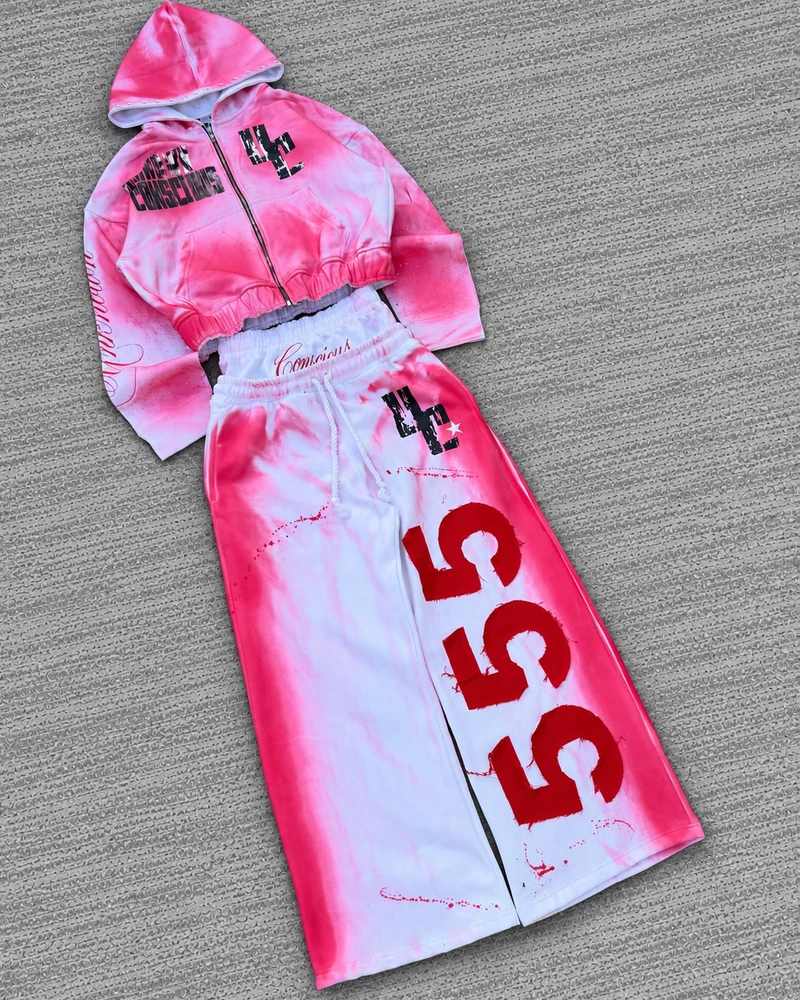
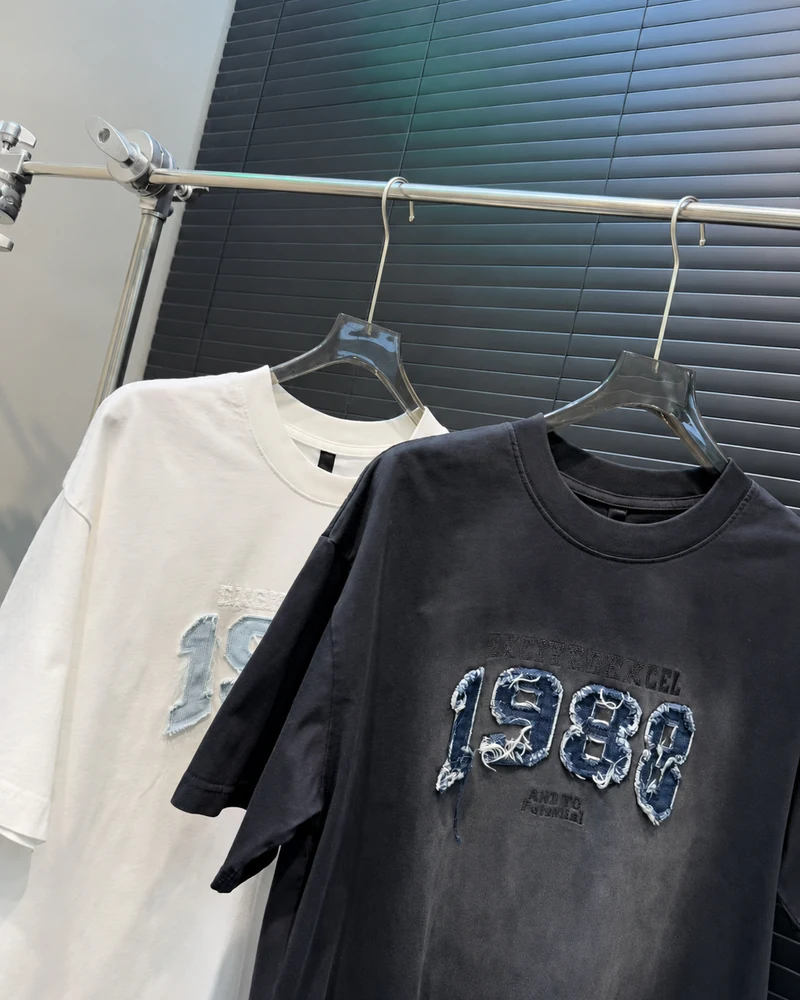
Custom Streetwear Case Studies & Craftsmanship
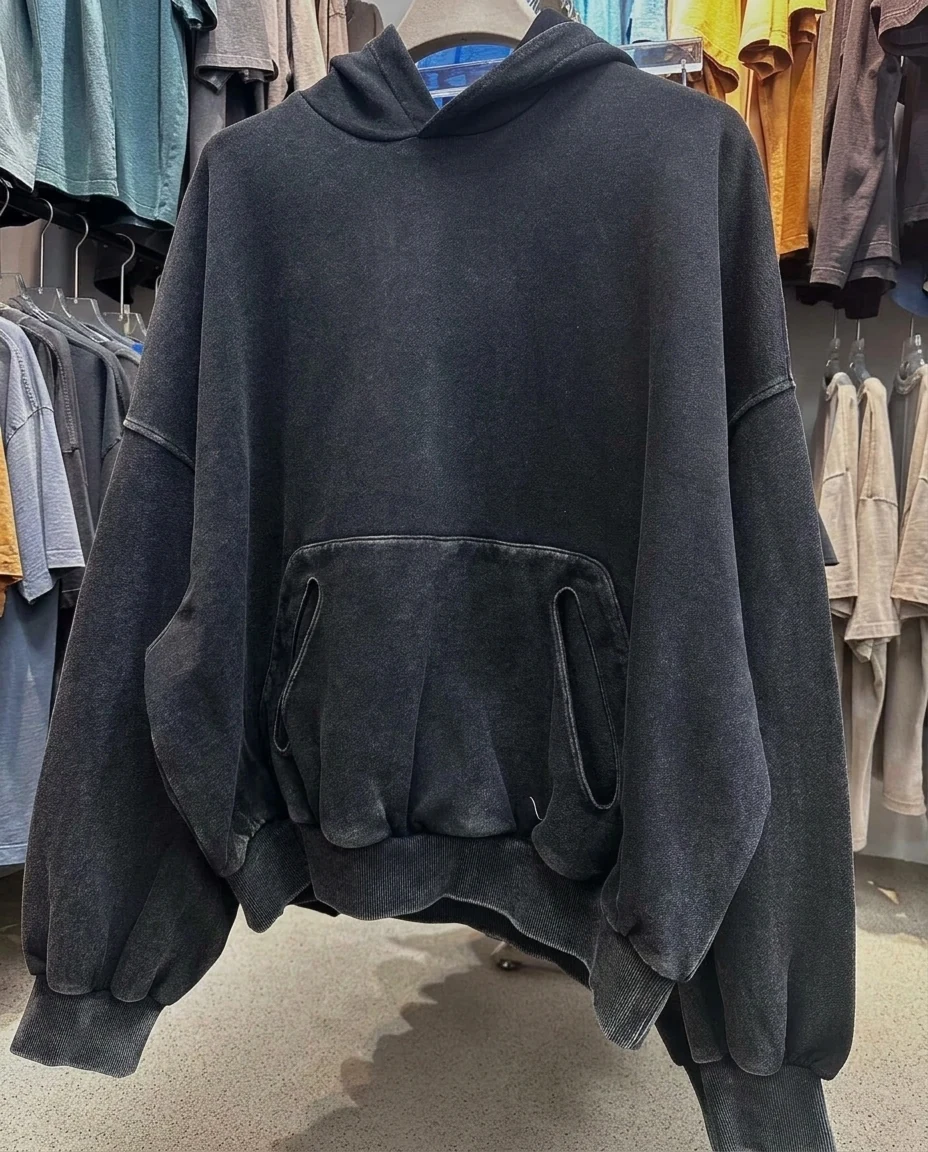
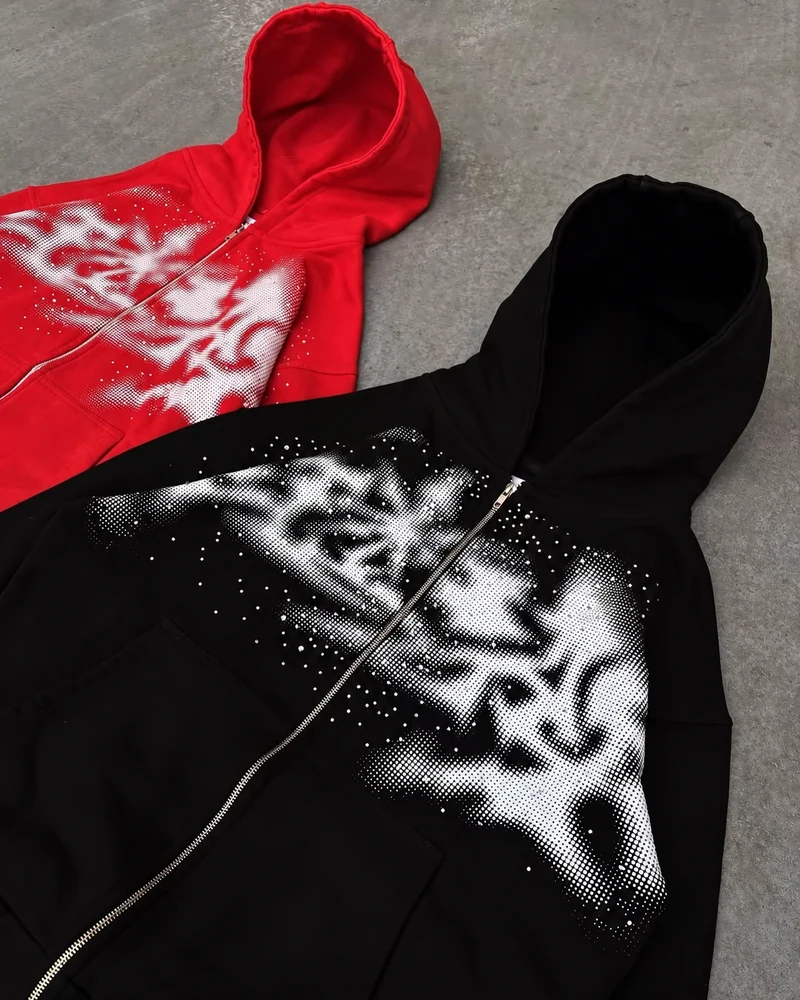
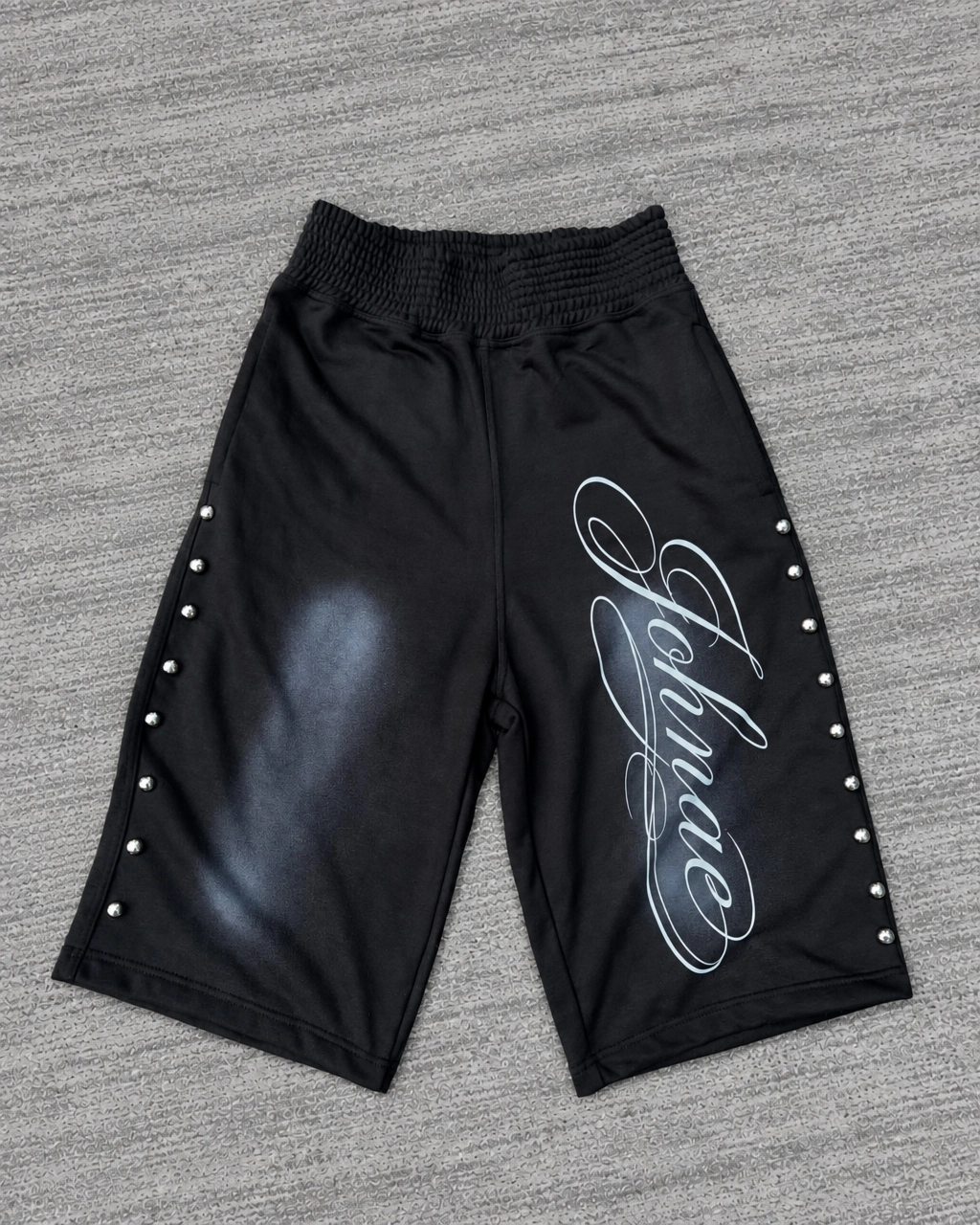
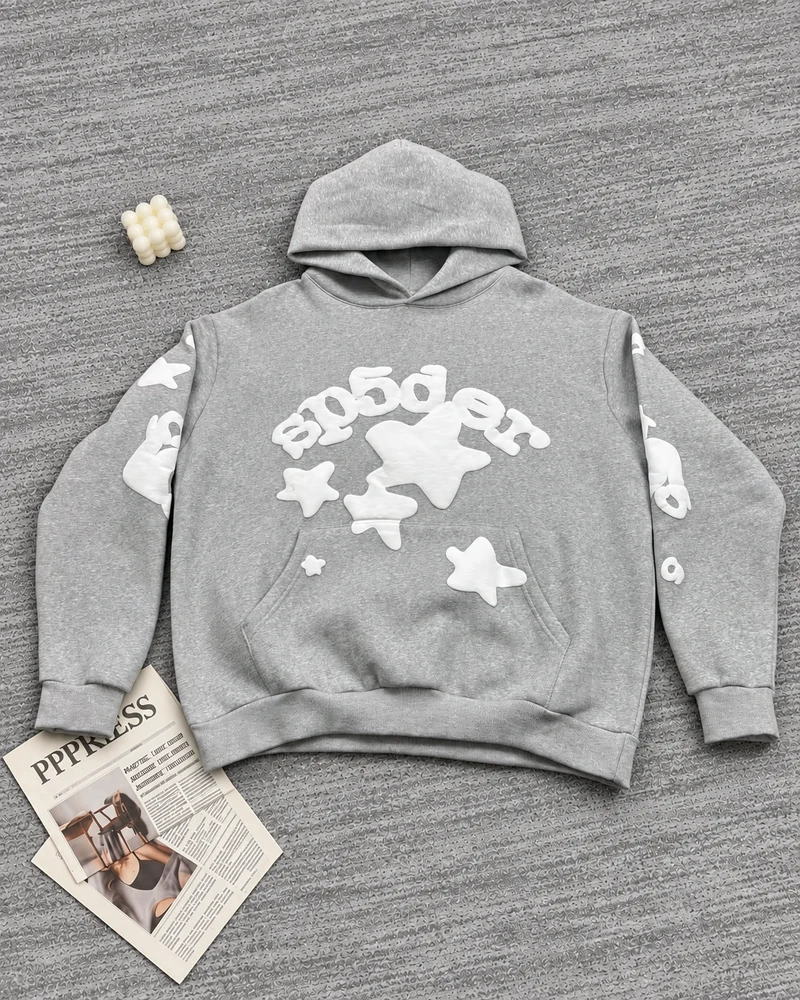
Explore our real client production showcases, featuring vintage acid washes, 3D foam puff printing, and heavyweight fleece silhouettes.
.webp)
03|PREMIUM CRAFTSMANSHIP & PRINTING
Custom Printing & Embroidery Crafts for Streetwear
High-precision technique applications designed for streetwear with exceptional tactile texture and wash durability.
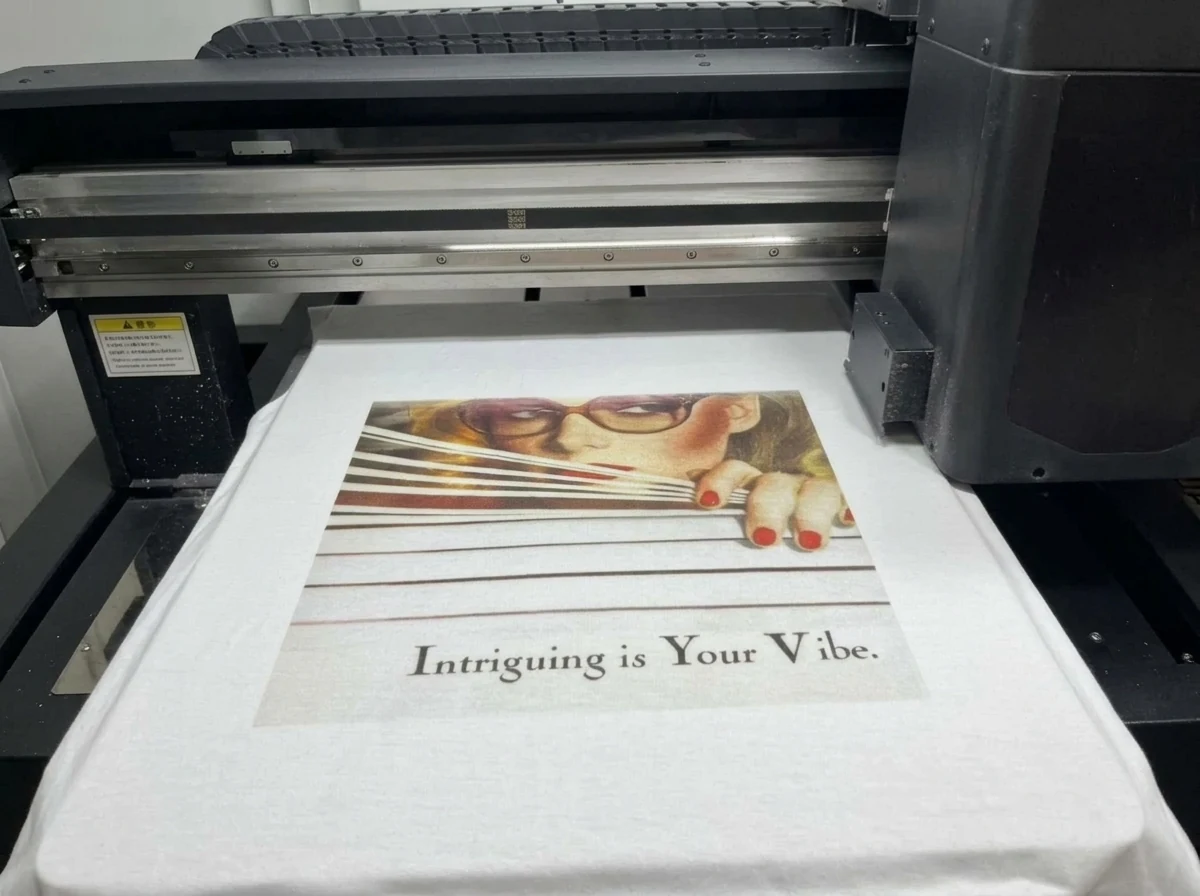
DTG(Direct to Garment)
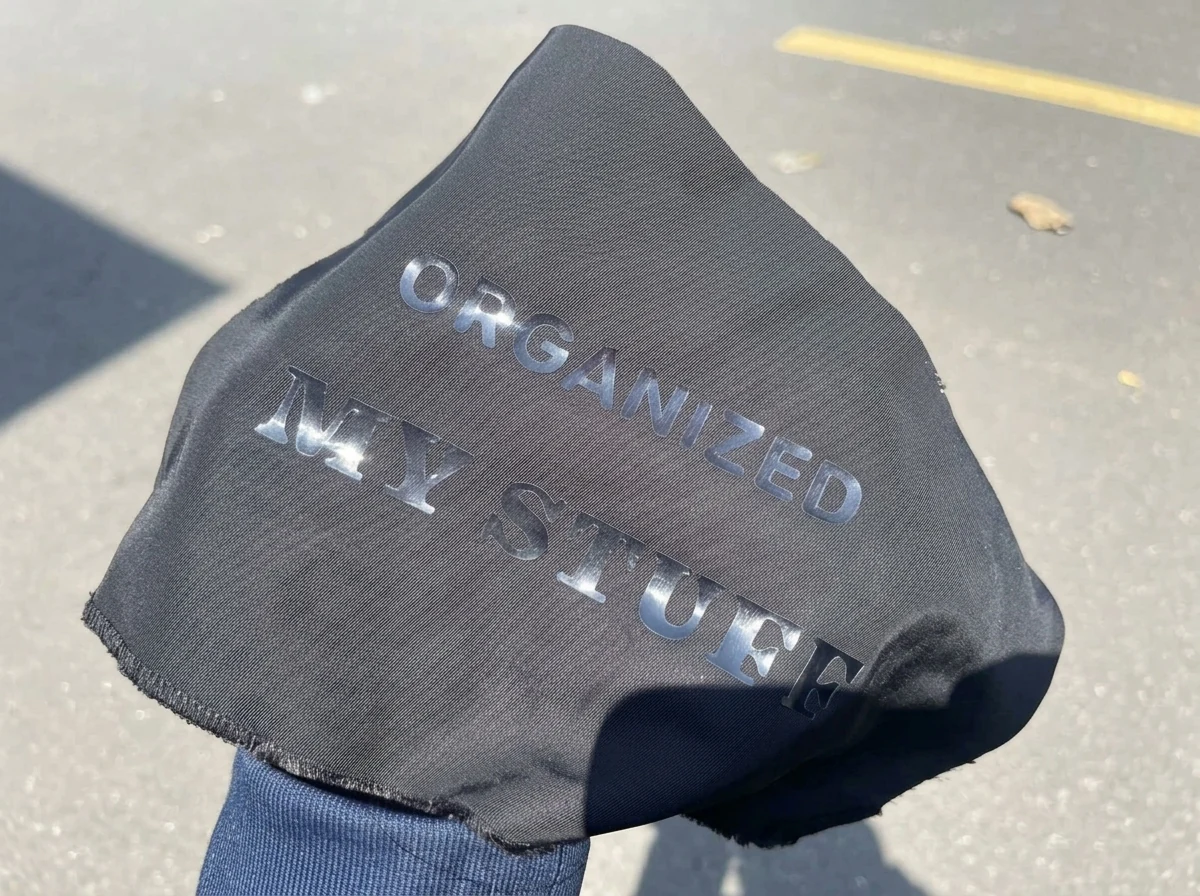
Reflective Silicone
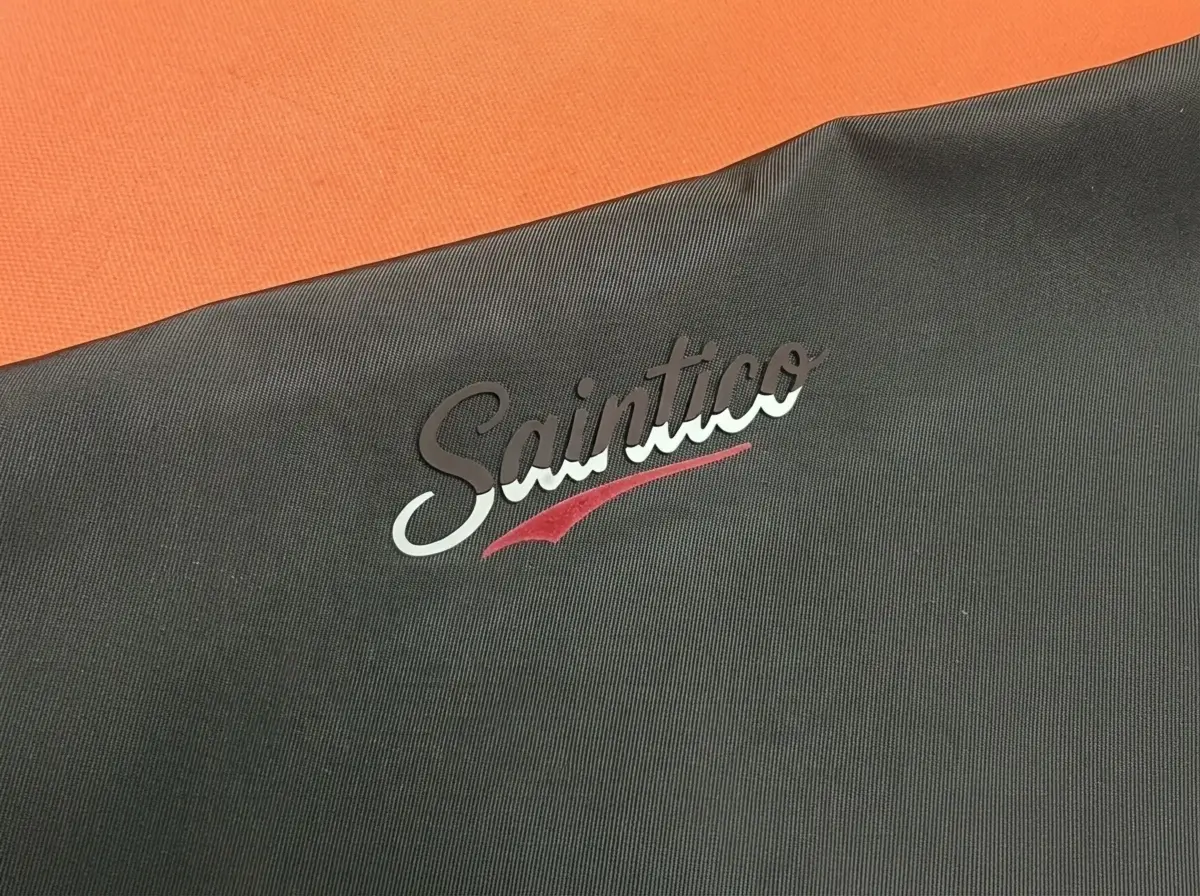
silicone transfer
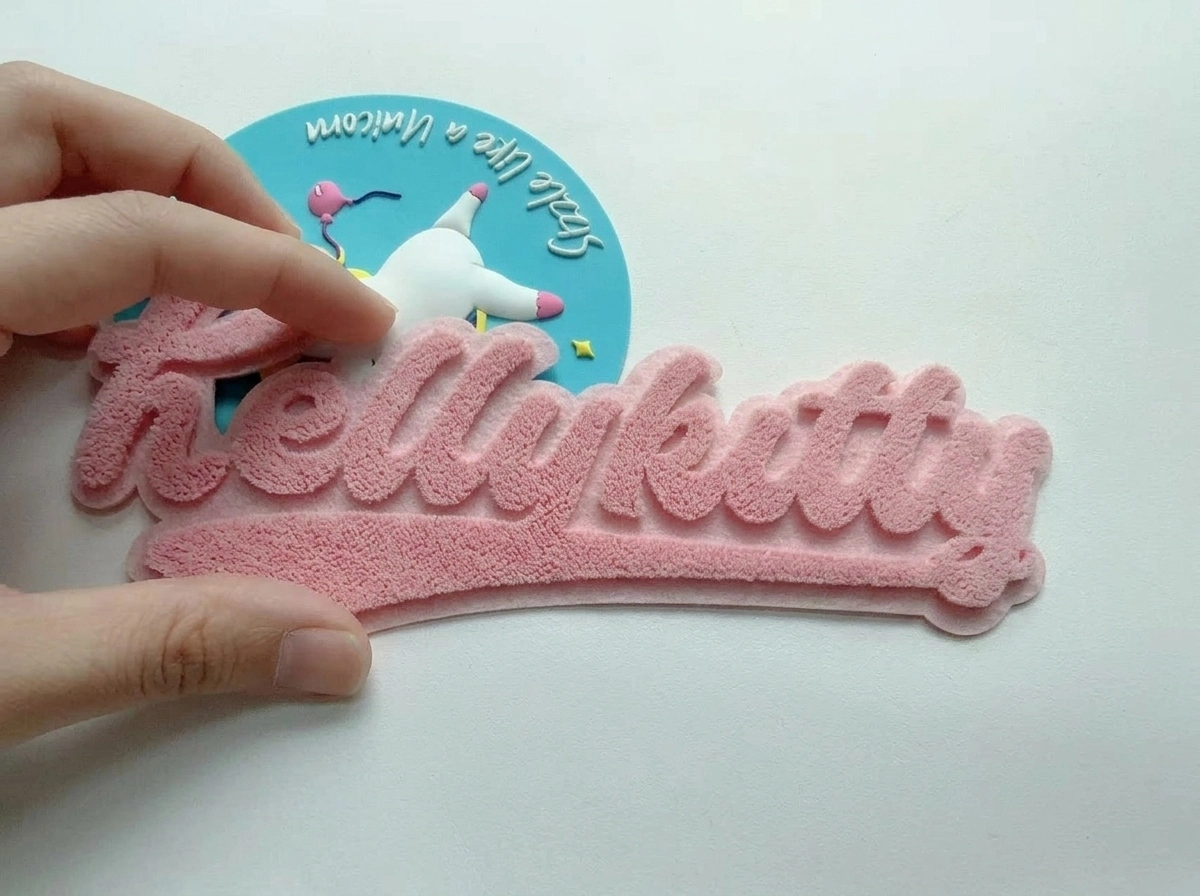
Toothbrush Embroidery
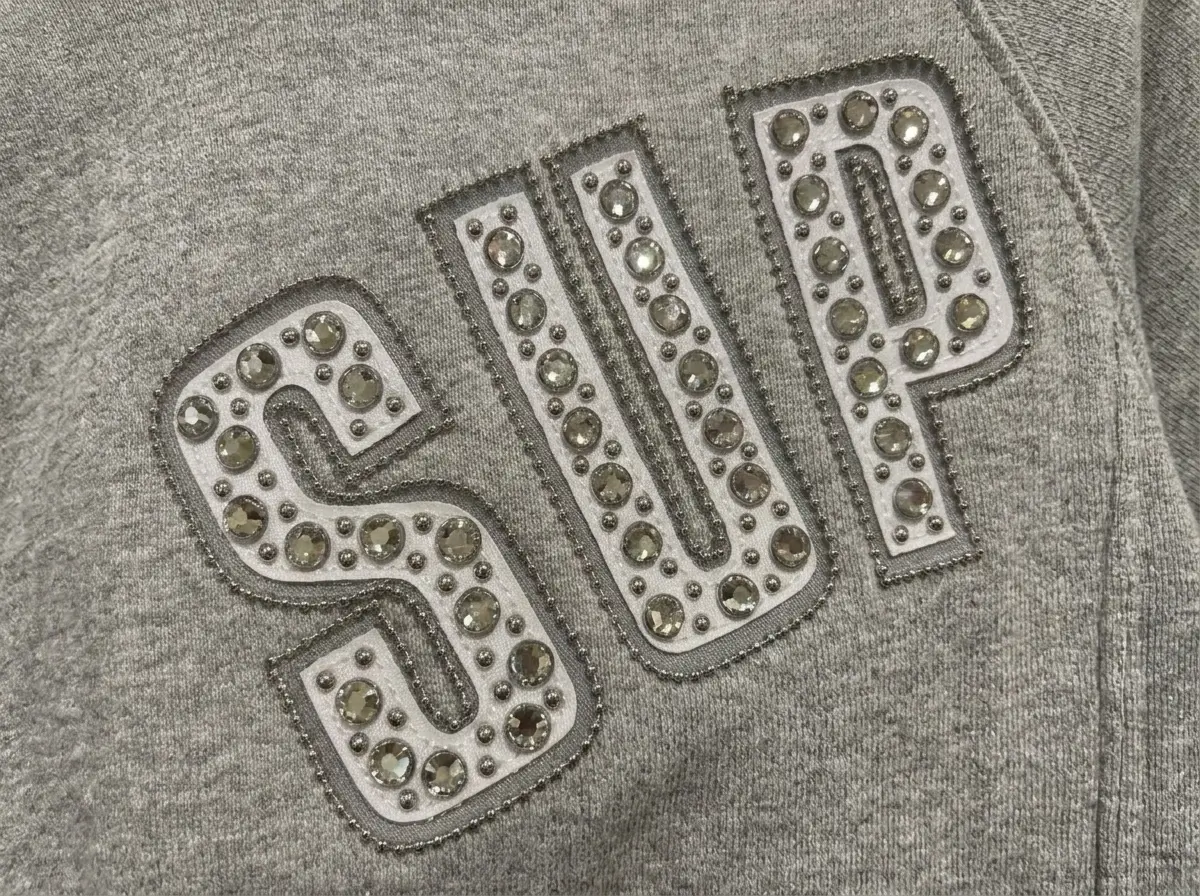
stud rhinestone
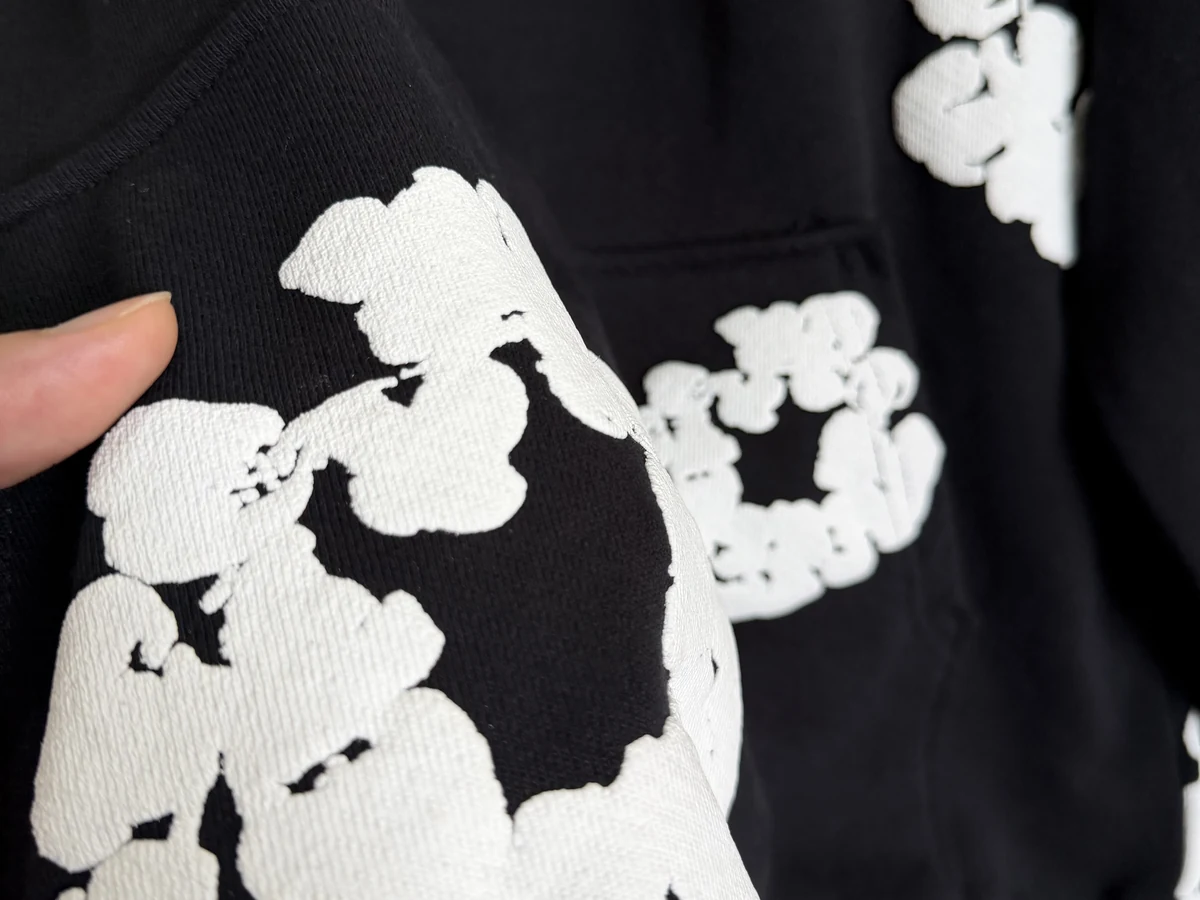
3D Foam / Puff Printing
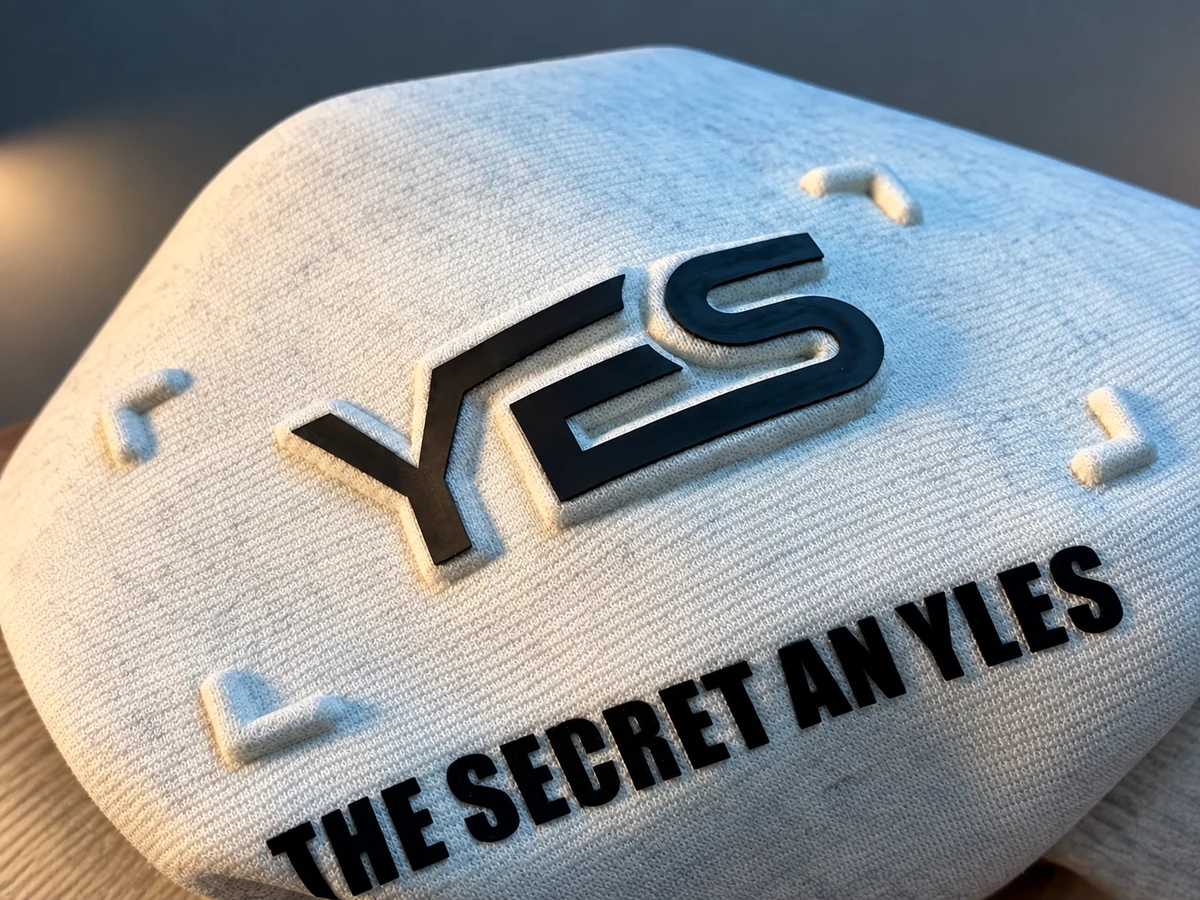
Embossing & Debossing
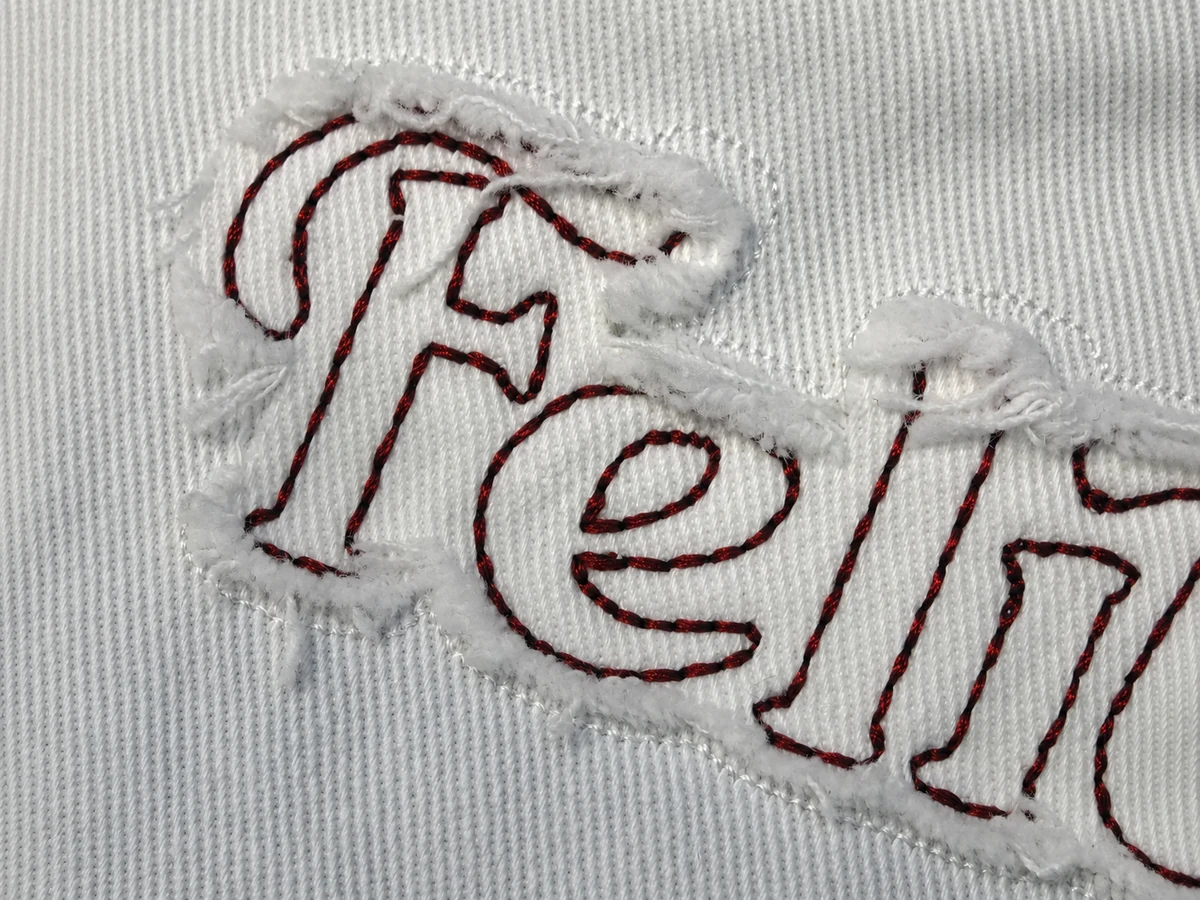
Applique
04|Risk control
A process buyers can predict
Every step should show an output and approval gate, not only a vague factory action.
Review
Feasibility, MOQ, cost range and timeline.
Develop
Fabric, pattern, artwork and trims.
Sample
Fit notes, revision record and approval.
Produce
Pre-production check and inline QC.
Deliver
Final inspection, packing and shipping.
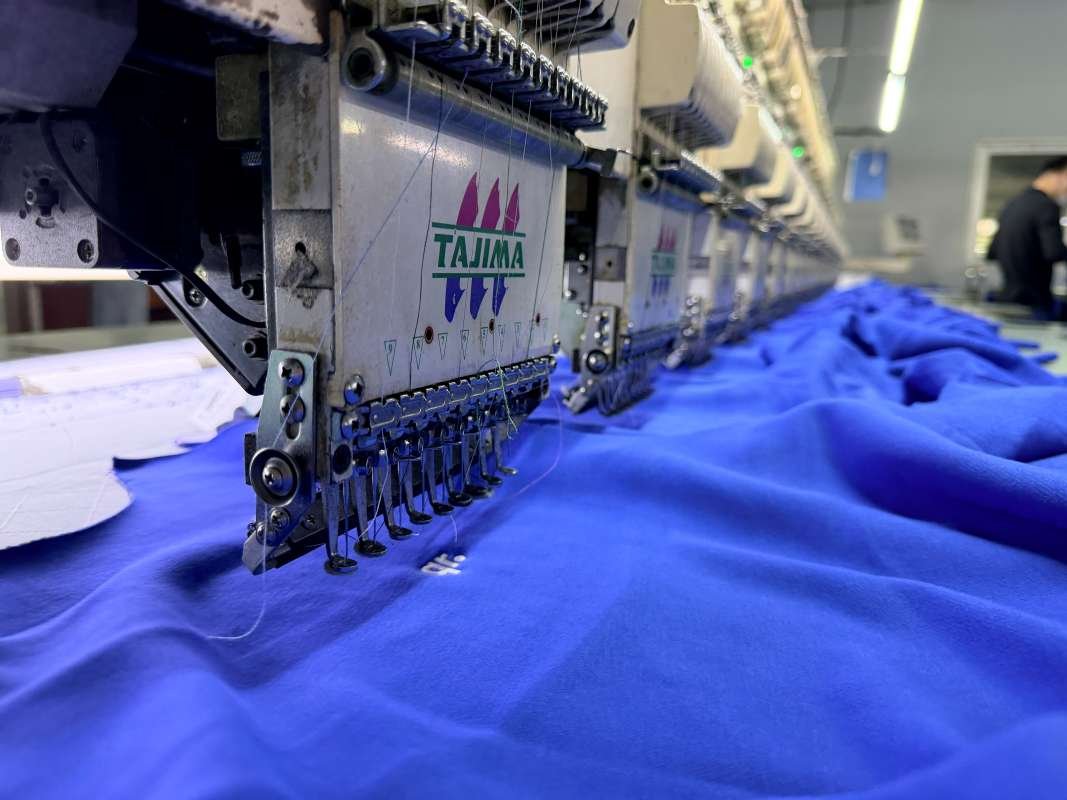
One-Stop streetwear manufacturer for Your Business
Get the hoodie & t-shirt you want from the leading streetwear manufacturer, Easson Apparel is a well-known enterprise in the streetwear manufacturer circle, providing you with the highest quality you expect from large-scale clothing manufacturers and meeting all your streetwear manufacturing needs.
100 pcs MOQ/COLOR
7-12 d SAMPLE TARGET
240-800 GSM RANGE
DDP WORLDWIDE SHIP
Great Value, Guaranteed Quality
Why choose Easson Apparel
Keep Product Development in One Place
From fabric sourcing and pattern development to printing, labels, packaging, and bulk production, we help keep your product details aligned without requiring you to coordinate multiple suppliers.
Confirm the Product Before Bulk
A sample gives you the chance to review fabric, fit, measurements, logo placement, and finishing details before bulk production begins—helping prevent costly changes later.
Start Without Overcommitting Inventory
Our standard MOQ starts at 100 pieces per design and color, helping new brands test a product or launch a focused first collection with lower inventory risk.
Keep Bulk Quality Consistent
We check key details such as fabric quality, measurements, stitching, decoration placement, labels, and packaging so the final order follows your approved sample and requirements.
Plan Your Launch With Clear Timelines
Simple samples usually take 8–12 days, while bulk production typically takes 25–35 days after sample approval. Clear requirements early on help make your production plan more predictable.
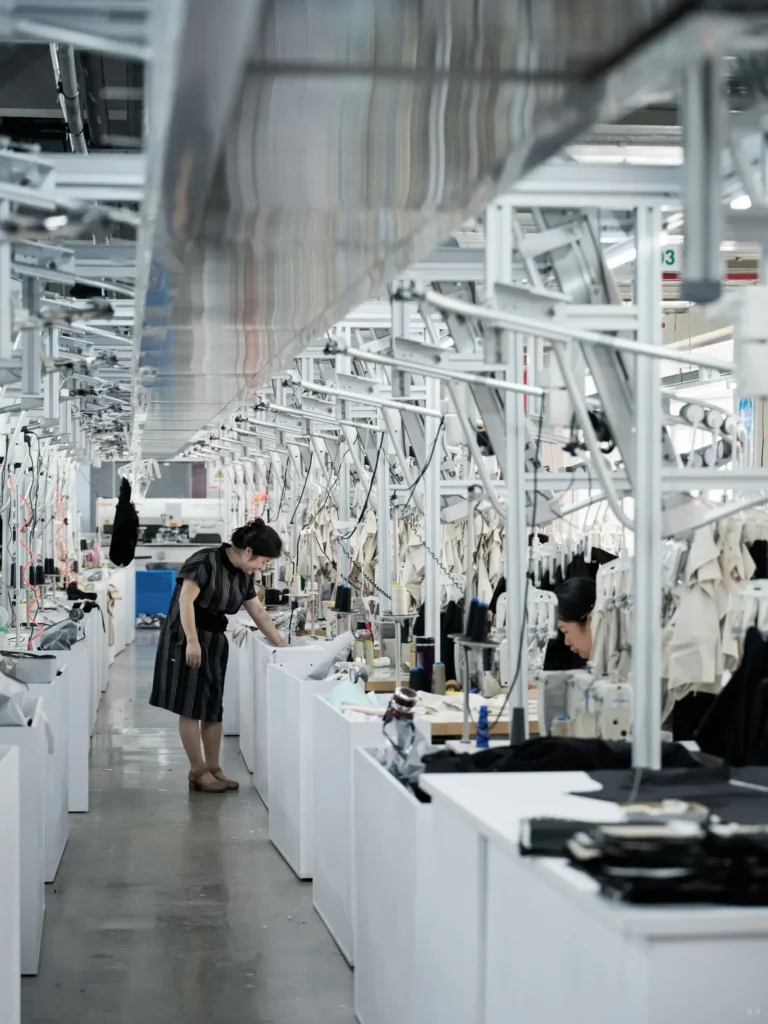
05|manufacturing for luxury brands
High-End Streetwear Custom Quality Standards
Built for luxury streetwear brands. We enforce strict quality standards, offering custom metal aglets, high-density damask woven labels, embossed hangtags, and frosted PE packaging bags.
Buyer's Guide
Starting a Streetwear Brand: Trends, Costs and Manufacturing
Starting a streetwear brand works best when you define your buyer, plan a tight first collection, choose the right production method, develop proper samples, confirm a realistic order, and prepare the launch before bulk goods arrive. The biggest risk is not finding a factory; it is approaching manufacturing without clear product specs.
Table of Contents
1.Streetwear Trends for 2026
For a new streetwear brand, trends are most useful when they guide specific product decisions. These three directions, illustrated by official 2026 collections, offer starting points for developing your own range.
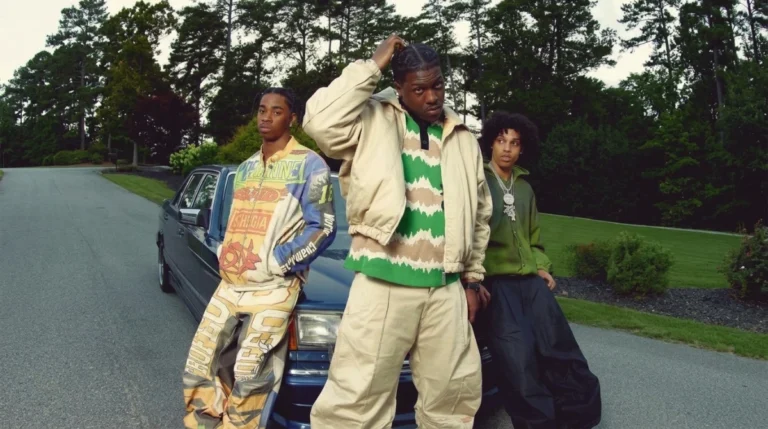
1. Relaxed Fleece and Coordinated Pieces:
Fear of God’s ESSENTIALS Spring 2026 collection includes relaxed sweatpants, fleece hoodies, sweatshorts, and track styles. These pieces provide references for building a collection around related silhouettes.
Production takeaway: Develop tops and bottoms together when planning matching sets. Confirm their proportions, fabric compatibility, and color matching during sampling rather than treating each piece as a separate project.
2. Washed Color and Surface Texture:
Carhartt WIP’s Summer 2026 “Last Light” editorial features garment-dyed sweatshirts and shorts with faded details, alongside waffle textures and lightweight knits. This provides a concrete example of using fabric surfaces and finishing to create visual interest.
Production takeaway: Specify the desired wash effect with a physical reference or approved sample. Review shade, hand-feel, measurements, and decoration after washing before confirming bulk production.
3. Utility and Outdoor-Inspired Details:
Carhartt WIP’s Spring/Summer 2026 lookbook combines outdoor influences with camouflage, chore coats, and workwear-derived bottoms.
Production takeaway: Choose functional details that suit your customer. Pocket placement, fabric structure, and hardware should support how the garment will be worn. Ask your manufacturer to assess their effect on construction, cost, and sampling.
In Easson Apparel’s own customer conversations, we also receive requests for boxy hoodies, washed finishes, and matching sets. These are observations from our inquiries, rather than evidence of market-wide demand.
Use these references to select a coherent direction, then define the fit, fabric, finishing, and target price in your production brief.
2.How to Start a Streetwear Brand in 6 Steps
Many founders ask how to start a streetwear brand, but they often jump straight to logos, websites, and Instagram. Those matter, but they do not solve product risk. If the first sample is wrong, the launch calendar, photoshoot, and ad budget all become weaker.
To start a streetwear brand, define your audience, plan a focused first collection, choose a production method, develop and approve samples, confirm the order with a full schedule, and prepare the launch. Each step should produce a real document or decision, not only a creative idea.
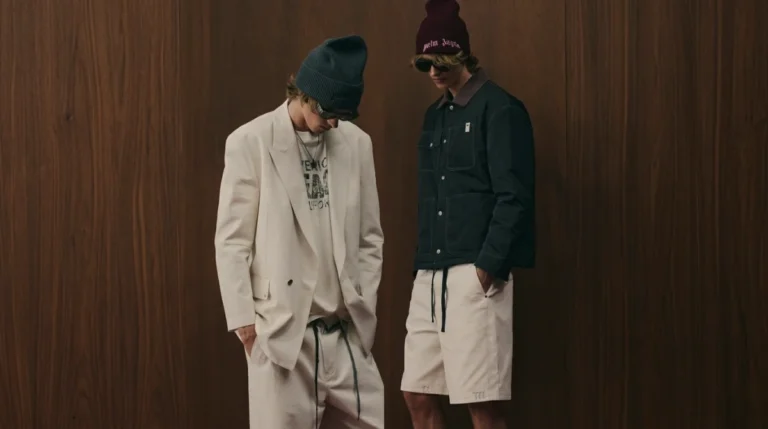
Step 1: Define your audience and positioning
Your first outcome should be a brand positioning sheet.
It should answer:
- Who are you selling to?
- What style are you offering?
- What retail price can your buyer accept?
- What brands sit near your target market?
- What makes your product different?
For example, “oversized streetwear” is too broad. “Heavyweight washed tees for 20–30-year-old skate and music culture buyers at a $55–$75 retail price” is more useful.
Step 2: Plan your first product collection
Your second outcome should be a product list.
A practical first collection may include:
| Product | Colors | Key detail |
|---|---|---|
| Heavyweight boxy T-shirt | 2-3 | Washed fabric, front chest print |
| Pullover hoodie | 1-2 | Drop shoulder, embroidery |
| Sweatpants or shorts | 1-2 | Matching fleece, custom drawcord |
| Cap or accessory | 1 | Brand support item |
We usually recommend founders avoid too many colors at the first drop. MOQ is not only a number. It connects to fabric minimums, dye lots, rib colors, trims, and labels. An order of 100 pieces in four colors can create more complexity than 200 pieces in one or two colors.
Step 3: Choose your production method and screen factories
Your third outcome should be a supplier shortlist and production method decision.
You usually have three routes:
Blank garments
This is fastest, but fit and fabric are limited.
Modify an existing pattern
This works when you want a custom look without building everything from zero
Custom cut-and-sew development
This gives more control, but it requires better specs, more sampling time, and a realistic MOQ
In our experience working with brands at this stage, unclear briefs create most problems. Reference images help, but they do not replace a tech pack. Customers can start from the reference drawing, and the factory can help fill in the dimensions, materials and process specifications.
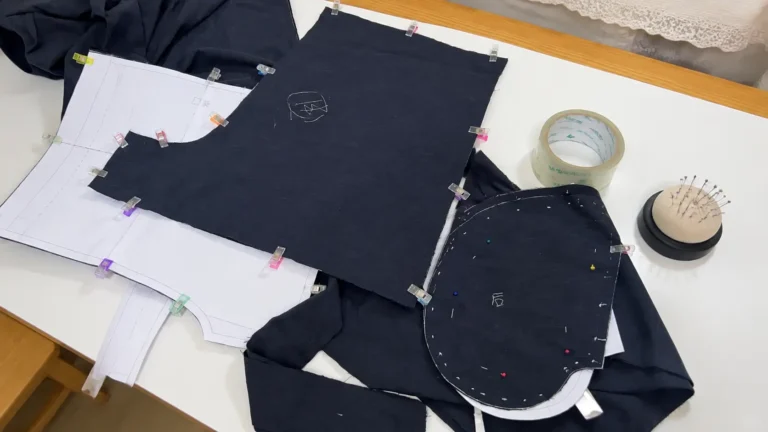
Step 4: Develop and confirm samples
Your fourth outcome should be an approved sample and final specification.
You should check:
- Fit and measurements.
- Fabric weight and hand-feel.
- Print or embroidery quality.
- Label placement.
- Washing performance.
- Shrinkage concerns.
- Packaging presentation.
Sampling is communication. If your first sample needs revisions, that is normal. But repeated revisions may result from unclear specifications, or from misunderstandings or execution issues.
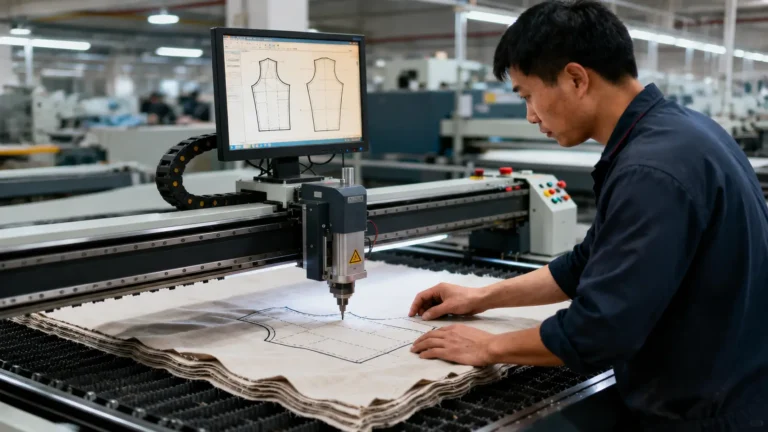
Step 5: Confirm the order and production schedule
Your fifth outcome should be a confirmed purchase order and timeline.
You should confirm:
- Quantity by style, color, and size.
- Final unit cost.
- Sample approval record.
- Label, hangtag, and packaging files.
- Quality requirements.
- Deposit and balance terms.
- Production and shipping timeline.
Step 6: Prepare the launch and validate demand
Your sixth outcome should be a launch plan and reorder decision rule.
Prepare product photos, size charts, Shopify pages, email flows, social content, and paid ad tests before bulk goods arrive. After launch, compare sales by size, color, and product type. Then you can decide whether to reorder, adjust the fit, or develop the next drop.
3.How Much Does It Cost to Start a Streetwear Brand
Your startup budget depends on your first collection, customization requirements, and launch plan. A useful estimate starts with a defined order and separates garment costs from development, delivery, and marketing expenses.
Example Budget: 200 Pieces Across Two Styles
The illustrative USD budget below assumes 100 T-shirts and 100 pullover hoodies, with one color per style and mixed sizes. Both use stock fabrics, existing patterns, and simple screen printing, without custom dyeing or washes. Quantities and customization remain subject to supplier approval.
These figures are budgeting assumptions, not confirmed supplier prices or an Easson Apparel quotation.
| Budget Item | Illustrative Amount | Scope |
|---|---|---|
| Design and specification preparation | $300 | Preparing artwork and product requirements |
| Samples and revisions | $500 | Allowance for both styles |
| 100 T-shirts at $15 each | $1,500 | Finished garment cost |
| 100 hoodies at $30 each | $3,000 | Finished garment cost |
| Website and product photography | $700 | Basic launch setup |
| Initial marketing | $1,000 | Content, seeding, or advertising tests |
| Contingency reserve | $1,000 | Unplanned development or launch expenses |
| Subtotal before freight and import charges | $8,000 | Excludes ongoing operating expenses |
| Freight, duties, and applicable taxes | Quote separately | Depends on destination, shipment, and delivery terms |
The assumed garment prices include fabric, cutting, sewing, one simple print placement, standard labels, and individual polybags. Do not add these items again unless the supplier’s quotation excludes them.
Why Factory Quotes Can Vary for the Same Design
We often see founders compare quotes as if every factory priced the same garment. But price gaps are usually connected to different inputs.
A hoodie can change cost because of:
| Factory A | Factory B | |
|---|---|---|
| GSM | 320 GSM fleece | 450 GSM fleece |
| Process Type | simple screen print | puff print plus embroidery |
| Fabric Composition | brushed fleece | french terry |
| Fabric type | stock fabric | custom dyed fabric |
| Rib Type | standard rib | custom rib |
| Packaging Type | basic polybag | custom packaging |
| Colorways | one colorway | four colorways |
MOQ is not only a threshold
This is one of the biggest early mistakes. A founder may hear “100 pieces minimum” and assume that means 25 pieces per color across four colors. In reality, fabric, dyeing, trims, and labels can create separate minimums.
For example:
- 100 pieces in one color is often easier to manage.
- 100 pieces across four colors may create four separate fabric problems.
- Custom dye may require a fabric minimum before garment MOQ even matters.
- Special trims may need their own minimum order.
We suggest building the budget around fewer styles, fewer colors, and stronger product details. A focused first drop is easier to sample, easier to market, and easier to reorder.
4.What Streetwear Brand Examples Can You Get Inspiration From
Established brands offer useful lessons in product development. The goal is to understand how their design decisions create a recognizable identity, then apply that thinking to your own audience.
1. Stüssy
Stüssy offers a useful reference for graphic-led streetwear, combining recognizable branding with casual staples such as tees, shirts, and fleece.
For a new brand, the practical lesson is to develop a consistent visual language across a focused range. Start with a well-fitted T-shirt and a clear approach to artwork, placement, and color. Your graphics should give customers a reason to connect with your brand; a logo alone does not create that connection.
2. Fear of God ESSENTIALS
Fear of God ESSENTIALS provides references for relaxed silhouettes and coordinated casual pieces.
If this direction fits your audience, focus sample development on body length, shoulder position, sleeve volume, and fabric drape. Review how the pieces look together. A minimalist collection gives these details more visual importance, so fabric weight and a small chest logo are only part of the product.
3. Carhartt WIP
Carhartt WIP demonstrates how workwear references, utility details, and textured materials can shape a collection.
For your own range, connect those details to a specific use: carrying everyday items, allowing movement, or supporting repeated wear. Confirm pocket placement, construction, and comfort during sampling so the finished garment supports the story your brand tells.
5.Conclusion
Starting a streetwear brand is easier when you treat manufacturing as a risk decision, not a price hunt. Define the buyer, build a focused first collection, prepare real specs, sample carefully, and launch with enough structure to learn from demand. At Easson Apparel, we work best with brands that are ready to develop samples with clear references, target quantities, and product goals. If you have any genuine information or concept about streetwear, you can contact us to discuss development. Our team can help you determine what else needs to be added.
Frequently Asked Questions
Are you a factory or trading company?
We are a direct garment factory with 21 years of manufacturing experience. Contact us and we will send you our official factory certification and video walkthrough.
What is your minimum order quantity for custom streetwear?
Our minimum order quantity is 100 pieces per color.Please send us your required size breakdown so we can confirm the available size allocation in your quotation.
Do you manufacture fully custom cut-and-sew streetwear or only print on blanks?
We support fully custom streetwear development, including custom patterns, silhouettes and fit. We can develop your product from reference images, sketches, measurement charts or a complete tech pack. Fabric, construction, wash effects, artwork, labels and other details are reviewed for feasibility before sampling begins.
What fabric and GSM should I choose for streetwear?
The right fabric depends on the silhouette, climate and hand feel you want. As a general starting point, structured oversized T-shirts often use approximately 260-300 GSM jersey, while 180–250 GSM may be more suitable for warmer climates. Heavyweight hoodies commonly begin around 320–500 GSM, depending on whether you want French terry or brushed fleece.
Which printing method is best for my streetwear design?
Screen printing is usually suitable for repeated designs with a limited number of solid colors and can provide a durable, distinctive finish. DTG works well for detailed, photographic or gradient artwork on cotton-rich fabrics and generally produces a softer hand feel. DTF can reproduce sharp, multicolor artwork on a wider range of fabrics, although the print may feel more noticeable on the garment. Embroidery is often suitable for smaller logos and designs that need a raised, premium texture.
Special effects such as puff printing should always be tested on the actual production fabric. We recommend approving the print appearance, hand feel, color and wash performance during sampling before placing a bulk order.
How long does custom streetwear production take?
Our usual sample lead time is 8–12 days. Bulk production normally takes 25–35 days after the final sample, order specifications and production details have been approved.
These times cover sample or factory production and do not include sample revisions, international shipping, customs clearance or delivery to your warehouse. Custom-developed fabrics, special trims and complex wash treatments may also affect the quoted schedule. We recommend planning your launch around the complete timeline: sampling, revisions, bulk production, freight, customs and warehouse receiving.
Contact us
Contact us today to discuss your bespoke apparel needs. You can email us at support@eassonapparel.com or use the form here.