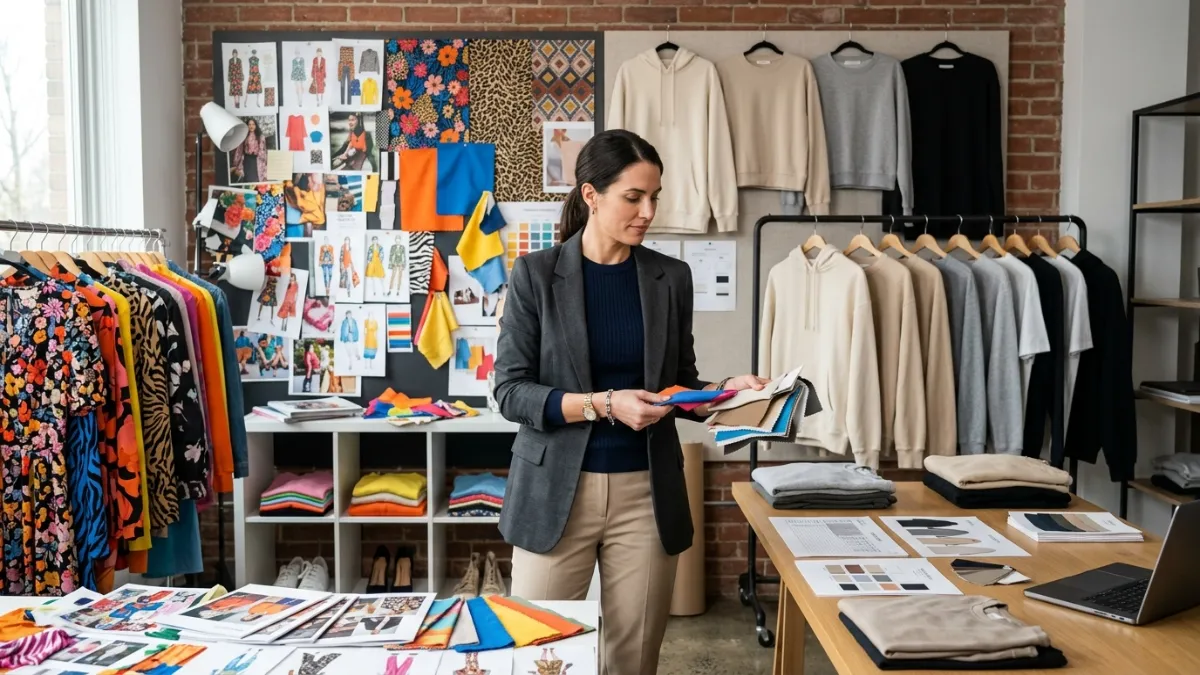
Choosing a business model for your new brand is a huge decision. You see Zara's success and Aritzia's growth, but copying them without a plan can be a costly mistake.
The best model depends on your resources. For most startup brands, Aritzia's focus on high-quality, timeless basics is a more sustainable path than Zara's trend-driven, high-speed model. Zara requires significant capital and a highly responsive supply chain1 that is difficult for new brands to manage.
As someone who has run a garment factory for over 21 years, I've seen countless brands come and go. Many new founders walk in with a vision inspired by giants like Zara or Aritzia. They want Zara's speed or Aritzia's premium feel. It's a great starting point for a conversation. But the most successful brands aren't the ones who copy best. They are the ones who understand the operational reality behind the brand image. This article will break down the real differences between these two models from a manufacturer's perspective. My goal is to help you look beyond the storefront and choose a path that truly fits your budget, your capabilities, and your vision for long-term growth. Let's get into it.
Zara vs Aritzia: Quick Comparison for Clothing Brands?
You see two successful apparel brands, but their roads to success are completely different. Picking the wrong one to follow is a common trap for new entrepreneurs. Let's do a quick breakdown.
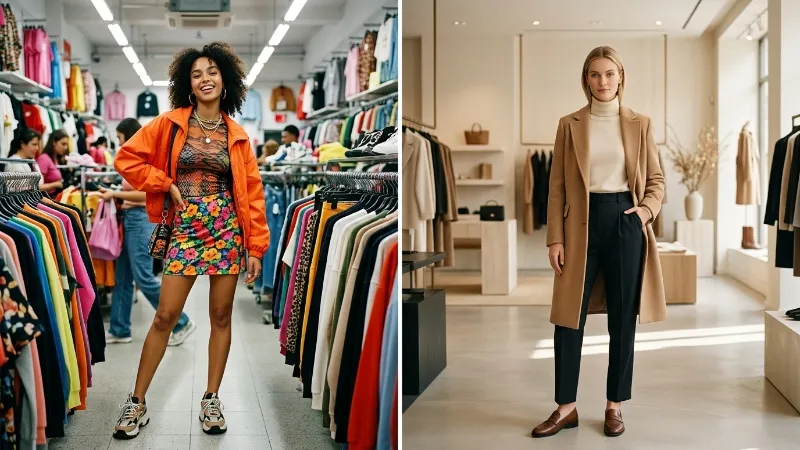
Zara is pure fast fashion, built on reacting to trends with incredible speed and a massive, constantly changing product catalog. Aritzia is "everyday luxury2," focusing on curating high-quality basics and timeless pieces. Zara sells what's new; Aritzia sells what's good and lasting.
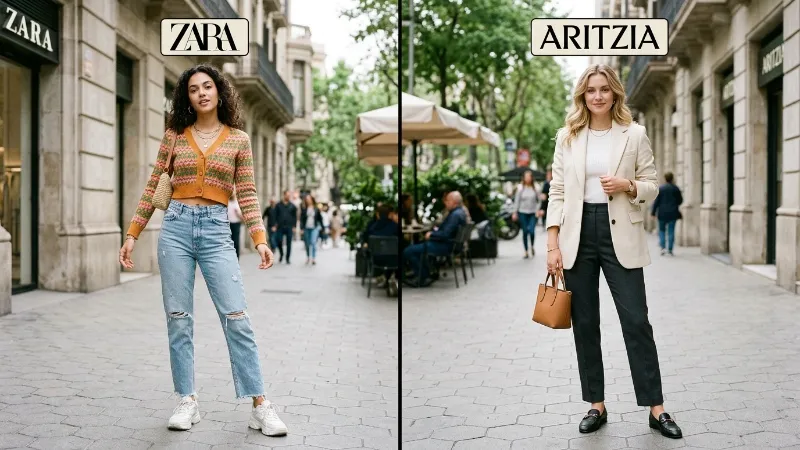
When you compare these two, you are looking at two fundamentally different philosophies. For a shopper, it's a choice between a trendy fix and a wardrobe investment. For a brand owner, it's a choice between two very different operational models. From my factory floor, the distinction is crystal clear. It comes down to speed versus substance. Zara’s entire system is optimized for one thing: getting a design from the runway to the store in weeks3. Aritzia’s system is optimized for perfecting a product that customers will buy again and again. If you are not sure for the time being whether your brand positioning is suitable for fast fashion or custom manufacture, then you can read this article
Here is a simple breakdown for a clothing brand owner:
| Feature | Zara Model (Fast Fashion) | Aritzia Model (Everyday Luxury) |
|---|---|---|
| Product Strategy | Trend-driven, wide assortment | Curation-focused, core basics |
| Speed & Frequency | Extremely high, new drops weekly | Moderate, seasonal collections |
| Perceived Quality | Disposable, good for a season | Investment, long-lasting |
| Brand Loyalty | Low, customer chases trends | High, customer trusts the brand |
| Supply Chain Focus | Agility and reaction speed | Quality control and consistency |
Understanding this table is the first step. One model is a sprint; the other is a marathon.
Is Aritzia Fast Fashion or a New Category of Everyday Luxury?
People sometimes lump Aritzia in with fast fashion because they release new items regularly. This can be confusing and might mislead you when positioning your own brand. Let's clear this up.
Aritzia is not traditional fast fashion. It operates in a category better called "everyday luxury" or "accessible premium." They focus on higher-quality materials, timeless fits, and strong brand curation. This encourages customers to buy core items repeatedly, rather than just chasing fleeting micro-trends.
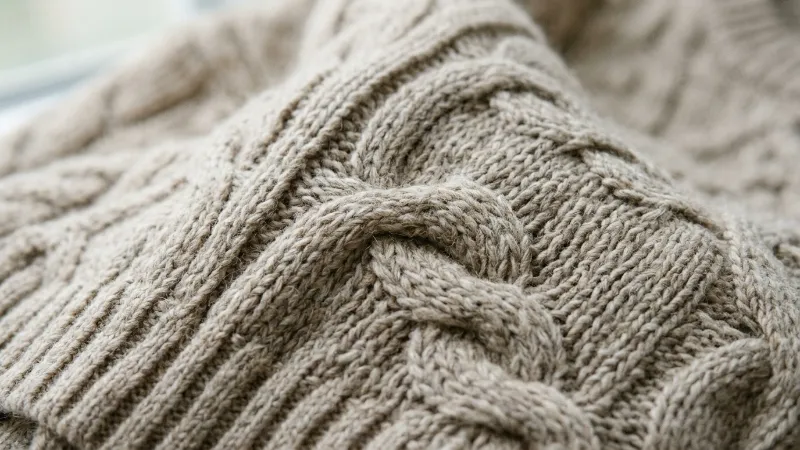
The term "fast fashion" implies disposability. Zara is a master of this. You buy a shirt, wear it five times, and it either falls apart or goes out of style. Aritzia’s approach is the opposite. They build products designed to become staples in your wardrobe. Think about their famous Melina Pant or the TNA-branded sweatshirts. These aren't one-season wonders. They are core products that stay in the collection for years, perhaps released in new colors.
From a production standpoint, this is a game-changer. For an Aritzia-style product, we can spend more time sourcing the perfect fabric. We can refine a pattern over several rounds of samples to get the fit just right. The focus is on creating a best-in-class version of a familiar item, like a hoodie or a T-shirt. This commitment to quality justifies a higher price point and builds a deep sense of trust with the customer. They know that if they buy a sweater from Aritzia, it will look and feel good for a long time. This isn't fashion that is fast; it's fashion that is foundational.
Zara vs Aritzia Quality: Fabric, Fit, and Finishing Compared?
You look at a Zara T-shirt for $15 and an Aritzia T-shirt for $45 and wonder what's going on. Is Aritzia just charging for the brand name, or is there a real difference? Let's break down what quality really means.
Aritzia consistently delivers higher quality in fabric, fit, and finishing. They use better raw materials, invest heavily in perfecting timeless fits, and maintain stricter construction standards. Zara must prioritize speed, which can sometimes mean compromising on fabric quality or fit consistency to get trends to market faster.
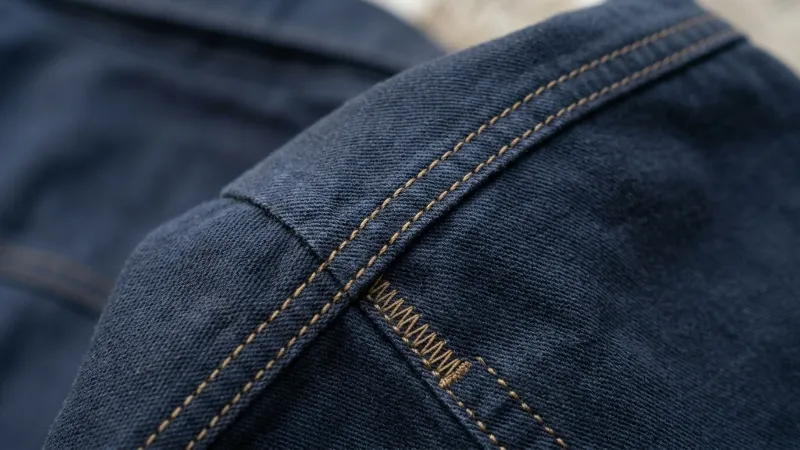
Many new brand owners think a basic T-shirt should be cheap to make. But the difference between a "cheap" basic and a "premium" basic is in the details you can't always see on a webpage. These are the things we obsess over in my factory. When a client says they want "Aritzia-level quality," they are really asking for attention to these invisible factors.
Here’s what drives up the cost and quality of a seemingly simple garment:
| Quality Factor | Low-Cost (Zara-style) Approach | High-Quality (Aritzia-style) Approach |
|---|---|---|
| Fabric | Lower-grade cotton, lower GSM (thinner), feels rougher. | Premium yarns (like Pima or Supima), higher GSM (thicker, better drape), soft hand-feel. |
| Fit | Standardized block pattern, less precise sizing. | Meticulous pattern-making, multiple sample reviews to perfect the silhouette (e.g., boxy, slim). |
| Finishing | Lower stitch density, no special washes, higher risk of shrinkage. | High stitch density for durability, pre-washed for softness, pre-shrunk to stabilize sizing. |
| Color | Lower colorfastness rating, prone to fading after a few washes. | High colorfastness, reactive dyeing for deep, lasting colors that don't bleed. |
A cheap T-shirt looks like a T-shirt. A quality T-shirt feels different the moment you touch it and fits better the moment you put it on. That's what your customers pay a premium for.
Agility vs Curation: How Zara and Aritzia Build Products Differently?
Both Zara and Aritzia bring new products to market, but their entire development philosophies are opposites. Understanding this difference is critical for deciding how you will run your own brand.
Zara's product model is built on agility. They react to runway and street-style trends in near real-time. Aritzia's model is built on curation. They carefully select, design, and perfect a collection of core styles and complementary seasonal pieces. Zara is reactive; Aritzia is proactive.
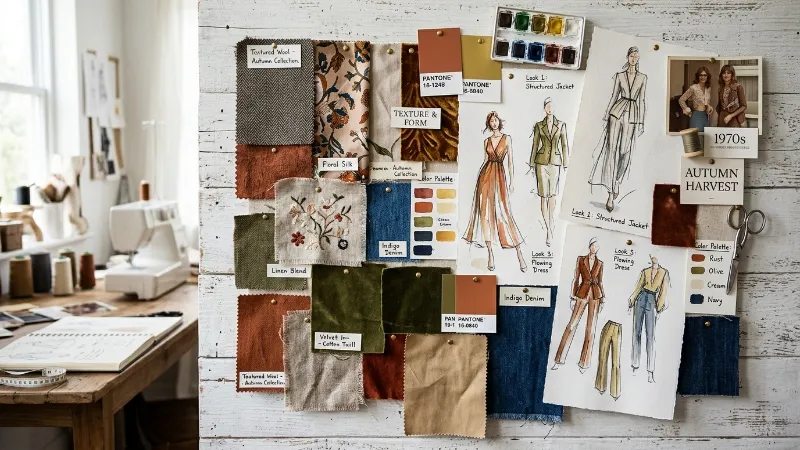
The Zara model looks exciting from the outside. See a trend, make a product, sell it. Simple, right? Wrong. As a manufacturer, I can tell you that this "agility" is one of the hardest and most expensive things to achieve. It requires a massive, vertically integrated supply chain. You need designers who can spot trends, pattern makers who can create samples in days, and factories that will stop everything to produce a small batch of a new style. You also need a huge budget for air freight and a willingness to accept that many of these fast-reacting styles won't sell, leading to inventory losses. It's a system built on volume, speed, and immense operational strength.
The Aritzia model of "curation" is far more manageable. It allows you to build long-term relationships with your suppliers. You can book fabric production months in advance, giving you better pricing and quality control. You can spend weeks, even months, perfecting the fit of a single sweatshirt. Your focus is not on what's new this week, but on what your customer will love for years. This is a more deliberate, less frantic way to build a product line and a brand.
Is Aritzia Better Than Zara for Long-Term Brand Growth?
Every founder wants to build a brand that lasts for decades, not just a few seasons. Chasing trends like Zara can lead to customer fatigue and a constant, exhausting race to the bottom. Let's look at which model builds a more sustainable business.
For almost every new clothing brand, the Aritzia model is far better for long-term growth. It focuses on building brand equity and deep customer loyalty through consistent quality. The Zara model is hyper-competitive and relies on an operational scale that startups simply cannot replicate sustainably.
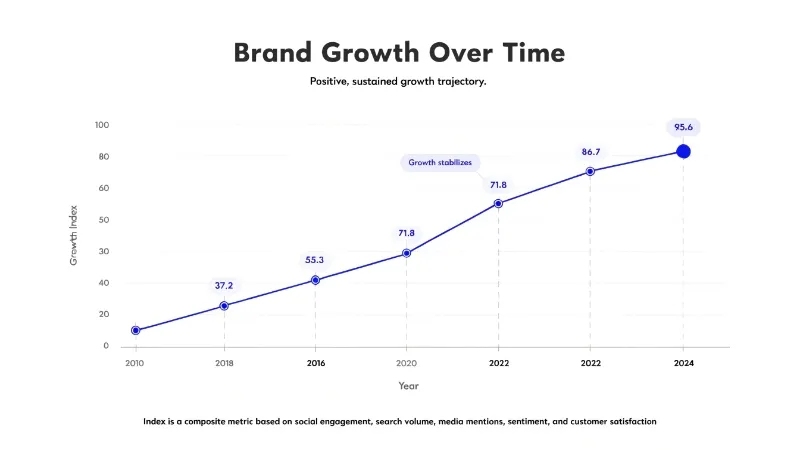
Think about the relationship each brand has with its customers. Zara's relationship is transactional. A customer goes to Zara for a cheap, trendy item they saw on TikTok. Next week, if another brand has a newer, cheaper item, that customer will go there instead. The loyalty is to the trend, not the brand. This forces Zara into a constant cycle of discounting and promotion to move inventory.
Aritzia, on the other hand, builds a relational bond. A customer buys a Wilfred Free lounge set, loves the fabric and the fit, and feels great wearing it. When they need another loungewear set or want to buy a gift, they come back to Aritzia. They trust the brand to deliver a consistent experience. This creates a high customer lifetime value (LTV)4. They are not just buying a product; they are buying into the Aritzia standard of quality. For a startup, building this loyal, trusting customer base is the single most important ingredient for sustainable, long-term growth.
Which Brand Model Is Better for Your Clothing Line?
After all the comparisons, you have to make a choice for your own brand. Making the wrong decision at this early stage can put you on a difficult, if not impossible, path to success. So let's ask the right questions.
The better model is the one that aligns with your resources. Choose the Zara model only if you have significant funding and supply chain5 expertise. The Aritzia model is a far better fit for most startups and small brands focused on building a durable brand with high-quality products.

Stop asking "Which brand is better?" and start asking "Which model is more feasible for me?" In my 21 years of experience, I’ve seen passionate founders with great ideas fail because they chose a model their budget and team couldn't support. They wanted Zara's speed with a startup's budget, and it just doesn't work. If you are still not clear about how to build your brand for the time being, you can read this article.
Here’s a simple guide to help you decide:
You should consider a Zara-style model if:
- You have significant initial funding (think $100,000+ just for inventory).
- You have an in-house team for design, trend-spotting, and data analysis.
- You have existing relationships with factories that are willing to do frequent, small-batch production runs.
- You have a high tolerance for risk and are prepared to write off a percentage of your inventory as a loss.
You should choose an Aritzia-style model if:
- You are a bootstrapped or modestly funded startup.
- Your primary goal is to build a strong brand identity and a loyal customer base.
- You want to be known for quality and consistency, not just for being on-trend.
- You prefer a more manageable development process focused on perfecting a few core items.
For 99% of new brand owners I meet, the Aritzia path is the smarter choice. It's how you build a real, lasting business from the ground up.
How to Use Zara or Aritzia as a Reference Without Copying Them?
You love Aritzia's quality and want to create something with a similar feel. But just walking into a factory and saying, "I want this to be like Aritzia," will get you a confused look. Let's talk about how to turn inspiration into a real product.
Use brands as a benchmark for quality, not a blueprint for production. Instead of just showing a photo, provide your manufacturer with specific technical details. Define the fabric composition, the weight (GSM), the fit type (e.g., boxy, oversized), and the finishing you want.
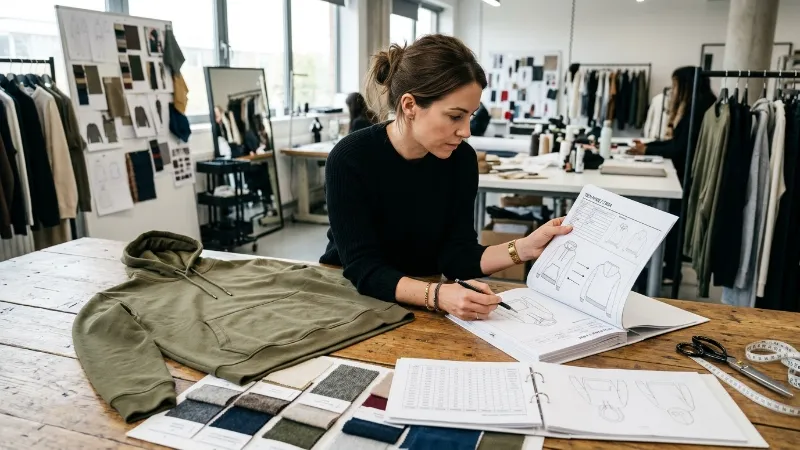
When a client comes to my factory, a reference photo from Aritzia is a good starting point. It tells me you're aiming for a premium feel. But "feel" is subjective. I can't build a product based on a feeling. I need specifications. To turn your vision into a physical garment, you need to translate your inspiration into a language that manufacturers understand.
Instead of "Make it like this Aritzia hoodie," a productive conversation sounds like this: "I'm inspired by this hoodie. I want to create something with a similar premium feel. Here are my target specs:"
- Fabric: 80% Cotton / 20% Polyester fleece, 400 GSM.
- Fit: An oversized, slightly boxy fit. I can provide a measurement chart.
- Finishing: I want it garment-washed for a soft feel and pre-shrunk.
- Details: It needs high-density embroidery on the chest and a custom-woven label.
- Target Price: I plan to retail this for $90, so my target production cost is around $20-$25.
This information is actionable. It gives me, your manufacturing partner, the data I need to start sourcing the right materials and calculating a realistic cost. A reference photo is your direction; a tech pack is your map.
Final Verdict: What Startup Clothing Brands Should Learn?
You have absorbed a lot of information comparing these two retail giants. It can be easy to get lost in the details and forget the most important lesson for your own journey. Here is the final, actionable takeaway.
The most crucial lesson is to build your brand on a foundation you can actually control. For most startups, this means adopting an Aritzia-like focus on quality, core products, and brand identity. Do not chase Zara's speed until you have the massive operational engine to support it.

My advice to every new brand owner is this: start small, but start with quality. Don't try to launch with 50 different styles. Instead, perfect three to five core knitwear items.
- A perfect T-shirt
- A high-quality hoodie
- A comfortable sweatshirt or jogger set
Focus all your energy on making these items exceptional. Obsess over the fabric hand-feel, the weight, the drape, and the fit. Once you have a product that customers love, they will come back. They will tell their friends. This creates a stable foundation of repeat business and positive cash flow.
From that position of strength, you can then begin to experiment. You can introduce a seasonal color or test one or two trend-inspired pieces. But you do it from a stable base, not from a frantic need to chase what's new. The Aritzia model teaches us that true brand power comes from being a reliable source of quality, not a fleeting reflection of trends.
Conclusion
The best brand model is not about copying Zara or Aritzia. It's about honestly aligning your product strategy with your financial resources, your operational capabilities, and your long-term vision.
Frequently Asked Questions (FAQ)
1. Can I combine the Zara and Aritzia models for my brand? Yes, but it should be done strategically. A smart approach for a growing brand is to build a core collection of high-quality basics (the Aritzia model) that generate consistent sales. Once you have a stable customer base and cash flow, you can introduce a limited number of "capsule collections" or trend-driven pieces each season (a small-scale Zara model) to create excitement and test new ideas without risking your entire business.
2. What is a good starting MOQ for an Aritzia-style brand? For high-quality knitwear, a good starting point for a custom style is often between 300-500 pieces per color/style. This allows the factory to source quality fabric and set up an efficient production line. At JuTao Garment, we understand the needs of startups and work to be as flexible as possible. The key is to have an open conversation with your manufacturer about your goals.
3. How much more expensive is a 'quality' basic T-shirt to produce? The cost can vary significantly. A premium T-shirt using Supima cotton at 220 GSM with special washing can cost 50% to 150% more to produce than a basic 160 GSM carded cotton tee. The extra cost comes from better yarn, heavier fabric, more complex dyeing processes, and more rigorous quality control. However, this investment often translates to a much higher retail price and greater customer loyalty.
4. Is the Zara model always more profitable? Not necessarily. While Zara's parent company, Inditex, is incredibly profitable, it's due to immense scale and operational mastery. For a small brand, the Zara model can be a cash drain. High development costs, air freight, and unsold inventory can destroy margins. The Aritzia model often yields higher per-item profit margins and builds a more predictable, sustainable revenue stream for a new business.
5. What's the first step to developing a high-quality basic with a factory? The first step is to define your product as clearly as possible. Create a simple "tech pack" or specification sheet. It should include: a reference image or sketch, desired fabric composition (e.g., 100% cotton), fabric weight (e.g., 250 GSM), key measurements for your desired fit, and any special details like printing, embroidery, or washing. The more specific you are, the faster and more accurately a factory can provide a quote and begin sampling.
"[PDF] Fast Fashion: Business Model Overview and Research Opportunities", http://personal.anderson.ucla.edu/felipe.caro/papers/CaroMartinez-de-Albeniz2014_BookChapterFastFashion.pdf. Fast fashion retailers like Zara operate vertically integrated supply chains requiring substantial capital investment in production facilities, logistics infrastructure, and inventory management systems to achieve rapid product turnover cycles. Evidence role: mechanism; source type: paper. Supports: the capital intensity and supply chain responsiveness required for fast fashion business models. Scope note: Sources may discuss fast fashion generally rather than Zara's specific capital requirements ↩
"An Overview of the Luxury Fashion Industry - PMC", https://pmc.ncbi.nlm.nih.gov/articles/PMC7355146/. Fashion retail research identifies an 'accessible premium' or 'contemporary' segment positioned between mass-market fast fashion and traditional luxury, characterized by higher quality materials and moderate price points targeting aspirational consumers. Evidence role: definition; source type: paper. Supports: the retail category positioning between fast fashion and luxury segments. Scope note: Terminology varies across sources; 'everyday luxury' may be marketing language rather than established academic category ↩
"The nuts and bolts of fast fashion: the secrets behind Zara and ...", https://www.iese.edu/insight/articles/fast-fashion-business-model-zara/. Research on fast fashion supply chains documents that leading retailers can compress design-to-retail cycles to 2-4 weeks, compared to traditional fashion industry timelines of several months. Evidence role: statistic; source type: paper. Supports: the rapid product development cycle characteristic of Zara's fast fashion model. Scope note: Exact timelines vary by product category and may have changed with evolving business practices ↩
"Customer Lifetime Value: What It Is and Why It Matters - Wharton", https://executiveeducation.wharton.upenn.edu/thought-leadership/wharton-online-insights/why-customer-lifetime-value-matters/. Retail marketing research demonstrates that customer retention and repeat purchase behavior significantly increase lifetime value, with loyal customers generating substantially higher revenue over time compared to one-time purchasers. Evidence role: mechanism; source type: paper. Supports: the positive correlation between customer loyalty and lifetime value in retail contexts. Scope note: General retail findings may not fully capture fashion-specific dynamics ↩
"Fast Fashion and its Effect on Retail Supply Chain Management", https://businessstories.sandiego.edu/fast-fashion-and-its-effect-on-retail-supply-chain-management. Fast fashion supply chains require vertical integration, rapid response capabilities, and significant capital investment in logistics infrastructure, creating substantial barriers to entry for startup brands without established manufacturing relationships and working capital reserves. Evidence role: mechanism; source type: research. Supports: the operational complexity and capital intensity of fast fashion supply chains that create barriers for new entrants. ↩