
Choosing the right hoodie sounds simple until you start developing one for a real clothing brand.
A customer may say they want “a premium hoodie,” but that can mean many different things: a 450 GSM oversized streetwear hoodie, a lightweight French terry pullover, a cropped hoodie for women’s lifestyle wear, or a performance hoodie made with stretch fabric. Each type needs a different fit block, fabric weight, decoration method, and production approach.
For new clothing brands, the wrong hoodie choice can create expensive sample changes. A fabric may feel too soft and collapse. A print may not sit well over a zipper. An oversized shape may look good in a mockup but feel too heavy for the target customer.
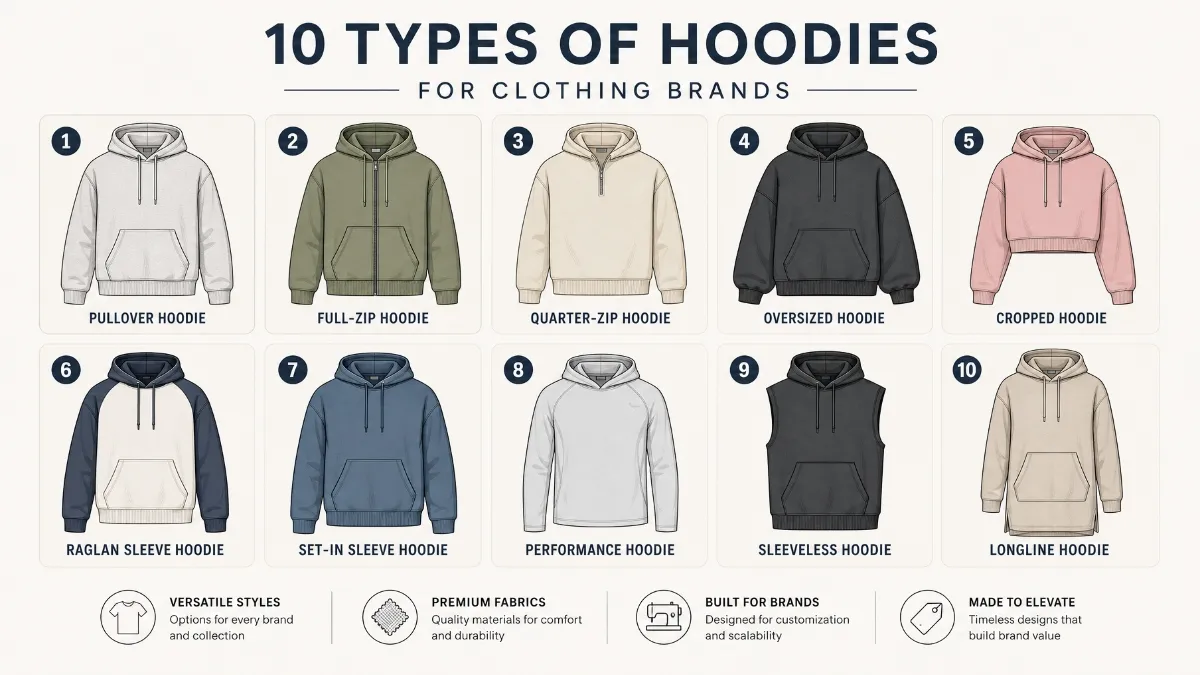
This guide explains the 10 main types of hoodies brands should understand before sampling. Instead of only describing fashion names, we’ll look at each hoodie from a product-development point of view: fit, fabric, GSM, construction, decoration, and best use case.
Quick Comparison: 10 Hoodie Types for Brands
The best hoodie type depends on your target customer, fabric weight, fit direction, season, and branding method. Pullover and oversized hoodies are usually the safest choices for graphic streetwear, while zip-up, cropped, and performance hoodies need more careful development.
| Hoodie Type | Best For | Common Fabric | Typical GSM | Decoration Notes |
|---|---|---|---|---|
| Pullover Hoodie | Core basics, graphic drops | Fleece, French terry | 260–450+ GSM | Best for large front/back prints |
| Full-Zip Hoodie | Layering, casual retail | Cotton/poly fleece | 280–420 GSM | Avoid large prints across zipper |
| Quarter-Zip Hoodie | Elevated casual, athleisure | French terry, performance knit | 260–380 GSM | Best for chest/back branding |
| Oversized Hoodie | Streetwear, premium drops | Heavy fleece, French terry | 320–500+ GSM | Works well with bold graphics |
| Cropped Hoodie | Women’s lifestyle, youth | Light fleece, French terry | 240–340 GSM | Smaller print area |
| Raglan Hoodie | Sportswear, teamwear | Fleece, French terry | 260–420 GSM | Watch seam placement |
| Set-In Sleeve Hoodie | Classic retail basics | Fleece, French terry | 260–420 GSM | Reliable for most decoration |
| Performance Hoodie | Activewear, outdoor | Poly/stretch blends | 180–300 GSM | Use low-temp transfer carefully |
| Sleeveless Hoodie | Gym, fanwear, layering | Fleece, poly knit | 200–320 GSM | Armhole finish matters |
| Longline Hoodie | Streetwear, layering | Midweight fleece/terry | 260–380 GSM | Good for vertical graphics |
How We Categorize Hoodie Types
Hoodie types are not grouped by one rule only. In real apparel development, brands classify hoodies by opening style, silhouette, sleeve construction, body length, fabric function, and end use.
A pullover hoodie and a full-zip hoodie are different because of the front opening. An oversized hoodie is different because of its silhouette. A raglan hoodie is defined by sleeve construction. A performance hoodie is more about fabric function.
This is important because brands often mix these categories. For example, you can make an oversized pullover hoodie, a cropped zip-up hoodie, or a raglan performance hoodie. The names in this guide are not strict boxes. They are the most common hoodie directions buyers discuss when building a collection.
For product development, we usually recommend brands think in this order:
- Who is the target customer?
- What silhouette do they expect?
- What fabric weight fits the season and price point?
- What decoration method will be used?
- How many styles can the brand realistically sample and launch?
This approach helps avoid one of the most common mistakes: choosing a hoodie style from a picture without checking whether the fabric, fit, and printing method can support the design.
2026 Hoodie Style Trends
In 2026, hoodie development is moving toward better structure, cleaner silhouettes, heavier premium fabrics, versatile zip styles, and performance-inspired comfort. Brands should focus less on adding more details and more on getting fit, handfeel, and fabric weight right.
Oversized hoodies are still strong, especially in streetwear and premium casual collections. But the look is becoming cleaner. Many brands now prefer boxy shapes, dropped shoulders, tighter rib control, and fewer loud details.
Zip-up and quarter-zip hoodies are also gaining attention because they are easy to layer. They work well for lifestyle brands that want something more versatile than a basic pullover.
Performance hoodies continue to grow in activewear and outdoor-inspired collections. These usually use lighter GSM fabrics, stretch blends, moisture-wicking knits, or smoother synthetic surfaces. The challenge is that decoration becomes more technical. Heat settings, dye migration, and stretch recovery must be tested before bulk production. For performance or polyester-rich hoodies, resources such as the Stahls dye migration handbook are useful for understanding why low-temperature and low-bleed solutions matter.
2026 hoodie buyers are asking better questions. They no longer only ask, “Can you make this design?” More brands now ask about shrinkage, fabric handfeel, print durability, safety certification, and care labeling. For brands selling into the U.S. market, the FTC apparel labeling guidance is also worth reviewing before production.
10 Types of Hoodies
The 10 most useful hoodie types for clothing brands are pullover, full-zip, quarter-zip, oversized, cropped, raglan, set-in sleeve, performance, sleeveless, and longline hoodies. Each one works best for a different customer, fabric, and branding method.
1. Pullover Hoodie
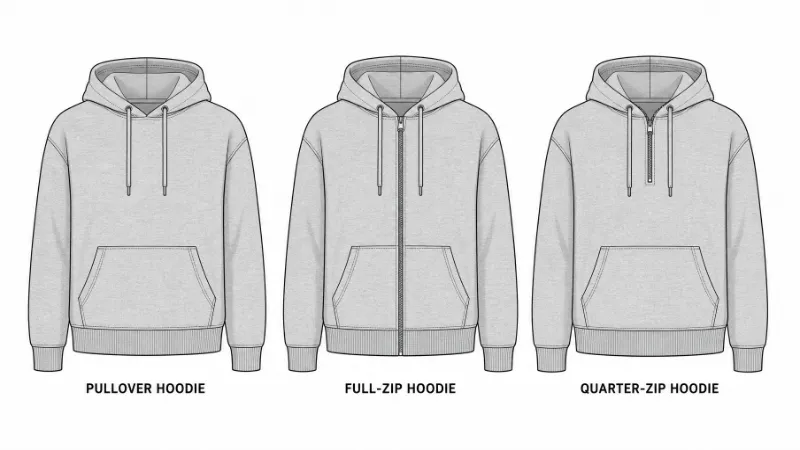
A pullover hoodie is the most familiar hoodie style. It has no front zipper, usually includes a hood, and often comes with a kangaroo pocket.

For brands, this is usually the safest starting point. The clean front panel makes it easier to apply large graphics, embroidery, screen printing, DTG, or DTF. It also has fewer construction complications than zip-up styles.
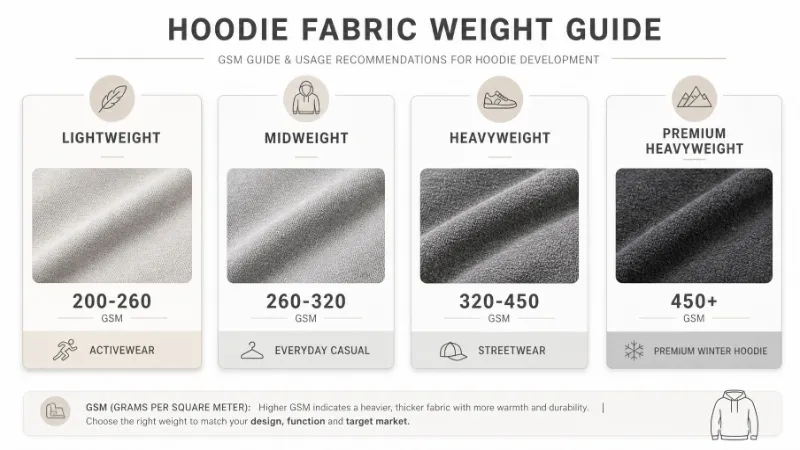
Most pullover hoodies use fleece or French terry between 260 and 450+ GSM. A 280–320 GSM pullover works well for midweight casual collections, while 350–450 GSM is better for premium streetwear.
If you are using DTG printing, cotton-rich fabrics usually perform better because they absorb ink more effectively. Kornit’s DTG guidance also notes that cotton and high-cotton blends are generally more suitable for detailed DTG artwork than polyester-rich fabrics. You can read more in Kornit’s guide to hoodie printing tips.
Factory note: If your design needs a large front print, a pullover is usually easier and more stable than a full-zip hoodie. It gives the printer a flat surface and reduces alignment problems.
2. Full-Zip Hoodie
A full-zip hoodie has a zipper running from the hem to the neckline. It is popular for layering, casual wear, uniforms, and retail basics.
The biggest advantage is convenience. Customers can wear it open, closed, or layered over a T-shirt. The biggest production challenge is the zipper area. Large graphics that cross the zipper are harder to print cleanly and may require special handling.
Typical fabrics include cotton/poly fleece, three-end fleece, or midweight French terry in the 280–420 GSM range.
For branding, left chest embroidery, sleeve prints, back prints, or small woven labels often work better than large center-front prints. If your artwork must cross the zipper, it is worth reviewing practical printer guidance such as this ScreenPrinting.com walkthrough on zipper hoodies before confirming the design.
3. Quarter-Zip Hoodie
A quarter-zip hoodie uses a short zipper from the neckline to the upper chest. It feels more elevated than a basic pullover and is common in athleisure, golf-inspired casualwear, and modern layering pieces.

This style works well when a brand wants a cleaner look with less obvious streetwear styling. The chest area is more structured, so small logos, embroidery, and back graphics usually work best.
Fabric choices can range from 260–380 GSM French terry to lightweight performance knits. The zipper, collar shape, and hood construction need to be balanced carefully so the neckline does not feel bulky.
Quarter-zip hoodies are a good option for brands that want a slightly more premium look without moving fully into technical outerwear.
4. Oversized Hoodie
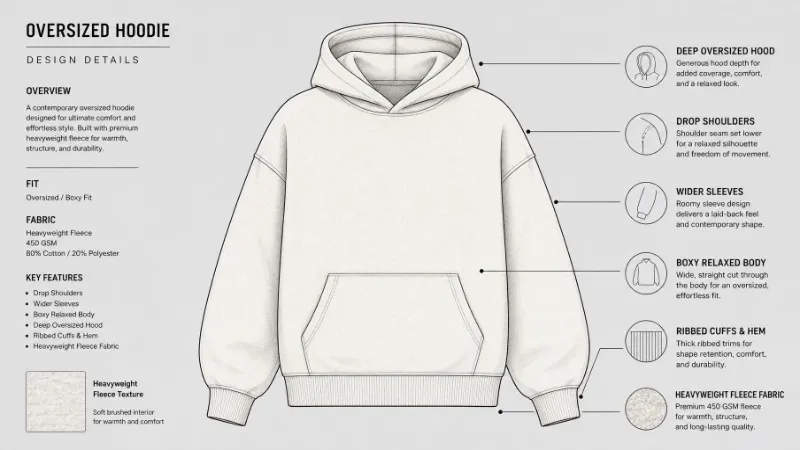
An oversized hoodie has a relaxed, roomy shape, often with dropped shoulders, wider sleeves, and a boxier body. It is one of the strongest hoodie directions for streetwear brands.

The fabric matters a lot here. If the GSM is too light, the hoodie may look loose instead of structured. Many brands choose 350–450 GSM fleece for a strong silhouette. Some premium styles go even heavier, but weight should match the customer’s climate and price point.
Oversized hoodies are good for bold graphics, puff print, embroidery, appliqué, and premium blank collections.
Factory note: Many new brands ask for “heavyweight oversized,” but not every customer wants a very stiff or hot hoodie. Before bulk production, test both GSM and handfeel. A 420 GSM fabric with good softness may sell better than a 500 GSM fabric that feels impressive but uncomfortable.
5. Cropped Hoodie
A cropped hoodie has a shorter body length, usually ending near the waist or above the hip. It is common in women’s lifestyle, dancewear, gym-to-street outfits, and youth fashion.

This style looks simple, but proportion is important. The body length, sleeve volume, rib tension, and pocket placement need to work together. If the hem is too tight, the hoodie may ride up. If the fabric is too heavy, the cropped shape may feel bulky.
Common fabrics include light fleece or French terry between 240 and 340 GSM. Small chest prints, embroidery, and tonal branding often suit this style better than oversized graphics.
For women’s lifestyle brands, a cropped hoodie can be a strong add-on style, but it should not be developed only by shortening a standard hoodie pattern. The fit block needs its own proportion.
6. Raglan-Sleeve Hoodie
A raglan hoodie has sleeves that run diagonally from the underarm to the neckline. This gives the shoulder area a sportier look and can allow more movement.

Raglan construction is common in athleisure, teamwear, and casual sports-inspired designs. It also works well when brands want contrast sleeves or color-blocked panels.
The main point to watch is print placement. Since the seam line cuts across the shoulder area, artwork should avoid sitting too close to the seam. Chest and back prints are usually safe, but sleeve graphics need careful positioning.
If your brand wants a hoodie that feels more active and less like a standard blank, a raglan sleeve is a practical option.
7. Set-In Sleeve Hoodie
A set-in sleeve hoodie has a traditional shoulder seam. This is the classic structure used in many retail hoodies.
It gives a clean, familiar fit and is easy to grade across sizes. For brands that want a reliable core hoodie, this is often the best option. It works for uniforms, private label basics, schoolwear, merch, and simple premium collections.
Fabric options are broad, usually from 260–420 GSM fleece or French terry. Decoration flexibility is also strong because the body panels are predictable.
If your brand is launching its first hoodie collection, a set-in sleeve pullover in a tested fabric is usually lower risk than a complicated panel design.
8. Tech and Performance Hoodie
A performance hoodie is designed for movement, training, outdoor use, or active lifestyle wear. It usually uses polyester, nylon, spandex blends, or other technical knits.

These hoodies are lighter than traditional fleece hoodies, often around 180–300 GSM. They may include stretch, moisture-wicking, UV protection, thumbholes, bonded seams, or mesh panels.
The main challenge is decoration. High heat can damage stretch fabrics or cause dye migration. For synthetic fabrics, low-temperature transfers, tested DTF, or small logo applications are usually safer than heavy screen printing.
Factory note: Always test the decoration method on the actual bulk fabric. A transfer that looks good on cotton fleece may behave differently on polyester stretch fabric.
9. Sleeveless or Vest Hoodie
A sleeveless hoodie removes the sleeves but keeps the hooded body shape. It is often used for gym brands, fanwear, streetwear layering, or warmer-weather collections.

The armhole finish is the key construction point. Rib binding, self-fabric binding, or clean coverstitching can all work, but the opening must hold shape after washing and movement.
Common fabrics range from 200–320 GSM, depending on whether the hoodie is meant for training or casual wear. Screen printing and DTF are common, while embroidery can work for small logos.
This type is not as universal as a pullover hoodie, but it can be useful for brands targeting fitness, dance, or lifestyle layering.
10. Longline or Tunic Hoodie
A longline hoodie has an extended body length. It may have a straight hem, curved hem, side slits, or a tunic-like shape.
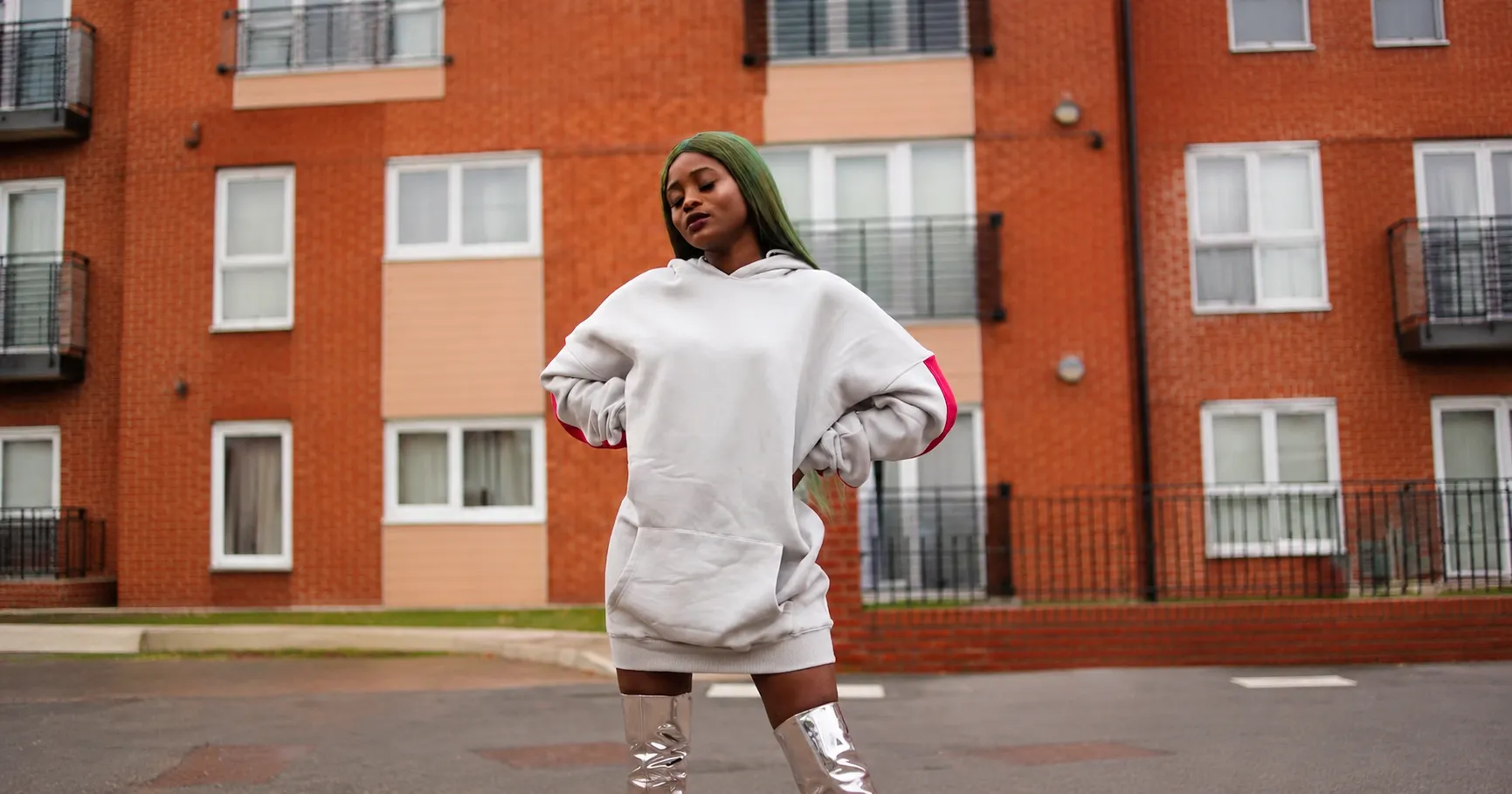
This style is useful for layered streetwear, modest fashion, women’s casualwear, and modern lifestyle collections. The challenge is maintaining proportion across sizes. If the body is simply made longer without adjusting the pocket, sleeve, and hem, the garment can look unbalanced.
Midweight fabrics around 260–380 GSM usually work well. Too much weight can pull the garment down, especially in larger sizes.
Longline hoodies can support chest prints, vertical graphics, back prints, and subtle embroidery. They are best for brands that want a more fashion-led hoodie rather than a basic blank.
How to Choose the Right Hoodie Type for Your Brand
To choose the right hoodie type, start with your customer and sales channel, then match the fit, GSM, fabric, and decoration method to that market. A hoodie should not only look good in a mockup; it should fit your price point, production plan, and customer expectations.
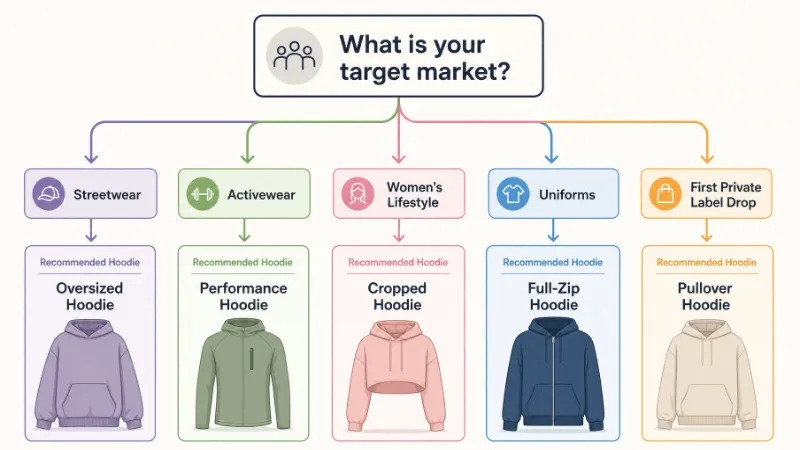
| Brand Goal | Recommended Hoodie Type | Fabric Suggestion | Branding Suggestion |
|---|---|---|---|
| First private label drop | Pullover or set-in hoodie | 280–360 GSM fleece/terry | Screen print or embroidery |
| Streetwear collection | Oversized hoodie | 350–450 GSM fleece | Puff print, screen print, embroidery |
| Women’s lifestyle line | Cropped hoodie | 240–320 GSM terry/fleece | Small chest logo or tonal print |
| Athleisure brand | Quarter-zip or raglan hoodie | 260–380 GSM terry/performance knit | Embroidery or heat transfer |
| Gym or activewear brand | Performance or sleeveless hoodie | 180–300 GSM stretch knit | Low-temp transfer |
| Uniform or teamwear | Full-zip hoodie | 280–360 GSM fleece | Left chest embroidery |
If you are a startup brand, do not sample too many hoodie types at once. Start with one or two strong silhouettes and develop them well. A good fabric, clean fit, and reliable print will usually sell better than a large collection with inconsistent quality.
Brands that care about safer textile choices can also check certification systems such as OEKO-TEX STANDARD 100, which focuses on testing textiles for harmful substances.
The Mistakes When Choosing Hoodie Types
The most common hoodie development mistakes are choosing a style from photos only, ignoring GSM, using the wrong print method, overcomplicating the first sample, and developing too many styles before testing customer demand.
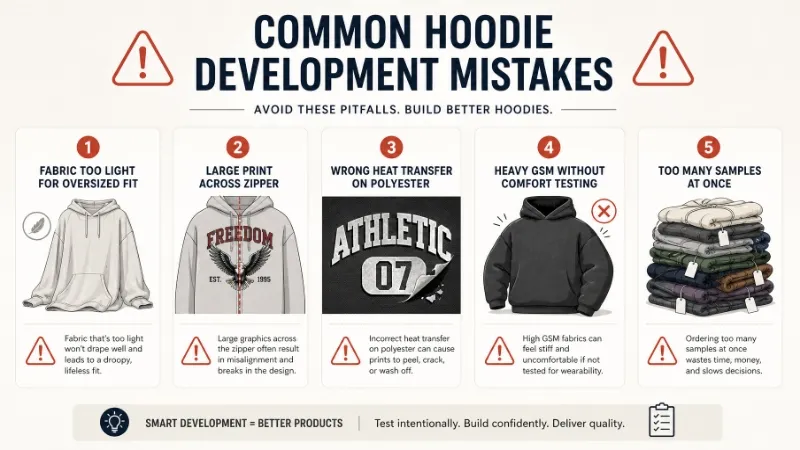
One common mistake is using lightweight fabric for an oversized hoodie. The garment may look flat and lose the shape that streetwear customers expect.
Another issue is choosing a full-zip hoodie for a large center-front graphic. The zipper breaks the artwork and makes production more difficult.
Some brands also choose heavy GSM without thinking about comfort. A thick hoodie can feel premium, but if it is too stiff or too warm for the market, customers may not wear it often.
For performance hoodies, the problem is usually decoration. Stretch fabrics and synthetic materials need testing before printing or heat transfer.
The safest path is to confirm fabric, fit, shrinkage, artwork, and decoration before approving bulk production. For testing references, apparel teams often look at organizations such as AATCC, which develops textile test methods and procedures used across the industry.
What to Confirm Before Sampling a Hoodie
Before making hoodie samples, brands should confirm the target fit, fabric composition, GSM, color, decoration method, size range, logo files, trims, packaging, and expected bulk quantity. Clear specifications reduce sampling rounds and help the factory quote more accurately.
A simple development checklist should include:
- Hoodie type and reference photos
- Target customer and selling price range
- Fit direction: classic, relaxed, oversized, cropped, athletic
- Fabric composition and GSM
- Color and Pantone reference if needed
- Print or embroidery artwork files
- Logo size and placement
- Zipper, drawcord, rib, label, and packaging requirements
- Sample quantity and target bulk quantity
For most brands, the first sample should focus on the core product: fit, fabric, and main branding. Extra details can be added later once the base hoodie is correct.
Care instructions and labels should also be considered early, especially for brands selling to the U.S. market. The FTC Care Labeling Rule explains why apparel products need clear care information for consumers.
Final Thoughts
The right hoodie type can make product development smoother, reduce sampling costs, and help your collection feel more professional. For clothing brands, hoodie selection should always connect style with fabric, fit, decoration, and production reality.
There is no single best hoodie for every brand. A streetwear label may need a heavyweight oversized pullover. A gym brand may need a lightweight performance hoodie. A women’s lifestyle brand may prefer cropped French terry styles. A uniform buyer may care more about durable full-zip hoodies with clean embroidery.
The key is not to chase every hoodie trend at once. Choose the style that fits your customer, then build it properly.
If you are planning a private label hoodie collection, Easson Apparel can help you review your design, choose suitable fabrics, confirm GSM, develop samples, and prepare for bulk production. Share your hoodie reference, target quantity, fabric direction, and logo artwork with our team, and we’ll help you turn the idea into a production-ready product.