
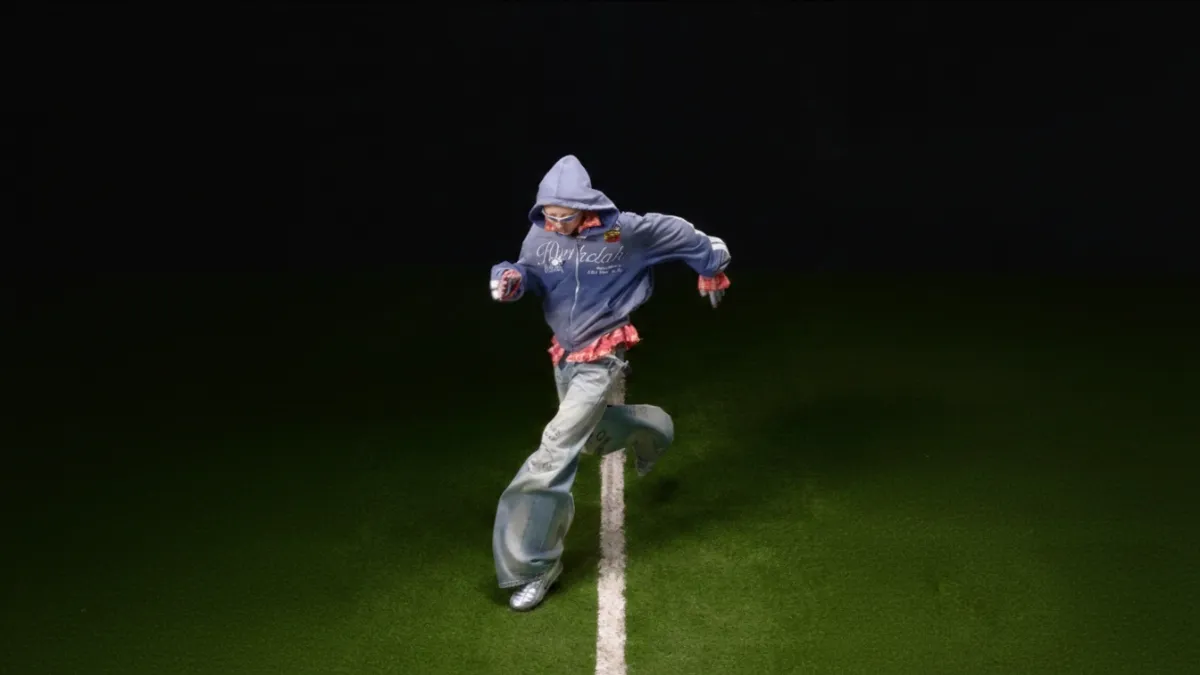
Hoodies are still one of the most popular casualwear pieces in the United States, but the styles people want in 2026 are changing.
This year, the strongest hoodie trends are moving in several directions at once: oversized streetwear fits, men’s athletic hoodies, bold graphic patterns, heavyweight fleece, earth-tone colors, and more eco-friendly materials.
For everyday consumers, this guide helps explain which hoodie styles are trending right now and why they are popular. For clothing brands, startups, and private-label buyers, it also explains what fabric, fit, decoration, and production details matter before developing a hoodie collection. If you are already planning production, you can also explore our custom hoodie manufacturer service for fabric sourcing, sampling, printing, embroidery, and bulk production support.
Below are 10 popular hoodie trends in 20261, with practical notes from a garment manufacturing perspective.
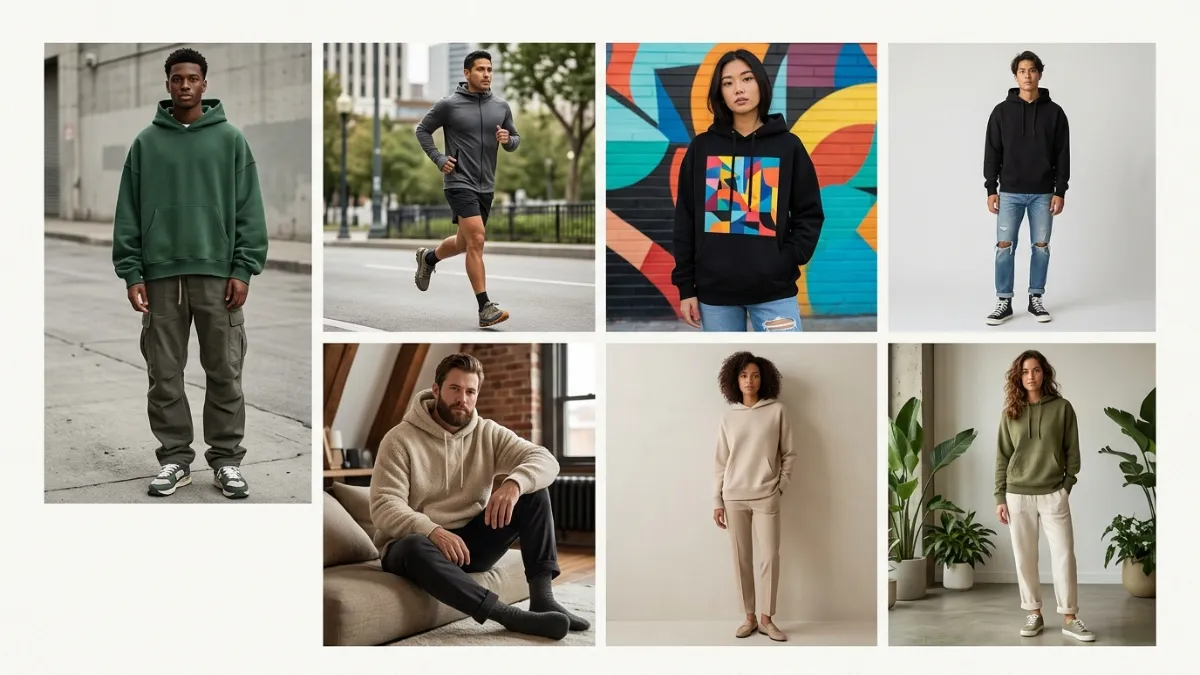
Quick Comparison: 10 Hoodie Trends in 2026
| Hoodie Trend | Best For | Fit Direction | Fabric / Design Cue | Brand Positioning |
|---|---|---|---|---|
| Oversized Hoodies | Streetwear, casualwear | Boxy, drop shoulder | Mid-to-heavy fleece | Relaxed, youthful, street-inspired |
| Men’s Athletic Hoodies | Gym-to-street, travel, active casualwear | Athletic or relaxed fit | Stretch fleece, midweight fabric | Sporty, clean, practical |
| Graphic Hoodies with Bold Patterns | Streetwear drops, creator brands | Regular or oversized | Large prints, puff print, sleeve graphics | Bold, expressive, identity-driven |
| Heavyweight Hoodies | Premium streetwear, colder markets | Boxy or structured | 350–450 GSM+ fleece | Premium, durable, high-value |
| Minimalist Hoodies | Capsule wardrobes, basics brands | Clean and balanced | Premium cotton or cotton blend | Simple, versatile, refined |
| Vintage-Inspired Hoodies | Retro sportswear, college style | Classic or relaxed | Washed fleece, faded graphics | Nostalgic, casual, timeless |
| Zip-Up Hoodies | Layering, gym, everyday use | Regular or relaxed | Smooth zipper, stable front placket | Practical, versatile, easy to wear |
| Cropped Hoodies | Women’s athleisure, lifestyle fashion | Short body, relaxed sleeve | Midweight fleece, wide rib hem | Sporty, youthful, lifestyle-focused |
| Earth-Tone Hoodies | Minimal fashion, lifestyle collections | Clean or relaxed | Brown, olive, clay, beige | Natural, calm, wardrobe-friendly |
| Sustainable Hoodies with Eco-Friendly Materials | Eco-conscious brands | Depends on brand style | Organic cotton, recycled blends | Responsible, transparent, values-led |
For a deeper breakdown of hoodie silhouettes, construction details, and use cases, read our guide to 10 types of hoodies.
Which Hoodie Styles Are Trending Right Now in the United States?
Based on current search interest and common retail signals, hoodie trends in the United States are moving toward comfort, everyday versatility, and stronger visual identity. The most noticeable directions include men’s athletic hoodies, oversized streetwear hoodies, bold graphic hoodies, heavyweight fleece hoodies, zip-up hoodies, and eco-friendly hoodie styles.
These trends reflect how people dress now. Many consumers want hoodies that feel comfortable enough for daily wear, look good in casual outfits, and still show a clear style direction.
For men’s fashion, athletic hoodies and heavyweight hoodies are especially strong because they work across gym wear, travel, streetwear, and weekend outfits. For younger streetwear brands, oversized hoodies and bold patterns remain important because they create a stronger visual look.
For brands developing hoodie collections, the trend is not only about choosing a popular style. The fabric weight, fit, color, print method, and sustainability claims all affect whether the hoodie feels current in 2026.
What Makes a Hoodie Trendy in 2026?
A hoodie feels trendy in 2026 when the fit, fabric, color, and details match how people actually dress today.
The most important signals include:
- A relaxed or oversized silhouette
- Athletic comfort that works for everyday wear
- Bold graphics or strong brand identity
- Heavyweight fleece with better structure
- Neutral, washed, or earth-tone colors
- Eco-friendly or certified materials
- Details that look good in social media photos
A hoodie does not need every trend at once. In fact, the best hoodie designs usually focus on one clear direction.
For example, a men’s athletic hoodie may focus on movement, comfort, and clean styling. A streetwear hoodie may focus on oversized fit, heavier fleece, and bold graphics. A sustainable hoodie may focus on organic cotton, recycled materials, and long-term wearability.
From a manufacturing perspective, the most successful hoodie styles usually balance three things: the right fabric, the right fit, and the right decoration method. If you are still comparing fleece, French terry, cotton, and cotton-poly blends, our best hoodie material guide explains how different fabrics affect comfort, cost, printing, and bulk production.
Why Hoodies Remain Popular in 2026
Hoodies remain popular because they solve several problems at once.
For consumers, they are comfortable, easy to layer, and wearable across seasons. A hoodie can work with jeans, joggers, wide-leg pants, shorts, leggings, or activewear. It also fits different style directions, from streetwear to minimalist fashion.
For clothing brands, hoodies are one of the most flexible product categories. The same basic garment can be changed through:
- Fabric weight
- Fit and silhouette
- Hood construction
- Rib quality
- Printing or embroidery
- Zipper or pullover design
- Washing and dyeing effects
- Branding placement
This is why hoodie trends keep changing. The basic product stays familiar, but the details evolve every year.
From a factory perspective, the biggest difference between an average hoodie and a strong-selling hoodie is not always the artwork. It is often the combination of fabric, fit, construction, shrinkage control, and finishing.
1. Oversized Hoodies
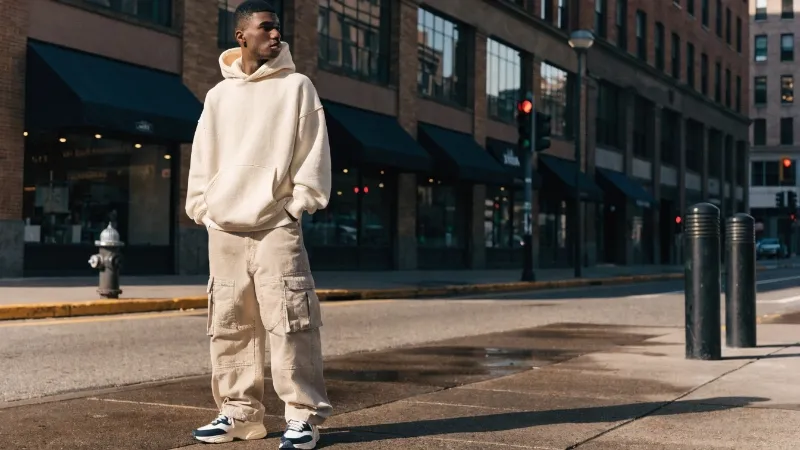
Oversized hoodies remain one of the strongest hoodie trends in 2026, especially in streetwear and casual fashion.
This style usually features a roomy body, dropped shoulders, wider sleeves, and a relaxed length. It gives the wearer comfort, movement, and a strong streetwear silhouette. Many brands use oversized hoodies as the foundation for graphic drops, heavyweight basics, and unisex collections. A useful retail example is Gap’s Adult Heavyweight Oversized Hoodie2, which reflects the continued demand for oversized silhouettes and heavyweight fleece.
Why oversized hoodies are trending
Oversized hoodies work well because they feel relaxed but still look intentional when the proportions are right. They also photograph well for social media, especially when paired with wide-leg pants, cargo pants, joggers, or sneakers.
For younger customers, oversized fits often feel more modern than slim-fit hoodies. For brands, the oversized silhouette also gives more space for front logos, back graphics, sleeve prints, and embroidery.
Key design cues
Look for:
- Drop shoulders
- Boxy body shape
- Roomy sleeves
- Slightly longer or balanced body length
- Thicker ribbing at cuffs and hem
- Structured hood shape
Manufacturer insight
Oversized does not mean simply making every measurement bigger. If the sleeve width, shoulder drop, body length, and rib tension are not balanced, the hoodie can look sloppy instead of premium.
For a better oversized hoodie, brands should pay attention to:
- Shoulder drop
- Sleeve opening
- Bottom rib tightness
- Hood size
- Fabric weight
- Shrinkage after washing
For premium streetwear, a mid-to-heavy fleece is usually better because it helps the garment hold its boxy shape. Lightweight fleece can collapse too easily and make the hoodie look less structured. For brands developing a boxy or oversized fit, our boxy hoodie manufacturer page shows how this silhouette can be developed for custom hoodie projects.
2. Men’s Athletic Hoodies
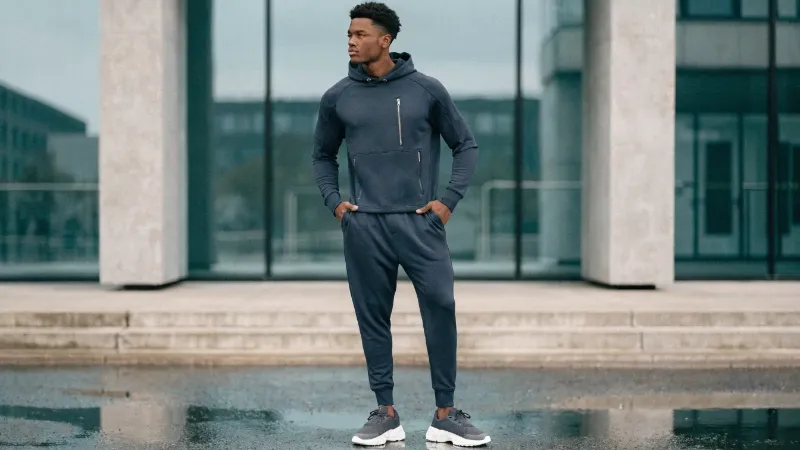
Men’s athletic hoodies are one of the most practical hoodie trends in 2026. They sit between sportswear and everyday casualwear, making them popular for gym wear, travel, commuting, and relaxed weekend outfits.
Unlike basic fashion hoodies, athletic hoodies usually focus more on comfort, movement, and fabric performance. They may use stretch fleece, cotton-poly blends, moisture-friendly fabrics, or lighter brushed fleece for year-round wear.For a broad view of current athletic hoodie styles, you can browse Nike’s men’s hoodies and sweatshirts3.
Why men’s athletic hoodies are trending
The rise of gym-to-street styling has made athletic hoodies more wearable outside the gym. Many men now want hoodies that look clean enough for daily outfits but still feel comfortable for active use.
Popular details include:
- Raglan sleeves
- Stretch rib cuffs
- Lightweight or midweight fleece
- Clean chest logo
- Zip pockets
- Full-zip or half-zip construction
- Athletic tapered fit
Key design cues
Look for:
- Clean athletic silhouette
- Raglan or movement-friendly sleeves
- Midweight fleece
- Smooth inside hand feel
- Functional pockets
- Minimal logos
- Stretch or recovery in cuffs and hem
Manufacturer insight
For athletic hoodies, fabric recovery and comfort are more important than just thickness. A very heavy fleece may look premium, but it may not be suitable for training, travel, or daily movement.
For this style, brands should test:
- Stretch and recovery
- Sleeve movement
- Fabric breathability
- Pilling after washing
- Zipper or pocket durability
- Shrinkage after repeated wash tests
For most athletic hoodie projects, a midweight fabric can be more practical than a very heavy streetwear fleece.
Some athletic hoodie designs also borrow from techwear, using zip pockets, water-resistant panels, or ergonomic seams. However, for most brands, it is better to keep the design clean and wearable instead of adding too many complicated details in the first sample.
3. Graphic Hoodies with Bold Patterns
Graphic hoodies with bold patterns continue to be popular because they help brands express identity quickly.
A plain hoodie can be a wardrobe basic, but a graphic hoodie can become a statement piece. This is why many streetwear labels, music brands, creators, and sports-inspired brands use hoodies for limited drops.
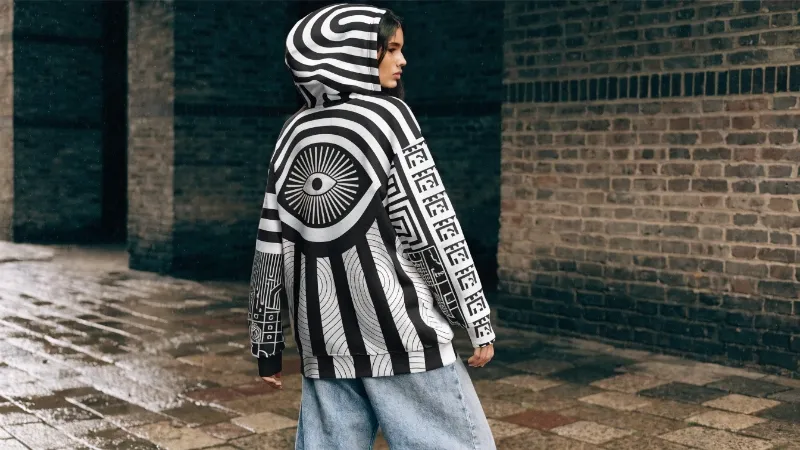
Graphic hoodies often feature:
- Large back prints
- Chest logos
- Sleeve graphics
- Puff print
- Screen print
- DTG or DTF printing
- Mixed print and embroidery details
Why bold graphic hoodies are trending
In a crowded clothing market, graphics help brands stand out. A strong hoodie graphic can communicate culture, community, humor, attitude, or lifestyle.
For small brands, graphic hoodies are also practical. You can start with a strong blank or custom fleece body, then use artwork to create different collections without changing the full garment pattern every time.
Bold patterns also work well for online launches because customers can quickly understand the design from product photos, social media posts, and short videos.
Key design cues
Look for:
- Large back artwork
- High-contrast print placement
- Sleeve text or small icons
- Puff print for raised texture
- Vintage-style cracked print
- Embroidered logo combined with screen print
- Front-and-back graphic balance
Manufacturer insight
The best print method depends on the fabric and artwork.
For example, heavy fleece around 350–450 GSM can work well with screen print or puff print, but the print settings need to be controlled carefully. If the ink deposit is too heavy, the print may feel stiff. If the curing or flash setting is not right, the print surface may not look clean.
For dense graphics, brands should test:
- Print hand feel
- Wash resistance
- Color matching
- Print cracking
- Fabric shrinkage
- Placement accuracy
If the design includes both embroidery and printing, the sample stage is very important. The embroidery density, fabric thickness, and print placement must work together.
For startup brands, it is better to test one strong graphic first instead of launching too many print variations at the same time. If you are building a private label hoodie collection, our guide on how to start a private label hoodie line can help you plan design, sourcing, branding, and production steps.
4. Heavyweight Hoodies
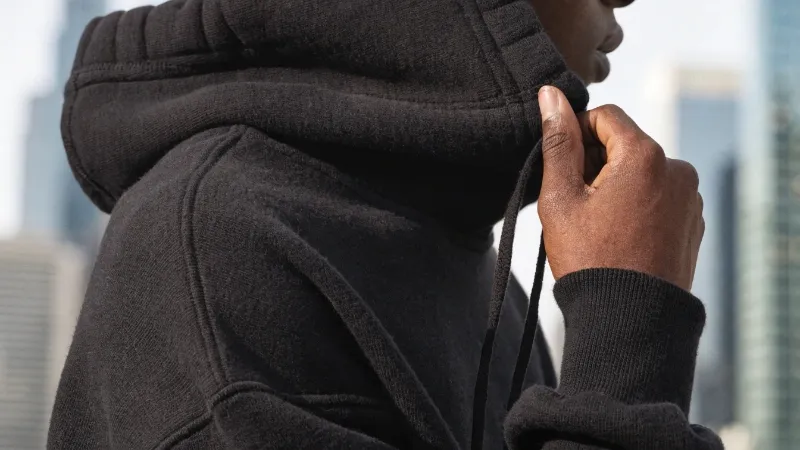
Heavyweight hoodies are one of the strongest premium hoodie trends in 2026.
This style is common in streetwear, premium basics, and cold-weather collections. A heavyweight hoodie usually feels more structured, more durable, and more expensive than a lightweight hoodie.
Why heavyweight hoodies are trending
Customers often associate weight with quality. A dense fleece hoodie gives better drape, stronger structure, and a more premium hand feel.
For brands, heavyweight hoodies are useful because they can support a higher retail price when the fit, fabric, and finishing are done well.
Heavyweight hoodies also work especially well with oversized and minimalist styles. The fabric helps the garment keep its shape, while the clean design allows the material quality to stand out.
Key design cues
Look for:
- 350 GSM+ fleece
- Boxy or structured fit
- Thick rib cuffs and hem
- Double-layer hood
- Clean topstitching
- Premium drawcords
- Strong kangaroo pocket
Manufacturer insight
Heavyweight does not automatically mean better. If the fabric is too heavy for the design, the hoodie may feel stiff, hot, or uncomfortable.
In our production experience, brands should choose fabric weight based on product positioning:
- 280–330 GSM: good for lighter casual hoodies
- 350–420 GSM: good for premium everyday hoodies
- 450 GSM and above: better for heavy streetwear or colder markets
For heavyweight hoodies, pattern balance is very important. The hood, shoulder, sleeve, and rib must support the fabric weight. Otherwise, the garment may pull down or lose shape after wearing.
Before bulk production, brands should also test shrinkage, because cotton-rich heavyweight fleece can change noticeably after washing.
5. Minimalist Hoodies
Minimalist hoodies focus on clean design, premium fabrics, and subtle details.
Instead of large graphics, this hoodie style relies on fabric quality, fit, stitching, and color. Minimalist hoodies are often used in capsule wardrobes, premium basics collections, and modern lifestyle brands.
Why minimalist hoodies are trending
Many customers want clothing that is easy to wear repeatedly. A clean hoodie in black, grey, bone, navy, or oatmeal can be styled in many ways. It does not depend on a loud logo to feel valuable.
For brands, minimalist hoodies are useful because they can become long-term core products rather than short-term trend items.
Key design cues
Look for:
- Small chest logo
- No visible logo
- Neutral colors
- Clean stitching
- Premium cotton or cotton-blend fleece
- Balanced hood shape
- High-quality rib cuffs and hem
Manufacturer insight
Minimalist hoodies are harder to hide mistakes on. When there is no large graphic, customers notice the fabric, seams, fit, and finishing more clearly.
For this style, brands should focus on:
- Smooth surface fleece
- Good color consistency
- Stable rib quality
- Neat topstitching
- Clean pocket shape
- Strong neckline and hood construction
A minimalist hoodie should not feel empty. It should feel considered.
If you are developing a premium minimalist hoodie, fabric hand feel and fit testing are more important than adding extra decoration.
6. Vintage-Inspired Hoodies
Vintage-inspired hoodies are influenced by old-school sportswear, college graphics, faded colors, and washed finishes.
This style often feels familiar and comfortable. It can look like something from a classic athletic brand, a university collection, or a retro streetwear drop.

Why vintage hoodies are trending
Vintage fashion continues to influence modern casualwear because it feels authentic. Customers like garments that look broken-in, familiar, and easy to wear.
For brands, vintage hoodies are also useful because they can create emotional connection. A washed hoodie with a collegiate logo or retro print can feel more personal than a plain new garment.
Key design cues
Look for:
- Washed fleece
- Pigment dye
- Collegiate graphics
- Retro sports logos
- Slightly faded colors
- Ribbed cuffs and hem
- Classic kangaroo pocket
Manufacturer insight
Vintage effects need careful control. A garment wash, pigment dye, or enzyme wash can change the final size, color, and hand feel.
Before bulk production, brands should confirm:
- Shrinkage rate
- Color difference after wash
- Print effect after wash
- Rib recovery
- Fabric hand feel
- Bulk color consistency
If the hoodie uses vintage cracking print, the artwork and washing process should be tested together. Otherwise, the final result may look either too new or too damaged.
For small brands, a safer starting point is to use washed colors and vintage-inspired graphics before moving into more complex garment washing.
7. Zip-Up Hoodies
Zip-up hoodies remain popular because they are practical.
Unlike pullover hoodies, zip-up hoodies are easy to put on and take off. They also allow customers to adjust styling and ventilation. This makes them useful for gyms, travel, commuting, layering, and everyday casualwear.

Why zip-up hoodies are trending
Zip-up hoodies are not always the loudest trend, but they are one of the most stable product types. They work across men’s, women’s, and unisex collections.
They can also be developed in different ways:
- Lightweight zip hoodie
- Heavyweight zip hoodie
- Cropped zip hoodie
- Oversized zip hoodie
- Athletic zip hoodie
- Premium full-zip hoodie
Key design cues
Look for:
- Smooth zipper
- Stable front placket
- Clean pocket alignment
- Double-sided fleece or clean inner finish
- Strong rib cuffs
- Balanced hood shape
Manufacturer insight
For zip-up hoodies, the zipper is one of the most important details. A poor zipper can make the whole garment feel low quality.
Brands should check:
- Zipper smoothness
- Zipper tape color
- Front placket stability
- Left and right pocket alignment
- Hood seam matching
- Shrinkage around the zipper
If the fabric shrinks but the zipper does not, the front body can become wavy after washing. This is why shrinkage testing is important before bulk production.
Zip-up hoodies also need better sewing control than basic pullover hoodies because the front opening makes asymmetry easier to notice.
8. Cropped Hoodies
Cropped hoodies are especially popular in women’s fashion, athleisure, and lifestyle collections.
They usually have a shorter body length and are often worn with leggings, high-waisted pants, biker shorts, or joggers. The style can look sporty, casual, or street-inspired depending on fabric and fit.
Why cropped hoodies are trending
Cropped hoodies work well because they match current styling habits. Many customers want relaxed tops that still create a clear body proportion.
For women’s activewear and athleisure brands, cropped hoodies are a useful product because they can be paired with matching bottoms to create full sets.
Key design cues
Look for:
- Shorter body length
- Relaxed sleeves
- Wide rib hem
- Clean hood shape
- Soft midweight fleece
- Matching joggers or leggings
Manufacturer insight
The biggest risk with cropped hoodies is body length. If the body is too short, the hoodie may not be wearable for many customers. If it is too long, it loses the cropped effect.
Brands should confirm:
- Front body length
- Back body length
- Sleeve length
- Hem rib tension
- Fit on real body measurements
- Size grading from XS to XL
For cropped styles, one fitting sample is not enough. It is better to check at least one smaller size and one larger size before bulk production.
9. Earth-Tone Hoodies
Earth-tone hoodies use natural colors such as brown, olive, clay, sand, camel, oatmeal, and beige.
These colors are popular because they are easy to style and feel less seasonal than bright trend colors. They also work well with minimalist, outdoor-inspired, and vintage collections.
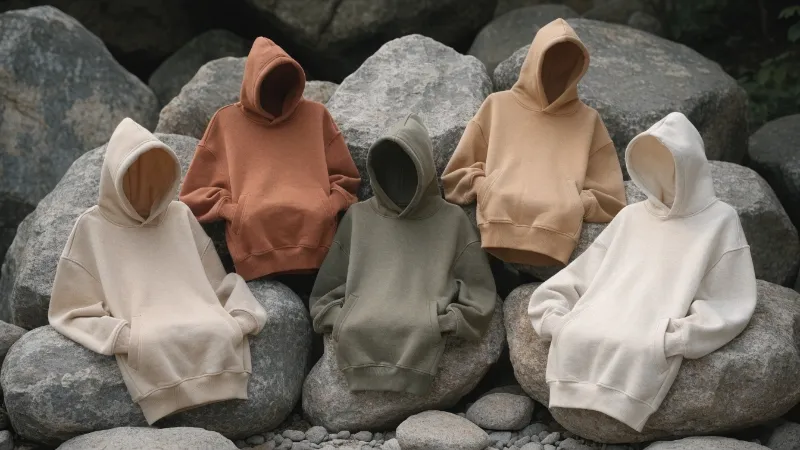
Why earth-tone hoodies are trending
Many consumers are building more wearable wardrobes. Earth tones are calm, versatile, and easy to pair with denim, cargo pants, joggers, and neutral outerwear.
For brands, earth-tone hoodies are useful because they can make a collection feel more mature and premium without changing the garment structure.
Key design cues
Look for:
- Brown, olive, clay, sand, beige, camel
- Pigment-dyed effects
- Tonal embroidery
- Neutral drawcords
- Textured fleece
- Matching sweatpants or shorts
Manufacturer insight
Earth-tone colors can look simple, but color matching is not always easy. Beige, oatmeal, clay, and olive can shift noticeably under different lighting.
Before bulk production, brands should confirm:
- Lab dip approval
- Fabric color under natural light
- Rib color matching
- Drawcord color matching
- Print or embroidery color contrast
- Colorfastness after washing
If the hoodie uses garment dye or pigment dye, brands should expect some natural color variation. This can be part of the style, but it should be controlled within an acceptable range.
10. Sustainable Hoodies with Eco-Friendly Materials
Sustainable hoodies are becoming more important as customers pay closer attention to materials, sourcing, and environmental claims.
This trend is not only about using “eco” wording. A strong sustainable hoodie should be supported by clear material information, responsible sourcing, and credible certifications where possible.

Why eco-friendly hoodie materials are trending
Many buyers want products that feel better not only in quality, but also in values. For brands, sustainable hoodies can support a stronger story and help build trust with customers who care about impact.
Common sustainable directions include:
- Organic cotton
- Recycled polyester
- Cotton and recycled-poly blends
- Low-impact dyes
- Certified materials
- Transparent supply chain communication
Key design cues
Look for:
- Organic cotton fleece
- Recycled polyester4 blends
- OEKO-TEX5 tested materials
- GOTS-certified6 organic cotton when available
- GRS-certified recycled materials when available
- Simple, long-lasting design
Manufacturer insight
Sustainable hoodies require careful planning. Certified materials usually have higher costs, longer sourcing time, and stricter documentation requirements.
Brands should decide early whether they need:
- Certified fabric
- Certified factory chain
- Recycled content claim
- Organic cotton claim
- OEKO-TEX tested material
- Hangtag or label proof
- Supplier documentation
For startup brands, it may be better to begin with a practical sustainable direction instead of trying to do everything at once. For example, you can start with a cotton-rich fleece, OEKO-TEX tested dyeing, or recycled-poly blend, then move toward stronger certifications as your volume grows.
How to Choose the Right Hoodie Trend for Your Brand
Not every hoodie trend is suitable for every brand. Before choosing a style, ask three questions. If you are choosing a production partner at the same time, this guide on how to choose a hoodie manufacturer explains what to check before starting sampling or bulk production.
1. Who is your target customer?
If your customer is into streetwear, oversized, graphic, and heavyweight hoodies may work well.
If your customer prefers clean everyday clothing, minimalist or earth-tone hoodies may be stronger.
If your customer is active, outdoorsy, or travel-focused, athletic or zip-up hoodies may be a better fit.
2. What price point do you want to sell at?
A lightweight basic hoodie and a heavyweight premium hoodie do not belong to the same price level.
Higher-end hoodie styles often require:
- Better fleece
- Better rib
- Better stitching
- Better shrinkage control
- More sample testing
- More expensive decoration
- More careful packaging
If your target retail price is low, a very heavy or complex hoodie may not make sense.
3. What decoration method will you use?
Different hoodie styles work better with different decoration methods.
| Decoration Method | Best For | Watch Out For |
|---|---|---|
| Screen Print | Graphic hoodies, streetwear drops | Ink hand feel and cracking |
| Puff Print | Streetwear, bold logos | Print thickness and wash durability |
| Embroidery | Minimalist, premium basics | Puckering on thick or soft fabric |
| Appliqué | Varsity or vintage styles | Edge finishing and sewing accuracy |
| Flock Print | Retro or textured graphics | Colorfastness and surface durability |
| DTF / DTG | Small runs, detailed artwork | Fabric compatibility and hand feel |
The decoration should be planned before production, not after the hoodie body is finished.
Which Hoodie Trend Should Your Brand Choose?
| Brand Type | Recommended Hoodie Styles | Why It Works |
|---|---|---|
| Startup streetwear brand | Oversized, graphic, heavyweight | Strong visual identity and good for limited drops |
| Men’s activewear brand | Athletic, zip-up, minimalist | Good for gym-to-street styling and everyday comfort |
| Minimal fashion brand | Minimalist, earth-tone | Easy to build a clean capsule collection |
| Women’s athleisure brand | Cropped, zip-up | Works well with leggings, joggers, and matching sets |
| Outdoor-inspired brand | Athletic, zip-up, utility details | Adds function and seasonal value |
| Eco-focused brand | Sustainable, minimalist | Supports a values-led brand story |
| Premium basics brand | Heavyweight, minimalist | Higher perceived value and long-term wearability |
For new brands, it is usually better to start with one or two hoodie directions instead of trying to develop every trend at once. A focused first collection is easier to sample, photograph, market, and sell.
Common Hoodie Development Mistakes to Avoid
Choosing fabric only by GSM
GSM matters, but it is not the only factor. A 350 GSM fleece from one supplier may feel different from another 350 GSM fleece because of yarn quality, brushing, composition, and knitting density.
Making oversized hoodies without fit testing
Oversized fit needs real pattern development. If you only enlarge a regular hoodie, the result may look unbalanced.
Adding embroidery without testing stitch density
Heavy embroidery can cause puckering, especially on soft fleece or stretchy fabric. Always test embroidery before bulk production.
Ignoring shrinkage
Hoodies can shrink after washing, especially cotton-rich fleece. Shrinkage testing is important before confirming size specs.
Choosing trendy colors without lab dip approval
Earth tones, washed colors, and pigment-dyed effects need careful color approval. Small shade differences can change the whole look of the collection.
Choosing eco-friendly materials too late
If your hoodie needs organic cotton, recycled polyester, OEKO-TEX tested fabric, GOTS-certified cotton, or GRS-certified recycled material, confirm this before sampling. Certified or special fabrics may need more sourcing time than regular fleece.
Typical Hoodie Production Timeline
The exact timeline depends on fabric, design complexity, decoration, and order quantity. But for many custom hoodie projects, a realistic development timeline looks like this:
| Stage | Typical Time |
|---|---|
| Fabric sourcing and confirmation | 3–7 days |
| Simple hoodie sample | 8–12 days |
| Complex hoodie sample | 15–20 days |
| Print or embroidery testing | 3–7 days |
| Bulk production | 25–35 days |
| Final inspection and packing | 2–5 days |
If your hoodie uses custom dyeing, special fabric, heavy embroidery, garment wash, or multiple trims, you should allow more time for development.
FAQs About Hoodie Trends in 2026
Which popular athletic hoodie styles are trending right now?
Popular athletic hoodie styles trending right now include men’s performance hoodies, lightweight fleece hoodies, full-zip athletic hoodies, oversized gym-to-street hoodies, and clean minimalist training hoodies. These styles are popular because they work for both active use and everyday casual outfits.
Which hoodie styles are trending right now in the United States?
In the United States, oversized hoodies, men’s athletic hoodies, bold graphic hoodies, heavyweight fleece hoodies, zip-up hoodies, and eco-friendly hoodie styles are among the strongest hoodie trends in 2026.
What makes a hoodie trendy right now?
A hoodie feels trendy when the fit, fabric, color, and details match current styling habits. In 2026, relaxed silhouettes, athletic comfort, bold patterns, heavyweight fleece, earth-tone colors, and eco-friendly materials are some of the biggest signals.
What men’s hoodie trends are popular in 2026?
Popular men’s hoodie trends in 2026 include athletic hoodies, oversized streetwear hoodies, heavyweight hoodies, graphic hoodies with bold patterns, zip-up hoodies, and minimalist hoodies in neutral or earth-tone colors.
What hoodie styles are trending in 2026?
The most popular hoodie styles in 2026 include oversized hoodies, men’s athletic hoodies, graphic hoodies with bold patterns, heavyweight hoodies, minimalist hoodies, vintage-inspired hoodies, zip-up hoodies, cropped hoodies, earth-tone hoodies, and sustainable hoodies with eco-friendly materials.
Are oversized hoodies still in style?
Yes. Oversized hoodies are still popular, especially in streetwear and casual fashion. The key is proportion. A good oversized hoodie should have balanced shoulders, sleeves, body length, and rib tension.
What makes a hoodie look premium?
A premium hoodie usually has better fabric, stable rib, clean stitching, a well-shaped hood, controlled shrinkage, and thoughtful finishing. For heavyweight hoodies, 350 GSM and above is common, but fabric quality matters more than GSM alone.
What is the best fabric weight for hoodies?
For lighter casual hoodies, 280–330 GSM can work well. For premium everyday hoodies, 350–420 GSM is a strong range. For heavy streetwear hoodies, 450 GSM and above can create a more structured feel.
Are graphic hoodies with bold patterns still popular?
Yes. Graphic hoodies remain popular because they help brands express identity and create limited drops. Large back prints, sleeve graphics, puff print, and mixed embroidery details are common design directions.
Are eco-friendly hoodies popular in 2026?
Eco-friendly hoodies are becoming more popular, especially among brands that focus on responsible materials and long-term basics. Organic cotton, recycled polyester, OEKO-TEX tested fabrics, GOTS-certified cotton, and GRS-certified recycled materials are common directions.
Conclusion
Hoodie trends in 2026 are not only about what looks popular. They are about how fit, fabric, function, color, and brand identity work together.
Oversized hoodies give brands a strong streetwear silhouette. Men’s athletic hoodies support gym-to-street styling and daily comfort. Graphic hoodies with bold patterns help tell a visual story. Heavyweight hoodies bring structure and perceived value. Minimalist and earth-tone hoodies work well for premium basics. Sustainable hoodies support a more responsible brand direction.
If you are developing a hoodie collection, start with the customer, then choose the fit, fabric weight, decoration method, and production details. A good hoodie is not created by trend alone. It is created by the right balance of design and manufacturing.
At Easson Apparel, we help brands develop custom hoodies from fabric sourcing and sample development to printing, embroidery, bulk production, and private labeling. If you are planning a hoodie drop for 2026, we can help you compare fabric weights, test decoration methods, and create samples before moving into production.
This article shares popular hoodie trends, design inspiration, and style directions for 2026. It helps brands, creators, and online sellers understand which hoodie styles are currently popular and how different trends are used in modern apparel collections. ↩
This product page shows a real retail example of a heavyweight oversized hoodie. It helps readers understand how oversized fits, heavyweight fleece, and relaxed silhouettes are currently used in mainstream fashion. ↩
This category page shows current men’s athletic hoodie styles, including gym, lifestyle, and performance-focused hoodies. It helps readers understand how athletic hoodies are designed for both activewear and everyday casual styling. ↩
This page explains what the Global Recycled Standard (GRS) is and how it verifies recycled materials such as recycled polyester. It helps brands confirm recycled content claims, track materials through the supply chain, and reduce greenwashing risks. ↩
OEKO-TEX STANDARD 100 is a textile testing certification focused on harmful substances. It helps brands and consumers understand whether fabrics and garments have been tested for chemical safety. ↩
GOTS is one of the most recognized standards for organic textiles. It helps brands verify organic cotton sourcing, processing, manufacturing, and labeling requirements in the textile industry. ↩