
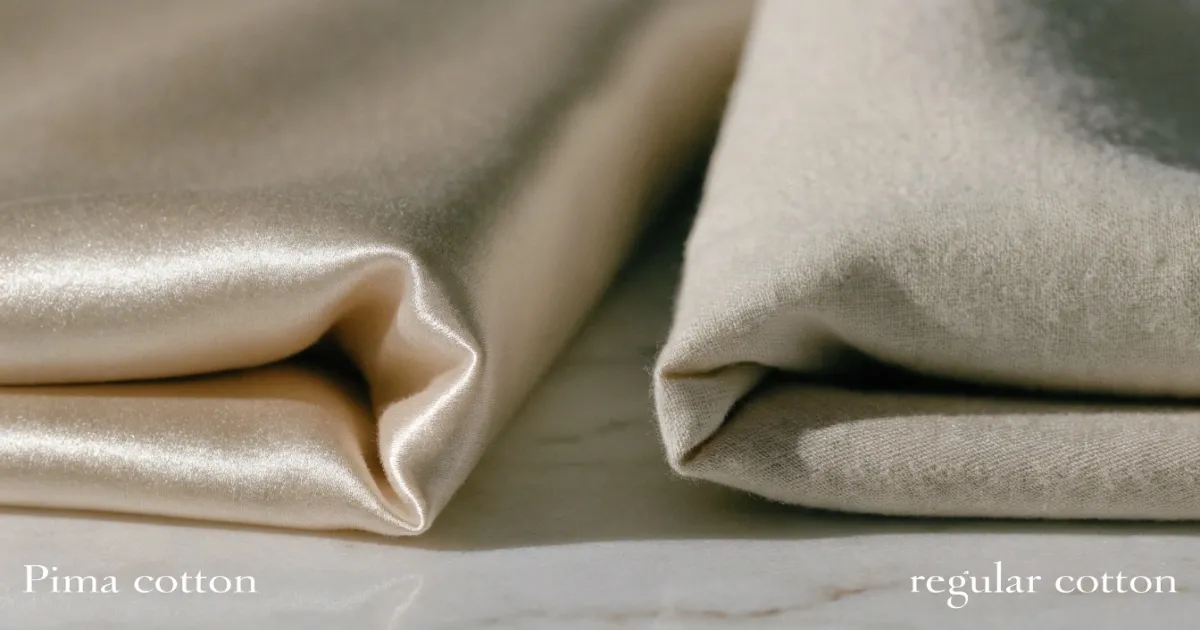
When choosing fabrics for your clothing line, Pima cotton can seem like the clear, premium upgrade. It's renowned for its softness, durability, and luxurious reputation. But is Pima cotton truly worth the higher cost for your brand? As manufacturers producing garments in both Pima and regular cotton, we’ve seen firsthand that the answer isn’t a simple yes or no—it depends entirely on your product category, target customer, and price positioning.
Pima cotton isn't universally better than regular cotton. It’s a premium option that works in specific scenarios, not a default upgrade for every clothing product. Many factors, including retail price, MOQ constraints, and consumer perception, must guide your decision.
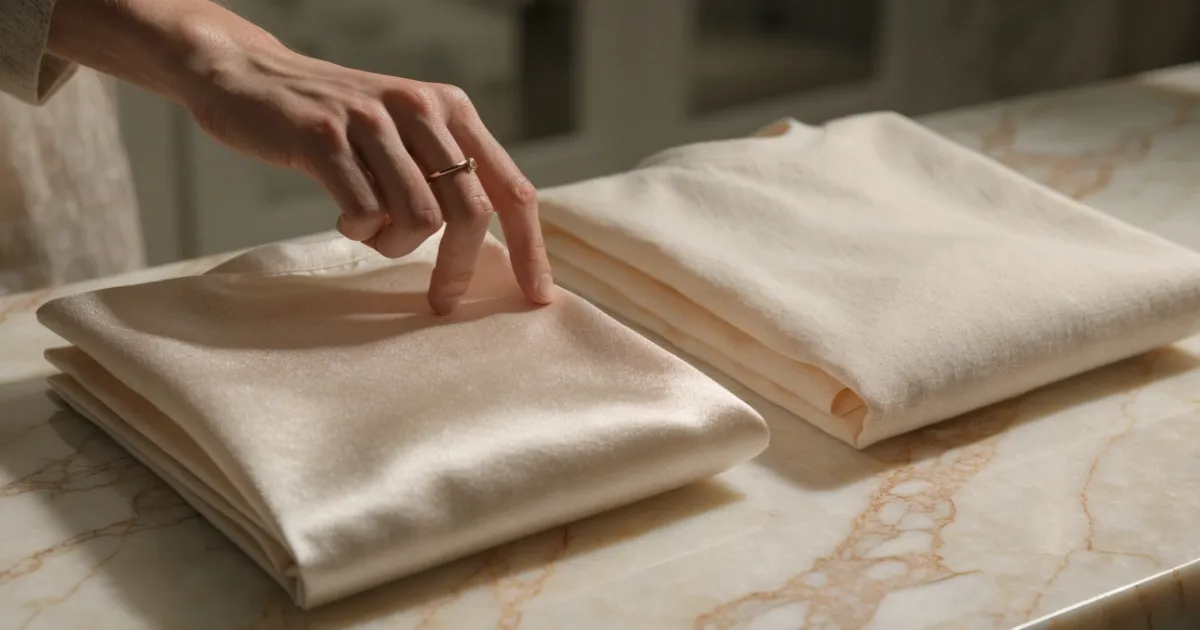
In this article, we’ll break down the realities of using Pima cotton, its pros and cons compared to regular cotton, and how startup and e-commerce brands can decide whether it’s the right fit for their product line.
Pima Cotton vs Cotton: Quick Comparison
Pima cotton is often marketed as “better,” but whether that’s true for your brand depends on what you value.
Here’s how they compare at a glance:
- Softness and Feel: Pima’s long fibers allow for smoother yarns, resulting in a softer fabric.
- Durability: Pima cotton is more resistant to pilling and can endure more washes.
- Breathability: Both Pima and regular cotton are breathable, but Pima has a slight edge in comfort under hot conditions.
- Cost: Pima fabric costs 20–50% more than regular cotton on average.
- Supply Chain: Pima has tighter supply and higher minimum order quantities (MOQs), making it less accessible for small brands.
The crucial question is: do these differences resonate with your customers, and can they justify paying a higher price?
What Is Pima Cotton?
Pima cotton is often described as one of the most luxurious types of cotton, but what exactly makes it unique?
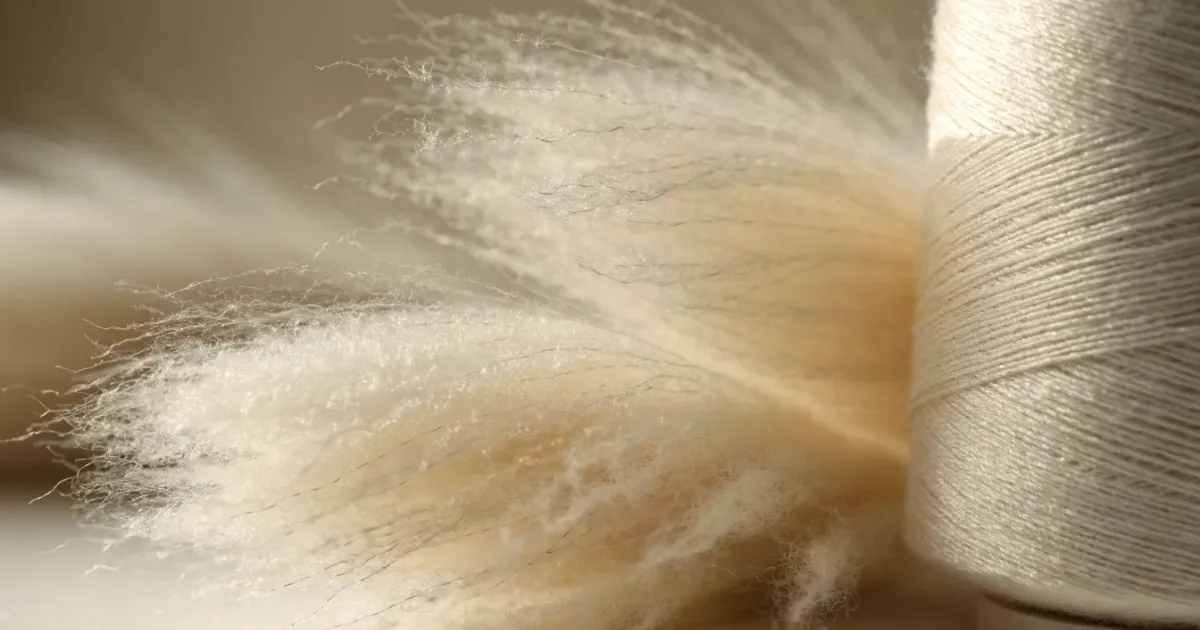
Pima cotton comes from long-staple cotton plants, primarily grown in the United States and Peru. Its fibers are longer and stronger than those of regular cotton, resulting in smoother, more durable yarns that resist fraying, tearing, and pilling.
The term "Pima" originated in the U.S., where the cotton crop was first cultivated on Pima Native American lands in the early 1900s. Today, "Supima" certifies Pima cotton grown exclusively in the United States under strict quality standards, while "Egyptian cotton" refers to a separate category of long-staple cotton traditionally grown in Egypt.
Despite its premium qualities, not all Pima cotton is equal. Some suppliers, especially in China, may label fabrics as Pima but fail to meet strict long-staple standards—a challenge we’ve encountered when sourcing for clients.
Pima Cotton vs Regular Cotton for T-Shirts and Knitwear
T-shirts are one of the most common categories where brands debate between Pima and regular cotton. What’s the verdict?
Pima cotton makes for softer, longer-lasting T-shirts and knitwear, but its higher cost often doesn’t translate to higher sales unless positioned as a luxury or sustainable product. For mid-range price points, high-quality combed cotton often delivers better value.

Take a popular example like e-commerce basics brands. If your retail price is $25–$30 for T-shirts, we typically advise choosing combed cotton over Pima. Why? At that price point, customers care more about style, fit, and basic durability than the small perceived difference in fabric feel.
On the other hand, high-end or sustainable brands pricing T-shirts upwards of $50 can benefit from Pima cotton, especially if the story around quality and craftsmanship is part of their branding.
We’ve seen clients pivot from Pima to combed cotton after realizing their target customer didn’t perceive the extra value. For one client targeting the streetwear market, using a weighted combed cotton jersey with heavy-duty stitching achieved a luxury feel—at half the price of Pima.
Is Pima Cotton Worth the Higher Cost?
So, should you pay the premium for Pima cotton? The answer isn’t just about raw quality; it’s about your brand’s strategy.
Pima cotton is worth the higher cost if your brand promises luxury, long-lasting garments, or sustainability to discerning customers. For budget-conscious brands, regular or combed cotton often delivers stronger margins and equivalent customer satisfaction.

Here’s how we approach this decision with clients:
- Product Type: Is it a product customers evaluate by feel (e.g., T-shirts) or by visual style (e.g., sweatshirts)?
- Target Retail Price: Does the higher fabric cost fit your brand’s pricing model without squeezing margins?
- End Consumer Behavior: Will your customers care about the softness, durability, or luxury value of Pima? Or would they see little difference from regular cotton?
- Order Volume: Smaller runs of Pima can result in prohibitively high costs due to limited suppliers and high MOQs.
If Pima doesn’t seem like the right fit after these factors, combed cotton, organic blends, or recycled textiles can deliver premium-quality products at lower cost.
Pima Cotton vs Supima vs Combed Cotton vs Organic Cotton
Let’s set the record straight on the confusion between these terms. Many founders mistakenly believe these fabrics are interchangeable.
- Pima Cotton: Long-staple cotton grown in multiple countries, softer and more durable than short-staple cotton.
- Supima Cotton: A trademarked certification for Pima cotton grown exclusively in the U.S.
- Combed Cotton: Regular cotton that’s been treated to remove shorter fibers, improving smoothness and durability.
- Organic Cotton: Grown without synthetic pesticides or fertilizers, focusing on eco-friendliness over fiber length.
Each has strengths depending on your priorities. Pima (or Supima) is unmatched for longevity, while combed cotton balances quality and cost. Organic cotton appeals to sustainability-focused brands, but it can also command a premium depending on certification.
Final Recommendation
Pima cotton is not an automatic upgrade; it’s a conditional fit. As manufacturers with deep experience producing garments in Pima, combed, and organic cotton, we’ve seen firsthand that Pima works best when it aligns with your pricing, customer base, and volume needs.
If you’re launching a premium apparel line or catering to customers who value softness and luxury, Pima is worth considering. For mid-range basics, well-finished combed cotton delivers comparable performance at a fraction of the cost.
Curious about how to strategically source fabrics for your brand? Drop us a line—let’s find the cotton that fits your needs, not just your assumptions.