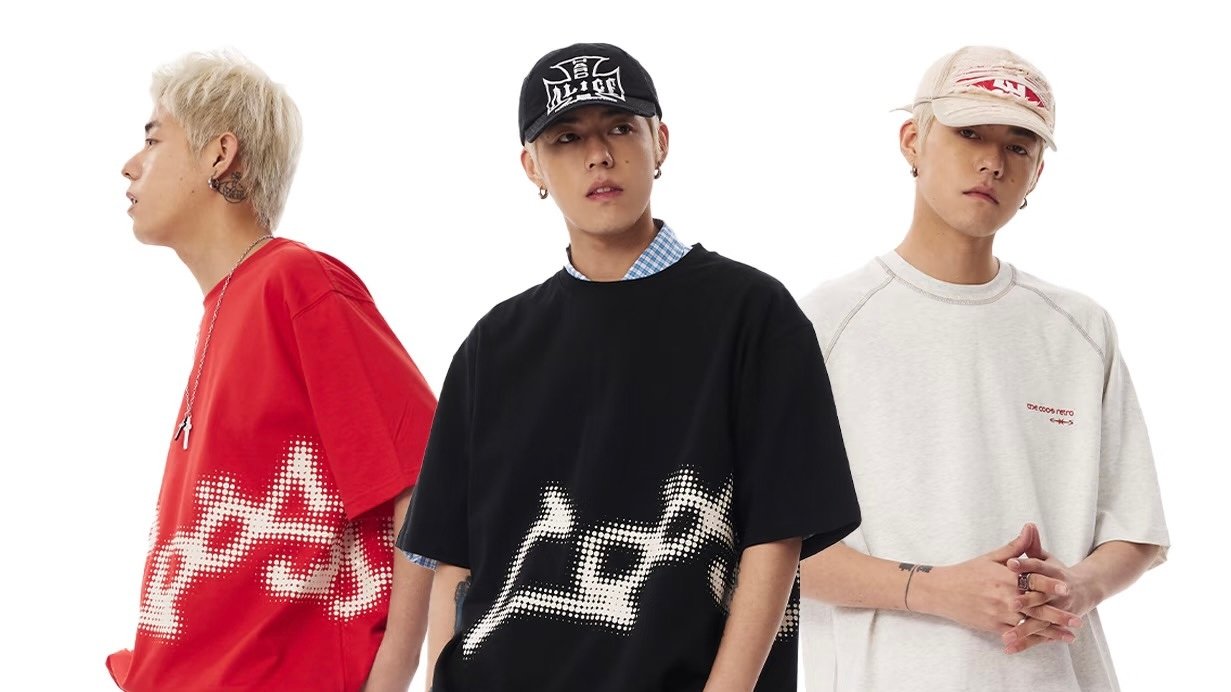
Shirt trends in 2026 are not only about what looks good on social media. For fashion brands, startups, and private label businesses, the real question is: which shirt styles are worth developing, and which ones can be produced with stable quality, reasonable cost, and clear brand value?
In recent years, shirts have become more than basic wardrobe items. They are used for streetwear drops, minimalist capsule collections, resort lines, athleisure outfits, promotional products, and premium casualwear. For brands planning custom T-shirt manufacturing, this category can be a practical starting point because shirts are easier to test, adjust, and repeat compared with more complex garments. According to Cognitive Market Research, the global T-shirt market1 was valued at around USD 169.143 billion in 2021, reached about USD 195.6 billion by the end of 2025, and is forecast to reach USD 261.577 billion by 2033, with a projected CAGR of 3.7% from 2025 to 2033.
For clothing brands, this means the shirt category still has strong potential. But the best-performing styles are no longer just simple blank tees. In 2026, brands are combining color, fabric texture, print techniques, embroidery, sustainability, and comfort to create shirts that feel more personal and more wearable.
Below are 10 popular shirt styles to watch in 2026, along with practical production notes for brands planning to develop their own collections.
Key Takeaways
- Bold colors, plaid patterns, retro prints, and sporty styling are gaining attention in 2026.
- Minimalist T-shirts and athleisure shirts remain strong because they are easy to wear and suitable for repeat production.
- Custom embroidery, all-over prints, dip-dye effects, and patchwork designs offer strong branding value, but they require more careful sampling and quality control.
- For most custom T-shirt projects, Easson Apparel commonly works with fabrics around 180–220 GSM, depending on the target hand feel, season, and brand positioning.
- For sample development, simple shirt styles can often move faster, while most custom samples usually take around 8–12 days after fabric, artwork, and measurements are confirmed.
- For startup brands, a common MOQ is around 100 pieces per color, though the final quantity may depend on fabric availability, color, decoration method, and design complexity.
Why Shirt Trends Keep Changing
Shirt trends change because the way people dress has changed. Consumers want clothing that works across different situations: casual workdays, travel, gym-to-street outfits, weekend wear, and social content. This is why comfort, easy styling, and personal expression are now just as important as color or pattern.
Runway and celebrity styling also influence everyday shirt trends. Vogue noted that Spring/Summer 2026 fashion has seen a mix of vibrant color, retro prints, and sporty styling, with designers and celebrities bringing athletic and casual pieces into more polished outfits.
At the same time, sustainability and responsible production are becoming more important. Research and Markets reported that the ethical fashion market expanded from USD 8.63 billion in 2025 to USD 9.19 billion in 20262, showing growing interest in responsible materials, supply chains, and product transparency.
For shirt brands, the opportunity is clear: trends matter, but product development matters more. A good shirt style should match your brand positioning, target customer, fabric budget, decoration method, and production plan.
1. Neon and High-Impact Color Shirts
Bright color shirts are one of the most visible trends in 2026. Instead of relying only on black, white, gray, and navy, many brands are testing stronger colors such as hot pink, lime green, tomato red, Klein blue, emerald, and fuchsia. Vogue’s 2026 color trend3 coverage highlighted bold tones such as fuchsia, lime, blue, and tomato red across Spring/Summer collections.
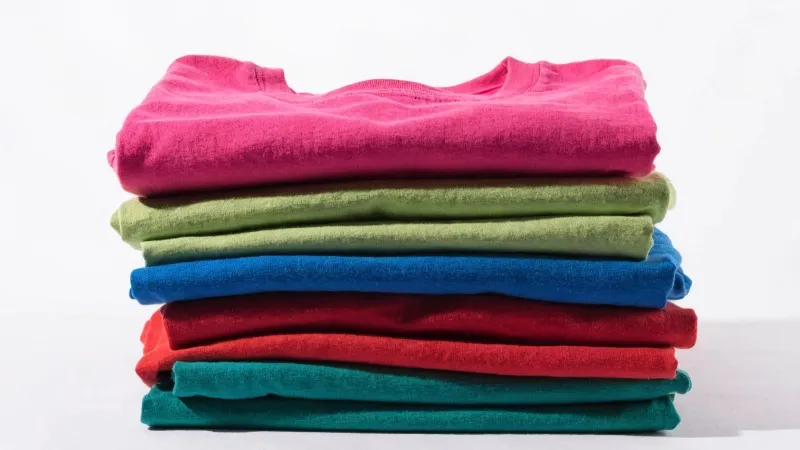
For shirts, these colors work especially well in streetwear, resort wear, activewear, music merchandise, and youth-focused collections. A neon or high-impact color shirt can quickly become the hero item in a small drop because it photographs well and stands out in product images.
However, bright colors also need more careful production control. Color difference can become obvious between lab dips, bulk fabric, and final garments. If the shirt uses a printed logo, the logo color must also be tested against the base fabric color to avoid poor contrast.
Best for: streetwear brands, festival collections, sportswear capsules, youth fashion brands, and limited drops.
Production note from a manufacturer:
For bright color shirts, brands should confirm Pantone references before sampling. If the fabric is dyed to order, approve lab dips before bulk production. At Easson Apparel, many everyday custom T-shirt projects use cotton or cotton-blend fabrics around 180–220 GSM, but bright streetwear tees may need a slightly heavier or denser fabric if the brand wants a more structured feel. If the shirt uses puff print, screen print, or embroidery, the decoration should be tested on the actual fabric color, not only on a digital mockup.
2. Flannel Shirts
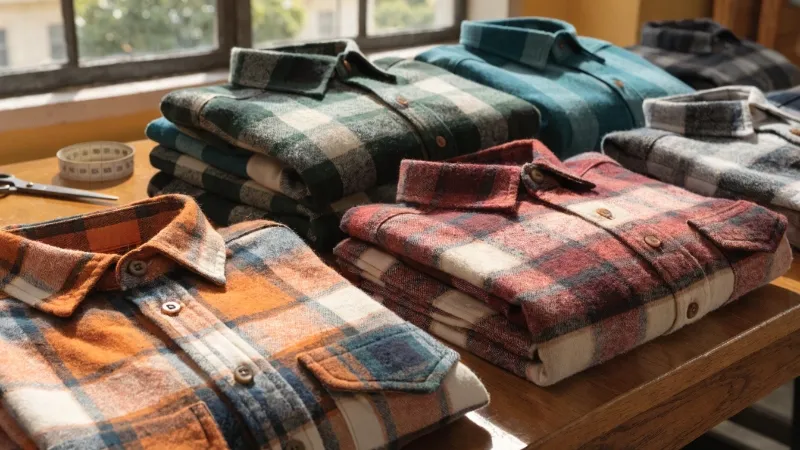
Flannel shirts are making a strong comeback in 20264. The Guardian described flannel as moving beyond cold-weather function and becoming a fashion item again, with renewed interest from runways, celebrities, vintage platforms, and Gen Z styling. ELLE also noted that plaid is returning in a more elevated, spring-appropriate way, appearing in softer shirts, tailored looks, and layered outfits.
The appeal of flannel comes from its balance: it feels casual but not too plain, familiar but still stylish. For brands, flannel can work across men’s casualwear, outdoor-inspired collections, workwear, streetwear, and fall/winter drops.
The most important details are fabric hand feel, brushing effect, check pattern alignment, and fit. A cheap flannel shirt can look flat and thin, while a well-developed one feels soft, warm, and structured.
Best for: casualwear brands, workwear-inspired labels, outdoor lifestyle brands, men’s fashion collections, and fall/winter capsules.
Production note from a manufacturer:
For flannel shirts, the fabric should be checked for shrinkage before bulk production. Plaid matching is also important, especially at the front placket, pocket, side seams, and sleeves. If the design has oversized proportions, the pattern must be adjusted carefully so the shirt does not become too wide at the shoulder or too long in the sleeve. For brands targeting a premium look, brushed cotton or cotton-blend flannel usually performs better than very thin synthetic fabric.
3. All-Over Print Shirts
All-over print shirts are popular because they turn the whole garment into a design canvas. Instead of placing one logo on the chest, brands can use the full fabric area for abstract patterns, retro graphics, florals, geometric prints, vacation themes, or brand storytelling.
This trend fits well with the broader return of retro prints and expressive dressing. Vogue’s Spring 2026 trend coverage highlighted retro-inspired prints as part of the season’s fashion direction. For shirt brands, this creates an opportunity to develop designs that feel more original than basic logo tees.
There are different ways to produce all-over print shirts. Digital printing is useful for complex artwork and smaller runs. Screen printing may be better for simpler repeated patterns and larger quantities. If you want to understand how printing fits into the full T-shirt manufacturing process, it helps to look at the steps from fabric selection and cutting to sewing, decoration, quality inspection, and packing. Sublimation can work well on polyester-based fabrics, especially for sportswear, but it is not suitable for every cotton shirt project.
Best for: resort shirts, streetwear drops, beachwear collections, kidswear, activewear, and brands with strong graphic identity.
Production note from a manufacturer:
Before sampling, brands should confirm whether the design needs fabric printing, panel printing, or garment printing. Artwork resolution must be high enough for the print size. If the print needs to align across seams, the pattern layout requires extra attention and may increase cost. For cotton shirts, print hand feel, color fastness, and shrinkage after washing should be tested before bulk production. All-over print styles usually need more sample review than basic T-shirts, so brands should allow enough time for artwork adjustment and print testing.
4. Minimalist T-Shirts
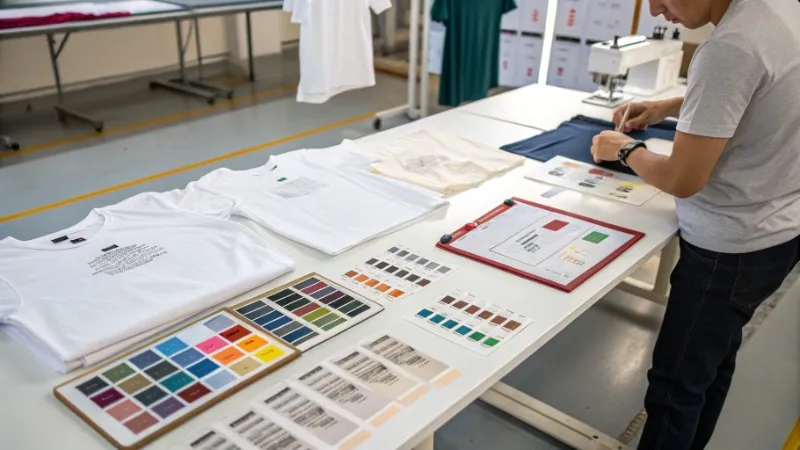
Minimalist T-shirts continue to perform well because they are easy to wear, easy to style, and suitable for repeat orders. In 2026, minimalist does not mean cheap or boring. It usually means better fabric, better fit, cleaner stitching, and more controlled color choices.
A minimalist T-shirt can be used in capsule wardrobes, premium basics, private label collections, corporate uniforms, and lifestyle brands. The value comes from details that customers can feel: fabric softness, neckline shape, shoulder fit, sleeve length, side seam stability, and how the shirt looks after washing.
Minimalist shirts are also practical for startups because they are easier to produce than complex printed or patchwork designs. If a brand is still testing the market, a high-quality blank or lightly branded T-shirt can be a safer first product.
Best for: premium basics brands, lifestyle labels, private label collections, startup brands, and everyday menswear or womenswear lines.
Production note from a manufacturer:
For minimalist T-shirts, the fabric and fit are the product. At Easson Apparel, many custom T-shirt projects start with 180–220 GSM cotton or cotton-blend fabric because this range offers a good balance of comfort, breathability, structure, and daily wearability. If you are comparing lightweight, midweight, and heavyweight tees, a T-shirt GSM guide can help you understand how fabric weight affects comfort, structure, printing, and product positioning. A simple T-shirt sample can sometimes be completed faster when the fabric and fit are clear, while most custom samples usually take around 8–12 days after details are confirmed. For bulk orders, the usual MOQ is around 100 pieces per color, depending on fabric, color, and customization requirements.
5. Dip-Dye and Gradient Shirts
Dip-dye and gradient shirts give a simple silhouette more visual movement. Instead of using a full graphic print, the design relies on color transition. This can be soft and subtle, such as beige to cream or navy to sky blue, or more expressive, such as pink to purple or green to blue.
These shirts work well for summer collections, resort wear, streetwear, loungewear, and youth-focused brands. They also photograph well, which makes them useful for social media campaigns and limited drops.
The challenge is consistency. Gradient effects can vary from piece to piece, especially if the process is done manually or semi-manually. This variation can be part of the appeal, but brands must decide how much difference is acceptable before production starts.
Best for: summer drops, resort collections, streetwear brands, casualwear, and limited-edition capsules.
Production note from a manufacturer:
For dip-dye shirts, brands should approve real samples instead of relying only on digital mockups. The position of the color fade, depth of shade, and washing effect need to be confirmed. If the shirt uses embroidery or printing on top of the gradient, the decoration should be tested after the dye effect is completed. This helps avoid color conflict, poor logo visibility, or uneven final results. Because dye effects may require extra testing, sample development can take longer than a simple blank T-shirt.
6. Patchwork Shirts
Patchwork shirts are attractive because every piece can feel more unique. They often combine different fabrics, colors, panels, or textures to create a handmade or upcycled look. This style fits well with creative fashion brands, workwear-inspired collections, vintage concepts, and sustainability-focused labels.
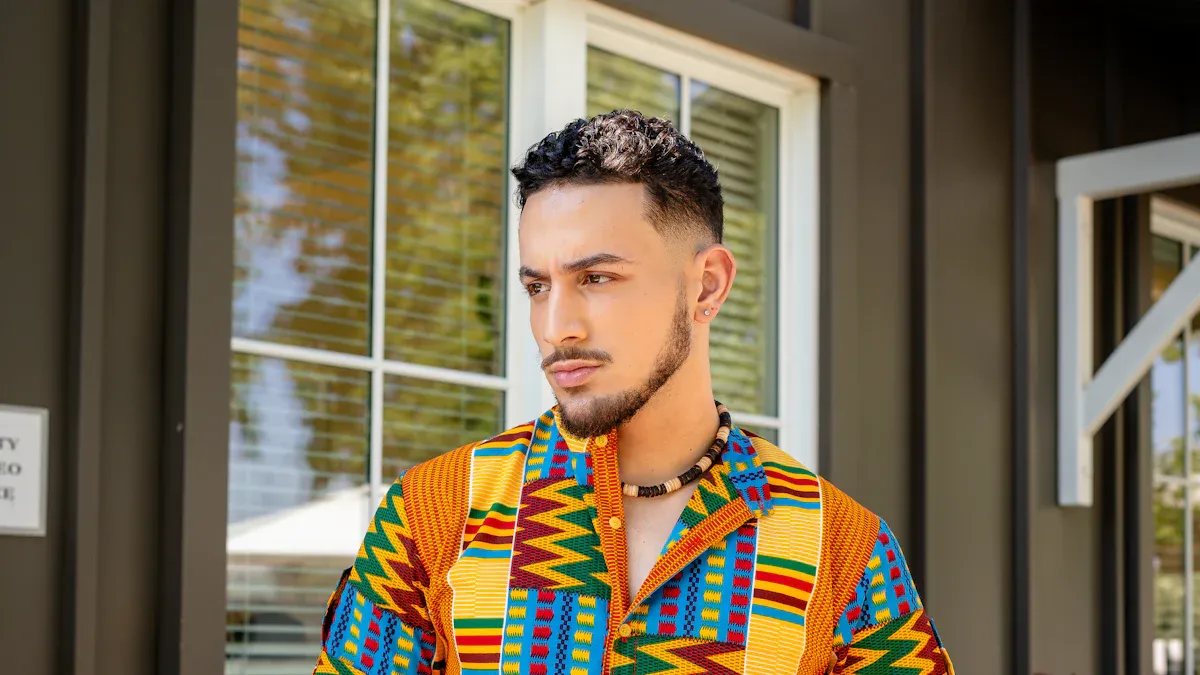
Patchwork also connects with the wider interest in reducing waste and using leftover materials. But from a production point of view, patchwork is more complicated than it looks. Different fabrics may shrink differently, react differently during washing, or feel unbalanced when sewn together.
For brands, patchwork should not be treated like a basic shirt with extra decoration. It needs proper pattern planning, fabric testing, cutting control, and sewing accuracy.
Best for: creative streetwear brands, vintage-inspired collections, sustainable fashion labels, and limited drops.
Production note from a manufacturer:
Patchwork shirts usually require more sampling time than standard shirts. The factory needs to check fabric compatibility, panel placement, seam thickness, and washing behavior. If deadstock or leftover fabrics are used, availability may be limited, so brands should confirm whether the material can support bulk production. For startups, patchwork may be better as a limited capsule rather than the first large production order.
7. Custom Embroidery Shirts
Custom embroidery shirts remain popular because embroidery adds texture, dimension, and a more premium feeling than flat print. It works well on T-shirts, polos, sweatshirts, button-up shirts, kidswear, uniforms, and branded merchandise.
Embroidery is especially useful for brands that want a subtle but recognizable identity. A small chest logo, sleeve embroidery, collar detail, or back motif can make a shirt feel more finished without overwhelming the design.
However, embroidery quality depends on several details: artwork clarity, stitch density, thread color, fabric thickness, backing, and placement. If the design is too small or too detailed, the final embroidery may lose clarity.
Best for: premium casualwear, private label brands, uniforms, kidswear, polos, and lifestyle brands.
Production note from a manufacturer:
Before embroidery sampling, brands should provide clear artwork, preferably in vector format. If the logo has tiny lines or complex gradients, it may need to be simplified for embroidery. On lightweight T-shirts, heavy embroidery can cause puckering or pulling, so the stitch count and backing must be controlled. For custom embroidered shirts, sample timing usually depends on artwork complexity, fabric availability, and embroidery testing. A simple small chest embroidery may move faster, while larger or more detailed embroidery usually needs more review before bulk production.
8. Animal and Nature Motif Shirts
Animal and nature motif shirts are popular because they feel emotional, visual, and easy to connect with. Designs may include birds, flowers, forest scenes, ocean graphics, mountain illustrations, pets, wildlife, or botanical patterns.
This type of shirt works especially well for outdoor lifestyle brands, children’s clothing, resort wear, eco-conscious collections, and brands that want to tell a story through graphics. Compared with plain logo shirts, nature-inspired designs can feel softer and more lifestyle-driven.
The sustainability angle also matters. If a brand uses nature motifs, customers may expect the product itself to match that message. That could mean organic cotton, recycled blends, water-based prints, or more transparent production choices.
Best for: outdoor lifestyle brands, kidswear, resort wear, eco-conscious brands, gift collections, and casual graphic tees.
Production note from a manufacturer:
For nature graphics, brands should choose the print method based on the artwork. Fine illustration may work better with digital print, while bold graphics may work well with screen print. If the shirt is positioned as eco-friendly, the material choice and print method should support that claim. Avoid using sustainability language unless the fabric, dyeing, printing, or packaging choices can actually support it.
9. Athleisure Shirts
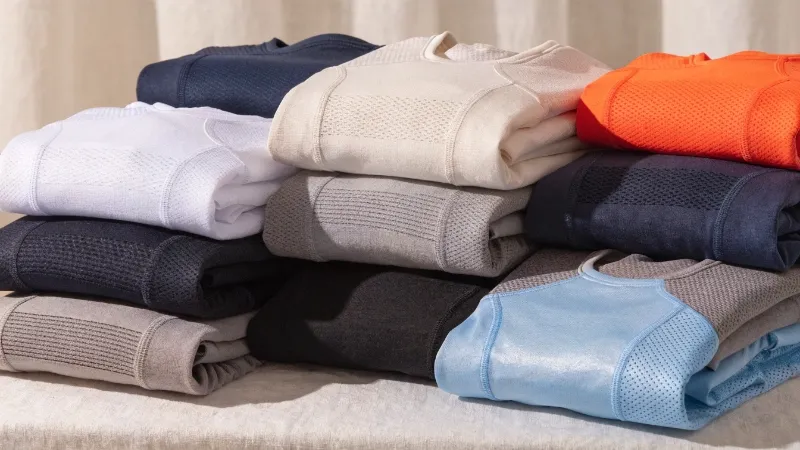
Athleisure shirts continue to grow because consumers want clothing that works for both movement and daily life. These shirts may use cotton-spandex blends, recycled polyester, moisture-wicking fabrics, quick-dry finishes, mesh panels, or lightweight jersey materials.
This trend is supported by the broader return of sporty fashion in 2026. Vogue reported that sport-coded looks appeared across Spring/Summer 2026 runways, with sporty jackets, technical pieces, and athletic styling moving into everyday outfits.
For brands, athleisure shirts can sit between activewear and casualwear. They do not have to be full performance gym shirts. Some of the strongest products are simple, comfortable tops with better stretch, breathability, and shape retention.
Best for: activewear brands, athleisure labels, travelwear, casual menswear, women’s lifestyle collections, and gym-to-street products.
Production note from a manufacturer:
For athleisure shirts, fabric testing is important. Brands should check stretch recovery, pilling, color fastness, shrinkage, and hand feel after washing. If the shirt uses functional finishing, such as quick-dry or anti-odor treatment, confirm whether the finish can meet the target market’s expectations and budget. Fit also matters: an athleisure shirt should allow movement without becoming too loose or shapeless. Compared with a simple cotton T-shirt, athleisure styles may need more fabric testing before sampling is approved.
10. Statement Collar Shirts
Statement collar shirts offer a simple way to make a shirt feel more designed. Instead of relying on loud prints, the collar becomes the focus. Popular versions include oversized collars, contrast collars, camp collars, Peter Pan collars, pointed collars, and layered collar details.
This trend is useful for brands that want a more polished look. A statement collar can work in resort shirts, women’s blouses, fashion polos, retro-inspired shirts, and smart-casual collections.
The key is balance. If the collar is too large, too stiff, or poorly shaped, the shirt can look costume-like instead of stylish. The collar must match the fabric weight, body fit, and overall brand style.
Best for: resort wear, women’s fashion, smart-casual shirts, retro-inspired collections, and premium casualwear.
Production note from a manufacturer:
For statement collars, sample development is very important. The collar pattern, interlining, seam shape, and pressing method all affect the final look. A soft camp collar needs a different construction from a structured dress-style collar. If the collar uses contrast fabric, the factory should test shrinkage and color bleeding between the main fabric and contrast material.
How to Choose the Right Shirt Style for Your Brand
Choosing a shirt style should not start with trends alone. A trend may look exciting online, but it still needs to match your customer, price range, production quantity, and brand positioning.
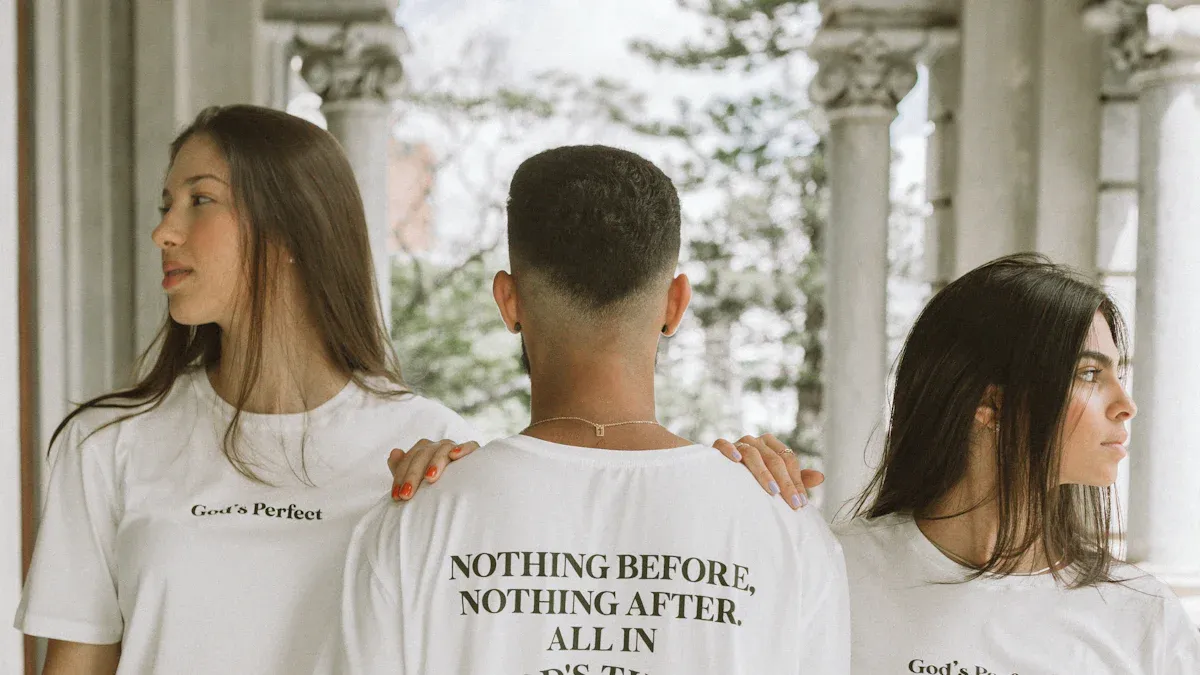
Here are a few practical questions to ask before developing a shirt collection:
1. Who is the target customer?
A minimalist tee may work well for a premium basics brand, while a neon or all-over print shirt may be better for a streetwear or festival-focused audience. A flannel shirt may fit men’s casualwear or outdoor-inspired collections, while embroidered shirts can support a more refined brand identity.
2. What is the product price range?
More complex designs usually cost more to produce. Patchwork, embroidery, all-over print, and dip-dye effects often require more sampling, more production control, and sometimes higher MOQ. If you are planning your first order, it is useful to understand what affects the cost to make a T-shirt before choosing fabric, print method, packaging, and quantity. If your brand is still testing the market, start with a simpler base style and add one strong detail.
3. What fabric will support the design?
Fabric choice affects almost everything: fit, comfort, print result, shrinkage, color, and customer satisfaction. For many startup brands, the first decision is often cotton vs polyester T-shirts, because the fiber choice affects softness, durability, shrinkage, breathability, and price. For many custom T-shirt projects, 180–220 GSM is a practical fabric weight range for everyday wear. Lighter fabrics may work better for hot climates or promotional shirts, while heavier fabrics may be better for premium streetwear or structured silhouettes.
For athleisure shirts, stretch and quick-dry properties may matter more. For flannel shirts, softness, brushing, and warmth become more important.
4. What decoration method is most suitable?
Screen printing, digital printing, puff print, embroidery, appliqué, and dye effects all create different results. The right method depends on the artwork, fabric, quantity, budget, and desired hand feel.
5. Can the style be repeated in bulk?
A good shirt design should not only look good in one sample. It should also be stable enough for bulk production. Before placing a large order, brands should confirm fit, fabric, color, decoration, washing result, and packaging requirements.
For production planning, Easson Apparel usually recommends brands confirm quantity early. For many custom shirt projects, the usual MOQ is around 100 pieces per color. If the fabric, color, or decoration method is more specialized, MOQ may need to be reviewed based on the actual project.
Manufacturer’s Advice for Startups Developing Shirt Collections
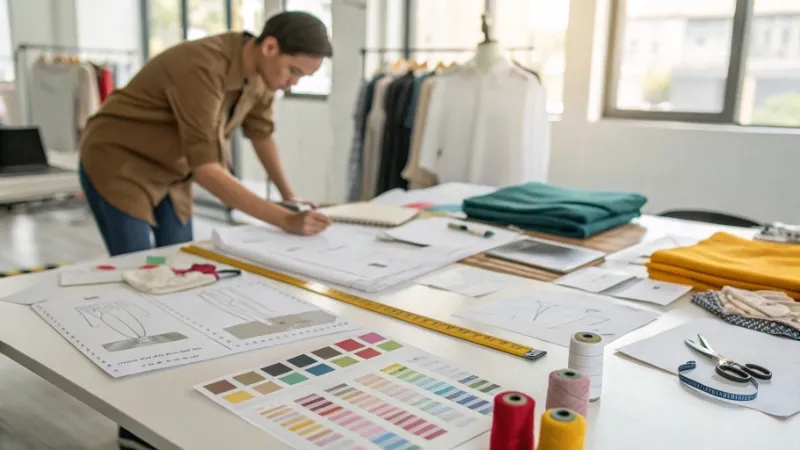
For startup brands, the biggest mistake is trying to develop too many styles at once. A better approach is to start with a focused collection.
For example, you might begin with:
- One minimalist T-shirt as the core basic
- One graphic or all-over print shirt as the statement piece
- One embroidered or flannel shirt as the premium option
This gives your brand enough variety without making sampling and production too complicated.
At Easson Apparel, we usually recommend confirming the following details before sampling:
- Shirt type and target fit
- Fabric composition and GSM
- Color reference or Pantone number
- Logo or artwork file
- Printing or embroidery method
- Size range
- Estimated quantity per style and color
- Target market and product positioning
- Label, hang tag, and packaging requirements
Once these details are clear, a simple shirt sample can often move faster. In many cases, custom samples usually take around 8–12 days, depending on fabric availability, artwork complexity, decoration method, and whether the style needs special washing, dyeing, or embroidery testing. A clear sample making process helps brands confirm fit, workmanship, fabric hand feel, logo placement, and finishing details before bulk production.
For brands preparing their first order, starting with around 100 pieces per color is often a practical MOQ for custom shirt production. It gives the factory enough production stability while still keeping the order size manageable for a startup or small brand.
The clearer these details are, the easier it is to develop a sample that matches your idea.
Final Thoughts
Shirt trends in 2026 are moving in two directions at the same time. On one side, bold colors, all-over prints, dip-dye effects, and patchwork designs give brands more room for creativity. On the other side, minimalist T-shirts, flannel shirts, embroidered basics, and athleisure shirts show that comfort and wearability are still very important.
For fashion brands, the best shirt style is not always the loudest trend. It is the style that matches your customer, your price point, your brand story, and your production plan.
If you are planning to develop custom shirts for your brand, Easson Apparel can support fabric sourcing, sample development, printing, embroidery, private labels, packaging, and bulk production. For brands that need help turning an idea, sketch, or reference sample into a production-ready garment, product development support can make the process more efficient. Whether you are creating minimalist T-shirts, embroidered shirts, flannel shirts, or athleisure tops, working with an experienced clothing manufacturer can help turn your design idea into a production-ready product.
For a smoother start, prepare your fabric preference, GSM, color reference, artwork, target quantity, and sample requirements before contacting the factory. If you are unsure where to begin, a simple custom T-shirt in the 180–220 GSM range is often a practical starting point for testing fabric, fit, logo placement, and customer response.
FAQ
What types of shirts are trending in 2026?
Popular shirt styles in 2026 include neon color shirts, flannel shirts, all-over print shirts, minimalist T-shirts, dip-dye shirts, patchwork shirts, custom embroidery shirts, animal and nature motif shirts, athleisure shirts, and statement collar shirts.
Which shirt style is best for a startup clothing brand?
For most startup brands, minimalist T-shirts, embroidered shirts, and simple graphic tees are easier to start with because they are more stable in production. More complex styles, such as patchwork shirts, dip-dye shirts, and all-over print shirts, are better once the brand has a clearer budget and product direction. If you are still comparing neckline, fit, sleeve shape, and fabric weight, this guide to different types of T-shirts can help you separate style names from actual product decisions.
What GSM is best for custom T-shirts?
For many everyday custom T-shirts, 180–220 GSM is a practical range. It offers a good balance of comfort, breathability, and structure. Lighter fabrics may suit hot climates or promotional shirts, while heavier fabrics may be better for premium streetwear or oversized silhouettes.
How long does it take to make a custom shirt sample?
At Easson Apparel, custom shirt samples usually take around 8–12 days after the fabric, measurements, artwork, and decoration method are confirmed. Simple styles may move faster, while complex printing, embroidery, dyeing, or patchwork designs may require more time.
What is the MOQ for custom shirts?
For many custom shirt projects, the usual MOQ is around 100 pieces per color. The final MOQ may depend on fabric availability, dyeing requirements, color selection, printing method, embroidery details, and packaging needs.
Are flannel shirts still popular in 2026?
Yes. Flannel and plaid shirts are receiving renewed attention in 2026, especially in relaxed, oversized, and smart-casual styling. They are suitable for casualwear, workwear-inspired collections, outdoor fashion, and fall/winter drops.
Are eco-friendly shirts popular in 2026?
Yes. More brands are paying attention to responsible materials, recycled fabrics, organic cotton, and transparent supply chains. However, brands should avoid making sustainability claims unless the fabric, dyeing, printing, packaging, or certification can support those claims.
What fabric is best for custom shirts?
It depends on the shirt style. Cotton and cotton blends are common for everyday T-shirts because they are breathable and comfortable. Flannel works well for fall/winter casual shirts. Polyester-spandex or recycled performance blends may be better for athleisure shirts. The best choice depends on your target customer, season, budget, and design requirements.
What should I prepare before asking a manufacturer for a shirt quote?
Prepare the shirt style, fabric preference, GSM, color reference, logo artwork, printing or embroidery method, size range, estimated quantity, target market, and packaging needs. If you do not have a full tech pack, clear reference images and detailed notes can still help the manufacturer understand your idea.
The source provides statistical data on the valuation and projected growth of the global T-shirt market, supporting the claim about its economic significance. ↩
This source supports the claim that the ethical fashion market grew from USD 8.63 billion in 2025 to USD 9.19 billion in 2026. ↩
Vogue's coverage of Spring/Summer 2026 fashion trends highlights the prominence of bold tones such as fuchsia, lime, blue, and tomato red, supporting the claim about the popularity of high-impact colors in 2026 shirt trends. Scope note: The source focuses on runway trends, which may not fully represent broader consumer preferences. ↩
This source supports the claim that flannel shirts are experiencing renewed popularity in 2026. Scope note: The resurgence of flannel may be more pronounced in specific regions or fashion niches. ↩