
A T-shirt can look perfect in a mockup but still fail after the first wash, the first workout, or the first customer review.
For custom clothing brands, fabric is not just a material choice. It affects how your T-shirt feels, how it prints, how it fits, how it washes, and how customers judge your brand.
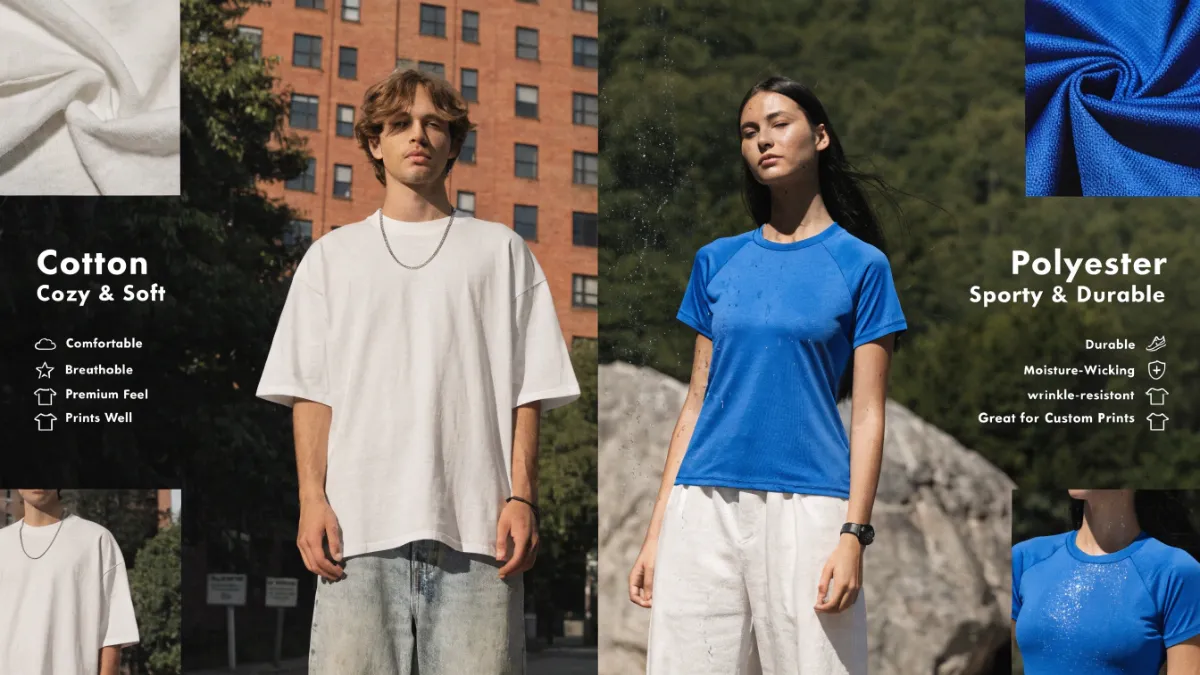
The best T-shirt fabric depends on your brand’s purpose. Cotton is usually the better choice for casual, premium, lifestyle, and streetwear T-shirts. Polyester works better for activewear, gym wear, uniforms, and performance products. For many startup brands, a cotton-polyester blend can be the most practical starting point because it balances comfort, durability, and cost.
After more than 21 years in garment manufacturing, we have seen many new brands make the same mistake: they choose fabric based on what sounds “premium” instead of what fits their actual customer, budget, and product use.
A good fabric is not always the most expensive one. It is the one that matches your brand positioning.
Polyester vs Cotton: Quick Answer for Custom T-Shirt Brands
If you need a fast answer, start with your product category.
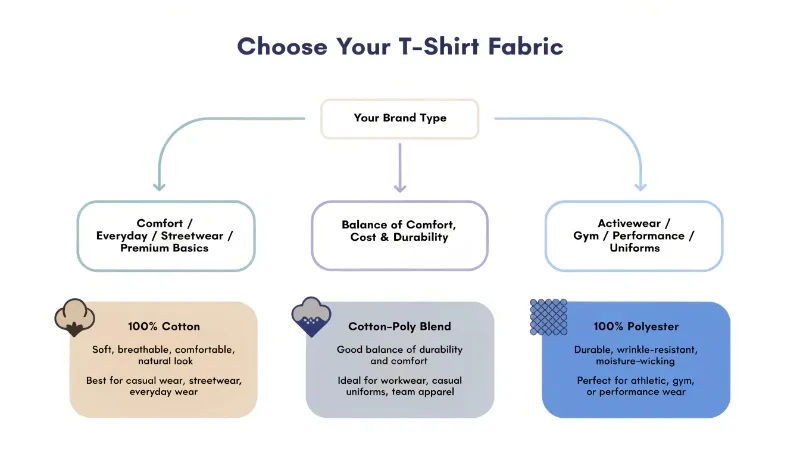
Choose 100% cotton if your brand focuses on comfort, everyday wear, premium basics, or streetwear. Choose polyester if your T-shirt needs moisture-wicking, fast drying, and high durability. Choose a cotton-polyester blend if you want a safer balance between comfort, cost, shrinkage control, and production stability.
Here is a simple way to think about it:
| Brand Type | Recommended Fabric | Why It Works |
|---|---|---|
| Streetwear / Premium Casual | 100% combed cotton, usually 220gsm+ | Gives a heavier hand feel, better structure, and a more premium look for oversized or boxy fits. |
| Fitness / Activewear | Polyester or polyester-spandex blend, usually 140–170gsm | Helps with moisture control, quick drying, stretch, and durability during movement. |
| Startup / General Lifestyle Brand | Cotton-polyester blend, such as 60% cotton / 40% polyester | Balances comfort, cost, and stability. It is often easier for new brands to test the market. |
| Eco-Conscious Brand | Organic cotton, recycled cotton, or recycled polyester | Can support a sustainability-focused brand story, depending on certification, sourcing, and production process. |
In our factory, many startup T-shirt projects begin with 50–100 pieces for testing. At this stage, the goal is not only to make the “best” T-shirt possible. The goal is to make a product that matches the brand’s budget, target customer, and expected retail price.
For cotton T-shirts, one of the most common fabric ranges we use is around 180–220gsm. This range works well for many everyday, retail, and startup brand T-shirts because it feels better than very thin promotional fabric but does not become as expensive or heavy as premium streetwear fabric.
Cotton vs Polyester T-Shirts: Natural Comfort vs. Synthetic Strength
Cotton and polyester solve different problems.
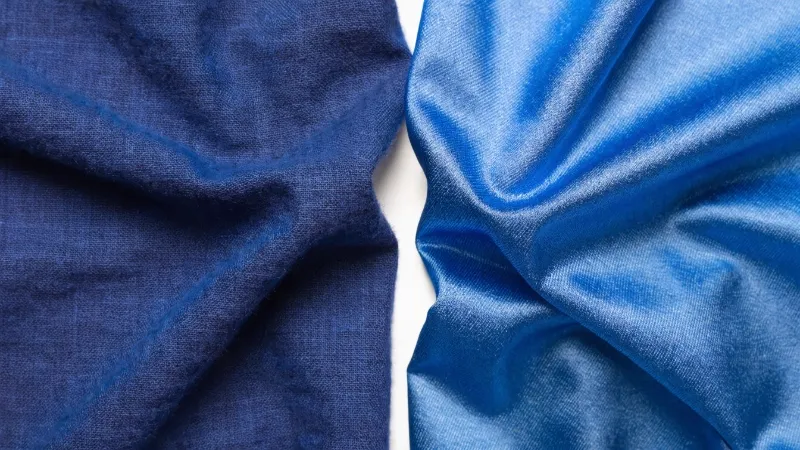
Cotton is a natural fiber known for its soft touch, breathability, and comfortable everyday wear. Polyester is a synthetic fiber known for durability, wrinkle resistance, quick drying, and moisture management.

The real question is not “Which fabric is better?”
The better question is:
What does your customer expect from this T-shirt?
| Feature | 100% Cotton | 100% Polyester |
|---|---|---|
| Hand Feel | Soft, natural, breathable | Smooth, synthetic, sometimes cooler or slicker depending on finish |
| Best Use | Lifestyle, streetwear, premium basics, casual wear | Activewear, sportswear, uniforms, teamwear |
| Breathability | Usually better for daily comfort | Depends on fabric construction and finishing |
| Moisture Handling | Absorbs sweat and can feel heavy when wet | Helps move moisture away and dries faster |
| Shrinkage Risk | Higher if not pre-shrunk or properly finished | Lower shrinkage risk |
| Wrinkle Resistance | Wrinkles more easily | More wrinkle-resistant |
| Durability | Good, but depends heavily on yarn quality and fabric weight | Strong, stable, and resistant to repeated wear |
| Printing Compatibility | Excellent for many common print methods, especially DTG and screen printing | Strong for sublimation and many performance-printing applications |
| Brand Perception | Natural, comfortable, premium when quality is good | Functional, sporty, technical, durable |
Many new brand owners believe “cotton equals premium” and “polyester equals cheap.” That is too simple.
Low-quality cotton can still feel rough and lose shape. High-quality polyester can work very well for performance apparel. The fiber matters, but yarn quality, fabric weight, finishing, fit, stitching, and printing method matter too.
Printing Compatibility: Matching Ink to Fabric Fiber
Printing is one of the biggest dealbreakers in custom T-shirt production.
A fabric may feel right, but if it does not work well with your printing method, the final product can look faded, blurry, stiff, or unstable after washing.
For DTG printing, high-cotton fabrics usually give the best results. For sublimation, polyester-rich fabrics are the better choice. For screen printing, cotton, polyester, and blends can all work, but the ink system and curing process need to match the fabric.
DTG Printing
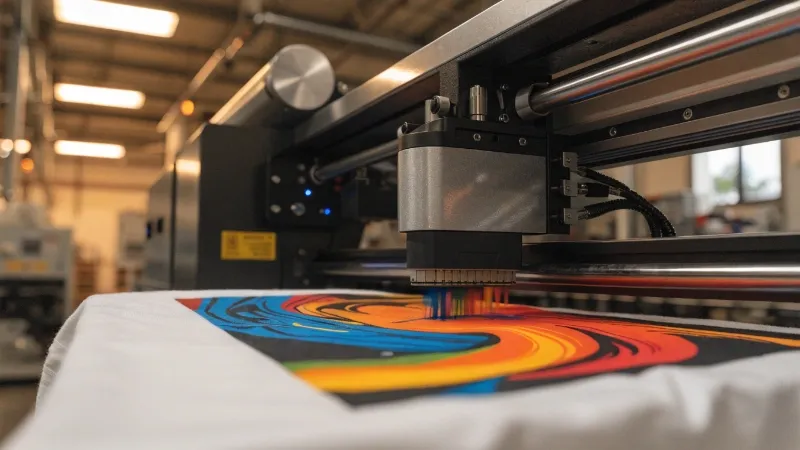
DTG, or direct-to-garment printing, usually performs best on 100% cotton or high-cotton fabrics.
The reason is simple: DTG inks are often designed to bond better with natural cotton fibers. On low-cotton or polyester fabrics, the result may look less vibrant or less stable unless the printer, pretreatment, and ink system are designed for that fabric.
Best for:
- 100% cotton T-shirts
- Combed cotton
- Ringspun cotton
- High-cotton blends
Good use cases:
- Detailed graphics
- Small-batch custom T-shirts
- Premium logo tees
- Lifestyle brand designs
Sublimation Printing
Sublimation works best on polyester-rich fabrics, especially white or light-colored polyester.
The ink bonds with synthetic fibers through heat. On cotton, sublimation usually does not produce the same bright, permanent result.
Best for:
- 100% polyester
- Polyester-rich activewear fabrics
- Light-colored performance T-shirts
Good use cases:
- Sportswear
- Teamwear
- All-over prints
- Bright full-color graphics
Screen Printing
Screen printing is more flexible. It can work on cotton, polyester, and blends, but the ink choice matters.
Cotton is usually easier to screen print. Polyester needs more control because dye migration can happen. This means the fabric dye may bleed into the printed ink, especially during heat curing.
For polyester or dark synthetic fabrics, the factory may need:
- Low-bleed ink
- Correct curing temperature
- Proper underbase
- Fabric testing before bulk production
Factory note: Before bulk production, we prefer to test the print on the actual fabric, not just a similar fabric. Fabric composition, color, stretch, finishing, and thickness can all affect the final print result.
This is why we usually recommend sample testing before moving into bulk production. A print that looks good on one fabric may not behave the same way on another.
Brand Positioning: Who Is Your T-Shirt Audience?
Your fabric choice should support your brand positioning.
A $60 premium T-shirt and a $15 promotional T-shirt should not use the same fabric strategy. A gym shirt and a streetwear shirt should not feel the same either.
For a premium or streetwear brand, use heavyweight 100% combed cotton (220gsm+). For a performance or athletic brand, use a lightweight polyester blend (140-170gsm). Your fabric must match the price point and lifestyle expectations of your target customer.

I often ask clients to stop thinking about "good" or "bad" fabrics. Instead, think about "appropriate" fabrics. A fabric is only good if it's appropriate for your brand, your customer, and your price. A heavyweight cotton shirt feels substantial and luxurious, justifying a higher price. A thin, cheap-feeling polyester shirt will get you bad reviews, even if it's for a fitness brand. The key is in the details, like fabric weight (GSM - grams per square meter) and the quality of the yarn.
If You Are Building a Streetwear Brand
Streetwear customers often care about shape, weight, and structure.
For oversized or boxy T-shirts, fabric weight matters a lot. A very light cotton fabric may feel soft, but it may not hold the silhouette well.
Recommended direction:
- 100% cotton
- Combed cotton
- 220gsm or higher
- Heavier fabric for boxy or oversized fits
A 240gsm cotton T-shirt and a 180gsm cotton T-shirt can feel like completely different products, even if both are 100% cotton.
If You Are Building a Lifestyle Brand
For everyday lifestyle T-shirts, comfort and hand feel are usually more important than extreme performance.
Recommended direction:
- 100% cotton
- Cotton-polyester blend
- 180–220gsm cotton
- Soft finishing if needed
This is a practical range for many custom clothing brands because it can feel good without pushing the cost too high.
If You Are Building an Activewear Brand
Activewear customers care about sweat, movement, drying time, and repeated washing.
Recommended direction:
- Polyester
- Polyester-spandex blend
- Lightweight performance fabric
- Moisture-wicking finish if needed
A 100% cotton T-shirt may feel comfortable at first, but during intense sweating, it can hold moisture and feel heavy.
If You Are Building an Eco-Conscious Brand
For sustainability-focused brands, fabric choice is part of the brand story.
Possible options:
- Organic cotton
- Recycled cotton
- Recycled polyester
- Certified fabrics when available
However, sustainability claims should be handled carefully. The fabric itself is only one part of the story. Certifications, dyeing, finishing, packaging, and supply chain transparency also matter.
Factory note: One common fabric mistake we see is that new brands want the “best” fabric before they know their positioning. If the budget is limited, forcing a premium fabric into a small order can make the unit price too high. It is usually better to choose a fabric that fits the product level first, then upgrade when sales are proven.
The Longevity War: Cotton Shrinkage vs. Polyester Odor Retention
A good T-shirt should not only look good on delivery day. It should still feel acceptable after repeated washing and wearing.
Cotton and polyester have different long-term risks.
The main longevity issue with 100% cotton is shrinkage, especially in a hot dryer. For polyester, the biggest problem is odor retention, as the synthetic fibers can trap bacteria that cause smells. Both can be managed, but you need to choose your battle.
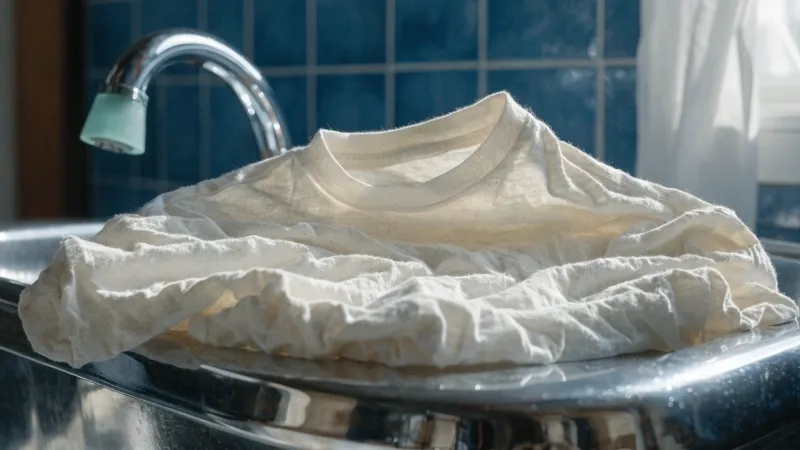
Every fabric has a weakness. Understanding these weaknesses helps you either choose a different fabric or educate your customers on proper care. Many new brands ignore this, and it comes back to bite them in the form of returns and bad reviews. For example, if you sell 100% cotton tees, you should tell your customers to wash them in cold water and hang them to dry. If you sell polyester activewear, you might look into anti-microbial treatments.
Cotton Shrinkage
Cotton can shrink after washing, especially under high heat. The exact result depends on:
- Yarn quality
- Fabric construction
- Fabric finishing
- Whether the fabric is pre-shrunk
- Washing and drying conditions
- Garment design and sewing tension
For heavier cotton T-shirts, shrinkage control becomes more important because the garment has more structure and weight. If the shrinkage is not controlled, the final fit can change noticeably after washing.
Ways to reduce cotton shrinkage risk:
- Use pre-shrunk fabric
- Test the sample before bulk production
- Control washing and finishing process
- Use a cotton-polyester blend for better stability
- Add clear care instructions
In our production process, we use sampling to check key risks before bulk production, including fabric feel, fit, printing effect, wash result, and shrinkage where needed. These checks are part of the T-shirt manufacturing process especially before moving from sample development to bulk production. For heavier cotton fabrics, we pay closer attention to shrinkage because it can affect the final size and silhouette more obviously.
Polyester Odor Retention
Polyester dries quickly, but it can hold odor if used heavily for sports or gym wear. This happens because body oils can stay inside synthetic fibers and create an environment where odor becomes harder to remove.
Ways to reduce polyester odor issues:
- Choose better-quality performance fabric
- Use moisture-wicking finishes
- Consider anti-odor or anti-microbial treatments when appropriate
- Blend polyester with other fibers
- Give customers proper care instructions
For performance brands, this is not a reason to avoid polyester. It simply means the fabric needs to be chosen and tested correctly.
The Third Way: Why Cotton-Poly Blends, CVC, and Tri-Blends Might Be Your Winner
You do not always need to choose between cotton and polyester.
For many startup brands, a blend is the most realistic choice.
Blended fabrics combine different fibers to balance comfort, durability, shrinkage control, wrinkle resistance, and cost. A cotton-polyester blend can be softer than basic polyester, more stable than 100% cotton, and more affordable than premium cotton.
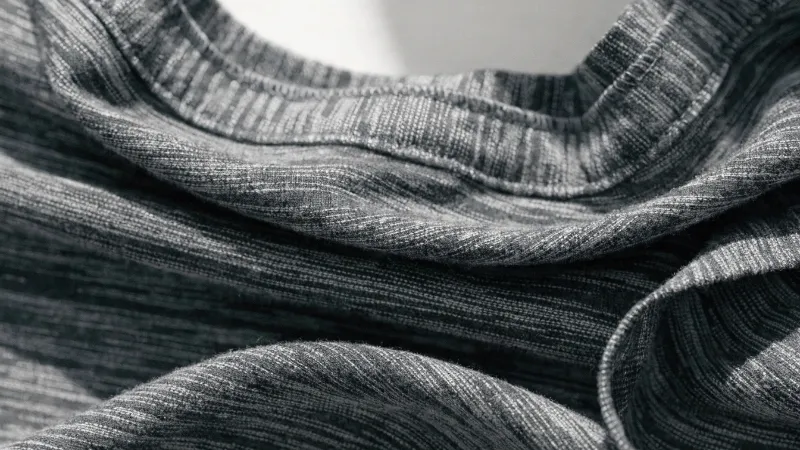
For many brands, especially startups, a blend is the smartest choice. It's a safe middle ground. You get some of cotton's comfort and some of polyester's performance and easy care. This is why so many popular retail t-shirts are not 100% cotton. They are engineered to be the perfect balance of feel, function, and price. I often recommend a CVC blend to new clients who are on a budget but don't want to sacrifice quality.
Common T-Shirt Blends
| Blend Type | Typical Composition | Key Benefits | Best For |
|---|---|---|---|
| CVC Blend | Usually cotton content is higher than polyester, such as 60% cotton / 40% polyester | Softer cotton feel with better stability and less wrinkling than 100% cotton | Startup brands, lifestyle T-shirts, everyday retail |
| 50/50 Blend | 50% cotton / 50% polyester | Balanced comfort, durability, and easy care | Promotional T-shirts, uniforms, general casual wear |
| Tri-Blend | Often polyester / cotton / rayon | Very soft, lighter, more drapey, vintage-style feel | Premium lifestyle brands, fashion basics, slim or relaxed fit tees |
CVC does not automatically mean the fabric will have a heathered look. A heathered effect depends on yarn color, dyeing method, and fabric construction. But CVC is popular because it can give brands a good balance between cotton comfort and polyester stability.
Tri-blends are often more expensive, but they can create a softer, more worn-in feel. This works well for brands that want a vintage or premium casual style.
Factory note: If a client is not sure what kind of hand feel they want, we usually suggest making a sample first. After the first test sample, if the client does not like the fabric, we can send the sample together with several fabric swatches, so they can compare hand feel and choose the direction they prefer.
This process avoids guessing. It is much easier to adjust fabric, fit, and print after seeing a real sample than to make a large decision based only on photos or fabric names.
Cost and Bulk Production: Which Fabric Makes More Sense for Your Budget?
Fabric cost is important, but it should not be judged alone.
A cheaper fabric can reduce the unit price, but if it makes the product feel wrong for the brand, it may hurt customer reviews, repeat orders, and long-term sales.
Basic polyester is often more cost-stable than premium cotton, but high-performance polyester can also be expensive. Cotton cost depends heavily on yarn quality, fabric weight, finishing, and market conditions. For many startup brands, the best choice is not the cheapest fabric, but the fabric that matches the target price and brand promise.
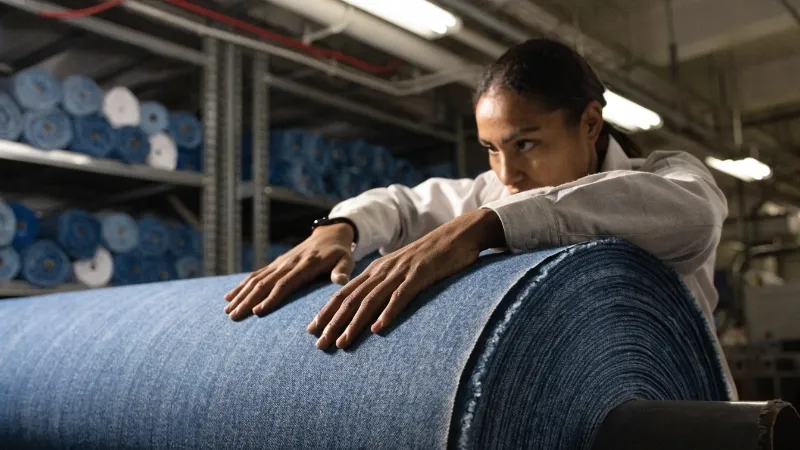
A Common Factory Scenario
A startup brand wants a premium oversized T-shirt. They like the look of heavyweight streetwear, but their budget is limited and their first order is only around 50–100 pieces.
Their first idea is usually:
“Can we use the best heavy cotton fabric?”
Technically, yes. But commercially, it may not be the smartest first step.
A very heavy cotton fabric can increase fabric cost, sample cost, and final unit price. If the brand has not tested the market yet, the product may become too expensive before they know whether customers will buy it.
In this situation, we may suggest starting with a more practical cotton range, such as 180–220gsm, or testing a cotton-rich blend if the brand wants better stability and lower cost pressure.
The goal is not to lower quality blindly. The goal is to make the first product realistic enough to launch, test, and improve.
Cost Factors Beyond Fabric
When calculating the real cost of a custom T-shirt, fabric is only one part. For a full price breakdown, read our guide on how much it costs to make a T-shirt.
Other factors include:
- Order quantity
- Fabric weight
- Fabric dyeing
- Pattern and fit adjustment
- Sample development
- Printing or embroidery
- Labels and packaging
- Cutting and sewing
- Quality control
- Shipping
In our factory, T-shirt sample development usually takes around 8–12 days after fabric direction, artwork, and basic details are confirmed. For startup orders, a common MOQ range is around 50–100 pieces, depending on fabric availability, colors, printing method, and customization details. This is why understanding the sample development process is important before starting bulk production.
Small orders can be flexible, but the unit price will usually be higher than bulk production. This is normal because sampling, cutting, machine setup, printing preparation, and production management still require time and labor.
Three Cost Mistakes to Avoid
Choosing fabric only by price
A fabric that saves a little money per piece may cost more later if customers complain about feel, fit, shrinkage, or print quality.
Choosing premium fabric without matching budget
Many new brands want high-end fabric, custom labels, special packaging, and low MOQ at the same time. This can push the unit cost too high. If the budget is limited, choose the most important upgrade first.
Ignoring the sample stage
A sample helps you check the real product before bulk production. It can reveal problems with hand feel, fit, print effect, shrinkage, and washing performance.
Factory note: When a client is still unsure about the fabric type, fit, or product direction, we usually recommend making a sample first. After testing the sample, we can adjust the fabric, size, print method, or details before bulk production. This is a safer way to control risk than going directly into a large order.
Final Verdict: Cotton, Polyester, or Blends?
There is no single best T-shirt fabric for every custom clothing line.
Choose cotton if your brand sells comfort, natural feel, premium basics, or streetwear. Choose polyester if your brand sells performance, quick drying, durability, or activewear. Choose blends if you need a practical balance between comfort, cost, stability, and production flexibility.Start with your brand strategy, not the fabric!
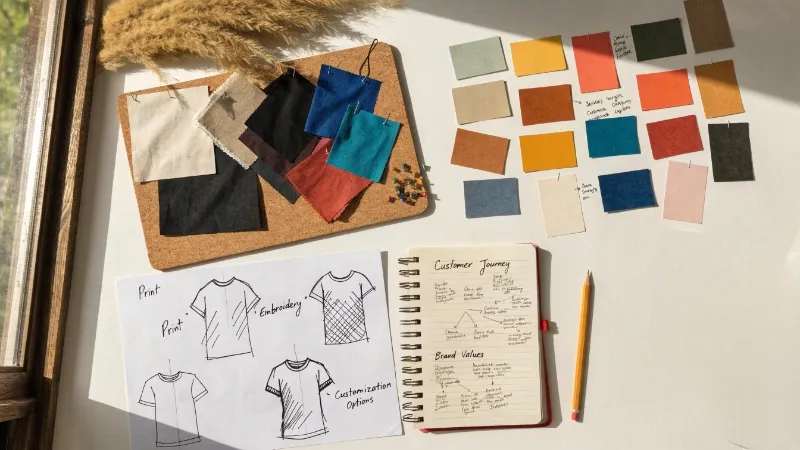
Instead of asking me "Which fabric is better?", successful brand owners ask "Which fabric will my customer love?". I always guide my clients to think through a simple checklist before they decide. This ensures their choice is strategic, not just a guess.
Use this simple checklist before choosing your fabric:
- Who is your target customer?
- What is your retail price?
- Is the T-shirt for daily wear, sports, uniforms, or streetwear?
- What fit do you want: regular, slim, oversized, or boxy?
- What printing method will you use?
- What hand feel do you want?
- What is your first order quantity?
- Do you need low MOQ for market testing?
- Are you willing to pay more for premium fabric?
- Do you need to test shrinkage, print, or wash performance before bulk?
A successful T-shirt line does not start with the most expensive fabric. It starts with a clear product strategy.
If you are building a premium streetwear brand, a heavyweight cotton T-shirt may be the right choice. If you are launching a gym wear line, polyester or polyester-spandex will usually make more sense. If you are testing your first collection with a limited budget, a cotton-polyester blend may be the safest starting point.
Conclusion
Polyester and cotton are not enemies. They are tools.
Cotton gives you comfort, natural hand feel, and premium appeal. Polyester gives you performance, durability, and easy care. Blends give you balance.
The best fabric is the one your customer will understand, wear, and buy again.
If you are not sure which fabric is right for your custom T-shirt line, working with an experienced custom clothing manufacturer can help you compare fabric options before sampling. If you are planning your first custom T-shirt order, prepare your target price, order quantity, design artwork, and preferred fit first. A manufacturer can then help you compare cotton, polyester, and blend options before sampling.