
Choosing T-shirt GSM sounds simple until the first sample arrives. If you want a quick answer: most brands should start with 180–220 GSM1. Choose 220–260 GSM if you want a premium streetwear or oversized T-shirt, and only move toward 300 GSM when you have a clear reason for a super heavyweight product.
The fabric may feel too thin for your retail price. It may be too heavy for your market. Or it may look perfect on the table but fail after printing, washing, or bulk production. For many clothing brands, the real problem is not choosing a “good” GSM. It is choosing the right GSM for the product they are trying to build.
There is no single best GSM for every T-shirt. For most brands, 180–220 GSM is the safest starting point because it balances comfort, cost, printability, and perceived quality. For premium streetwear and oversized fits, 220–260 GSM usually gives a stronger structure and a higher-end feel. Once you move toward 280–300 GSM, you are no longer making a basic T-shirt. You are building a statement product that needs better fabric control, better shrinkage testing, and a clear retail positioning.
After more than 20 years in garment manufacturing, I rarely answer the question “What is the best GSM for a T-shirt?” with one number. A 180 GSM T-shirt can be excellent if it uses the right yarn and finishing. A 240 GSM T-shirt can still feel cheap if the fabric is loosely knitted or shrinks badly after washing.
GSM is only the starting point. The real decision depends on your brand positioning, target market, fit, season, printing method, and T-shirt manufacturing process standard.
Manufacturer’s note: As a custom T-shirt manufacturer, we usually do not confirm a T-shirt fabric only by hand feel. For custom orders, we compare fabric swatches, make samples, check printing compatibility, and review shrinkage before bulk production. This is especially important for heavyweight cotton T-shirts, oversized fits, and printed designs.
This guide will walk you through a practical T-shirt GSM map from 140g lightweight to 300g super heavyweight, with a manufacturer’s view on printing, heavyweight T-shirt margins, and the sourcing traps buyers should avoid before placing bulk orders.
What Do Different T-Shirt Weights from 140 to 300 GSM Actually Mean?
GSM stands for grams per square meter. In simple terms, it tells you how much one square meter of fabric weighs. A higher GSM usually means the fabric is heavier, thicker, and more structured. A lower GSM usually means the fabric is lighter, more breathable, and often more suitable for warm weather or lower-cost products.
But GSM does not automatically mean quality.
A 200 GSM T-shirt made from combed cotton with a tight knit can feel smoother and more stable than a 240 GSM T-shirt made from coarse yarn and loose knitting2. That is why I treat GSM as a product positioning tool, not a quality guarantee.
140–160 GSM is lightweight and works for summer tees, promotional tees, and budget basics. 180–220 GSM is the most versatile range for most startup and retail brands. 220–260 GSM is where T-shirts start to feel more premium and structured. 260–300 GSM is true heavyweight territory, best suited for streetwear, oversized fits, and statement pieces.
In factory discussions, I usually separate T-shirt weights into six practical zones. Each one has a different purpose. The mistake many new brands make is trying to use one GSM for every product.
A lightweight summer tee, a retail logo tee, and a premium boxy streetwear tee should not use the same fabric weight.
A Practical T-Shirt GSM Map
| GSM Range | Category | Best For | Manufacturer’s Note |
|---|---|---|---|
| 140–160 GSM | Lightweight | Summer tees, promotional tees, budget basics | Light and breathable, but can feel thin if the cotton quality is poor. |
| 160–180 GSM | Standard lightweight | Everyday basics, warm-weather retail tees | More wearable than very light promo tees, but still not ideal for a premium heavyweight look. |
| 180–220 GSM | All-rounder | Startup brands, retail tees, logo tees, most printed T-shirts | The safest range for quality, comfort, cost, and print compatibility. |
| 220–260 GSM | Premium / streetwear | Oversized tees, boxy fits, premium blanks, brand statement pieces | Gives better structure, stronger hand feel, and higher perceived value. |
| 260–300 GSM | Heavyweight | Streetwear, fall/winter tees, garment-dyed tees, luxury basics | Strong premium feel, but higher cost and less breathability. Must test shrinkage. |
| 300 GSM+ | Super heavyweight | Niche streetwear, statement tees, sweatshirt-like T-shirts | Not for every market. Requires serious testing for comfort, fit, washing, and printing. |
For most first-time brand owners, I would not suggest jumping directly into 300 GSM. It sounds premium, but it also brings higher fabric cost, higher shipping weight, more shrinkage risk, and a smaller seasonal wearing window.
If you are building your first core T-shirt, 180–220 GSM is usually the smartest place to start. If your brand is clearly positioned around premium streetwear, oversized fits, or luxury basics, then 220–260 GSM is a better direction.
The key is not to choose the heaviest fabric. The key is to choose a fabric weight your customer can understand, feel, wear, and pay for.
Why Do Yarn Count and Fabric Structure Matter as Much as GSM?
One of the biggest misunderstandings in T-shirt sourcing is treating GSM as the full definition of quality.
It is not.
GSM tells you the weight. It does not tell you whether the fabric feels smooth, whether it drapes well, whether it pills easily, or whether it will hold its shape after washing. Those details come from yarn quality, yarn count, knit density, cotton type, finishing, and shrinkage control.
A 220 GSM T-shirt can feel rough and cheap if it uses coarse yarn and loose knitting. A 200 GSM T-shirt can feel premium if it uses better cotton, finer yarn, and a stable knit structure. This is why serious T-shirt development should always look beyond the GSM number.
In our factory conversations, I often explain it this way:
GSM tells you how heavy the fabric is.
Yarn count and fabric structure tell you how that weight feels on the body.
A higher yarn count number usually means a finer yarn3. Finer yarn can create a smoother and softer hand feel. Lower yarn count usually means thicker yarn, which can help build a more structured fabric. For heavyweight T-shirts, manufacturers may use double yarn constructions, such as 16s or 21s double yarn, to create a fabric that feels firm and stable instead of loose and bulky.
That difference matters a lot for premium T-shirts.
Two fabrics can both be 240 GSM, but one may feel clean, compact, and structured, while the other feels rough, heavy, and uncomfortable. To the customer, both labels say “240 GSM.” But on the body, they are not the same product.
GSM Is Only Half the Story
When brands develop premium heavyweight T-shirts for 2026, the goal should not be to add weight blindly. The goal is to build the right structure.
For example, an oversized T-shirt needs enough fabric body to support the shoulder line, sleeve shape, and boxy silhouette. If the fabric is too light, the garment may collapse and look sloppy. But if the fabric is too heavy and poorly constructed, it can feel stiff, hot, and uncomfortable.
That is why fabric development should include more than a GSM target. It should also include:
- Cotton type
- Yarn count
- Knit density
- Fabric surface smoothness
- Stretch and recovery
- Shrinkage control
- Print compatibility
- Final hand feel after washing
| Fabric Factor | What It Means | Impact on Quality |
|---|---|---|
| GSM | Weight of the fabric per square meter | Helps judge thickness and structure, but not the full quality. |
| Yarn Count | The thickness or fineness of the yarn | Affects smoothness, softness, fabric body, and surface quality. |
| Knit Structure | How tightly and evenly the yarn is knitted | Affects stability, durability, print surface, and shape retention. |
| Finishing | Processes such as singeing, washing, compacting, or pre-shrinking | Affects touch, shrinkage, surface fuzz, and final appearance. |
For brand owners, the lesson is simple:
Do not approve a T-shirt fabric only because the supplier says it is 220 GSM or 260 GSM. Touch the fabric, test the sample, wash it, print on it, and compare it with your target retail price.
A good T-shirt is not just heavy. It has to feel right after real use.
How Does GSM Affect DTG and Screen Printing Results?
Many brands choose fabric first and think about printing later. That is a costly mistake.
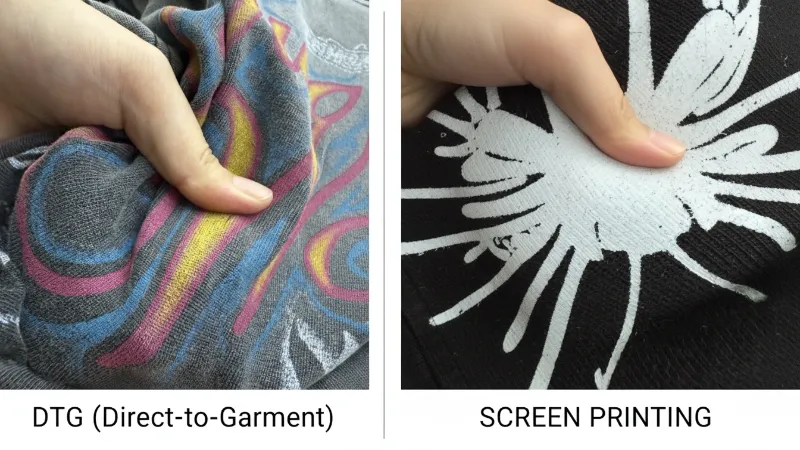
Your printing method should be part of the fabric decision from the beginning. DTG and screen printing react very differently to fabric weight, cotton content, surface smoothness, and knit structure. A fabric that works well for screen printing may not be the best choice for DTG. A fabric that feels premium in hand may still make a detailed print look blurry if the surface is too fuzzy.
For DTG printing, a smooth, high-cotton fabric surface is more important than simply choosing a heavier GSM. For screen printing, GSM is more flexible, but fabric stability, surface texture, ink type, curing, and wash testing all affect the final result.
This is where many new brands misunderstand heavyweight T-shirts.
They assume heavier fabric means better printing. Sometimes it does. Sometimes it does not.
If the fabric is heavy but rough, loose, or full of surface fuzz, DTG details can look soft and unclear. If the fabric is too textured, small letters and fine artwork may not print sharply. With screen printing, a heavier T-shirt can create a strong premium look, but large ink areas can feel thick if the ink system and curing process are not controlled well.
So the better question is not:
“What GSM is best for printing?”
The better question is:
“What GSM, fabric surface, and printing method work together for this design?”
Best GSM for DTG Printing
DTG, or direct-to-garment printing, works best when the fabric surface is smooth, stable, and cotton-rich4. If you are still deciding between cotton, polyester, or blends, this cotton vs polyester T-shirts guide can help you compare the fabric options before choosing a print method. The ink needs to sit cleanly on the fabric and bond well after pretreatment and curing.
For many DTG projects, 180–220 GSM is a safe and practical range. It is thick enough to feel like a quality T-shirt, but not so heavy that the surface becomes difficult to manage. More important than the GSM itself is the fabric surface.
For DTG, I usually look for:
- 100% cotton or high-cotton fabric
- Smooth jersey surface
- Low surface fuzz
- Good pretreatment compatibility
- Stable shrinkage after washing
- Clean print result on both light and dark colors
A 140–160 GSM T-shirt can be used for DTG, but it often feels too light for a premium brand. On white or light colors, it may also feel thin. On dark colors, the white underbase and pretreatment become more important.
A 240–260 GSM T-shirt can also work for DTG if the fabric surface is smooth enough. But if the yarn is coarse or the surface is fuzzy, small details, gradients, and fine lines may lose sharpness.
That is why I do not recommend choosing a DTG fabric by GSM alone.
If the design has small text, detailed artwork, portraits, or color gradients, always test the print before bulk production.
Best GSM for Screen Printing
Screen printing is more flexible than DTG and works across a wider range of T-shirt weights. It is especially strong for logos, bold graphics, solid colors, and larger production runs.
For most screen-printed T-shirts, 180–240 GSM is very stable. For streetwear brands, 220–260 GSM often gives a stronger result because the garment itself feels more premium and supports larger graphics better.
However, heavyweight fabric does not remove the need for testing.
For screen printing, you should still check:
- Fabric surface smoothness
- Knit stability
- Ink thickness
- Curing temperature
- Wash durability
- Cracking risk on large prints
- Hand feel after printing
Large screen prints on heavyweight T-shirts can look very strong, but they can also become stiff if the ink layer is too thick. On dark garments, an underbase may be needed, which adds more ink and changes the hand feel. For oversized streetwear tees, this can still work well, but the buyer should understand the final result before approving bulk production.
For 300 GSM+ super heavyweight T-shirts, I would not approve printing only from a mockup. I would always suggest a physical print sample first. The fabric may feel great, but the surface, ink absorption, and final hand feel still need to be tested.
DTG vs Screen Printing: A Practical Fabric Guide
| Print Method | Practical GSM Range | Best Fabric Condition | Manufacturer’s Note |
|---|---|---|---|
| DTG | 180–220 GSM is safest | Smooth, cotton-rich, low-fuzz surface | Best for detailed artwork, gradients, small batches, and multi-color designs. |
| Screen Printing | 180–260 GSM is very stable | Tight knit, stable surface, good curing control | Best for logos, bold graphics, larger runs, and streetwear-style prints. |
| DTG on Heavyweight Tees | 220–260 GSM possible | Must be smooth and well finished | Test before bulk, especially for detailed artwork. |
| Screen Printing on 300 GSM+ | Possible, but needs testing | Stable fabric, correct ink system, wash testing | Large prints may feel thick if not controlled properly. |
The rule I use is simple:
DTG depends heavily on fabric smoothness and cotton content5.
Screen printing depends heavily on fabric stability, ink control, and production consistency.
GSM matters, but it is only one part of the printing decision.
Is Investing in Heavyweight T-Shirts a Smart Move for 2026?
Heavyweight T-shirts still have strong premium potential in 20266, especially for streetwear, luxury basics, oversized fits, and garment-dyed collections.
But they do not automatically create higher profit.
A heavier T-shirt costs more to produce. It uses more yarn, may require better finishing, may increase shipping weight, and often needs more careful shrinkage control. If you want a fuller breakdown of fabric, printing, MOQ, packaging, and shipping costs, see our guide on how much it costs to make a T-shirt. If the brand cannot turn those extra costs into visible value, the margin may not improve.
Heavyweight T-shirts create premium opportunity when the customer can clearly feel the difference: better structure, stronger hand feel, cleaner fit, longer-lasting fabric, and a more intentional brand image. The profit does not come from GSM alone. It comes from turning that GSM into a product customers are willing to pay more for.

This is where many brands get the heavyweight trend wrong.
They think 280 GSM or 300 GSM automatically means premium. But a heavy T-shirt with poor fit, weak collar recovery, bad shrinkage, or rough fabric will not feel premium. It will just feel heavy.
The brands that benefit most from heavyweight T-shirts usually have a clear product direction:
- Oversized streetwear
- Boxy fit basics
- Premium blank T-shirts
- Minimalist luxury basics
- Vintage wash or garment-dyed collections
- Fall/winter T-shirt drops
- Higher retail price positioning
If you are still comparing fits, necklines, and style categories, our guide to different types of T-shirts can help you understand how fit and fabric work together.
For these brands, a 220–260 GSM T-shirt can create a clear upgrade from standard retail basics. The customer can feel the difference immediately. The shoulder line looks stronger. The sleeve shape holds better. The product photos look more premium. The garment feels less disposable.
That is where the value comes from.
The Real Economics of Heavyweight Tees
A heavyweight T-shirt can support a higher retail price, but only when the extra fabric cost creates visible value.
From a manufacturing point of view, moving from a standard 180 GSM fabric to a 240–260 GSM fabric usually increases the material cost. If the brand also adds garment dye, vintage wash, special labels, heavier rib, premium packaging, or large-area printing, the total cost will rise further.
That does not mean heavyweight is a bad choice. It means the brand needs to position it correctly.
A heavyweight tee should not be sold as “just a thicker T-shirt.” It should be sold as a better product experience:
- More structure
- Better drape for oversized fits
- Stronger collar and body feel
- Higher perceived durability
- Better visual weight in product photography
- More premium hand feel
When those details are done well, heavyweight T-shirts can help a brand justify a higher price point. When they are done poorly, the extra GSM only adds cost.
| The Opportunity | The Risk |
|---|---|
| Higher perceived value can support a higher retail price. | Higher fabric cost can hurt margin if the brand sells at a budget price. |
| Better structure for oversized and boxy fits. | Too heavy for hot climates or summer collections. |
| Stronger premium feel for luxury basics and streetwear. | Poor yarn or finishing can make the garment feel rough, not premium. |
| Good base for garment dye, vintage wash, and premium blanks. | Shrinkage and printing issues become more expensive in bulk. |
| Better product photos and stronger visual identity. | Not suitable for every market, season, or customer group. |
My practical view is this:
For most brands, 220–260 GSM is the best heavyweight business zone. It gives a premium feel without becoming too extreme. Once you go above 280–300 GSM, you need a much clearer reason. The product becomes more niche, more seasonal, and more dependent on strong brand positioning.
Heavyweight T-shirts can be profitable in 2026, but only if the brand treats them as a designed product, not just a heavier fabric.
What Sourcing Traps Should You Avoid When Buying T-Shirts in Bulk?
This is the part many brand owners learn too late.
A sample arrives and feels perfect. The fabric has the right weight, the right hand feel, and the right fit. The buyer approves it. But when the bulk order arrives, the shirts feel thinner, shrink more than expected, or no longer match the approved sample.
That is not just disappointing. It can damage your brand reputation.
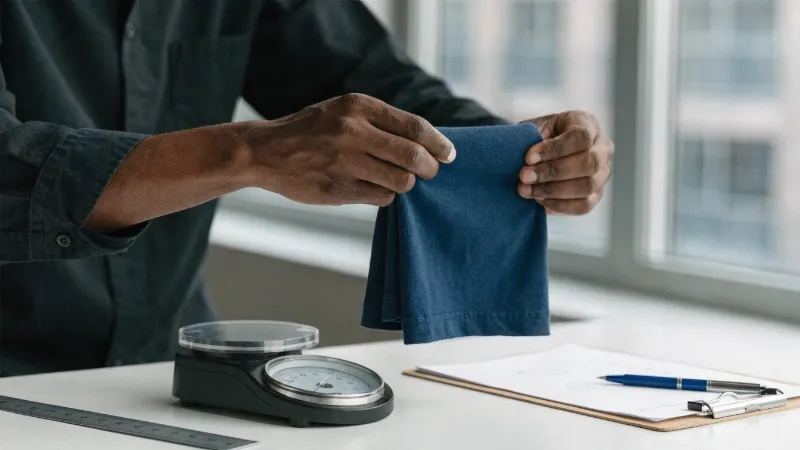
The biggest B2B sourcing risks are not only wrong GSM, but uncontrolled GSM. Buyers should watch for sample-to-bulk differences, unclear testing conditions, high shrinkage, poor fabric relaxation, and suppliers who treat GSM as a loose promise instead of a production standard.
In T-shirt production, small differences become serious problems when the order goes into bulk.
A 10–15 GSM difference may not sound big on paper, but customers can often feel it. A 3–5% shrinkage difference may not look serious in a spreadsheet, but it can change the fit after washing. A heavy T-shirt with poor shrinkage control can quickly turn from “premium” into “unreliable.”
That is why B2B buyers should not only ask:
“What GSM is this fabric?”
They should also ask:
“How is the GSM measured, what tolerance is allowed, and what happens after washing?”
Pitfall 1: Sample GSM vs Bulk GSM
One common problem is that the approved sample and the bulk fabric do not feel the same.
Sometimes this is caused by poor fabric control. Sometimes it comes from different fabric batches. Sometimes the sample fabric and bulk fabric were finished differently. Moisture regain, finishing agents, fabric relaxation, and testing conditions can also affect the measured weight.
The result is the same for the buyer: the bulk T-shirts feel lighter or less premium than the sample.
For example, a brand may approve a 220 GSM sample, but the bulk fabric feels closer to 200 GSM. Even if the difference is hard to prove by hand feel alone, the customer experience changes.
How to reduce the risk:
- Keep an approved fabric swatch and approved sample.
- Write the target GSM in the purchase order.
- Agree on a tolerance, such as ±5%.
- Clarify whether GSM is measured before or after washing.
- Ask for bulk fabric inspection before cutting.
- Keep sample and bulk fabric under the same testing conditions when possible.
A better specification would not simply say:
220 GSM cotton jersey
It should say something closer to:
220 GSM cotton jersey, bulk fabric to match approved sample within agreed tolerance, with shrinkage and wash test confirmed before bulk cutting.
The goal is not to make sourcing complicated. The goal is to make the standard clear before money is spent.
Pitfall 2: Shrinkage After Washing
Shrinkage is one of the biggest hidden risks in cotton T-shirts, especially heavyweight cotton T-shirts.
A T-shirt can measure correctly before washing and still fail after the customer washes it. The most common problems are:
- Body length becomes shorter
- Chest width becomes smaller
- Sleeve shape changes
- Side seam twists
- Collar becomes wavy
- Fit no longer matches the size chart
For heavyweight T-shirts, this is even more important because the fabric has more body and more structure. If the fabric is not properly pre-shrunk or compacted, the final garment may change too much after washing.
I would be careful with any supplier who says 100% cotton has “zero shrinkage.” Cotton can be controlled, but it should not be treated as magic.
For many quality-focused T-shirt orders, buyers often aim for controlled shrinkage around 3–5%, depending on the fabric, wash method, brand standard, and testing requirement. The most important thing is not to use one universal number for every fabric. The important thing is to agree on the testing method before bulk production.
How to reduce the risk:
- Request a shrinkage test before bulk cutting.
- Wash the sample using the same care method your customer will use.
- Measure body length, chest width, sleeve length, and shoulder width before and after washing.
- Check twisting, collar shape, and print condition after washing.
- Confirm whether the size chart is based on pre-wash or after-wash measurements.
A heavyweight T-shirt that shrinks badly is not premium. It is just a heavy quality problem.
Pitfall 3: Fabric Relaxation Before Cutting
Knitted fabrics need time to relax before cutting. This is especially important for cotton jersey, cotton-spandex blends, and heavier fabrics.
If fabric is cut too soon after being unrolled, the garment can become unstable after sewing and washing. This may cause size differences between batches or unexpected shrinkage after the finished garment is washed.
This is one of those production details that many new buyers never see, but it affects the final product directly.
How to reduce the risk:
- Ask whether the fabric is relaxed before cutting.
- Confirm cutting standards with the factory.
- Approve a pre-production sample before bulk.
- Check measurements after washing, not only before washing.
Good sourcing is not only about getting a low price. It is about making sure the bulk goods match the approved standard.
Pitfall 4: Trusting GSM Alone
GSM can help you compare fabrics, but it cannot protect your order by itself.
If you are preparing a production file, these details should be included in your tech pack or purchase order before bulk production starts.
A real T-shirt specification should also include:
- Fabric composition
- GSM range and tolerance
- Yarn quality or yarn count when needed
- Color standard
- Shrinkage tolerance
- Size tolerance
- Print method
- Print placement and size
- Wash test requirement
- Approved sample reference
- Packing requirement
For B2B buyers, the goal is not to chase the highest GSM. The goal is to make sure the fabric, fit, printing, and bulk production all stay consistent.
That is what separates a professional T-shirt order from a risky one.
Bulk T-Shirt Sourcing Checklist
Before approving bulk production, check these points with your manufacturer:
- Approved fabric swatch
- Approved pre-production sample
- Confirmed GSM range and tolerance
- Fabric composition
- Shrinkage test result
- Washing method used for testing
- Print sample after washing
- Size chart before and after washing
- Collar recovery
- Side seam twisting
- Bulk fabric inspection before cutting
So, What GSM Should Your T-Shirt Brand Actually Choose?
If you are still unsure, start with your brand goal.
Do not start with the number. Start with the product.
Are you making a summer basic? A premium blank? A streetwear oversized tee? A DTG printed art tee? A screen-printed logo tee? A garment-dyed heavyweight piece?
Once you know the product direction, the GSM decision becomes much easier.
For most startup brands, 180–220 GSM is the safest first sample range. It gives enough quality without becoming too expensive or too niche. For premium streetwear, 220–260 GSM is usually a stronger choice because it supports oversized and boxy fits better. For 280–300 GSM or above, only choose it when your brand positioning, season, and price point can support the extra weight.
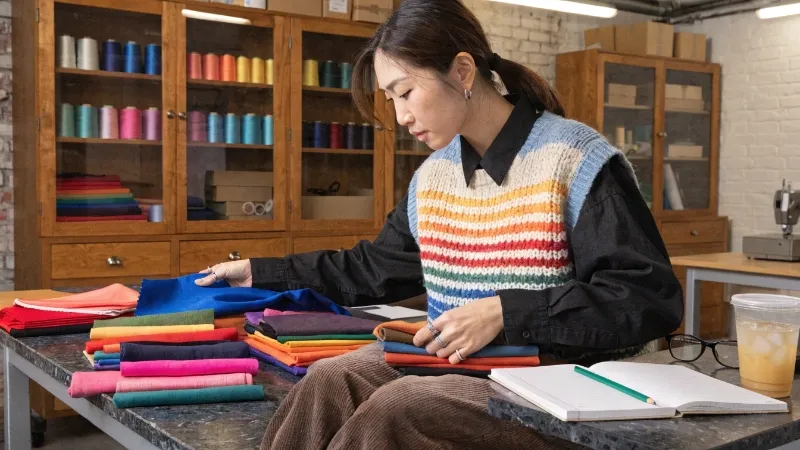
When a client asks me for the best GSM, I usually ask three questions first:
- Are you making a daily summer tee or a structured streetwear piece?
- Do you want the fabric to feel soft and drapey, or crisp and boxy?
- Will the design use DTG, screen printing, embroidery, washing, or a combination of finishes?
Those answers matter more than the GSM number alone.
My Practical GSM Recommendations
| Brand Goal | Recommended GSM | Why It Works |
|---|---|---|
| Summer basic tee | 140–180 GSM | Light, breathable, and cost-friendly. |
| Startup brand first sample | 180–220 GSM | Best balance of quality, comfort, cost, and printability. |
| Everyday retail tee | 180–220 GSM | Versatile and safe for most customers. |
| Premium blank tee | 200–240 GSM | Better hand feel and stronger perceived value. |
| Oversized streetwear tee | 220–260 GSM | Better structure for shoulder line, sleeve shape, and boxy fit. |
| Heavyweight statement tee | 260–300 GSM | Strong visual weight, but needs clear positioning. |
| Super heavyweight tee | 300 GSM+ | Niche product. Must test comfort, shrinkage, and printing before bulk. |
| DTG printed tee | 180–220 GSM | Works well when the fabric is smooth, stable, and cotton-rich. |
| Screen printed streetwear tee | 200–260 GSM | Good structure and strong visual impact for logos and graphics. |
Recommendation for Startup Brands: 180–220 GSM
For a new clothing brand, this is usually the safest zone.
It is substantial enough to feel like a quality T-shirt, but not so heavy that it becomes expensive, too warm, or difficult to sell across different seasons. It also works well with most common decoration methods, including screen printing, DTG, embroidery, and simple branding.
If you are developing your first T-shirt and you are not sure where to begin, start here. Then adjust up or down after you test the sample, print result, washing result, and customer positioning.
Recommendation for Premium Streetwear: 220–260 GSM
If your brand is built around oversized fits, boxy silhouettes, premium blanks, or streetwear basics, this is usually the better zone.
This GSM range gives the garment more body. The shoulder line looks stronger. The sleeves hold shape better. The hem does not collapse as easily. The product also photographs better, which matters a lot for online brands.
But the fabric still needs to be wearable. A good 240 GSM tee can feel premium and comfortable. A poorly made 260 GSM tee can feel heavy and rough. That is why yarn, knit structure, and finishing are still important.
Recommendation for Super Heavyweight T-Shirts: 280–300 GSM+
Choose this range only when you have a clear reason.
It can work well for niche streetwear, luxury basics, fall/winter drops, garment dye, or statement pieces. But it is not the best starting point for every brand. It needs more testing, better fabric control, and a customer base that understands the value of a very heavy T-shirt.
Before producing 300 GSM+ in bulk, test:
- Fit after washing
- Shrinkage
- Side seam twisting
- Collar recovery
- Print result
- Comfort in your target market
- Retail price acceptance
A super heavyweight T-shirt can be powerful when done right. But it should be treated as a product strategy, not just a fabric choice.
FAQs About T-Shirt GSM
What is the best GSM for a T-shirt?
For most brands, 180–220 GSM is the safest starting point. It balances comfort, cost, printability, and perceived quality.
Is 180 GSM good for T-shirts?
Yes. 180 GSM is a good everyday retail weight, especially for startup brands, logo tees, and warm-weather basics.
Is 240 GSM too heavy for a T-shirt?
No, 240 GSM is not too heavy if the brand wants a premium, structured, or streetwear-style T-shirt. However, it may feel too warm for summer basics.
What GSM is best for oversized T-shirts?
For oversized and boxy T-shirts, 220–260 GSM usually works well because it gives the garment better structure and shape.
What GSM is best for DTG printing?
For DTG printing, 180–220 GSM is usually a safe range, but the fabric surface matters more than the number. Smooth, cotton-rich, low-fuzz fabric gives better results.
What GSM is best for screen printing?
For screen printing, 180–260 GSM is usually stable. Heavier streetwear T-shirts can work well, but large prints should be tested for hand feel, cracking, and wash durability.
Does higher GSM mean better quality?
Not always. GSM only measures fabric weight. Quality also depends on yarn count, cotton type, knit density, finishing, shrinkage control, sewing, and print compatibility.
Conclusion: Choose the GSM That Matches Your Brand, Not Just the Heaviest Number
The best T-shirt GSM is not the highest GSM. It is the GSM that matches your brand’s style, your customer’s expectations, your printing method, and your production standard.
If you need a safe starting point, choose 180–220 GSM.
If you want a more premium streetwear feel, choose 220–260 GSM.
If you want a super heavyweight statement piece, test carefully before moving into bulk production.
A good T-shirt should not only feel good in the sample room. It should still look, fit, print, and wash well after your customer receives it.
That is the real standard.
If you are developing custom T-shirts for your brand and are not sure which GSM to choose, our product development team can help you compare fabric options, develop samples, and choose a T-shirt construction that fits your brand before you move into bulk production. We can help you compare fabric options, develop samples, and choose a T-shirt construction that fits your brand before you move into bulk production.
This source supports the claim that 180–220 GSM is a versatile range for T-shirts, balancing comfort, cost, and printability, but does not address specific market data. Scope note: Does not provide specific market data or consumer studies. ↩
This source supports the claim that fabric quality factors like yarn type and knit density can outweigh GSM in determining feel and stability. ↩
This source supports the claim that higher yarn count numbers indicate finer yarns, which affect fabric smoothness and softness, but does not address exceptions or specific yarn types. Supports: Higher yarn count numbers indicate finer yarns, which affect fabric smoothness and softness. ↩
This source supports the claim that DTG printing requires smooth, stable, and cotton-rich fabric surfaces.Supports: DTG printing requires smooth, stable, and cotton-rich fabric surfaces for optimal results. ↩
This source supports the claim that DTG printing depends heavily on fabric smoothness and cotton content. Supports: DTG printing depends heavily on fabric smoothness and cotton content for optimal results. ↩
This source discusses the ongoing popularity of heavyweight T-shirts in premium fashion markets, particularly in streetwear and luxury basics. Scope note: The analysis may focus on specific market segments rather than the entire apparel industry. ↩