
Weighted hoodies are getting more attention, but for clothing brands, the real question is not simply whether the trend is popular. The better question is: is this product actually worth developing, sampling, testing, and producing at scale?
A weighted hoodie can sound like an exciting product idea. It combines comfort, novelty, and a clear point of difference in a crowded hoodie market. But from a manufacturing point of view, it is not just a heavier hoodie. It is a more complex garment that may require internal panels, added filling, reinforced seams, extra testing, and clearer product communication.
A weighted hoodie can be a strong niche product for the right brand, but it is not the best first hoodie for every clothing line. For many brands, a premium heavyweight hoodie may deliver a similar feeling of comfort and substance with lower production risk.
As a clothing manufacturer with over two decades of experience, I have seen many hoodie trends come and go. Oversized hoodies, heavyweight streetwear hoodies, garment-dyed hoodies, cropped hoodies, and premium fleece basics all had their moments. Weighted hoodies are different because they are not only about style or fabric weight. They sit somewhere between apparel, comfort product, and product engineering.
That is where many brands make a mistake. They see the trend, imagine a high retail price, and assume the product is easy to develop. In reality, a true weighted hoodie needs careful decisions around fabric, filling, weight placement, washing, safety language, production cost, and after-sales risk.
Before your brand invests in this category, it is worth understanding what a weighted hoodie really is, how it differs from a heavyweight hoodie, and whether it fits your product strategy.
What Is a Weighted Hoodie?
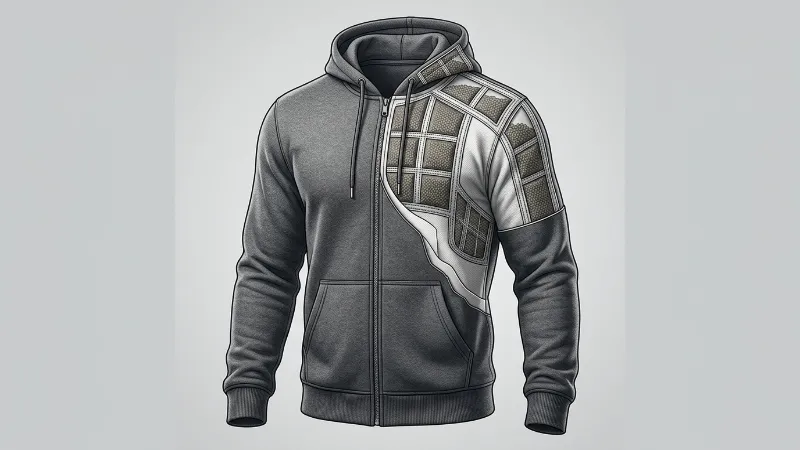
A weighted hoodie is a structural hoodie designed with added weight panels, internal pockets, or filling materials to create a heavier and more grounded wearing experience. Unlike a heavyweight hoodie, which gets its weight from high-GSM fabric, a weighted hoodie uses extra components inside the garment.
The most common misunderstanding I hear from brands is this: they say they want a weighted hoodie, but after a few questions, what they really want is a hoodie that feels thick, premium, and substantial.
Those are two different products.
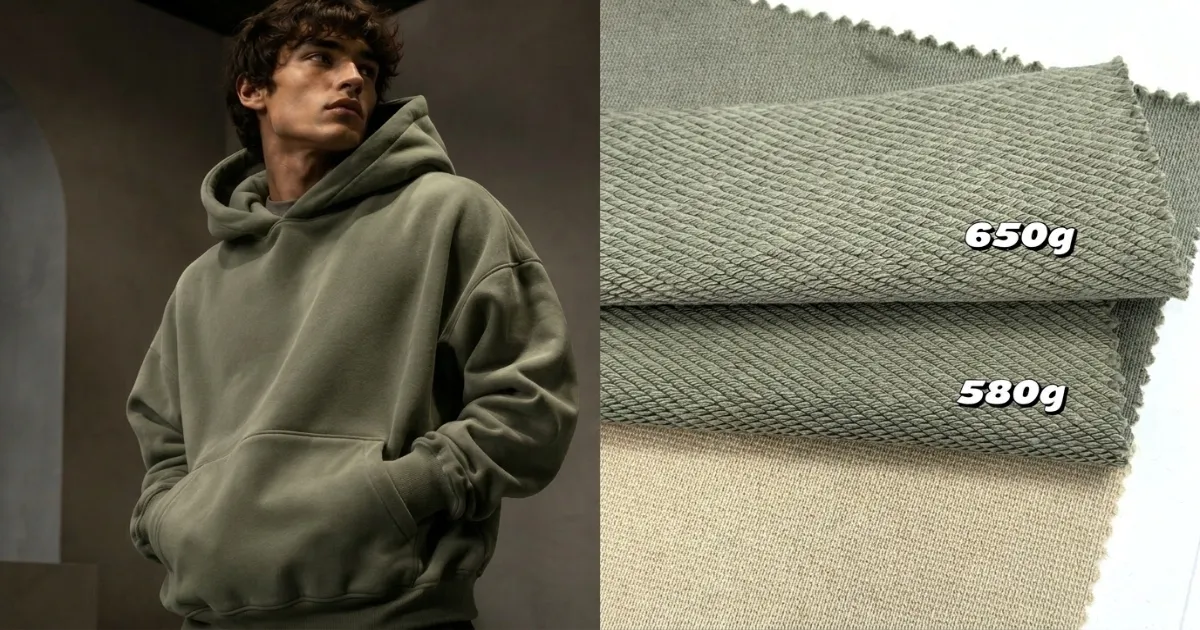
A heavyweight hoodie is usually made from a heavier fabric, such as 400 GSM, 450 GSM, or even 500 GSM fleece or French terry. The weight comes from the fabric itself. The construction can still be similar to a normal hoodie, only with stronger fabric, better rib, and more attention to shape.
A true weighted hoodie is different. It may use micro glass beads, poly pellets, removable weight packs, or other added materials placed inside specific parts of the garment. These materials need to be held in place by internal panels or compartments. That means the hoodie becomes more than a cut-and-sew garment. It becomes a product that needs structure.
When a client asks us about this kind of hoodie, the first question I usually ask is:
Do you want a hoodie that feels heavy, or do you want a real weighted hoodie?
This question matters because the development path changes completely.
If the brand wants a premium heavy feel, we can usually achieve that through GSM, fabric structure, fit, rib quality, hood construction, and finishing. If the brand wants a true weighted hoodie, we need to discuss weight placement, inner panels, filling stability, wash testing, seam strength, and product claims.
A weighted hoodie should not simply feel like a heavy object hanging from the body. The added weight should feel intentional, balanced, and wearable. If the weight pulls the neck, drags down the front body, or shifts after washing, the product may disappoint customers no matter how good the fabric looks.
Why Are Weighted Hoodies Becoming Popular?
Weighted hoodies are becoming popular because comfort wear is moving beyond softness and warmth. Consumers are increasingly drawn to garments that feel more personal, more comforting, and more emotionally connected to daily life.
Hoodies used to be simple. A customer wanted something warm, casual, and easy to wear. A brand could compete through print design, fabric softness, fit, and price.
Today, the hoodie market is more crowded. Many brands already offer oversized hoodies, heavyweight hoodies, premium fleece hoodies, and private label basics. So customers are asking for more than “soft and warm.” They want products that feel different when they put them on.
This is why weighted hoodies have gained attention. They tap into a broader trend around comfort-driven clothing, wellness-inspired lifestyle products, work-from-home apparel, travel comfort, and sensory-friendly design. The appeal is not just the weight itself. It is the idea that a hoodie can feel grounding, secure, and more personal than a normal sweatshirt.
I notice this shift in the way buyers talk about product development. Years ago, many first conversations were about price, MOQ, and delivery time. Those still matter, but more brands now say things like:
We want the hoodie to feel premium.
We want customers to remember the feeling when they wear it.
We want something soft, substantial, and comforting.
That tells me the market has changed. Brands are not only selling garments. They are selling a wearing experience.
However, this trend also creates risk. Some brands hear the word “weighted” and assume it automatically makes the product more valuable. That is not always true. A poorly designed weighted hoodie can feel bulky, awkward, too warm, difficult to wash, or hard to explain to customers.
The opportunity is real, but it needs careful positioning. A weighted hoodie should be presented as a comfort-focused garment, not as a medical product. Brands should avoid making claims about treating anxiety, improving sleep, or solving health conditions unless they have proper evidence, testing, and regulatory support.
For most clothing brands, the safer commercial question is not “Can we make a weighted hoodie?” The better question is:
Can we create a hoodie that delivers a stronger comfort experience while still being practical to produce, wash, ship, and sell?
Weighted Hoodie vs Heavyweight Hoodie: What’s the Difference?
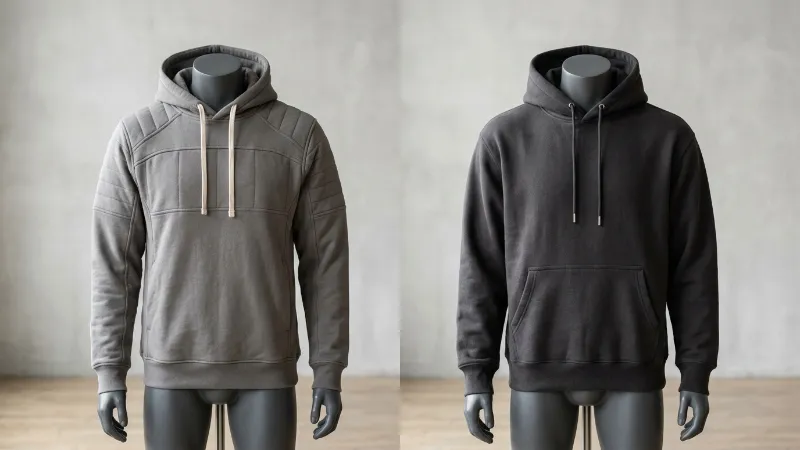
The core difference is simple: a weighted hoodie uses added internal weight, while a heavyweight hoodie uses heavy fabric. One is a structural product; the other is a fabric-based product. Confusing the two can lead to wrong fabric choices, wrong costing, and wrong customer expectations.
Many brands use “weighted hoodie” and “heavyweight hoodie” as if they mean the same thing. In production, they are very different.
A heavyweight hoodie is usually the better-known product in streetwear and premium basics. It may use 400–500 GSM fleece or French terry, a boxy or oversized fit, a double-layer hood, thick rib, and strong stitching. The result is a hoodie that feels substantial and premium without requiring extra internal weight.
A weighted hoodie is more complex. It may include filling materials or removable weight panels. These components need to be placed carefully so they do not shift, leak, bunch up, or pull the garment out of shape.
Here is a simple comparison:
| Feature | Weighted Hoodie | Heavyweight Hoodie |
|---|---|---|
| Source of Weight | Added weight panels, beads, pellets, or inserts | High-GSM fabric such as 400–500 GSM fleece or French terry |
| Main Purpose | Creates a more grounded and comfort-focused wearing feel | Creates warmth, structure, durability, and premium hand feel |
| Construction | More complex, with internal pockets or panels | More straightforward cut-and-sew hoodie construction |
| Development Risk | Higher because of filling, washing, and weight placement | Lower if fabric, fit, and shrinkage are controlled |
| Best For | Niche comfort, wellness-inspired, or sensory-friendly brands | Streetwear, premium basics, loungewear, and everyday fashion brands |
| Washing Risk | Higher, especially with fixed weight components | Easier to manage with normal garment testing |
| Cost Level | Higher due to extra material and labor | Usually more predictable |
Many brands that ask for a weighted hoodie actually need a heavyweight hoodie. They want the customer to feel wrapped, protected, and impressed by the garment quality. That does not always require internal weight.
A well-made 450 GSM oversized hoodie with a soft brushed interior, a structured hood, heavyweight rib, and clean stitching can already create a strong comfort experience. It may not be a true weighted hoodie, but it can be easier to produce, easier to wash, easier to explain, and easier to scale.
That distinction is important because it affects your business decision. If your brand needs a niche product with a clear comfort story, a weighted hoodie may be worth exploring. If your brand needs a premium hoodie that feels heavy and high quality, a heavyweight hoodie may be the smarter first step.
Are Weighted Hoodies Worth Developing for Clothing Brands?
Weighted hoodies are worth developing only when your brand has a clear niche, a strong comfort-focused product story, and enough budget for sampling, testing, and customer education. For many startups and general streetwear brands, a heavyweight hoodie is usually a safer first product.
The answer depends on your brand position.
A weighted hoodie can work well for brands that already focus on comfort, wellness-inspired lifestyle, premium loungewear, sensory-friendly apparel, or high-value niche products. These brands usually have customers who understand why the product costs more and why it is different from a normal hoodie.
But if your brand is still testing its first collection, working with a small budget, or mainly selling visual streetwear designs, a true weighted hoodie may be too complex as a starting product.
The reason is simple: weighted hoodies require more development before you can sell them confidently.
You need to think about:
- How much weight should be added?
- Where should the weight be placed?
- Will the fabric support the added load?
- Can the garment be washed safely?
- Will the filling move after repeated use?
- Will customers understand the product?
- Can your retail price cover the development cost?
- Are you prepared for more detailed product instructions?
A standard hoodie can often be developed around fabric, fit, artwork, color, trims, and packaging. A weighted hoodie adds another layer of decision-making. It is not only about appearance. It is also about how the garment behaves on the body.
Brands That May Benefit from Developing Weighted Hoodies
- Comfort-focused lifestyle brands that already sell products around relaxation and daily comfort.
- Premium loungewear brands that can support a higher retail price.
- Sensory-friendly clothing brands that understand their audience and product responsibilities.
- Established brands with enough budget for sampling, testing, and after-sales support.
- Niche brands that want a strong product story beyond basic fashion.
Brands That Should Consider Heavyweight Hoodies First
- Startup brands with limited budget because weighted hoodie development can require more sampling rounds.
- General streetwear brands whose customers mainly care about fit, fabric weight, and design.
- Brands without a clear target audience because weighted hoodies need a specific reason to exist.
- Brands selling in warm climates where added weight may reduce daily wearability.
- Brands not ready for detailed care instructions because weighted products may create more customer questions.
The most common mistake is assuming that “more complex” means “more premium.” That is not always true. A product is premium when it solves the right problem for the right customer with the right execution.
If your customer only wants a thick, soft, oversized hoodie, do not force a weighted construction. Start with heavyweight fleece, improve the silhouette, use better rib, refine the hood shape, and control shrinkage. That may give your customer exactly what they want with fewer production issues.
Key Manufacturing Challenges Behind Weighted Hoodies
The hardest part of making a weighted hoodie is not adding weight. The real challenge is keeping that weight stable, comfortable, washable, and suitable for bulk production. If the weight shifts, pulls, leaks, or distorts the garment, the product can fail quickly.
A factory does not look at weighted hoodies the same way a customer does.
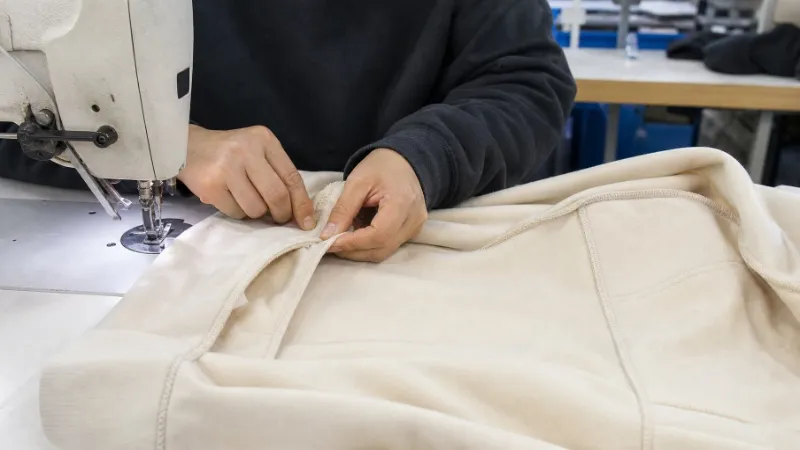
A customer may see a cozy hoodie with extra comfort. A manufacturer sees pressure points, seam stress, internal compartments, filling movement, fabric support, shrinkage, washing behavior, and packing weight.
One client once came to us with a premium weighted hoodie concept. The first design idea included extra weight in the hood, chest area, and kangaroo pocket. On paper, it sounded unique. In real production, those areas were risky.
A heavy hood can pull backward on the neck. A heavy front pocket can drag down the front body and distort the shape. Too much weight across the chest can feel restrictive for some wearers. The idea looked strong from a marketing angle, but the wearing experience would likely be poor.
We suggested reducing the weight in the hood and pocket and focusing the structure around the upper back and controlled shoulder areas. These zones are more stable and less likely to disturb movement.
Here are the main manufacturing challenges brands need to understand:
1. Weight Distribution
The weight must be spread carefully. If it is concentrated in one area, the garment may pull, twist, or feel uncomfortable. Good weight distribution should feel balanced, not random.
2. Inner Panel Stability
The internal compartments need to hold the filling in place. If the panels are too large, the filling may move and collect in one corner. If the stitching is weak, the filling may leak or shift after washing.
3. Seam Reinforcement
A normal hoodie seam is not designed to carry extra internal weight. Shoulder seams, neck seams, armholes, and panel edges may need stronger stitching or reinforcement.
4. Fabric Support
A lightweight or overly soft fabric may sag under added weight. The base fabric must have enough body and recovery to support the structure without looking stretched or tired.
5. Neck and Shoulder Comfort
The shoulder and neck area is critical. Even a small design mistake can make the hoodie feel heavy in the wrong way. A weighted hoodie should not create a pulling sensation around the neck.
6. Washing Durability
Washing is one of the biggest risks. Fixed filling can be difficult to clean and dry. Removable panels can improve care convenience but increase cost and construction complexity. Because weighted hoodies may require special cleaning instructions, brands should review basic care labeling requirements1 before finalizing the product.
In hoodie production, small problems become bigger after bulk production. One sample may look acceptable, but after repeated wearing and washing, the filling may move, seams may stretch, or the shape may change. That is why weighted hoodie development usually needs more testing than a normal hoodie.
Fabric, Filling, and Weight Distribution: How to Design It Properly?
A good weighted hoodie starts with a supportive base fabric, carefully selected filling, and controlled weight placement. In most cases, the safest zones for added weight are the upper back and shoulder area, while the hood, pocket, sleeves, and chest should be treated with caution.
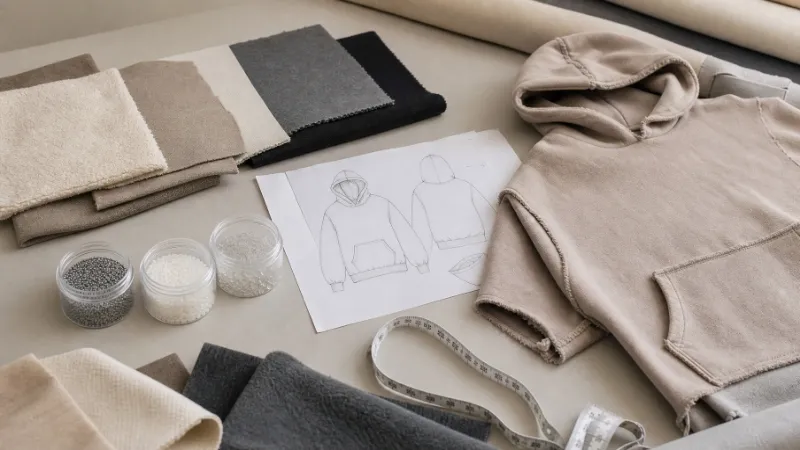
If your goal is a heavier, more premium feel rather than a true weighted structure, it may be better to compare fleece, French terry, cotton-poly blends, and GSM ranges in our guide to the best hoodie material.
In production, a weighted hoodie usually succeeds or fails in three places: fabric support, filling choice, and weight placement.
If one of these is wrong, the whole product suffers. A good filling cannot save a weak fabric. A strong fabric cannot fix poor weight placement. A smart design still needs wash testing before bulk production.
1. Fabric Selection
The base fabric acts like the body of the garment. It must support the added structure without sagging.
For a true weighted hoodie, I would usually avoid very light fabrics such as 260–300 GSM. These fabrics may work for regular lightweight hoodies, but they are usually not ideal for carrying extra internal weight.
A better starting point is often around 350–450 GSM, depending on the design, fit, and amount of added weight. This range can provide more support while still keeping the hoodie wearable.
If the brand does not need true internal weight and only wants a premium heavy feel, then 400–500 GSM fleece or French terry may be a better choice. When choosing cotton-poly fleece, French terry, or other blended fabrics, brands should also keep fiber content labeling2 in mind for the target market. This approach is especially useful for streetwear brands, premium basics brands, and startup brands that want a strong first hoodie without the complexity of weighted panels.
2. Filling Choice
Filling choice should not be based on cost alone. Brands need to consider feel, noise, density, washability, leakage risk, and import requirements. Brands should also consider import and textile labeling requirements3, especially when selling into the U.S. market.
| Filling Type | Advantages | Possible Issues | Better Use Case |
|---|---|---|---|
| Micro Glass Beads | Smooth hand feel, dense, less bulky | Higher cost, requires secure stitching | Premium weighted designs |
| Poly Pellets | Lower cost, easier to source | Can feel bulkier or noisier | Lower-weight concepts or removable inserts |
| Metal Beads | Dense and compact | May feel rigid, requires careful material review | Specialized applications, not common for normal hoodies |
| Removable Weight Packs | Easier care and washing | More complex construction and higher cost | Premium products where washability matters |
For most apparel brands, removable weight panels are easier to explain to customers, but they add cost and development complexity. Fixed filling may look cleaner, but it creates more washing and durability concerns.
3. Weight Distribution
Where you place the weight matters more than simply adding more weight.
| Area | Recommendation | Reason |
|---|---|---|
| Upper Back | Recommended | More stable and easier to distribute |
| Shoulders | Suitable when controlled | Can create a grounded feel without too much movement restriction |
| Chest | Use carefully | Too much weight may feel restrictive |
| Hood | Usually avoid heavy weight | Can pull on the neck |
| Sleeves | Not recommended | Affects arm movement and drape |
| Kangaroo Pocket | Light weight only | Heavy weight can drag the front body down |
A good weighted hoodie should not feel like a load hanging from the body. It should feel balanced and intentional. If the garment feels heavy only in one area, the design needs to be adjusted.
Simple Development Checklist
| Step | What to Decide |
|---|---|
| Product Goal | True weighted hoodie or heavyweight comfort hoodie |
| Target Customer | Wellness-inspired, loungewear, streetwear, sensory-friendly, travel comfort |
| Base Fabric | 350–450 GSM for structure, 400–500 GSM for heavyweight feel |
| Weight Zone | Upper back and shoulders first |
| Filling Type | Glass beads, poly pellets, removable packs, or other options |
| Sample Testing | Fit, weight feel, wash behavior, seam strength |
| Product Claims | Comfort-focused wording, no unsupported medical promises |
Cost, MOQ, and Production Risk Compared with Regular Hoodies
A weighted hoodie usually costs more than a regular hoodie because it requires extra materials, more complex sewing, more sampling, more testing, and higher shipping weight. The cost increase is not only about the filling. It is about the whole development process.
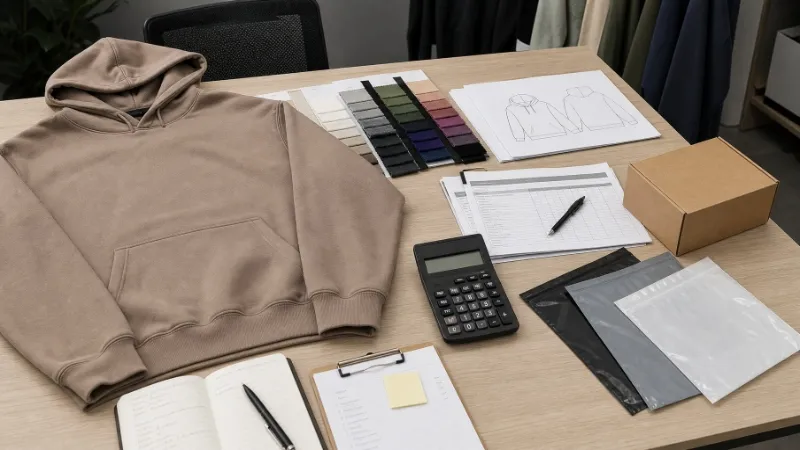
If you are still estimating retail price, fabric cost, and production budget, our guide on what is a good price for a hoodie can help you understand how hoodie cost changes by fabric weight, construction, and order quantity.
Brands are often surprised when they receive a quote for weighted hoodies.
They may think:
It is just a hoodie with some added beads. Why is it so much more expensive?
The answer is clear: The added filling is only one part of the cost. The real cost comes from structure.
A weighted hoodie may require extra fabric layers, internal panels, compartment stitching, reinforced seams, special handling during sewing, additional quality checks, and more careful packing. The sample process can also be longer because the first version may not get the weight placement right.
A regular hoodie may need one or two sample rounds to adjust fit, fabric, trims, and artwork. A weighted hoodie may need several rounds because the brand must test not only how it looks, but how it feels after wearing and washing.
Here is a practical comparison:
| Aspect | Heavyweight Hoodie | Weighted Hoodie |
|---|---|---|
| Development | Based on fabric, fit, and standard hoodie construction | Requires structural planning and internal weight design |
| Sampling | Usually 1–2 rounds | Often 3–5 rounds depending on complexity |
| Material Cost | Mainly driven by GSM and fabric quality | Fabric, filling, inner panels, reinforcement materials |
| Labor Cost | Standard hoodie sewing process | More sewing steps and more careful handling |
| MOQ | More flexible if fabric is available | May be higher due to filling and special materials |
| Production Time | More predictable | Longer because of complex assembly |
| Washing Test | Important but standard | More critical because filling may shift or affect shape |
| Shipping Cost | Higher than lightweight hoodies | Higher due to added garment weight |
| After-Sales Risk | Usually shrinkage, color, or fit issues | Filling movement, leakage, washing damage, discomfort |
The MOQ also depends on the design. If the brand uses a common heavyweight fleece, MOQ can be more flexible. If the brand needs custom filling, removable packs, special internal fabric, or unique panel construction, the MOQ may increase.
That is why I usually advise new brands not to start with the most complicated version. A simpler product that can be produced consistently is often more profitable than a highly complex product that creates too many problems after launch.
For a first collection, production stability matters. You want customers to receive the hoodie, wear it, wash it, and still feel confident about the product. If the weighted structure creates too many unknowns, the brand may spend more time solving problems than building sales.
Who Should Develop a Weighted Hoodie — and Who Should Start with a Heavyweight Hoodie Instead?
Most new brands should start with a premium heavyweight hoodie before developing a true weighted hoodie. A heavyweight hoodie is easier to sample, easier to wash, easier to scale, and often delivers much of the comfort feeling customers want with lower production risk.
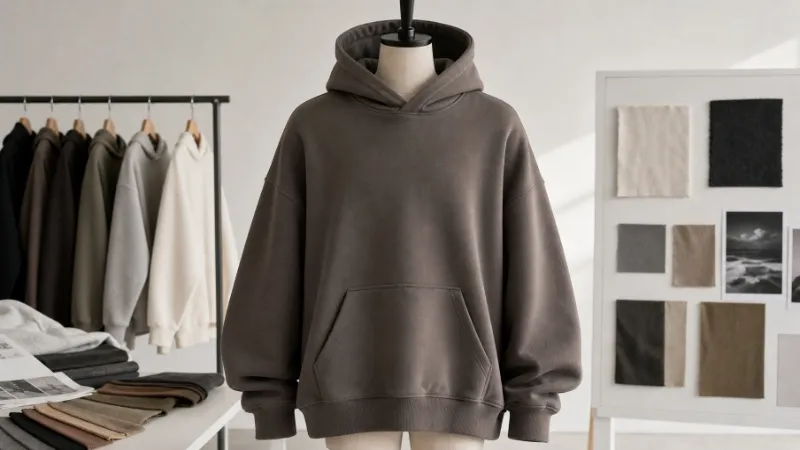
A good example comes from a startup project we handled for a comfort-focused menswear brand.
The founder, Steven, came to us with the idea of launching a “calming hoodie” for remote workers, frequent travelers, and customers who wanted something more comforting than a normal sweatshirt. His first idea was a true weighted hoodie with internal weight panels.
The concept was interesting, but after reviewing his target retail price, first-order quantity, washing expectations, and launch budget, we saw a problem. A true weighted construction would require more sampling, more testing, more complex sewing, and higher unit cost. For a new brand, that meant too much risk before the product had proven demand.
So we took a different route.
Instead of building the comfort feeling through internal weight, we built it through fabric, fit, and construction details. We developed an oversized hoodie using a 450 GSM cotton-poly fleece with a soft brushed interior. We used a double-layer hood for a more substantial feel, heavier rib at the cuffs and hem for better hold, and a thicker drawcord to improve the premium look.
The final sample still gave the feeling Steven wanted: soft, substantial, secure, and premium. But it was much easier to produce, easier to wash, easier to control in bulk, and easier for customers to understand.
That project taught an important lesson:
Sometimes the best way to create a “comfort hoodie” is not to make it truly weighted. It is to build the right feeling through fabric weight, silhouette, hood structure, rib quality, and finishing.
Here is how I would guide different types of brands:
| Brand Type | Recommended Direction |
|---|---|
| Startup Streetwear Brand | Start with a 400–450 GSM heavyweight hoodie |
| Premium Basics Brand | Develop heavyweight hoodies first, then test weighted versions later |
| Wellness-Inspired Brand | Consider a small weighted hoodie capsule after proper testing |
| Sensory-Friendly Brand | Can explore weighted design, but needs careful product review and clear communication |
| Activewear Brand | Be cautious because added weight may reduce movement comfort |
| Children’s Brand | Avoid weighted products unless reviewed carefully for safety and compliance |
| Luxury Loungewear Brand | Consider removable weight panels for a more premium concept |
Safety and Product Claim Note for Brands
Weighted hoodies should be positioned carefully. They may appeal to customers looking for comfort, a grounded feel, or a more substantial wearing experience. However, brands should avoid saying that weighted hoodies treat anxiety, improve sleep, reduce medical symptoms, or provide therapeutic benefits unless they have proper evidence, testing, and regulatory review. Brands should also review general guidance around health product claims4 before using words like “therapeutic,” “treat,” or “improve sleep.”
Product pages should clearly explain:
- product weight
- where the weight is placed
- washing instructions
- suitable use scenarios
- whether weight panels are removable
- any age or usage cautions
For adult fashion and comfort products, clear wording helps reduce misunderstanding. For children’s products, sleep products, or products aimed at special medical needs, brands should be much more cautious and seek professional compliance advice before development. For children’s products, infant sleep products, or special-use products, brands should be especially cautious and review relevant weighted infant products safety warning5 before development.
Conclusion
Weighted hoodies can be an interesting opportunity, but they are not the right product for every clothing brand.
If your brand already serves a clear comfort-focused, wellness-inspired, or sensory-friendly audience, a weighted hoodie may be worth exploring. But it should be treated as a product development project, not just a heavier version of a normal hoodie.
For many startups, streetwear labels, and premium basics brands, a heavyweight hoodie is often the smarter first step. With the right GSM, brushed fleece, oversized fit, double-layer hood, rib quality, and finishing, you can create a hoodie that feels substantial, premium, and comforting without the added risks of internal weight panels.
Before developing a weighted hoodie, ask one practical question:
Do we truly need added weight, or do we need a better heavyweight hoodie?
If you are not sure, start by comparing both paths before spending money on sampling. A good manufacturer can help you evaluate the fabric, fit, structure, cost, MOQ, washing risk, and production feasibility before your brand commits to bulk production.
At Easson Apparel, we help clothing brands develop custom hoodies from fabric sourcing and sample development to private label production and bulk manufacturing. Whether you want to test a true weighted hoodie or create a premium heavyweight hoodie with a strong comfort feel, the best first step is to review your target customer, product positioning, and budget before choosing the construction.
"Clothes Captioning: Complying with the Care Labeling Rule - Federal Trade Commission", https://www.ftc.gov/business-guidance/resources/clothes-captioning-complying-care-labeling-rule. The FTC explains that manufacturers and importers of textile wearing apparel must attach care instructions to garments and have a reasonable basis for those instructions. Evidence role: compliance_support; source type: government. Supports: The article’s point that weighted hoodies need clear washing instructions, especially when they include fixed filling, removable panels, beads, or other special components. ↩
"Textile Fiber Rule - Federal Trade Commission", https://www.ftc.gov/legal-library/browse/rules/textile-fiber-rule. The Textile Fiber Rule requires certain textile products sold in the United States to disclose generic fiber names, percentages by weight of constituent fibers, the manufacturer or marketer name, and the country where the product was processed or manufactured. Evidence role: compliance_support; source type: government. Supports: The article’s point that brands using cotton-poly fleece, French terry, blended fabrics, or other textile materials should keep fiber content labeling in mind. ↩
"Threading Your Way Through the Labeling Requirements Under the Textile and Wool Acts - Federal Trade Commission", https://www.ftc.gov/business-guidance/resources/threading-your-way-through-labeling-requirements-under-textile-wool-acts. The FTC guide explains that most textile and wool products require labels showing fiber content, country of origin, and the identity of the manufacturer or responsible business. Evidence role: compliance_support; source type: government. Supports: The article’s recommendation that brands consider textile labeling requirements when choosing fabrics, fillings, and selling into markets such as the United States. ↩
"Health Products Compliance Guidance - Federal Trade Commission", https://www.ftc.gov/business-guidance/resources/health-products-compliance-guidance. The FTC guidance explains that health-related product claims should be truthful, not misleading, and supported by appropriate scientific evidence. Evidence role: compliance_support; source type: government. Supports: The article’s warning that brands should avoid claims such as treating anxiety, improving sleep, reducing symptoms, or providing therapeutic benefits unless they have proper evidence and regulatory review. ↩
"Safe Sleep – Cribs and Infant Products - U.S. Consumer Product Safety Commission", https://www.cpsc.gov/SafeSleep. The CPSC safe sleep resource provides safety guidance for infant sleep environments and cautions against unsafe infant sleep products. Evidence role: safety_context; source type: government. Supports: The article’s advice that brands should be cautious with children’s products, sleep-related products, and special-use weighted products before development. ↩