Choosing a clothing manufacturer is not just a sourcing task. For many fashion brands, it decides whether a collection launches smoothly, arrives late, loses margin, or fails before it reaches customers.
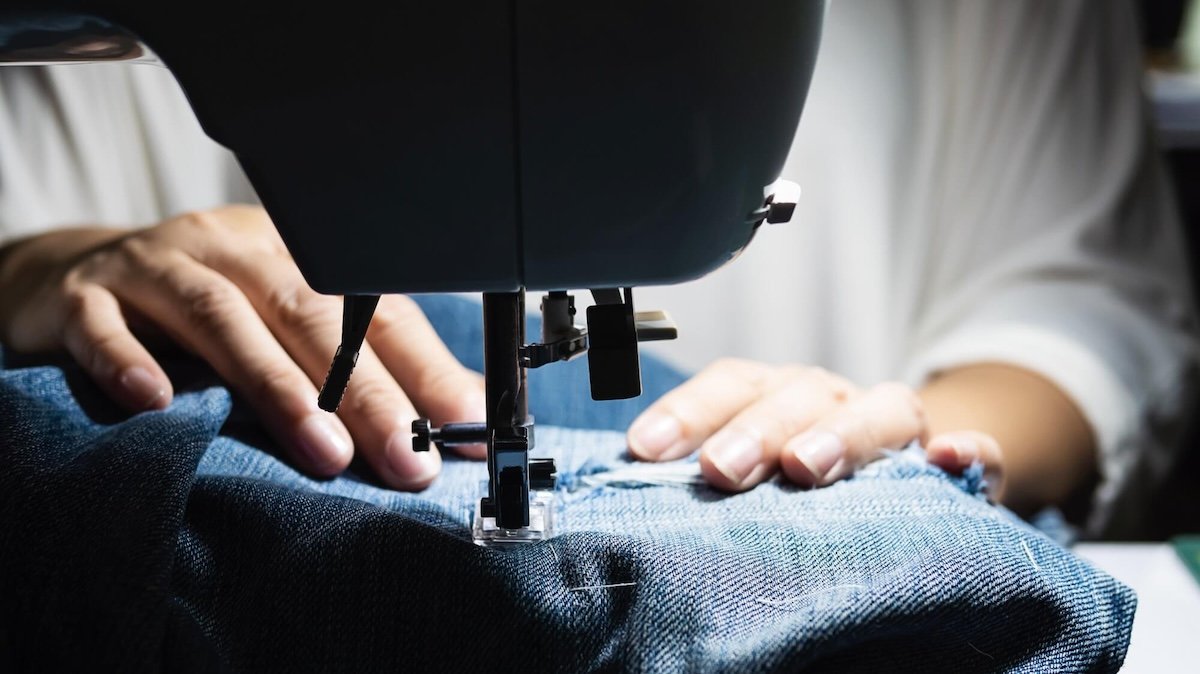
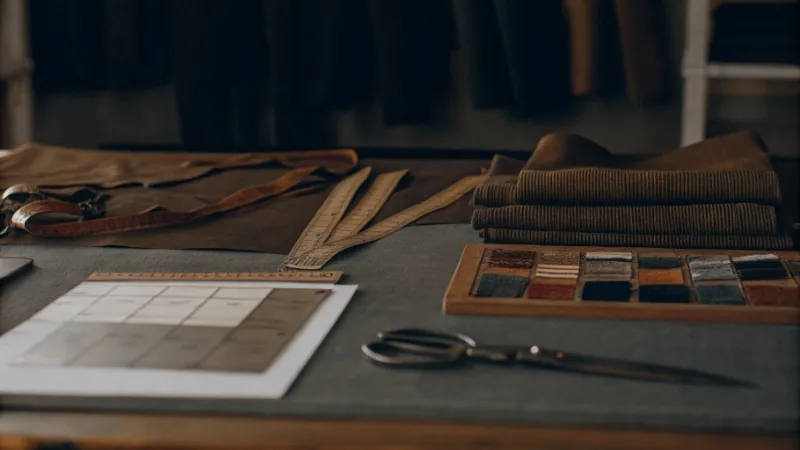
A design may look simple on paper, but garment production involves fabric selection, pattern development, fit adjustment, shrinkage control, printing, embroidery, labeling, packaging, and quality inspection. This is why early-stage product development is so important before bulk production.
Many brands run into problems not because their concept is weak, but because they start production without enough preparation. Common issues include unclear product requirements, unrealistic target prices, poor sampling control, weak communication, or choosing a supplier only because the quote looks cheaper.
A reliable clothing manufacturer should help you turn a design idea into a product that can be sampled, tested, produced, and repeated with consistency.
Key Takeaways
- Define your product type, quantity, budget, quality level, and target market before contacting manufacturers.
- Use online directories, trade shows, referrals, social platforms, Google search, and factory websites to build a supplier shortlist.
- Evaluate manufacturers by product specialization, communication, sampling ability, quality control, MOQ flexibility, compliance, and production capacity.
- Always request samples before bulk production, especially for custom garments.
- Be careful with vague pricing, unrealistic promises, poor communication, and suppliers who say “yes” before understanding your product.
- A good manufacturer is not only a supplier. It can become a long-term production partner as your brand grows.
Define Your Brand’s Needs Before Searching for a Manufacturer
Before you search for a reliable clothing manufacturer, clarify what you want to make, how many pieces you need, what quality level you expect, and which market you plan to sell to. Clear product information helps a factory give better advice, more accurate pricing, and a more realistic production plan.
Many new fashion brands begin with a broad question: “Can you manufacture clothing for my brand?”
That is a normal starting point, but it is not enough for a factory to quote accurately. A manufacturer needs to understand your garment category, fabric direction, fit, quantity, size range, decoration method, label requirements, packaging needs, and delivery expectations.
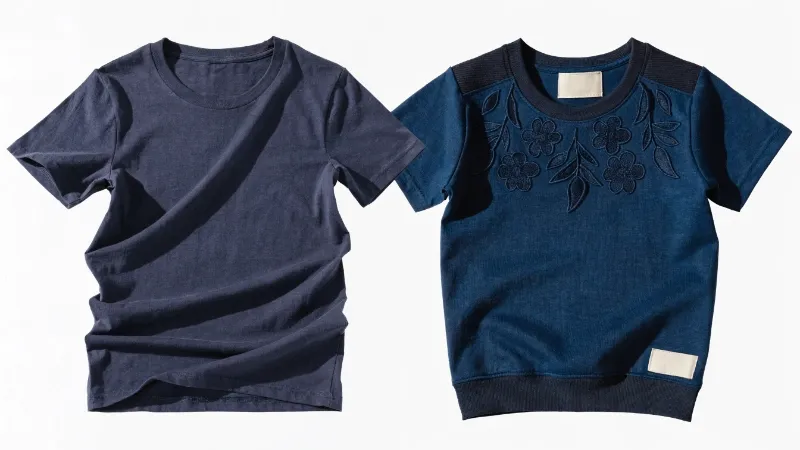
From a factory’s perspective, two garments that look similar in photos can have very different production costs. A basic cotton T-shirt, a heavyweight oversized hoodie, a cut-and-sew tracksuit, and a structured jacket all require different fabrics, machines, workers, sampling time, and quality checks.
Product Type and Garment Category
Start by deciding what product category you want to make.
Common product categories include:
- T-shirts
- Polo shirts
- Hoodies
- Sweatshirts
- Joggers
- Tracksuits
- Tank tops
- Dresses
- Jackets
- Kidswear
- Activewear
- Loungewear
If you are still clarifying your product direction, it may help to review the main types of clothing before contacting manufacturers.
Different factories are strong in different product types. A knitwear factory may be more suitable for T-shirts, hoodies, sweatshirts, joggers, and casualwear. A woven factory may be better for shirts, trousers, jackets, or structured garments.
This matters because specialization affects sampling speed, fabric understanding, sewing quality, and cost control1. A specialized hoodie manufacturer will usually understand fleece, French terry, rib quality, hood shape, drawcords, shrinkage, embroidery placement, and fit adjustments better than a general supplier that claims to make every category.
Manufacturer’s Insight: If your main products are T-shirts, hoodies, sweatshirts, joggers, polos, or other knit garments, it is usually better to work with a manufacturer that has strong knitwear experience instead of a supplier that accepts every product category without a clear specialty.
Quantity and MOQ
Minimum order quantity, often called MOQ, is one of the first questions brands ask. However, MOQ is not only a fixed number set by the factory. It is affected by fabric availability, dyeing requirements, color quantity, size range, decoration method, trims, and production setup. For a more detailed cost breakdown, you can also review our guide to T-shirt manufacturing cost.
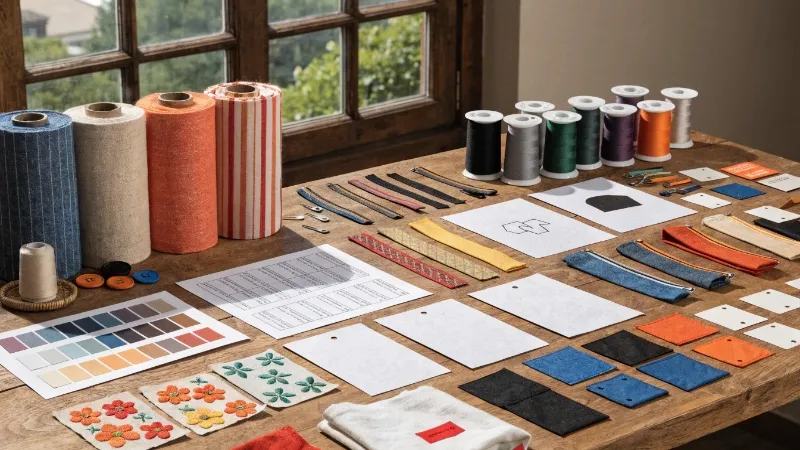
For example, a simple T-shirt using available fabric may be easier to produce in a smaller quantity. A custom-dyed heavyweight hoodie with embroidery, private labels, special packaging, and multiple colorways may require a higher MOQ because more materials and production steps are involved.
| Factor | How It Affects MOQ |
|---|---|
| Fabric availability | Stock fabric usually allows lower MOQ than custom-dyed fabric. |
| Color quantity | More colors can increase fabric minimums and production complexity. |
| Size range | More sizes require more grading, cutting, sorting, and inventory planning. |
| Decoration method | Embroidery, puff print, DTG, screen printing, and appliqué have different setup costs. |
| Garment complexity | More panels, trims, linings, or special construction can raise MOQ. |
| Production setup | Factories need enough quantity to arrange workers, machines, and production lines efficiently. |
If you are a startup brand, be honest about your target quantity from the beginning. A reliable manufacturer can tell you whether your quantity is realistic for the product you want to make.
Quality Standard and Target Market
Your quality standard should match your target customer.
A budget streetwear brand, a premium activewear label, a luxury basics brand, and a children’s clothing brand may all need different fabrics, workmanship, finishing, testing, and packaging.
Before contacting manufacturers, try to define:
- Target retail price
- Selling country or region
- Fabric composition
- Fabric weight or fabric GSM
- Fit direction, such as oversized, slim fit, relaxed, boxy, or athletic
- Stitching quality
- Print or embroidery method
- Label and packaging requirements
- Safety or compliance needs, especially for kidswear
For example, if you want to make a premium hoodie, you may need to confirm fabric weight, hand feel, shrinkage, rib quality, hood structure, drawcord quality, print durability, and wash performance.
Budget and Cost Expectations
Budget is not only about finding the lowest price. It is about matching your product idea with a realistic production cost2.
A lower price may mean:
- Lighter fabric
- Simpler construction
- Cheaper trims
- Fewer inspections
- Less stable color matching
- Basic packaging
- Less flexibility during sampling
A higher price may reflect:
- Better fabric
- More stable production
- More careful sewing
- Better finishing
- Stronger quality control
- Smaller batch flexibility
- More customization support
Manufacturer’s Insight: When a factory gives a quote, the price is not only for sewing. It usually includes fabric, trims, cutting, sewing, printing or embroidery, finishing, quality inspection, packaging, production loss, labor, and factory management costs. This is why two suppliers can quote very different prices for what looks like the same garment.
Where to Find Reliable Clothing Manufacturers
You can find clothing manufacturers through online directories, trade shows, referrals, social platforms, Google search, and direct factory websites. Each channel has advantages and risks, so the goal is not to choose the first supplier you find, but to build a shortlist and verify each option carefully.
There is no single best place to find a manufacturer. If you are specifically comparing overseas suppliers, you can start with this list of Chinese clothing manufacturers for startups. The right sourcing channel depends on your product type, order quantity, budget, timeline, and experience level.
Online Directories
Online directories are often the first place new brands search for suppliers. They give you access to many manufacturers, trading companies, wholesalers, and sourcing agents.
Popular platforms include:
| Platform | Strengths | Best For |
|---|---|---|
| Alibaba | Large supplier pool, many OEM and private label options | Brands comparing many overseas suppliers |
| Global Sources | More supplier-focused and trade-oriented | Brands looking for export manufacturers |
| Made-in-China | Wide range of Chinese suppliers | Brands sourcing from China |
| Faire | Curated wholesale marketplace | Boutique and retail buyers |
| FashionGo | US-focused fashion wholesale platform | Fashion boutiques and wholesale buyers |
| Social platforms | Direct view of supplier products and communication style | Brands checking videos, updates, and real work |
Online directories are convenient, but you should be careful. Not every supplier is a direct factory. Some are trading companies, sourcing agents, or wholesalers. This is not always bad, but you need to know who is actually managing production.
When using online directories, check:
- Company profile
- Years in business
- Product specialization
- Factory photos or videos
- Certifications
- Customer reviews
- Response quality
- Sample policy
- MOQ
- Whether they understand your product details
Tip: Do not judge a supplier only by product photos. Many suppliers use similar catalog images. Ask detailed production questions to see whether they really understand garment manufacturing.
Trade Shows and Exhibitions
Trade shows allow you to meet suppliers face-to-face, check samples, compare materials, and build trust faster3.
They are useful because you can:
- Touch fabric and finished garments in person
- Ask detailed production questions
- Meet supplier representatives directly
- Compare multiple suppliers in one place
- Learn about market trends
- Build relationships faster than email alone
However, trade shows also have limits. They can be expensive, require travel, and may only happen at certain times of the year. Some exhibitors may still be trading companies rather than direct factories.
Trade shows are especially helpful if you are serious about long-term sourcing and want to evaluate suppliers beyond online profiles.
Referrals and Recommendations
Referrals can be valuable because they come from people who have already worked with a supplier4.
You can ask:
- Other brand owners
- Designers
- Sourcing consultants
- Fabric suppliers
- Print or embroidery suppliers
- Industry contacts
- Business communities
A referral can reduce risk, but it should not replace your own evaluation. A manufacturer that works well for one brand may not be right for your product type, quantity, budget, or communication style.
Google Search and Factory Websites
Google search can help you find manufacturers with a stronger international presence. A factory that invests in a clear website, product pages, case studies, and educational content may be more prepared to work with overseas brands.
When reviewing a factory website, check:
- Does the website clearly explain what products they make?
- Do they show real services such as fabric sourcing, sampling, production, printing, embroidery, labels, and packaging?
- Do they explain MOQ, lead time, and production process?
- Do they show factory photos or production details?
- Do they provide helpful educational content?
- Do they understand startup brands and overseas buyers?
- Is their communication professional?
A strong website does not automatically mean the factory is perfect, but it can show whether the supplier understands international customers and has a structured service process.
Direct Factory, Trading Company, Wholesaler, or Sourcing Agent?
Not every supplier works the same way. Before choosing one, understand the difference.
| Supplier Type | Best For | Possible Risk |
|---|---|---|
| Direct factory | Custom production, repeat orders, long-term cooperation | May require clearer product details and MOQ planning |
| Trading company | Broad sourcing across many categories | Less direct control over production |
| Wholesaler | Ready-made products and fast buying | Limited customization |
| Sourcing agent | Brands needing supplier management support | Extra service cost and less direct factory relationship |
If your brand needs custom garments, private labels, fabric sourcing, sampling, and repeat production, a direct manufacturer or a factory-led production partner is usually more suitable.
How to Evaluate a Reliable Clothing Manufacturer
A reliable clothing manufacturer should be evaluated by product specialization, communication quality, sampling ability, quality control, production capacity, MOQ flexibility, compliance, and transparency. Price matters, but it should not be the only factor in your decision.
Many brands compare manufacturers only by unit price. That can be risky. A lower quote may look attractive at first, but it can lead to poor fabric quality, weak sewing, wrong sizing, delayed delivery, or products that do not match the approved sample.
A better approach is to evaluate the full production capability.
Experience and Track Record
Experience matters because garment manufacturing involves many details that are easy to miss. A manufacturer with relevant experience is more likely to understand fabric behavior, shrinkage, color differences, fit problems, sampling revisions, production planning, and quality risks.
Ask questions such as:
- How long have you been manufacturing clothing?
- What product categories do you specialize in?
- Have you worked with overseas brands before?
- Do you support startups or only large-volume brands?
- Can you handle custom fabric, fit, labels, and packaging?
- What types of products do you produce most often?
A manufacturer does not need to be the largest factory. It should be the right fit for your product, quantity, quality level, and communication needs.
Manufacturer’s Insight: The best manufacturer is not always the biggest one. For many growing brands, the better choice is a factory that understands the product, explains risks early, and can control quality at your order size.
Product Specialization
Product specialization is often more important than new brands expect.
If you are making heavyweight hoodies, choose a manufacturer that understands fleece, French terry, rib, hood construction, shrinkage, and decoration methods. If you are making performance activewear, choose a manufacturer that understands stretch fabric, recovery, seams, and fit. If you are making children’s clothing, choose a kids clothing manufacturer that understands comfort, safety, and compliance.
A factory that says “we can make everything” may still be useful, but it is not always the best choice for custom production.
Better questions to ask include:
- What products do you produce most often?
- Can you show similar products you have made?
- What fabric weights do you commonly work with?
- Do you have experience with my fit direction?
- Can you support my print, embroidery, or wash requirements?
Communication Quality
Communication is one of the clearest signs of reliability.
A good manufacturer should:
- Reply within a reasonable time
- Ask specific questions about your product
- Explain limitations honestly
- Give clear timelines
- Confirm important details in writing
- Provide updates during sampling and production
- Tell you when something may affect cost, quality, or delivery
If a supplier cannot clearly explain MOQ, sample cost, fabric options, or production timeline before you pay, they may also struggle to handle problems after production starts.
Quality Control System
Quality control should not only happen at the end of production. It should happen throughout the process.
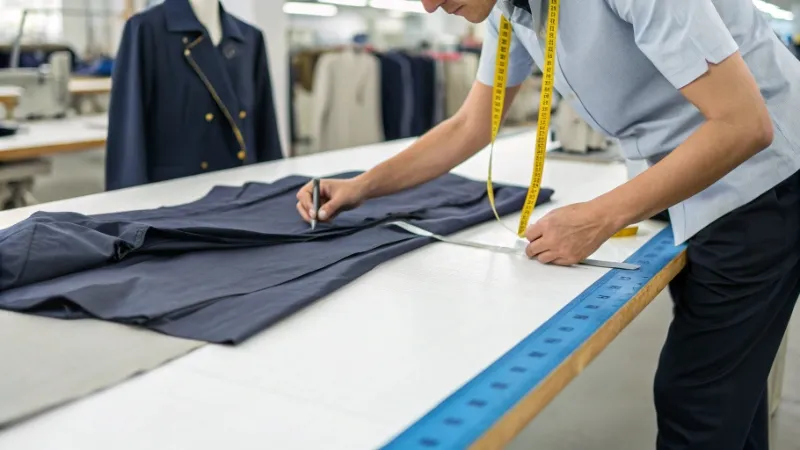
A reliable clothing manufacturer should check:
| Quality Control Stage | What Should Be Checked |
|---|---|
| Fabric inspection | Fabric weight, color, defects, hand feel, shrinkage risk |
| Trim inspection | Labels, tags, zippers, buttons, drawcords, packaging materials |
| Sample approval | Fit, measurements, construction, artwork, logo placement |
| Pre-production sample | Final sample before bulk production |
| Inline inspection | Sewing quality, measurements, print or embroidery placement |
| Final inspection | Finished garment quality before shipment |
| Packing inspection | Size ratio, labels, hangtags, folding, polybags, cartons |
Manufacturer’s Insight: Many quality problems can be prevented before bulk production starts. Fabric confirmation, size specs, artwork files, and pre-production samples are often more important than final inspection alone.
Production Capacity and Lead Time
Production capacity tells you whether a manufacturer can handle your order within your timeline.
Ask:
- What is your monthly production capacity?
- How long does sampling usually take?
- How long does bulk production take after sample approval?
- Can you handle repeat orders?
- What happens during peak season?
- How do you manage urgent orders?
Typical production timelines vary depending on product complexity, material availability, and order quantity.
| Stage | Typical Time Range |
|---|---|
| Fabric sourcing | A few days to several weeks, depending on availability |
| Sample development | Around 7–20 days, depending on complexity |
| Sample revision | Varies by number of changes |
| Bulk production | Around 20–45 days after approval, depending on quantity and product |
| Shipping | Depends on destination and shipping method |
These timelines are only a general reference. Custom-dyed fabric, special trims, embroidery, packaging, or multiple sample revisions can extend the schedule.
Certifications and Compliance
Certifications can help show whether a manufacturer follows recognized quality, safety, environmental, or social responsibility standards.
Depending on your product and market, you may ask about:
- ISO 90015 for quality management
- ISO 140016 for environmental management
- ISO 45001 7for occupational health and safety
- BSCI for social compliance
- WRAP for ethical production
- OEKO-TEX®8 for textile safety
- GOTS for organic textiles
- BCI for cotton sourcing
Not every project requires every certification. A small-batch streetwear brand may not need the same compliance documents as a major retailer. But if you plan to sell through large retailers or regulated markets, compliance becomes more important.
Transparency
Transparency means the manufacturer is willing to explain how production actually works.
A transparent manufacturer should be able to discuss:
- MOQ logic
- Sample cost
- Production cost factors
- Fabric options
- Timeline risks
- Quality control process
- Payment terms
- Packaging options
- Shipping support
- What they can and cannot do
Be careful with suppliers who promise everything immediately without asking questions. In garment production, responsible factories usually ask for more details before confirming price or timeline.
Step-by-Step Vetting Process Before Placing an Order
Before placing a bulk order, follow a structured vetting process: prepare product details, contact several manufacturers, compare responses, request samples, review quality, confirm pricing, and agree on production terms. This helps reduce mistakes before money and production time are committed.
Choosing a manufacturer should not be rushed. Even if you need products quickly, skipping the evaluation process can create bigger delays later.
Step 1: Prepare Your Product Information
Before contacting manufacturers, prepare as much information as possible.
Ideally, you should have:
- Product category
- Reference photos
- Sketches or mockups
- Tech pack, if available
- Fabric composition
- Fabric weight or GSM
- Size chart
- Colorways
- Logo artwork
- Print or embroidery details
- Label and packaging requirements
- Target quantity
- Target market
- Expected delivery date
If you do not have a complete tech pack, you can still contact a manufacturer. Be honest about what you have and ask whether they can support product development.
Manufacturer’s Insight: Many startups begin with reference images instead of full tech packs. This is common. A helpful manufacturer can guide you, but fabric, fit, measurements, artwork, and packaging still need to be confirmed before sampling.
Step 2: Contact Multiple Manufacturers
Do not contact only one supplier. Build a shortlist of several manufacturers and compare their responses.
When contacting them, include enough detail so they can understand your project.
A simple inquiry may look like this:
Hi, I am looking for a clothing manufacturer for my brand.
Product: Custom heavyweight hoodie
Fabric: Around 380–420 GSM French terry or fleece
Fit: Oversized / boxy fit
Quantity: Around 200–500 pieces per style
Branding: Embroidery or puff print, private label, hangtag, packaging
Market: United States
Goal: Sample first, then bulk productionCould you let me know your MOQ, sample process, estimated sample time, production time, and what details you need from us?
This kind of inquiry helps serious manufacturers reply more accurately.
Step 3: Compare the Quality of Their Responses
Do not only compare price. Compare how each manufacturer thinks and communicates.
Look for suppliers who:
- Ask specific questions
- Explain MOQ clearly
- Give realistic timelines
- Mention fabric and decoration options
- Explain the sample process
- Are honest about limitations
- Do not pressure you too quickly
- Provide useful suggestions
Be cautious if a supplier gives a very low price without understanding your fabric, GSM, size range, logo process, or packaging.
Step 4: Request Samples
Sampling is one of the most important steps in clothing manufacturing.
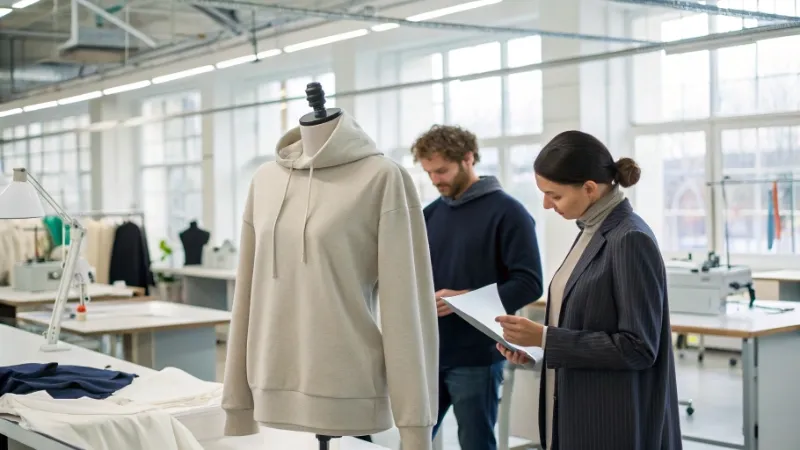
A sample helps you check:
- Fabric quality
- Fit and measurements
- Sewing quality
- Print or embroidery effect
- Color
- Garment structure
- Label and packaging details
- Overall hand feel
Do not expect the first sample to always be perfect. Many custom garments require one or more rounds of adjustment.
Common sample issues include:
- Fit too loose or too tight
- Fabric weight not matching expectations
- Color difference
- Logo size or placement needing adjustment
- Neckline, sleeve, or length needing changes
- Rib or trim quality needing improvement
- Print hand feel or embroidery density needing revision
A good manufacturer should help you review the sample and make practical improvements before bulk production.
Step 5: Confirm Price and Production Details
After the sample is approved, confirm the final production details before bulk production.
You should confirm:
- Final unit price
- Quantity per style, color, and size
- Fabric details
- Color standard
- Size chart
- Logo artwork
- Label and packaging details
- Production timeline
- Payment terms
- Shipping method
- Quality inspection standard
- Responsibility for defects or delays
Do not rely only on casual messages. Important details should be written clearly in a quotation, proforma invoice, production order, or contract.
Step 6: Start With a Reasonable First Order
For a new supplier relationship, it is often safer to start with a reasonable first order instead of placing a very large order immediately.
A first order helps you test:
- Production quality
- Communication during bulk production
- Timeline reliability
- Packaging accuracy
- Shipping coordination
- After-sales responsibility
If the first order goes well, you can gradually increase quantity and build a stronger long-term partnership.
Warning Signs of an Unreliable Clothing Manufacturer
An unreliable manufacturer often shows warning signs before production begins. Poor communication, unclear pricing, unrealistic promises, missing samples, lack of transparency, and inconsistent quality should all be taken seriously because small problems during inquiry can become expensive problems during production.
Many production problems can be avoided if you notice red flags early.
Poor Communication
Poor communication is one of the biggest warning signs.
Be careful if the manufacturer:
- Takes too long to reply without explanation
- Avoids answering specific questions
- Gives confusing or inconsistent information
- Does not confirm details in writing
- Cannot explain fabric, MOQ, or production process
- Only pushes for payment
In clothing manufacturing, communication mistakes can lead to wrong fabric, wrong measurements, wrong logo placement, wrong packaging, or missed delivery dates.
Unrealistically Low Prices
A very low price can be tempting, but it may come with hidden risks.
Low prices may mean:
- Lower-quality fabric
- Cheaper trims
- Less careful sewing
- Fewer inspections
- Inaccurate sizing
- Poor packaging
- Unexpected extra charges later
A reliable manufacturer should be able to explain what is included in the price and what may change the cost.
Vague MOQ or Pricing
MOQ and pricing should be explained clearly.
Be cautious if a supplier cannot explain:
- Whether MOQ is per style, per color, or total order
- Whether the price includes fabric
- Whether printing or embroidery is included
- Whether labels and packaging are included
- Whether sample cost is refundable
- Whether shipping is included
- What payment terms apply
Unclear pricing can lead to disputes after you have already invested time and money.
No Sample or Poor Sample Quality
If a supplier refuses to make a sample or sends a poor-quality sample without explanation, this is a major warning sign.
A poor sample may show:
- Uneven stitching
- Wrong measurements
- Poor fabric quality
- Incorrect logo placement
- Loose threads
- Bad finishing
- Unstable color
- Poor communication about revisions
The sample stage is your chance to test the manufacturer before bulk production. Do not skip it.
Lack of Transparency
A reliable manufacturer should be willing to explain how they work.
Warning signs include:
- Refusing to discuss the production process
- Avoiding questions about quality control
- Not sharing factory information
- Not providing clear company details
- Avoiding video calls or factory photos
- Being unwilling to provide documents when needed
Some confidentiality is normal in manufacturing, especially with client information. However, a supplier should still be able to explain their own capabilities and process.
Overpromising
Be careful with suppliers who say “yes” to everything immediately.
Examples of overpromising include:
- Extremely low MOQ for highly customized products
- Very fast delivery for complex garments
- Premium quality at very low prices
- No need for samples
- Guaranteed perfect results without checking details
- All fabric and trims available immediately
In real garment manufacturing, a responsible factory will usually confirm details before making promises.
How to Make the Final Decision
The best clothing manufacturer is not simply the cheapest option. The better choice is the supplier that matches your product category, quality expectations, order quantity, communication style, budget, and long-term growth plan.
After you receive quotes and samples, compare each manufacturer carefully.
Use a Manufacturer Evaluation Checklist
You can score each manufacturer using the following checklist:
| Evaluation Area | Questions to Ask |
|---|---|
| Product fit | Do they specialize in my product category? |
| Communication | Do they reply clearly and professionally? |
| Experience | Have they worked with similar brands or products? |
| MOQ | Is their MOQ suitable for my stage of business? |
| Sample quality | Does the sample meet my quality expectations? |
| Fabric sourcing | Can they provide the fabric quality I need? |
| Customization | Can they support labels, tags, packaging, printing, and embroidery? |
| Quality control | Do they have a clear inspection process? |
| Timeline | Is the production schedule realistic? |
| Transparency | Do they explain costs, risks, and limitations clearly? |
| Long-term potential | Can they support repeat orders and future growth? |
This helps you avoid choosing emotionally or based only on the lowest quote.
Think Beyond the First Order
A good manufacturer can become a long-term partner.
A strong partnership can help you:
- Improve product quality over time
- Reduce sampling mistakes
- Control costs more effectively
- Plan repeat orders faster
- Develop new styles more smoothly
- Solve production issues with less stress
- Build a more stable supply chain
The best relationships are built on clear communication, realistic expectations, and mutual respect.
Protect Your Brand Before Production
Before starting bulk production, make sure you have confirmed:
- Final sample approval
- Final fabric and color
- Final size chart
- Final artwork and logo placement
- Final label and packaging details
- Final quantity breakdown
- Final production timeline
- Final payment terms
- Final shipping arrangement
Keep written records of all important approvals. This protects both your brand and the manufacturer.
Why Easson Apparel Can Be a Reliable Manufacturing Partner
Easson Apparel is a China-based clothing manufacturer located in Humen, Dongguan, Guangdong. With more than 20 years of garment manufacturing experience, we focus on custom knitwear and OEM/ODM production for startups, growing fashion brands, wholesalers, and private label businesses.
Choosing a manufacturer is not only about finding someone who can make clothes. It is about finding a team that understands your product, your market, and your stage of growth.
Easson Apparel, also known domestically as Jutao Garment Co., Ltd., is based in Humen, Dongguan, one of China’s well-known garment manufacturing areas. Our team has long-term experience in knitwear production, especially men’s casual knitwear and custom apparel.
Our main product categories include:
- T-shirts
- Polo shirts
- Hoodies
- Sweatshirts
- Joggers
- Tracksuits
- Loungewear
- Casual knitwear
- Custom private label apparel
Our monthly production capacity is approximately 150,000–300,000 pieces, depending on product type, order structure, season, and production schedule. We support both sample development and bulk production, including fabric sourcing, trims, printing, embroidery, private labels, packaging, and shipping coordination.
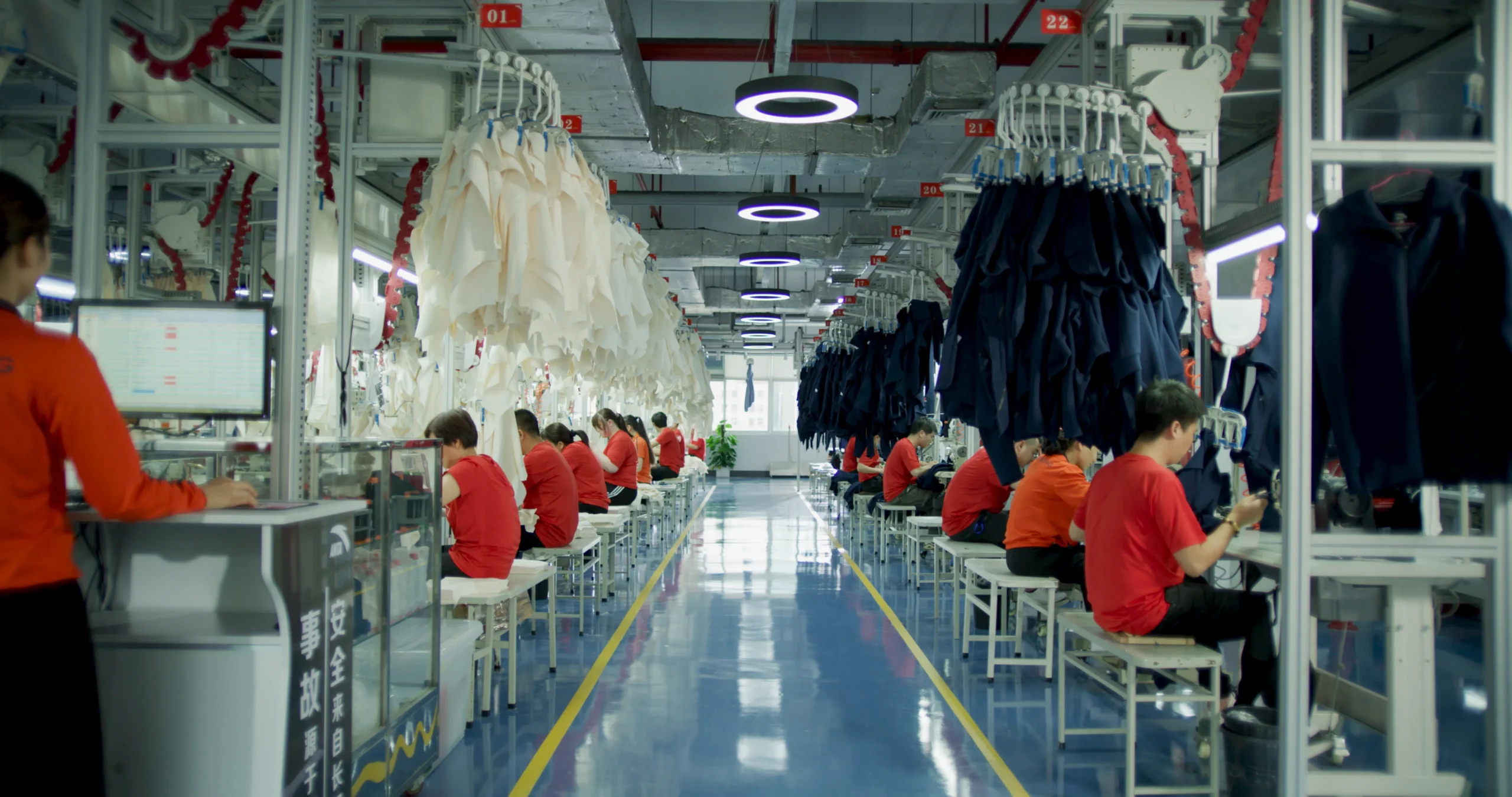
Over the years, our manufacturing team has supported established apparel brands, while also working with startup labels and growing private-label businesses. Some customers come with complete tech packs. Others only have reference photos, sketches, or early design ideas. Our role is to help turn those ideas into production-ready garments.
Easson Apparel has experience working with quality and compliance systems such as ISO 9001, ISO 14001, ISO 45001, and BSCI. For brands that need compliance documents, certification information, or factory details, our team can provide relevant support during the qualification process.
Full Custom Manufacturing Support
Easson Apparel supports custom garment production from development to delivery.
Our services include:
| Service | How It Helps Your Brand |
|---|---|
| Fabric sourcing | Helps you find suitable fabric based on weight, composition, hand feel, and budget. |
| Sample development | Turns your design idea into a physical sample for review and adjustment. |
| OEM/ODM production | Supports both client-provided designs and development assistance. |
| Printing and embroidery | Provides branding options such as screen print, puff print, embroidery, and other techniques. |
| Private label support | Helps with neck labels, woven labels, hangtags, care labels, and packaging. |
| Bulk production | Produces approved styles with controlled quality and timeline. |
| Quality inspection | Checks garments during and after production to reduce defects. |
| Shipping support | Helps coordinate delivery based on your destination and order needs. |
Anonymous Example: Helping a Startup Brand Prepare Its First Hoodie Sample
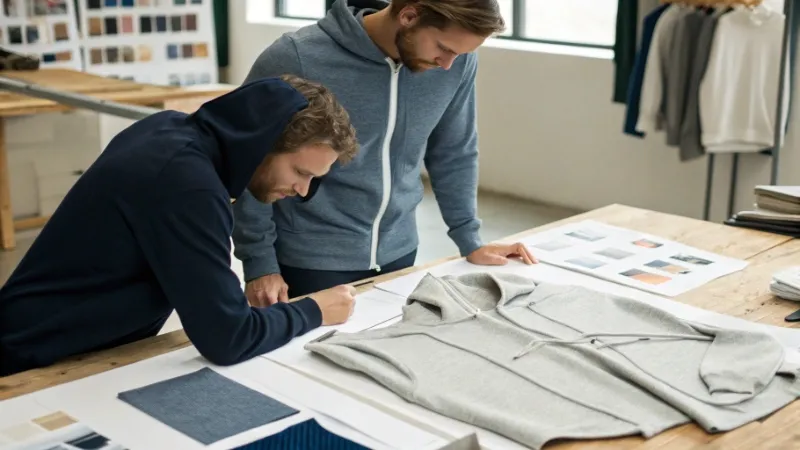
A startup streetwear brand once approached us with reference photos for a hoodie, but they did not yet have a complete tech pack. Their main concern was whether the finished product could feel soft, structured, and premium enough for their target market.
Before making the sample, we helped them clarify fabric weight, fit direction, hood shape, rib quality, logo placement, label position, and packaging requirements. These details may look small, but they directly affect sample accuracy and production cost.
By confirming these points early, the brand avoided several common sampling problems, such as wrong fabric weight, unclear measurements, oversized logo placement, and packaging mismatch. The sample process became more focused, and the brand had a clearer path toward bulk production.
This is a typical example of how a manufacturer can support a young brand beyond sewing. For many startups, guidance during the early development stage is just as important as production itself.
Support for Startup Brands
Many new brands worry that factories only want large orders. At Easson Apparel, we understand that startup brands often need smaller first runs to test the market.
For new brands, we can help clarify:
- What product details are needed before sampling
- Whether your target quantity is realistic
- Which fabric options fit your budget
- How to simplify the first collection
- How to control sampling costs
- How to prepare for future repeat orders
Manufacturer’s Insight: For many startups, the best first order is not the biggest possible order. It is a clear, manageable order that helps test product quality, customer feedback, and brand positioning.
Quality and Communication
We believe reliable manufacturing depends on both quality control and communication.
During a project, important details may include:
- Fabric weight and composition
- Fit and measurement adjustment
- Color confirmation
- Logo artwork quality
- Print or embroidery placement
- Label and packaging approval
- Size ratio and order breakdown
- Production schedule
- Final inspection and shipping
Clear communication helps avoid mistakes before they become costly production problems.
Built for Long-Term Cooperation
A reliable manufacturer should be able to grow with your brand.
As your brand develops, you may need:
- More product categories
- More colors
- Repeat production
- Better fabric options
- Custom packaging
- Faster communication
- More stable quality control
- Support for seasonal collections
Easson Apparel aims to build long-term partnerships with brands that value quality, communication, and stable production.
Conclusion
Finding a reliable clothing manufacturer starts with preparation. When you understand your product, quantity, quality expectations, budget, and target market, you can evaluate suppliers more clearly and avoid costly production mistakes.
Do not choose a manufacturer only because they offer the lowest price. In clothing production, the cheapest option can become expensive if it leads to poor fabric, wrong sizing, weak stitching, delayed delivery, or unhappy customers.
A better approach is to define your needs, compare suppliers carefully, request samples, review communication quality, and confirm all production details before placing a bulk order.
If you are preparing your first clothing sample or looking for a long-term custom clothing manufacturer, Easson Apparel can help you review your product details and suggest a practical production plan.
You can contact us with your tech pack, reference images, target quantity, fabric requirements, logo artwork, or packaging ideas. Our team will help you understand what is realistic for sampling, MOQ, cost, and bulk production.

About the Author
Written by Kyle from Easson Apparel, a family-run clothing manufacturer based in Dongguan, China. Kyle works closely with overseas fashion brands on custom knitwear production, fabric sourcing, sample development, private label apparel, printing, embroidery, packaging, and bulk manufacturing.
FAQ
The FAQ section answers common questions brands ask before working with a clothing manufacturer. These questions are especially useful for startups that are preparing their first sample, comparing suppliers, or planning a custom clothing order.
What is a clothing manufacturer?
A clothing manufacturer is a company or factory that produces garments for brands, retailers, wholesalers, or private label businesses. A manufacturer may help with fabric sourcing, pattern development, sampling, cutting, sewing, printing, embroidery, labeling, packaging, and bulk production.
How do I know if a clothing manufacturer is reliable?
A reliable clothing manufacturer usually has relevant product experience, clear communication, transparent pricing, a sample process, quality control procedures, realistic timelines, and the ability to explain what they can and cannot do. You should also check their previous work, factory information, references, and production process where possible.
What should I prepare before contacting a clothing manufacturer?
You should prepare your product category, reference images, tech pack if available, fabric requirements, size chart, colors, logo artwork, target quantity, label and packaging needs, target market, and expected delivery timeline. If you do not have all of these, a good manufacturer can still guide you, but the more details you provide, the more accurate the response will be.
Do I need a tech pack to work with a manufacturer?
A tech pack is highly recommended because it provides detailed information about measurements, materials, construction, colors, labels, artwork, and packaging. However, some startup brands begin with reference photos or sketches. In that case, you should work with a manufacturer that can help clarify the missing details before sampling.
What is MOQ in clothing manufacturing?
MOQ means minimum order quantity. It is the smallest quantity a manufacturer is willing or able to produce for a style, color, or order. MOQ depends on fabric availability, dyeing requirements, garment complexity, decoration method, trims, size range, and production setup.
Why do different manufacturers offer different MOQs?
Different manufacturers have different production systems, fabric suppliers, labor costs, machinery, and customer types. A large factory may require higher MOQ to keep production efficient, while a smaller or more flexible manufacturer may support lower quantities for suitable products. MOQ also changes depending on how customized your garment is.
How much does a clothing sample cost?
Sample cost depends on garment type, fabric, pattern complexity, decoration method, and customization details. A simple T-shirt sample usually costs less than a complex hoodie, jacket, or garment with special trims and embroidery. You should ask whether the sample fee includes fabric, printing, embroidery, labels, and shipping.
How long does it take to make a clothing sample?
Sample development often takes around 7–20 days, depending on fabric availability and design complexity. If custom fabric, special trims, embroidery, printing, or multiple revisions are required, the process may take longer.
Should I choose a local or overseas clothing manufacturer?
A local manufacturer may offer easier communication, faster domestic shipping, and simpler visits, but the cost may be higher. An overseas manufacturer may offer more competitive production costs and broader sourcing options, but you need to manage communication, shipping, import duties, and longer timelines. The best choice depends on your budget, quantity, timeline, and quality expectations.
How can I avoid being scammed by a clothing manufacturer?
To reduce risk, verify company information, ask detailed questions, request samples, avoid paying full bulk production cost before confirming details, keep written records, check product quality carefully, and be cautious of prices that seem too good to be true. Work with suppliers who communicate clearly and explain their process transparently.
Can a manufacturer help with labels and packaging?
Yes, many custom clothing manufacturers can help with woven labels, printed neck labels, care labels, hangtags, polybags, stickers, cartons, and other packaging details. You should prepare your logo files and brand requirements before production.
Does Easson Apparel support small brands?
Yes. Easson Apparel supports startup brands and growing fashion labels with custom clothing production, sample development, flexible order support, private label services, fabric sourcing, printing, embroidery, packaging, and bulk production. We are especially experienced in custom knitwear such as T-shirts, hoodies, sweatshirts, joggers, polos, and casualwear.
This source explains how factory specialization impacts aspects like sampling speed, fabric expertise, and cost efficiency in garment production. ↩
This source discusses how budgeting in garment production involves balancing product ideas with realistic costs rather than focusing solely on price. Supports: Budgeting in garment production involves balancing product ideas with realistic costs rather than focusing solely on price. ↩
This source highlights the advantages of trade shows in supplier evaluation, such as face-to-face meetings and sample inspection. ↩
This source explains the value of referrals in supplier selection, emphasizing their role in reducing risk based on prior experience. ↩
ISO 9001 is an internationally recognized standard for quality management systems, ensuring that organizations consistently meet customer and regulatory requirements. ↩
ISO 14001 is an internationally recognized standard for environmental management systems, providing a framework for organizations to improve their environmental performance. ↩
ISO 45001 is an international standard for occupational health and safety management systems, designed to improve employee safety, reduce workplace risks, and create better working conditions. ↩
OEKO-TEX is a globally recognized certification system for textiles, ensuring they are tested for harmful substances and produced in environmentally friendly and socially responsible conditions. ↩