
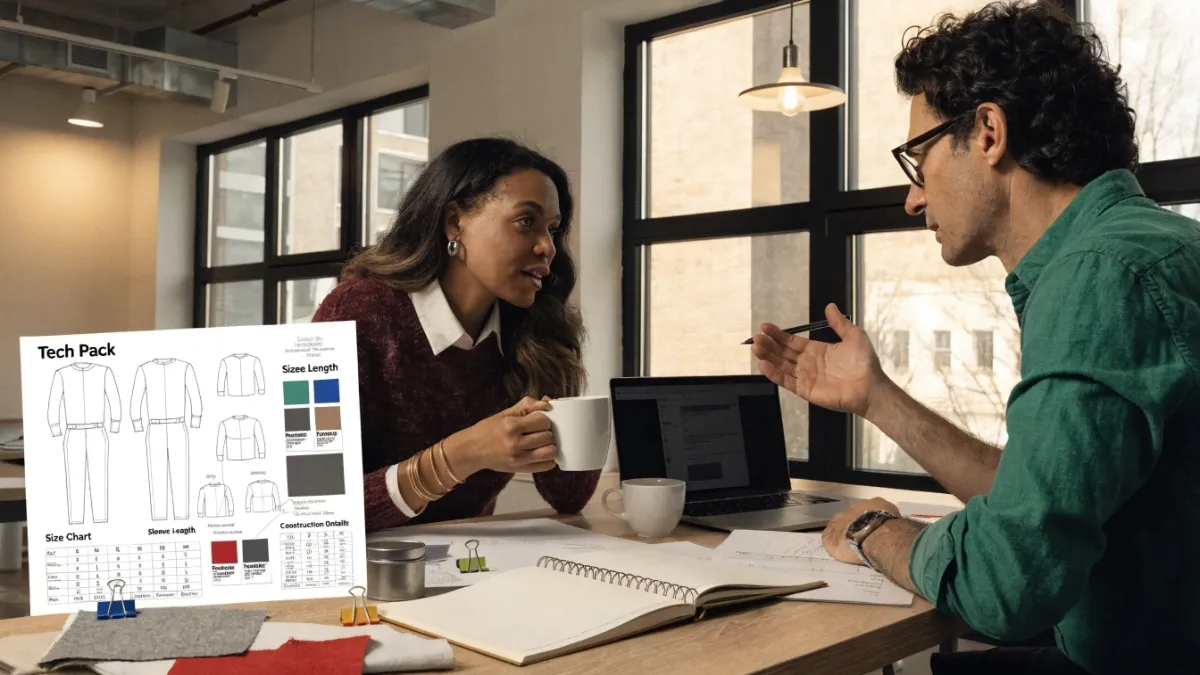
A lot of new clothing brands ask the same question before sampling: do I really need a tech pack, or can I just send a sketch and start?
A tech pack is not absolutely required to start, but it is highly recommended. It is a blueprint that ensures you get accurate quotes faster, your samples are correct, and communication has fewer errors. Without one, a factory can only begin with "reference development," which involves more guesswork.
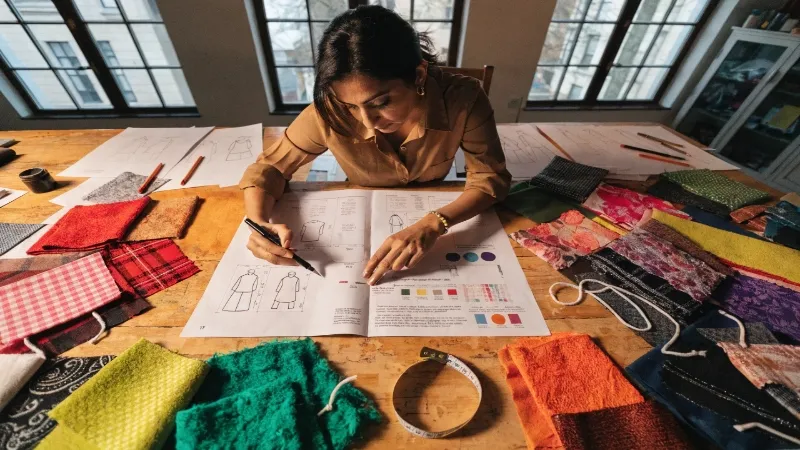
From a manufacturer's side, a tech pack1 is not just a formal document. It is the working file used to turn your idea into something that can actually be priced, sampled, corrected, and produced consistently. If you only send a reference image, a factory may still help you move forward, but the project begins as reference-based development rather than clear technical execution.
What Is a Tech Pack and Why Do I Need One?
If you are new to clothing production, a tech pack can sound more complicated than it really is. In practice, it is simply the document that tells a factory what to make, how to make it, and which details should not be guessed.
A tech pack is the production blueprint2 for your garment. It gives your manufacturer the information needed to quote the style accurately, develop a sample closer to your intended fit and construction, and keep the same standard when you move into bulk production.
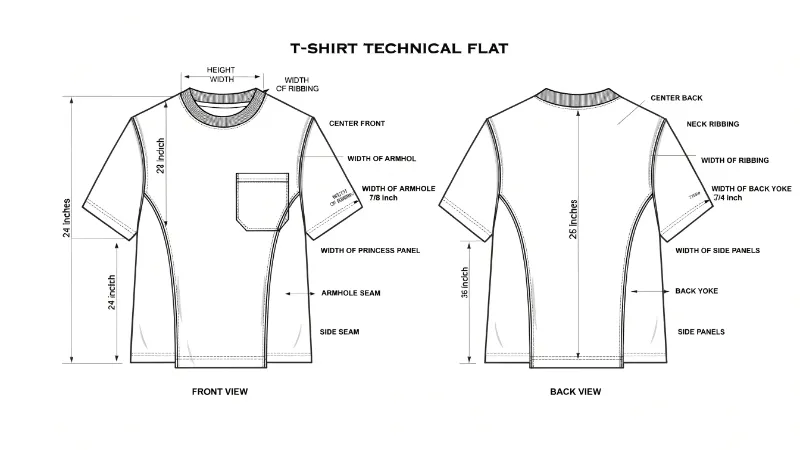
From a factory’s point of view, a tech pack is not just something we glance at once and forget. We use it throughout development and production. The merchandiser uses it to understand the style and prepare a quotation. The pattern maker uses it to interpret fit, measurements, and construction. The sample room uses it to make the first prototype. The production team uses it again when checking fabric, trims, print placement, sewing details, and measurement tolerances.
That is why a strong tech pack saves time even before production starts. When the file is clear, we ask fewer clarification questions, we make fewer avoidable assumptions, and the first sample usually comes back much closer to what the brand had in mind. When the file is vague, the project can still move forward, but it moves forward with more interpretation, more revisions, and usually more cost.
| With a Clear Tech Pack | Without a Clear Tech Pack |
|---|---|
| Quote is based on defined materials and details | Quote is only a rough estimate |
| Sample follows intended fit and construction | Sample is based on interpretation |
| Fewer clarification rounds | More back-and-forth before sampling |
| Easier QC during bulk production | More risk of inconsistency in bulk |
| Faster decision-making on revisions | More time lost identifying basic issues |
Can I Start With Just a Sketch or Reference Image?
Yes, you can. In fact, many startup brands begin exactly that way.
A sketch or reference image is enough to start a conversation with a manufacturer, but it is usually not enough to control the result. A factory may be able to give you a preliminary opinion, a rough quotation, or a reference-based sample direction, but the final accuracy still depends on the details you provide.
From my experience, the biggest misunderstanding here is that many buyers think a good-looking reference image already contains enough information. It does not. A photo can show silhouette, styling direction, and overall mood, but it cannot clearly define fabric composition, fabric weight, exact measurements, seam construction, rib quality, print size, embroidery placement, wash standard, or label requirements.
That is why a sketch can start a project, but it should not be the only file guiding it. If you want faster and more accurate feedback from a factory, add at least a few written notes to your image: target fabric, approximate GSM, preferred fit, artwork technique3, and one base size measurement. Even simple notes like these can dramatically reduce misunderstanding in the first development round.
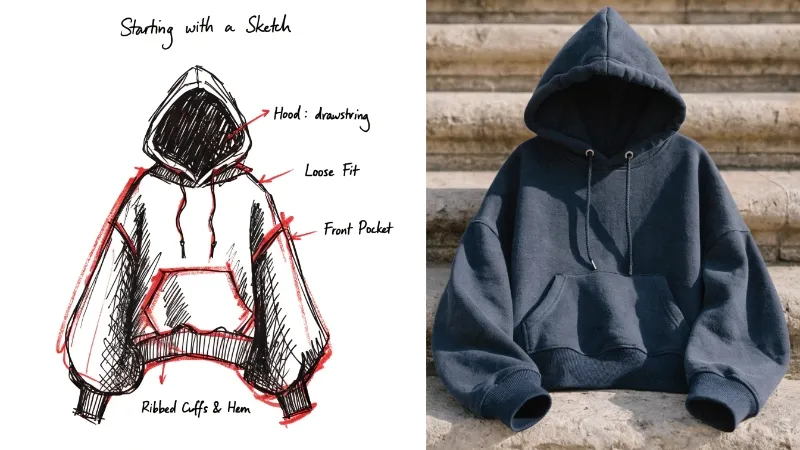
In real development work, a single image is usually enough to begin discussion, but not enough to lock down the outcome. A factory can use it to understand the overall direction, yet the missing technical details still have to be defined somewhere. Otherwise, the first sample often becomes a trial version rather than a controlled execution.
The fastest way to improve a sketch-based inquiry is simple: add a few written notes before sending it. State the target fabric or at least the desired handfeel, give an approximate GSM range, describe the intended fit, mark the artwork placement, and include one base size if possible. That small amount of extra information can save several rounds of clarification and make the first quotation much more realistic.
What Should Be Included in a Basic Tech Pack?
A basic tech pack1 does not need to look complicated, but it does need to answer the main production questions a factory will ask.
A basic tech pack should include technical drawings (flats) of the front and back. It needs a list of materials (fabric, trims, labels), a size chart with measurements, and specific details on any prints, embroidery, or special stitching you require.
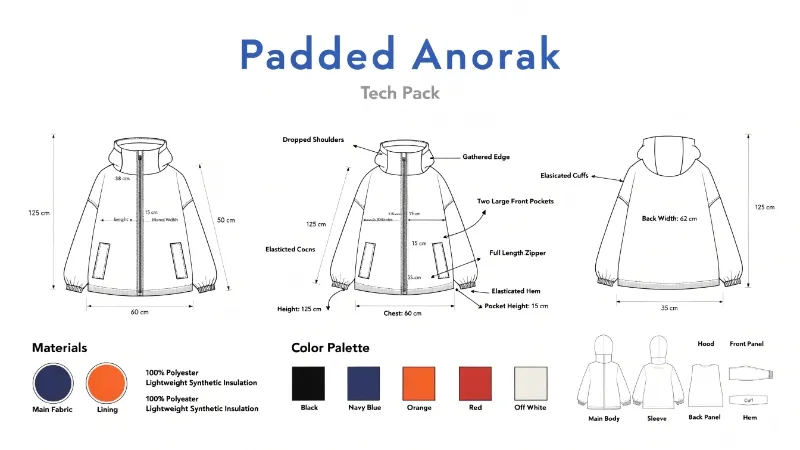
A simple PDF is enough if the information is organized clearly. For a first sample, the goal is not to impress the factory with a polished document. The goal is to remove the biggest areas of uncertainty before development starts.
1. Flat Sketches or Clear Front-and-Back Views
A factory first needs to understand the garment visually. A front view and back view help us confirm the overall shape, neckline, sleeve type, hem finish, pocket placement, and major design features. A fashion photo alone is usually not enough because it may hide technical details.
2. Fabric and Material Information
This section should explain what the garment will be made from. That includes fabric composition, fabric weight, and any special finish if you already know it. For example, there is a big difference between asking for “cotton fabric” and asking for “100% cotton jersey, 240 GSM, compact feel.”
I recently worked with a client from the UK who was very price-sensitive but had no clear fabric direction. At first, he only described the product as “good quality” and “not too expensive,” which sounds reasonable but is still too broad for sampling. When we suggested lower-cost fabric options, he felt the quality might not support his brand image. When we moved toward heavier or better-performing options, the quotation rose beyond what he expected. We ended up spending more than a week discussing fabric alone—not because the factory was slow, but because the product target had not been defined clearly at the beginning.
That is exactly why fabric information matters so much in a tech pack. The more precisely you define the expected feel, weight, composition, and price level, the easier it becomes for a factory to recommend the right material without going through multiple rounds of guesswork.
3. Measurements and Fit Direction
This is one of the most important parts of the file. You should include a size chart or at least one base size with key points of measurement, such as chest width, body length, shoulder width, sleeve length, and hem width. If the fit is oversized, cropped, boxy, or slim, say so clearly. A reference image may suggest the fit direction, but it cannot replace actual measurements.
4. Construction Details
This tells the factory how the garment should be built. Examples include rib width, collar type, seam type, topstitching, binding, cuff finish, pocket construction, and whether the garment should have reinforcement in specific areas. These details affect both appearance and cost, so they should not be left to guesswork.
5. Artwork and Placement Information
If the style includes printing, embroidery, patches, labels, or washing effects, those details should be called out clearly. The factory needs to know the artwork technique3, placement, approximate size, colors, and whether the artwork should be centered, left chest, back neck, full front, or something else. This is where many first samples go wrong.
6. Branding, Labels, and Packaging
Even in a simple tech pack, brand-level details matter. If you need a woven neck label, care label, hangtag, custom bag, barcode sticker, or size sticker, mention it early. These may seem secondary compared with fabric and fit, but they still affect cost, lead time, and purchasing preparation.
What Happens If My Tech Pack Is Missing Details?
Missing details do not always stop a project, but they almost always make it less accurate.
When a tech pack is incomplete, the factory either has to guess, use its own default standard, or stop the process and ask for clarification. None of these options is ideal. Guessing increases the risk of an incorrect sample. Using a default standard may produce something wearable but not truly on-brand. Stopping to ask questions slows development and often delays quotation, sampling, and revision approval.
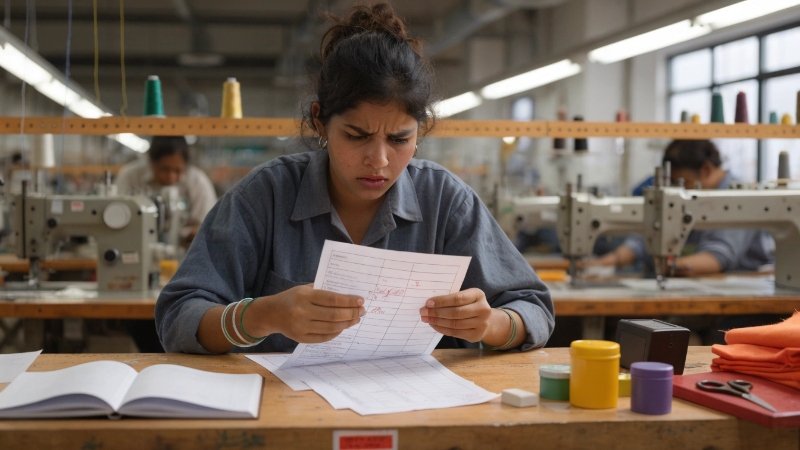
When key information is missing, we are left with two choices: guess, or stop and ask. Both options create problems. For example, if you don't specify the fabric weight for a hoodie, we might assume a standard 320 GSM. If you actually wanted a heavy 500 GSM hoodie, the sample will feel completely wrong, and the final price will be much different than our initial quote. The most critical missing detail is often the size chart4. I’ve had clients send a great reference photo and expect us to copy the fit perfectly. But we can't define sleeve length, chest width, or body length from a picture. We would have to use one of our standard patterns, which might not match the unique fit you envisioned. This almost always leads to a rejected sample and another round of development, wasting both time and money.
I have also seen cases where the brand supplied a strong reference image and a clear logo file, but no size chart and no print placement dimensions. The first sample did not fail because the factory made a mistake. It failed because too many key decisions had never been fixed in writing. The fit came back too narrow through the chest, the body length was shorter than expected, and the front artwork looked visually smaller than the brand had imagined. All of that had to be corrected in the second round.
That kind of revision is common when the concept is clear in the buyer’s head but not yet clear on paper. A tech pack does not eliminate every revision, but it reduces the number of revisions caused by preventable ambiguity.
Can a Manufacturer Help Me If I Don’t Have a Tech Pack?
Yes—but there are limits to what a manufacturer should decide for you.
A good manufacturer can help turn a rough idea into a workable development file, but the brand still needs to define the product direction. In other words, a factory can help you clarify and refine your idea, but it should not be expected to invent the entire product on your behalf.
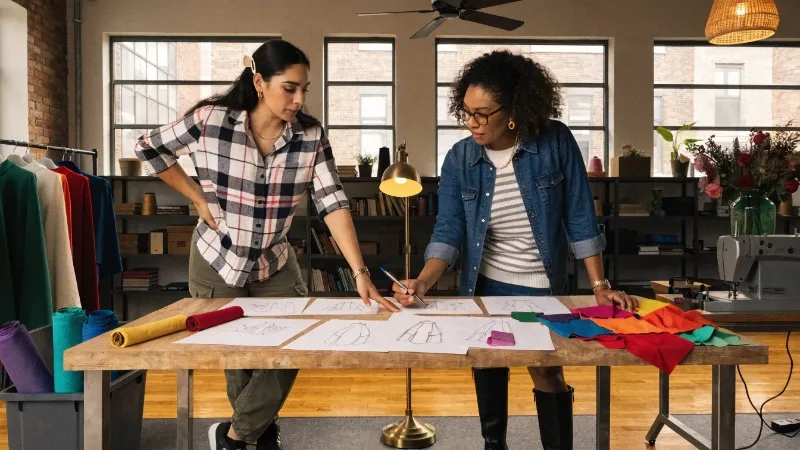
In practice, a manufacturer can usually help with fabric suggestions, construction recommendations, measurement logic5, artwork feasibility, trim options, and sampling advice6 based on your target price and product category. This is especially useful for startup brands that know the look they want but do not yet know the technical language behind it.
What the factory cannot fully decide for you is the brand intent. We cannot know which fit should feel “just right” for your customer unless you tell us. We cannot know whether your hoodie should feel soft and drapey or dense and structured unless that target is defined. We also cannot know which details are negotiable and which ones are core to the identity of the product.
The best development process usually happens when the brand brings a clear concept and the manufacturer helps translate it into production language. That is a partnership. It is much more effective than either side trying to carry the whole project alone.
Do Small Brands and Startups Need a Full Tech Pack?
Usually, no.
Most small brands do not need a long, corporate-style tech pack7 for their first sample. What they do need is a simple file that makes the product direction hard to misunderstand. Clear information matters far more than document length.
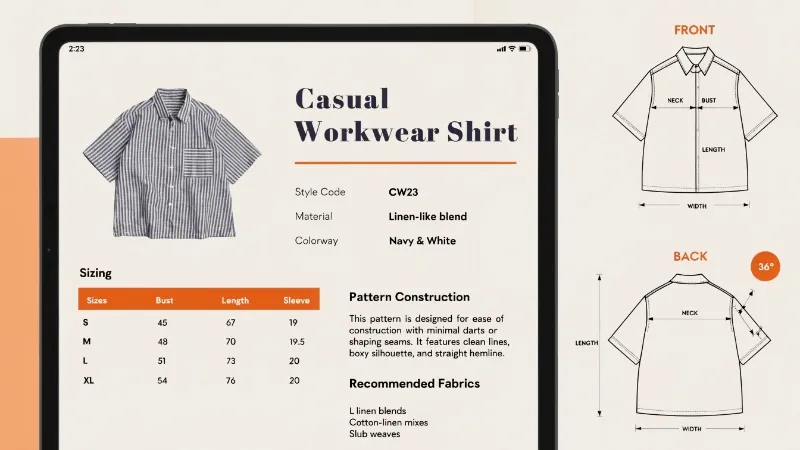
We work with startups all the time, and we do not expect them to prepare a long, highly detailed corporate document for their first sample. What matters is whether the file gives enough direction for the factory to understand the product clearly.
A simple tech pack is already a strong signal that the brand has thought through the product and is serious about development. Even basic information such as fit direction, custom labels, or packaging requirements helps the factory prepare more accurately and communicate more efficiently. The real goal is not to make the document look impressive. It is to make the product easier to execute correctly.
How Do I Create a Simple Tech Pack for My First Sample?
You do not need expensive software to build your first basic tech pack.
For a first sample, a simple PDF made in Canva, Google Docs, Excel, or PowerPoint can be enough—as long as the information is clear and organized. The goal is not to impress the factory with design software. The goal is to make your product easy to understand and hard to misread.
A simple starter tech pack should answer four practical questions: What is the style? What should it be made from? How should it fit? And which details must match the original idea? If your document answers those questions clearly, it is already useful.
1. Start With a Clear Visual
Use a flat sketch8 if you have one. If not, use a clean front-and-back reference image of a similar garment. The image should make the silhouette easy to understand. Avoid using only styled model photos, because those often hide the construction details a factory needs to see.
2. Add the Core Product Information
Next to the visual, list the most important production details in a simple table:
- Product Name: such as “Oversized Heavyweight T-Shirt”
- Fabric Direction: such as “100% cotton jersey, target 240–260 GSM” or “cotton-poly fleece, soft handfeel”
- Color: preferred color name and Pantone code if available
- Artwork: technique, placement, and approximate size
- Branding: neck label, care label, hangtag, packaging, or custom trims if needed
3. Add One Base Size and Key Measurements
You do not need a full graded size set for the first draft, but you should provide at least one base size with key points of measurement9. For example:
- Chest Width
- Body Length
- Shoulder Width
- Sleeve Length
- Hem Width
If you already know the intended fit, note that too—regular, oversized, boxy, cropped, slim, or relaxed. This gives the pattern maker a much better starting point than a visual reference alone.
4. Mark the Non-Negotiable Details
If there are details that cannot be changed, mark them clearly. That could include the collar shape, print size, embroidery location, wash effect, label type, or packaging method. A factory can help fill in some gaps, but it should not have to guess which details matter most to your brand.
Once you have these basics in one document, export it as a PDF and send it together with your artwork files and any reference images. It will not be a perfect corporate tech pack, but it will be far more useful than sending scattered screenshots and voice notes.
What Should I Check Before Sending My Design to a Factory?
Before you send your file, do one final review10.
Before sending, quickly check that all your measurements are clearly labeled with units (cm or inches). Ensure your contact information is on the document. Finally, and most importantly, include your estimated order quantity11 to get a realistic quote.
Doing a final review can prevent major issues down the line. Ask yourself these questions before you email us:
1. Are the Measurements Clearly Labeled?
Make sure all measurements are marked with units, either centimeters or inches. If you list a body length or chest width without units, mistakes happen faster than most new brands expect.
2. Is the Fit Direction Clear?
A factory should be able to tell whether the style is intended to be regular, oversized, slim, boxy, or cropped. If that is only implied visually and never written down, the result may not match your expectation.
3. Are the Materials Specific Enough?
If you do not know the exact fabric yet, at least describe the target clearly. “Good quality cotton” is too vague. “100% cotton jersey, mid-to-heavy weight, structured handfeel” is much more usable.
4. Is the Artwork Easy to Understand?
Check that all prints, embroideries, patches, washes, and label positions are clearly marked. If possible, include approximate dimensions and placement notes instead of relying on visuals alone.
5. Have You Included Estimated Quantity?
Factories need quantity to quote properly. The cost structure for 100 pieces is very different from 1,000 pieces, especially when custom fabric, labels, or trims are involved. If you want a realistic quotation, quantity should be stated early.
6. Does the File Match the Real Goal of the Sample?
Ask yourself one last question: if a pattern maker and sample room received only this document, would they understand what matters most about the product? If the answer is yes, your file is ready to send.
Conclusion
You do not need a perfect tech pack to start a clothing project. But you do need enough technical clarity to keep your quotation, sample, and production moving in the right direction.
For most startups, the smartest approach is not to wait until every detail is perfect. It is to prepare a simple but usable tech pack—one that clearly shows the style, fit direction12, fabric target, artwork details, and key measurements. That alone can reduce a huge amount of misunderstanding in development.
From a manufacturer’s perspective, the value of a tech pack is simple: it replaces guesswork with direction. And the less guesswork there is, the better your first sample, your quotation accuracy, and your production consistency usually become.
Understanding a tech pack is crucial for accurate quotes, correct samples, and reducing communication errors in clothing production. ↩
A production blueprint ensures your garment is made to your specifications, reducing errors and maintaining consistency. ↩
Artwork technique affects the visual appeal and placement of designs on garments, crucial for brand identity. ↩
A size chart provides precise measurements, ensuring the garment fits as intended and reducing the need for revisions. ↩
Measurement logic ensures the garment fits correctly, reducing the need for costly revisions. ↩
Manufacturers offer sampling advice to align your product with target price and category, enhancing development. ↩
Small brands benefit more from clear information than lengthy documents, simplifying production. ↩
A flat sketch provides a clear visual of the garment's silhouette, essential for accurate manufacturing. ↩
Understanding key points of measurement is crucial for creating accurate and well-fitting garments, ensuring your designs meet the intended fit and style. ↩
A thorough final review can prevent costly mistakes and ensure that all necessary information is included for accurate production and quotation. ↩
Providing an estimated order quantity allows factories to give accurate quotes and plan production efficiently, impacting cost and delivery timelines. ↩
Clearly defining fit direction helps manufacturers produce garments that match your design vision, reducing the risk of misinterpretation and errors. ↩