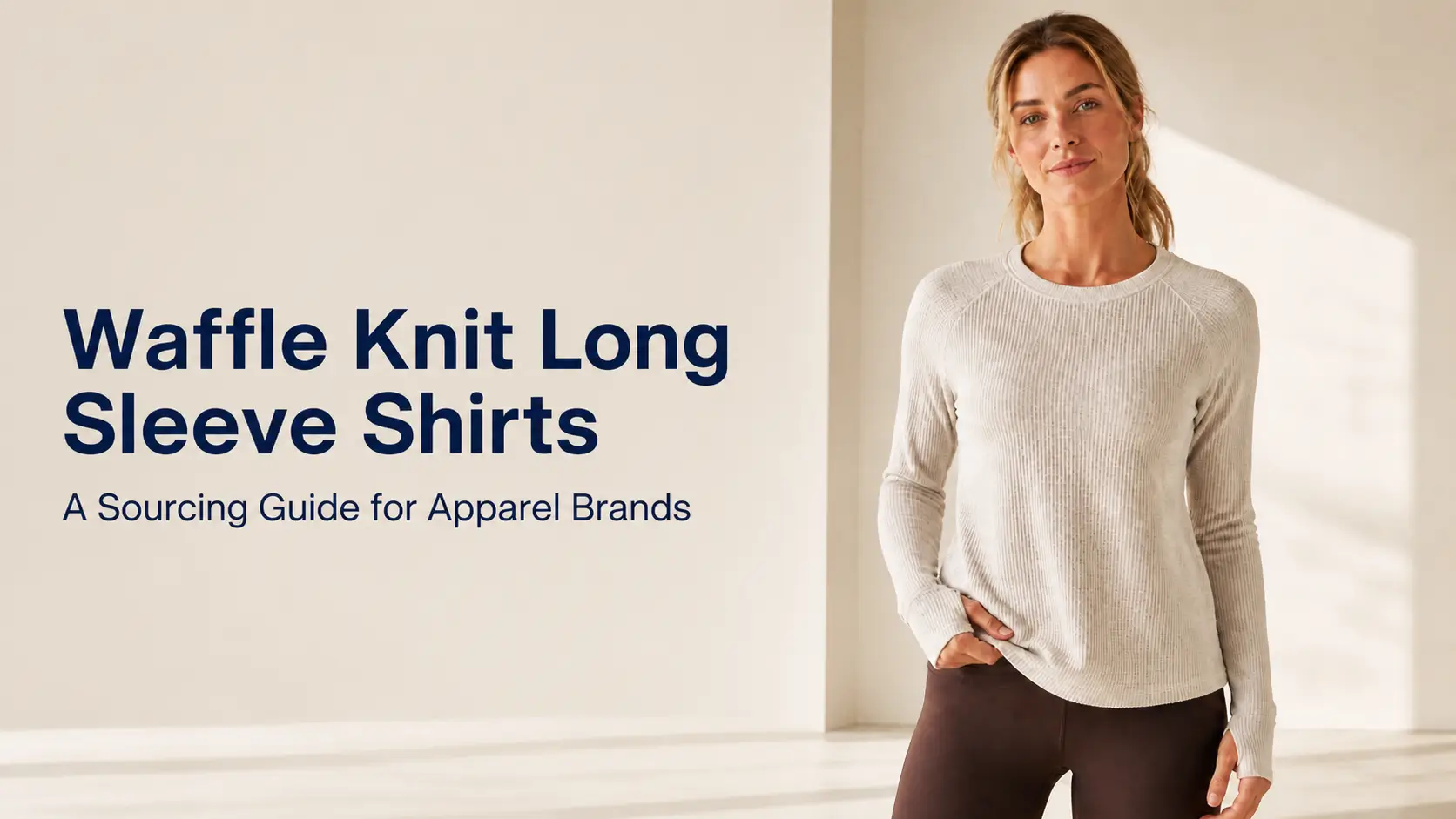
Sourcing waffle knit long sleeve shirts sounds straightforward — until your first bulk order arrives two sizes smaller than your samples. Waffle knit is one of the most misunderstood fabric structures in casualwear sourcing, and that misunderstanding is expensive. This guide is for apparel brands, private-label buyers, and retailers developing custom waffle knit long sleeve shirts.
Waffle knit long sleeve shirts are not a single product category — they are a fabric structure that produces radically different garments depending on fiber content, weight, construction, and intended use. A buyer who treats "waffle knit" as a spec rather than a starting point will waste sampling rounds, miss shrinkage tolerances, and end up with a product that doesn't match their original brief. Successful sourcing starts by defining your wear scenario first, then building fabric specifications around it.
Most buyers come to us with a reference image and a weight target. That's a starting point, not a brief. What separates a smooth sampling process from a three-round revision cycle is understanding exactly what the waffle structure needs to do — and that question has a completely different answer depending on whether the shirt is being worn under a jacket or on its own.
Is "Waffle Knit" a Fabric Type or a Fabric Structure?
Most buyers discover this distinction too late. They've already requested quotes, approved a fabric swatch, and moved into sampling — only to find that what arrived looks nothing like their reference.
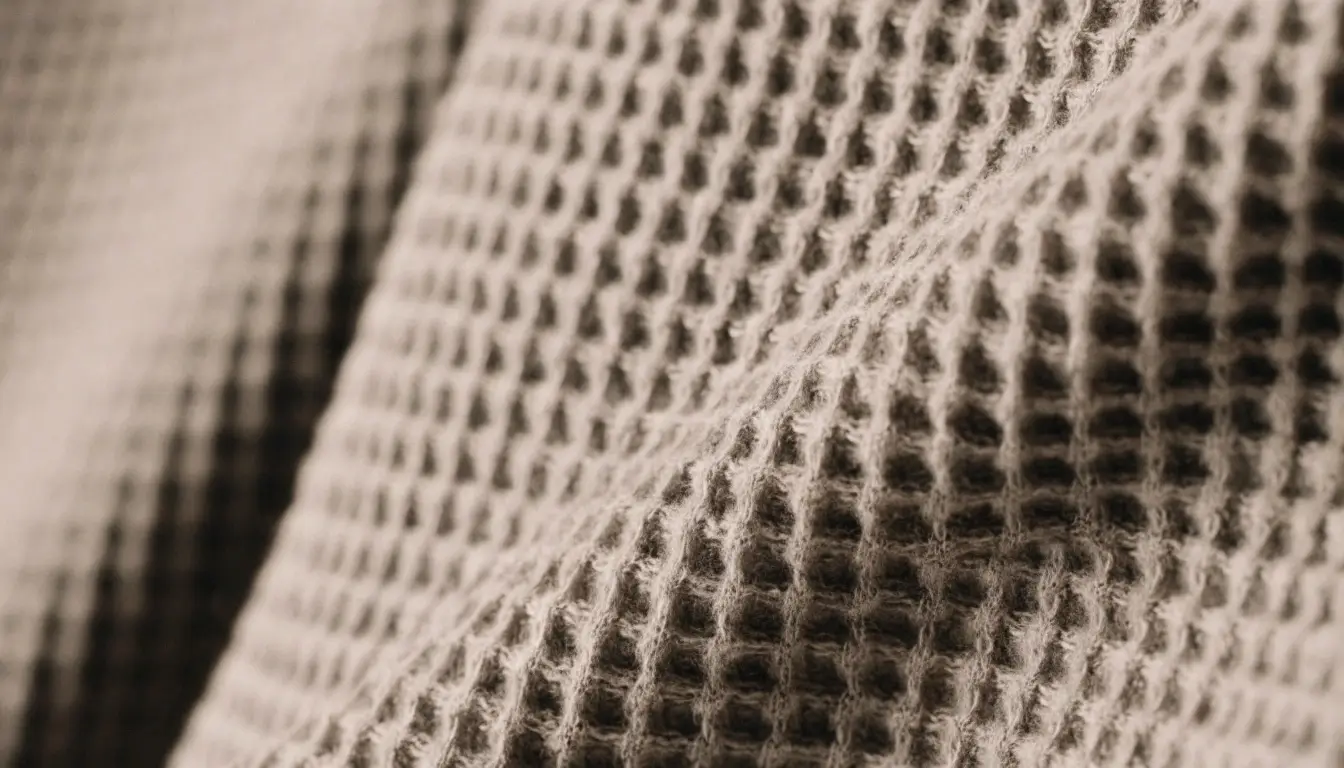
Waffle knit is a construction method, not a material. The characteristic grid pattern is created by the knit structure itself — alternating raised and recessed squares — and that structure can be applied to cotton, polyester, cotton-poly blends, modal, and more. The fiber content, yarn weight, and knitting tension determine virtually everything else: how the shirt feels, how much it weighs, how it drapes, and — critically — how much it shrinks.

Why This Distinction Matters at the Inquiry Stage
When a buyer sends us a message saying "we want a waffle knit long sleeve, 280gsm, 100% cotton," they've given us weight and fiber content. But they haven't told us:
- Whether the waffle cell should be deep or shallow
- Whether the shirt is a layering piece or standalone knitwear
- What the target hand feel is (smooth and soft, or textured and structured?)
- What their shrinkage tolerance is after washing
In our production experience, the buyers who skip these questions are the same ones who come back after first wash testing with shrinkage complaints. We ask these questions on the first call — not because we're being difficult, but because the answers change the fabric specification completely.
The Fiber Content Matrix
| Fiber | Hand Feel | Shrinkage Risk | Best Use Case |
|---|---|---|---|
| 100% Cotton | Soft, natural | High without pre-shrink | Standalone casual wear |
| Cotton-Poly Blend | Smooth, stable | Low-medium | E-commerce, high repeat orders |
| Organic Cotton | Soft, premium | High without pre-shrink | Premium DTC brands |
| Modal Blend | Silky, drapey | Medium | Layering, lifestyle brands |
| Brushed Cotton Interior | Warm, structured | Medium-high | Heavyweight standalone shirts |
No fiber option is universally better. The right choice depends entirely on the use case — which brings us to the most important fork in the road for any waffle knit brief.
Layering vs. Standalone Wear: Why One Brief Can't Serve Both?
This is the most expensive misunderstanding in waffle knit sourcing. Buyers who conflate these two use cases end up ordering a shirt that technically matches their spec sheet — and functionally fails in the market.
A waffle knit shirt designed for layering under a jacket needs entirely different properties than one designed to be worn on its own. Treating these as the same product is how you end up with a thick, structured shirt that bunches under outerwear — or a thin, drapey layering piece that has no visual presence as a standalone garment.
The fabric specifications for these two use cases diverge at nearly every parameter. Understanding which category you're designing for is the first decision we push every client to make before we pull a single fabric sample. Get a waffle knit spec recommendation for your target product
| Intended Product | Fabric Direction | Typical GSM Starting Point | Fit Direction | Key Development Focus |
|---|---|---|---|---|
| Lightweight Layering Long Sleeve | Cotton blend, cotton-modal, or cotton-spandex waffle | 160–210 GSM | Slim / fitted | Softness, recovery, shrinkage |
| Classic Thermal Long Sleeve | 100% cotton or cotton-poly waffle | 180–230 GSM | Regular / slim | Warmth, shrinkage, cell stability |
| Everyday Standalone Long Sleeve | Cotton or cotton-spandex waffle | 220–260 GSM | Regular / relaxed | Hand feel, drape, shape retention |
| Premium Heavyweight Long Sleeve | Dense cotton or cotton-blend waffle | 260–320+ GSM | Relaxed / oversized | Bulk, shrinkage, seam construction |
| Oversized Streetwear Waffle Top | Heavy cotton waffle with pronounced texture | 280–350+ GSM | Boxy / oversized | Structure, spirality, dimensional stability |
Note: These GSM ranges are starting points rather than fixed industry standards. Final fabric selection should also consider fiber content, waffle cell size, yarn, stretch, finishing, target fit, and wash-test results.
The Layering Shirt Specification
A waffle knit designed for layering prioritizes:
- Lower weight: typically 160–220gsm, thin enough to sit under a jacket without bulk
- Shallower waffle cell: less texture depth means less friction against outerwear lining
- Anti-cling construction: modal or poly blends help the shirt stay put instead of riding up
- Minimal shrinkage: because a layering piece that shrinks becomes unwearable under fitted outerwear
In our experience, clients sourcing for layering often request heavier fabrics initially — they associate weight with quality. We walk them through why that instinct works against them in this use case. A 300gsm waffle knit shirt under a structured jacket creates bulk at the collar, bunches at the sleeves, and makes the outerwear fit incorrectly.
The Standalone Shirt Specification
A waffle knit worn on its own needs the opposite in several key areas:
- Higher weight: 240–320gsm gives the shirt enough body to hold its shape when unworn and enough visual presence when worn
- Deeper waffle cell: the texture becomes a design feature — buyers want to see it
- Structured hand feel: the shirt should feel substantial when held, not limp
- Surface consistency: every waffle cell should be uniform across the garment because the fabric IS the visual
This is where we see the most sampling iterations. Buyers know they want a "premium heavyweight waffle knit" but haven't specified hand feel preference. We always ask clients to describe what they want the customer to feel when they first pick up the shirt — that single question saves at least one sampling round.
What Actually Causes Waffle Knit Shrinkage — and How Do You Prevent It?
This is the section I wish every buyer read before placing their first bulk order. Shrinkage in waffle knit shirts is not bad luck. It is a predictable, preventable outcome that becomes unpreventable once cutting begins.
A few years ago, we produced a bulk run for a client who had specified 300gsm 100% cotton waffle knit. The samples had passed their internal review. The bulk came back from the first wash cycle with an average shrinkage of 8% — enough to drop a medium to a small. The order had to be remade from scratch. That was one of the most expensive production lessons I've witnessed firsthand, and it was entirely avoidable.
Why Heavyweight Cotton Waffle Knit Is High-Risk for Shrinkage
The heavier the cotton knit, the more yarn there is per square inch. More yarn means more potential for dimensional change after washing. Waffle knit adds another layer of complexity: the three-dimensional cell structure can collapse or tighten when exposed to heat and agitation, compressing the overall garment dimensions.
The risk factors stack quickly:
- 100% ring-spun cotton without pre-shrinking treatment
- Weights above 260gsm
- Tight knitting tension (which holds more stress in the fabric)
- No pre-shrink specification in the production brief
The Pre-Shrink Process: What It Is and When to Negotiate It
Pre-shrinking — sometimes called sanforizing or compacting, depending on the process and equipment — mechanically relaxes the fabric before cutting. When done correctly, it reduces post-wash shrinkage to within 3–5%, which is within acceptable tolerance for most casualwear.
The critical point: this process must be specified and agreed upon before production begins. We cannot pre-shrink fabric after it has been cut and sewn. If a buyer discovers shrinkage in post-production QC, the remedies are limited and none of them are cheap:
- Regrading the size spec — adjusting labels to compensate, which works only if the shrinkage is perfectly consistent across all units
- Remaking the order — the most common outcome when shrinkage is severe or inconsistent
- Accepting the product — only viable if the buyer's end customer hasn't seen the original fit reference
We now make pre-shrink specification a mandatory checkpoint in our production brief for any cotton waffle knit above 240gsm. It adds a small amount to the unit cost and fabric lead time. It has never once resulted in a complaint from a client who understood why we included it.
Shrinkage Tolerance by Use Case
| Shirt Category | Acceptable Shrinkage | Recommended Pre-Shrink |
|---|---|---|
| Layering piece under outerwear | ≤3% | Yes, always |
| Standalone casual shirt | ≤5% | Yes, strongly recommended |
| Heavyweight streetwear drop | ≤5% | Yes, critical at 280gsm+ |
| Promotional / corporate uniform | ≤5% | Yes |
How Do You Evaluate a Waffle Knit Supplier's Quality Control Process?
Supplier selection for waffle knit long sleeve shirts is not just about price per unit. It's about whether the factory's quality control process catches the problems that will eventually reach your customer — or catches them at a point where something can still be done.
The quality control checkpoints that matter in waffle knit production are different from standard jersey or woven production. The structured texture of waffle knit makes certain defects harder to spot and more consequential when they reach the end customer.
The QC Checkpoints That Matter for Waffle Knit
1. Fabric Inspection on Arrival
Before cutting begins, incoming fabric should be inspected for:
- Waffle cell consistency across the roll (cell distortion is common in lower-quality knit fabric)
- Weight verification (a roll labeled 280gsm should be within ±5% of that)
- Color consistency between rolls if the order spans multiple dye lots
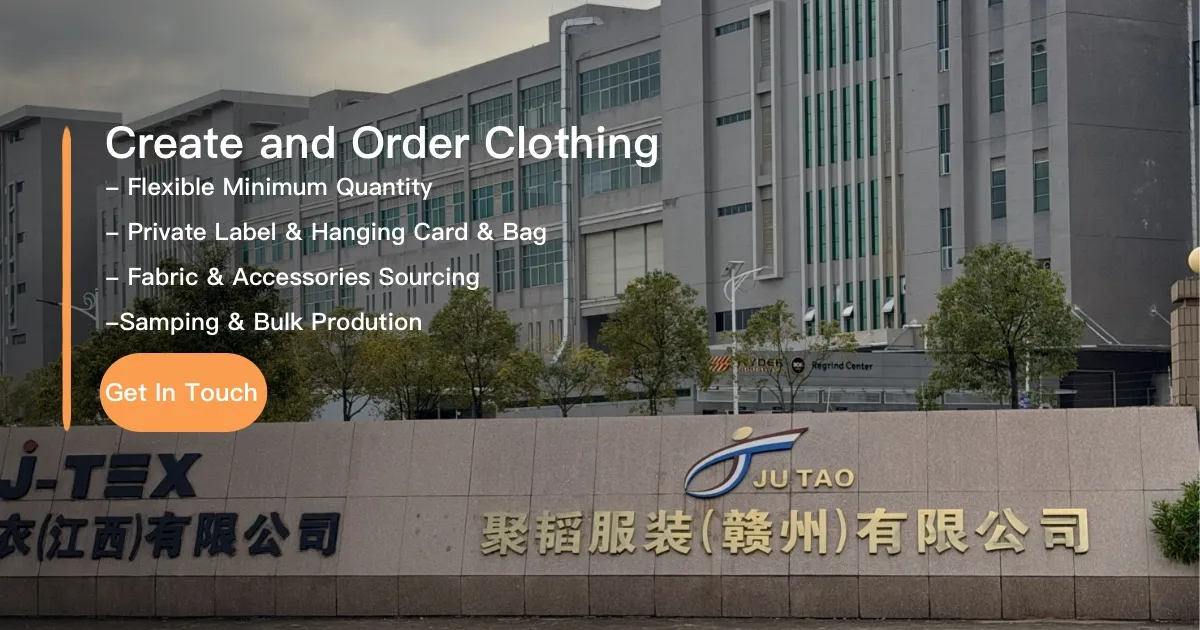
In our factory, we inspect fabric against a 4-point system and flag any roll with cell irregularity before it reaches the cutting table. This single step eliminates the most common source of visual inconsistency in the finished garment.
2. Cutting Precision
Waffle knit is more dimensionally sensitive than flat jersey. The raised cell structure means that even small deviations in cutting angle can cause the finished garment to twist or skew after washing. We cut waffle knit in a single layer or with a strict maximum ply count to maintain dimensional accuracy.
3. Seam and Stitch Inspection
The recessed channels of the waffle structure can cause seam pucker if the sewing tension isn't adjusted for the fabric's three-dimensional surface. We check seam appearance against an approved reference sample at the start of every production run.
4. Final Wash and Measurement Check
For any cotton waffle knit order, we include a post-wash measurement check in our QC protocol. A representative sample from each production batch is washed and measured before the full order ships. This is the last line of defense against the kind of shrinkage issue I described earlier.
Questions to Ask Any Supplier Before Ordering
When you're evaluating factories, these questions separate consultative manufacturers from commodity quoters:
- "Do you ask about intended use before recommending a fabric weight?" A factory that quotes without asking how the shirt will be worn is not thinking about your end customer.
- "What is your pre-shrink protocol for heavyweight cotton knit?" If they don't have one, ask what their process is for managing shrinkage risk. If they look confused, that's your answer.
- "Can you share wash testing results from a similar past order?" Any serious manufacturer in this category has this data.
- "What happens if post-production shrinkage exceeds tolerance?" How they answer this question tells you everything about their accountability posture.
Frequently Asked Questions
What is the minimum order quantity for waffle knit long sleeve shirts?
Our standard MOQ for waffle knit long sleeve shirts starts at 100 pieces per style and colorway. This can vary depending on fabric complexity and decoration requirements. We support small-batch orders for startup brands running market tests, with the understanding that unit cost adjusts accordingly at lower quantities.
Can waffle knit long sleeve shirts be produced in organic cotton?
Yes. We regularly produce waffle knit shirts in GOTS-certified organic cotton for premium DTC and lifestyle brands. Organic cotton carries slightly higher shrinkage risk than conventional ring-spun cotton, so pre-shrink treatment is strongly recommended and we build it into the production process by default for organic cotton orders above 240gsm.
How long does sampling take for a custom waffle knit shirt?
Standard sampling turnaround in our factory is 8–12 business days from brief approval and fabric confirmation. For custom waffle knit constructions that require new fabric development, lead time extends to 20–25 business days. We recommend allowing for two sampling rounds in your project timeline.
What decoration options are compatible with waffle knit fabric?
Embroidery works well on waffle knit but requires a backing stabilizer to prevent cell distortion under the embroidery frame. Screen printing is possible on flatter waffle constructions. DTG (direct-to-garment) printing is not recommended on deep waffle cell fabrics because the texture interrupts ink coverage. We advise on decoration compatibility during the brief stage.
How do waffle knit shirts differ from thermal knit shirts?
Waffle knit and thermal knit are often used interchangeably, but thermal knit traditionally refers to a looser, more open grid structure originally designed for heat-trapping underwear. Modern waffle knit for casualwear typically has a tighter, more defined cell and heavier weight. In commercial sourcing, the terms overlap significantly — always request a physical swatch rather than relying on the label.
Conclusion
Waffle knit long sleeve shirts are one of the most popular products we produce — and one of the most frequently misspecified. The buyers who get it right are the ones who come to us with a clear wear scenario, a hand feel preference, and a realistic shrinkage tolerance. The buyers who struggle are the ones who lead with weight and fiber and skip everything else.
The most important takeaways from this guide: waffle knit is a structure, not a material category; your use case determines your spec, not the other way around; and shrinkage in heavyweight cotton waffle knit is preventable only before production begins. Working with a factory that asks the right questions upfront is not a luxury — it's the difference between one sampling round and three.
If you're developing a waffle knit long sleeve shirt for your brand, we'd like to hear from you. Tell us your intended wear scenario, describe the hand feel you're targeting, and share your budget range and target quantity. That's the kind of inquiry we're set up to answer well — and it's how we start every partnership that actually works.