
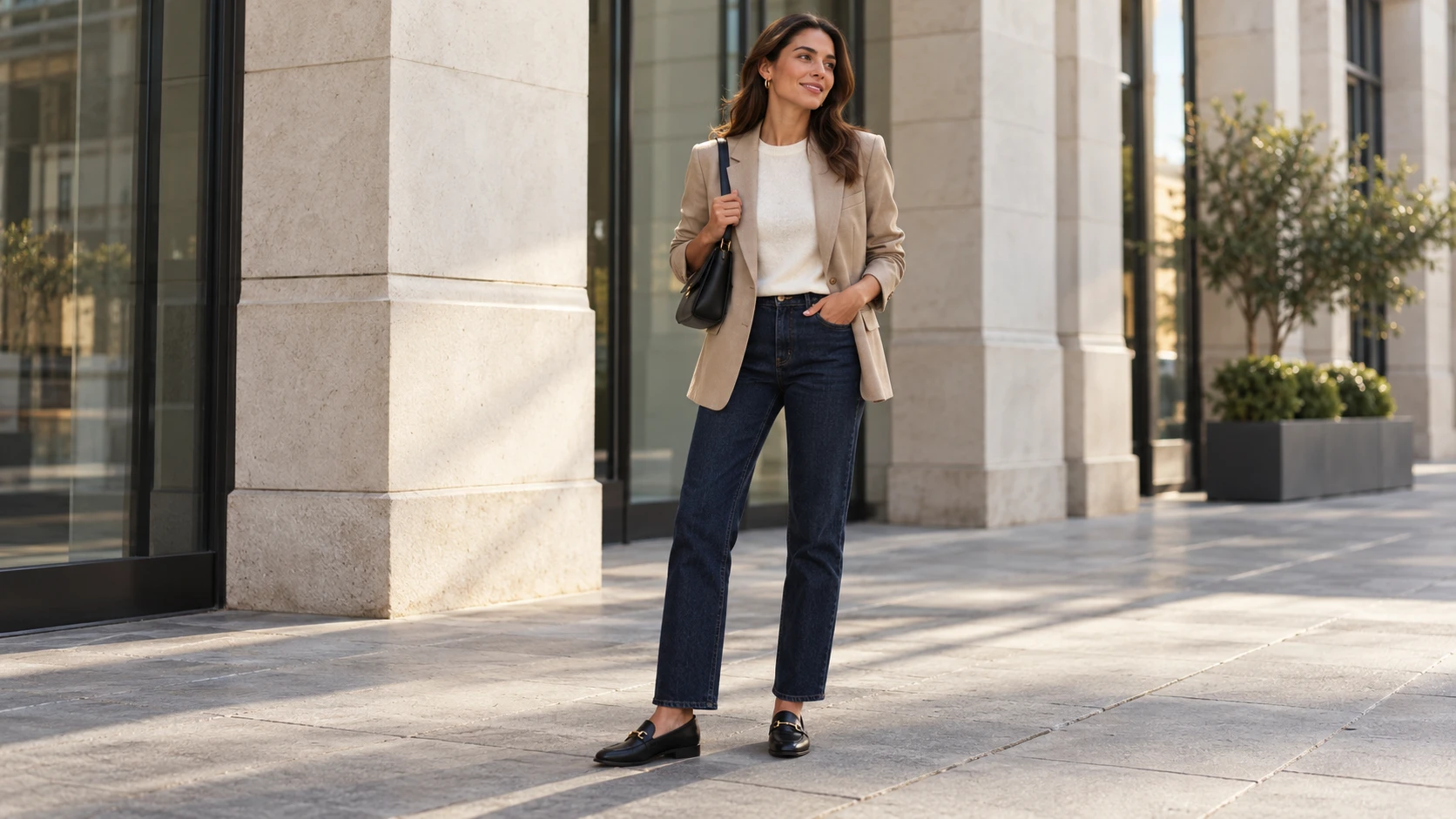
You’re choosing an outfit for a work lunch, a friend’s birthday dinner, or your first day at a new job. The dress code says “smart casual,” but what does that mean for the clothes in your wardrobe? Are jeans suitable? Can you wear sneakers?
Smart casual attire for women combines polished pieces with relaxed everyday clothing. Think tailored trousers with a simple knit, or dark jeans with a blouse and loafers. The aim is to look put-together while feeling comfortable. There is no single universal outfit — but there is a reliable method for building one.
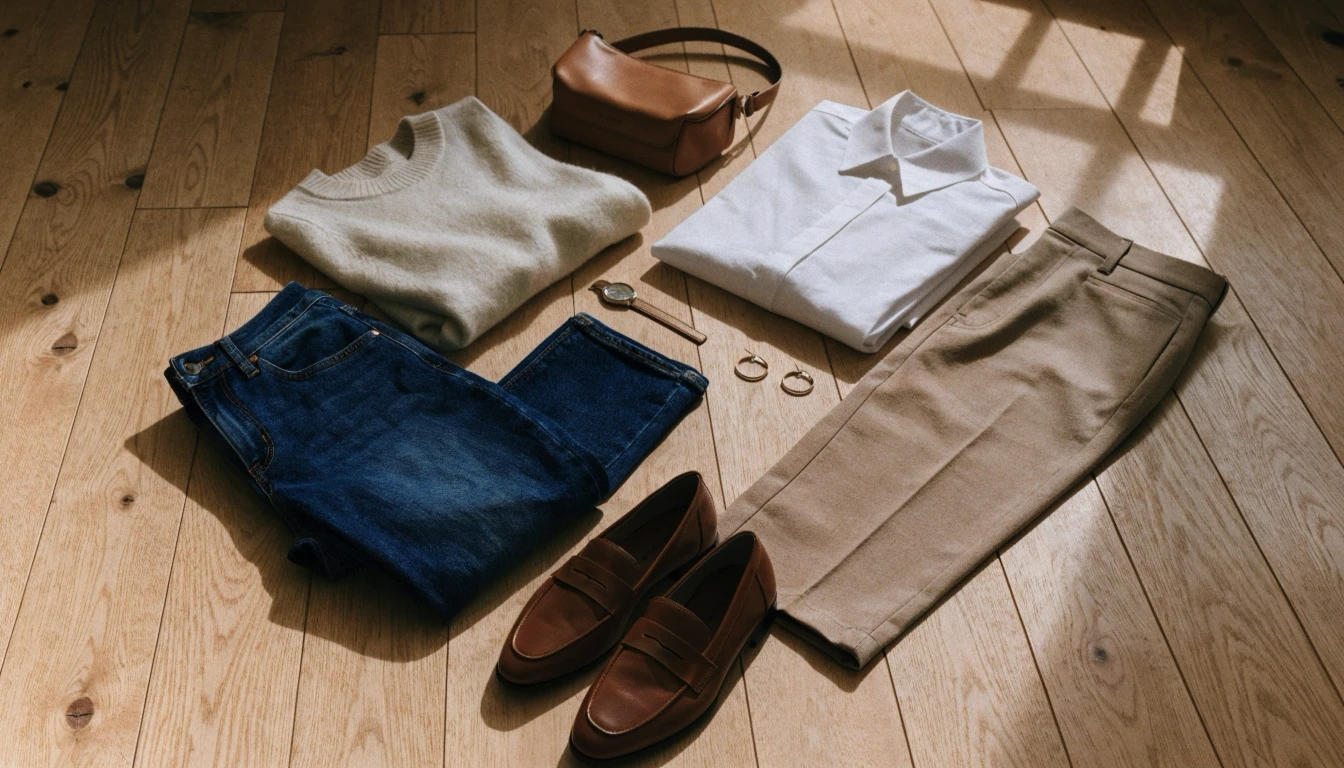
This guide explains how to judge common items, put together outfits for different occasions, and adjust them for fit and weather. You’ll also find ways to use clothes you already own and work out whether anything is missing.
What Does Smart Casual Mean for Women?
Smart casual is easiest to understand by looking at the whole outfit. A blazer does not automatically make a look appropriate, and jeans do not automatically rule it out. The combination, the condition of the clothes, and the setting all matter.
Smart casual gives you room to mix relaxed and dressier pieces. Business casual is shaped more directly by workplace expectations. The two often overlap, so the label alone may not tell you whether jeans, sneakers, or open-toe shoes are suitable.
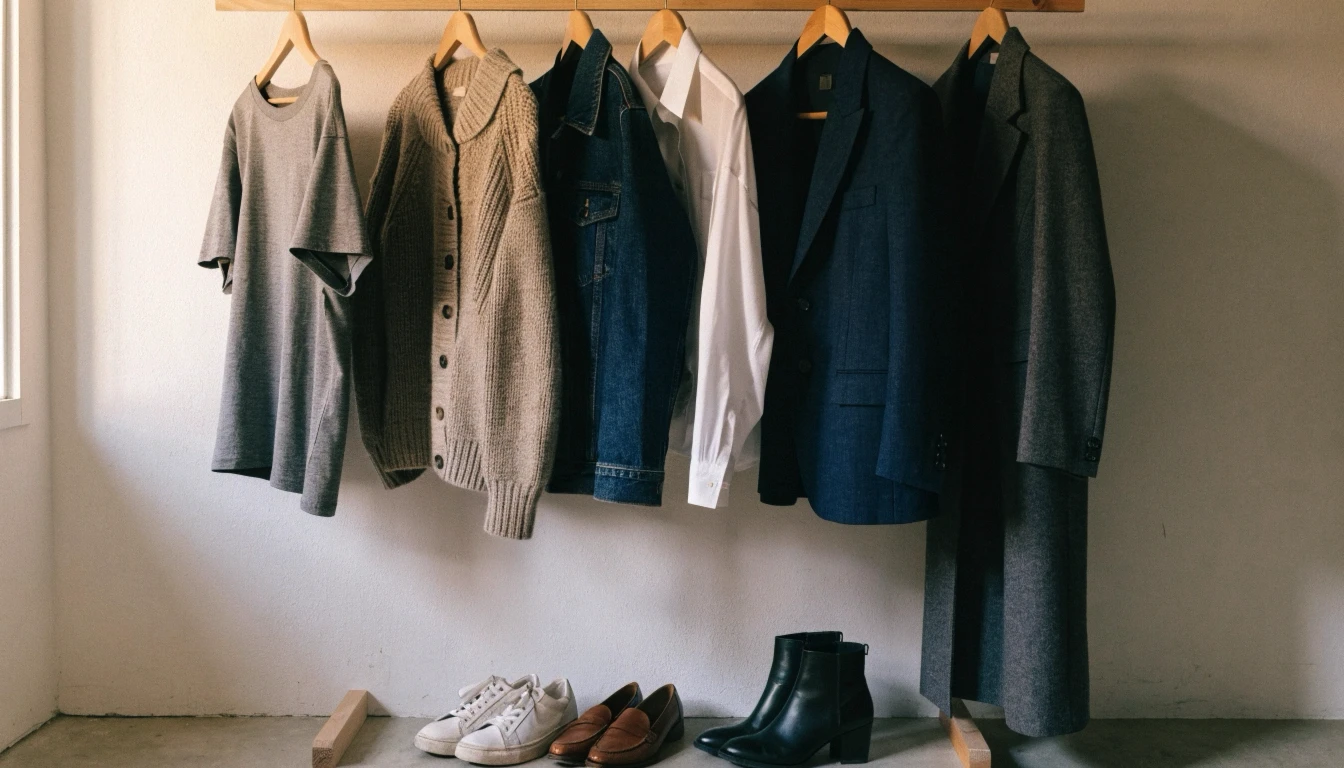
Use these examples as starting points rather than fixed rules:
| Dress Code | General Character | Example Outfit |
|---|---|---|
| Casual | Relaxed clothing for everyday activities | A T-shirt, jeans, and sneakers |
| Smart Casual | A considered mix of relaxed and polished pieces | Dark jeans, a blouse, and loafers |
| Business Casual | Clothing suited to a workplace without requiring a formal suit | Tailored trousers, a shirt, and smart flats |
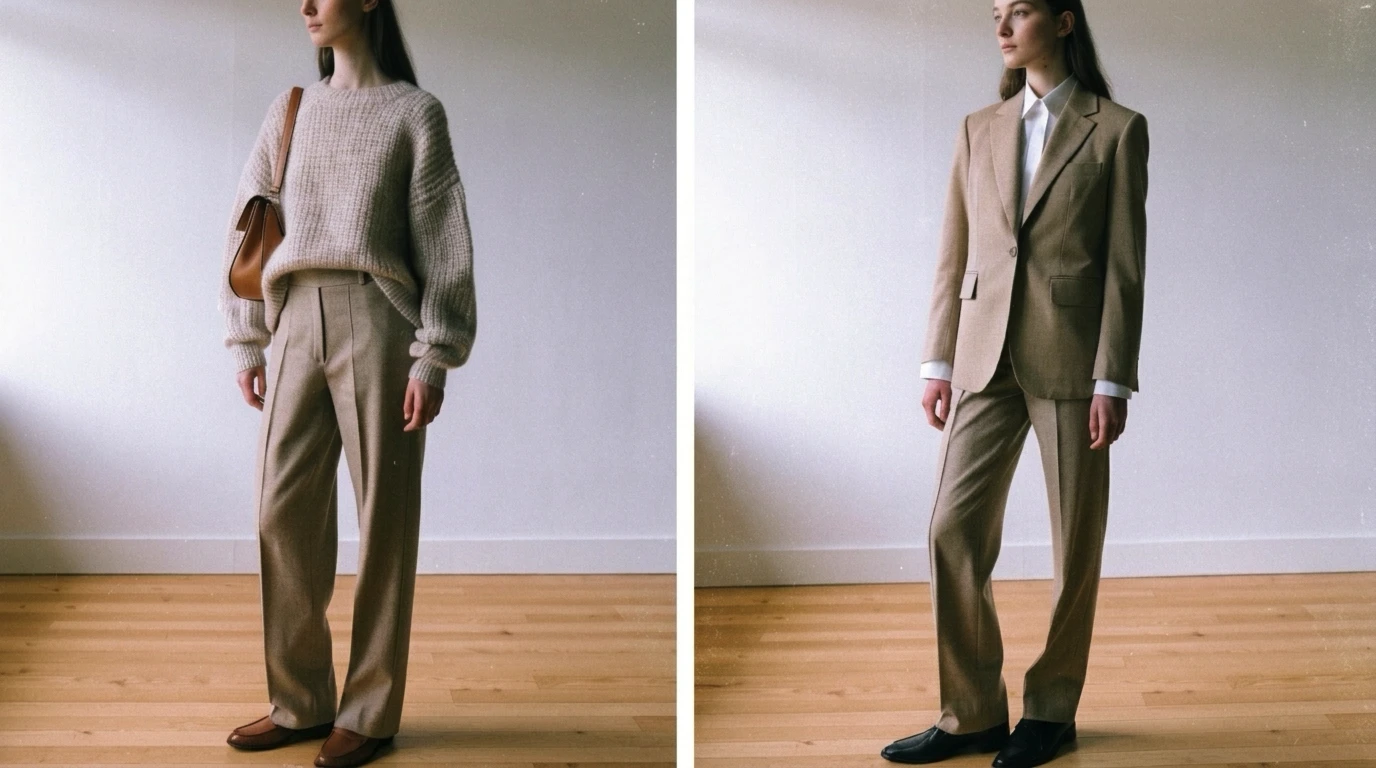
| Business Formal | A coordinated, formal professional look | A tailored trouser suit with a blouse and dress shoes |
Judge the Whole Outfit
Try starting with one item you already own. Tailored trousers worn with a relaxed knit and loafers can be a starting point for a smart casual lunch. Pairing those trousers with a matching jacket, crisp shirt, and dress shoes creates a more formal look.
Before leaving, ask: does the complete outfit suit the stated dress code, and will it work for what I’ll be doing? Use that check to decide whether to change your shoes, add a layer, or choose a different outfit.
Are Jeans, Sneakers and T-Shirts Smart Casual?
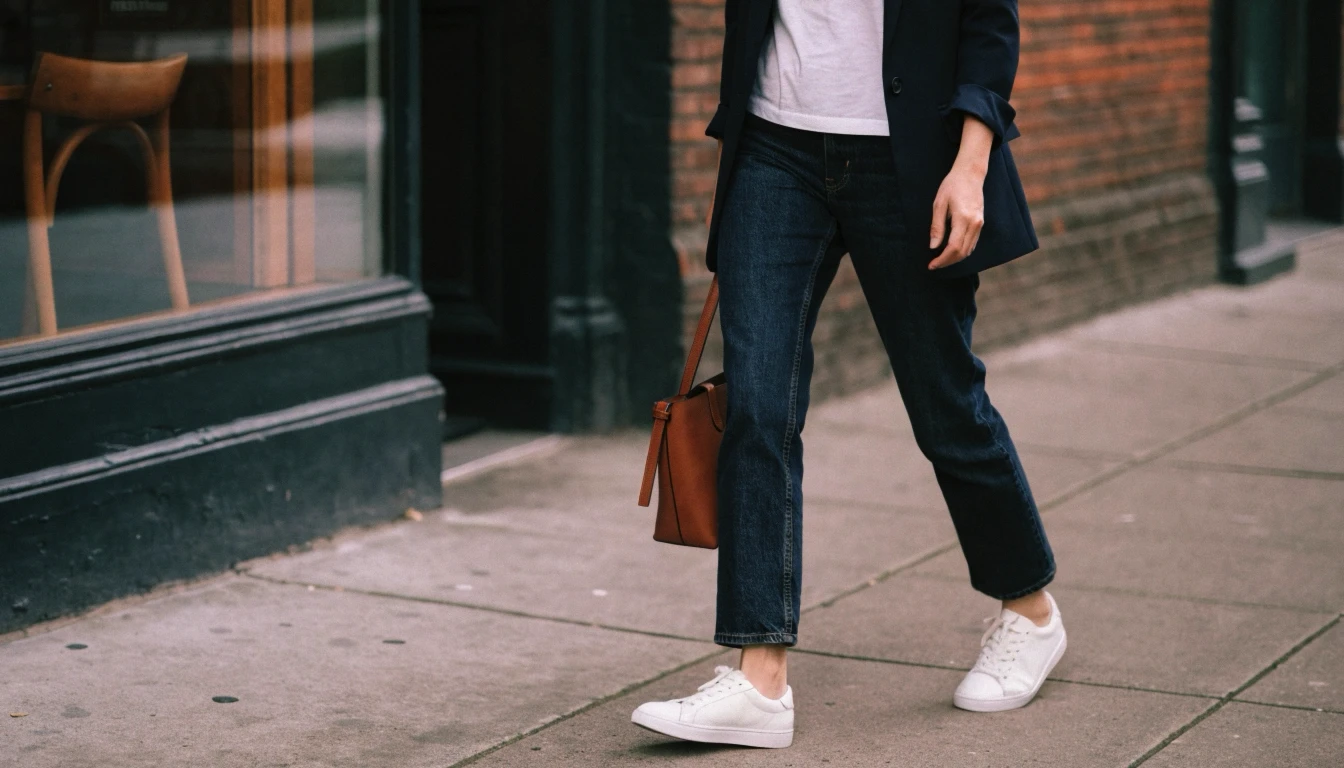
Yes—jeans, sneakers, and T-shirts can work for smart casual when the setting allows them. Check any stated dress requirements first, then consider the item’s condition, design, and how it works with the rest of your outfit. Adding a blazer does not override a venue’s no-denim or no-sneakers policy.
Here's a practical breakdown:
Jeans
If denim is permitted, dark or evenly coloured jeans without rips are a straightforward starting point. Straight-leg, wide-leg, and slim styles can all be options; choose a cut that feels comfortable and works with your top and shoes.
| Denim Option | What to Check | Styling Starting Point |
|---|---|---|
| Dark blue or black | Unwanted sagging, worn hems, and fit | A blouse or fine-knit top with loafers |
| White or cream | Stains and unwanted transparency | A shirt with flats or loafers |
| Light wash | Whether denim suits the setting | A tailored jacket and simple shoes |
| Ripped or heavily distressed | Whether the occasion welcomes a deliberately casual look | Choose an undistressed pair when unsure |
Check your jeans after sitting down as well as standing. Noticeable bagging at the knees or a hem that drags may affect the finish of the outfit, even when the colour looks suitable.
Sneakers
Where sneakers are allowed, a clean pair with a simple shape is an easy starting point. Neutral colours can make coordination simpler, but white leather is not a requirement.1
Running-shoe details, chunky soles, bright colours, and large logos create a stronger sporty or statement effect. Consider whether that suits the occasion rather than treating each feature as an automatic exclusion. If the dress guidance is unclear, ask the host or choose loafers or smart flats.
T-Shirts
A plain T-shirt can work with tailored trousers and loafers without needing a blazer.2 Look for a neckline that holds its shape, fabric with the coverage you want, and a fit that lets you move comfortably. For a closer look at your options, explore our guide to T-shirt fits and necklines.
A jacket is useful when you want a more structured finish, but it is optional unless the setting calls for it.
If a jeans–T-shirt–sneakers combination feels too relaxed for your plans, try changing one element: swap the jeans for tailored trousers, the T-shirt for a blouse, or the sneakers for loafers. Reassess the complete outfit before adding more.
Smart Casual Outfit Ideas for Work, Dinner and Social Events
This is where the framework pays off. Instead of generic outfit formulas, I'm going to walk through specific scenarios — the kind of real situations where people actually get stuck.
The best smart casual outfits start with the occasion, not the wardrobe. Before you open your closet, answer three questions: Where exactly are you going? Who else will be there? What are you expected to do?
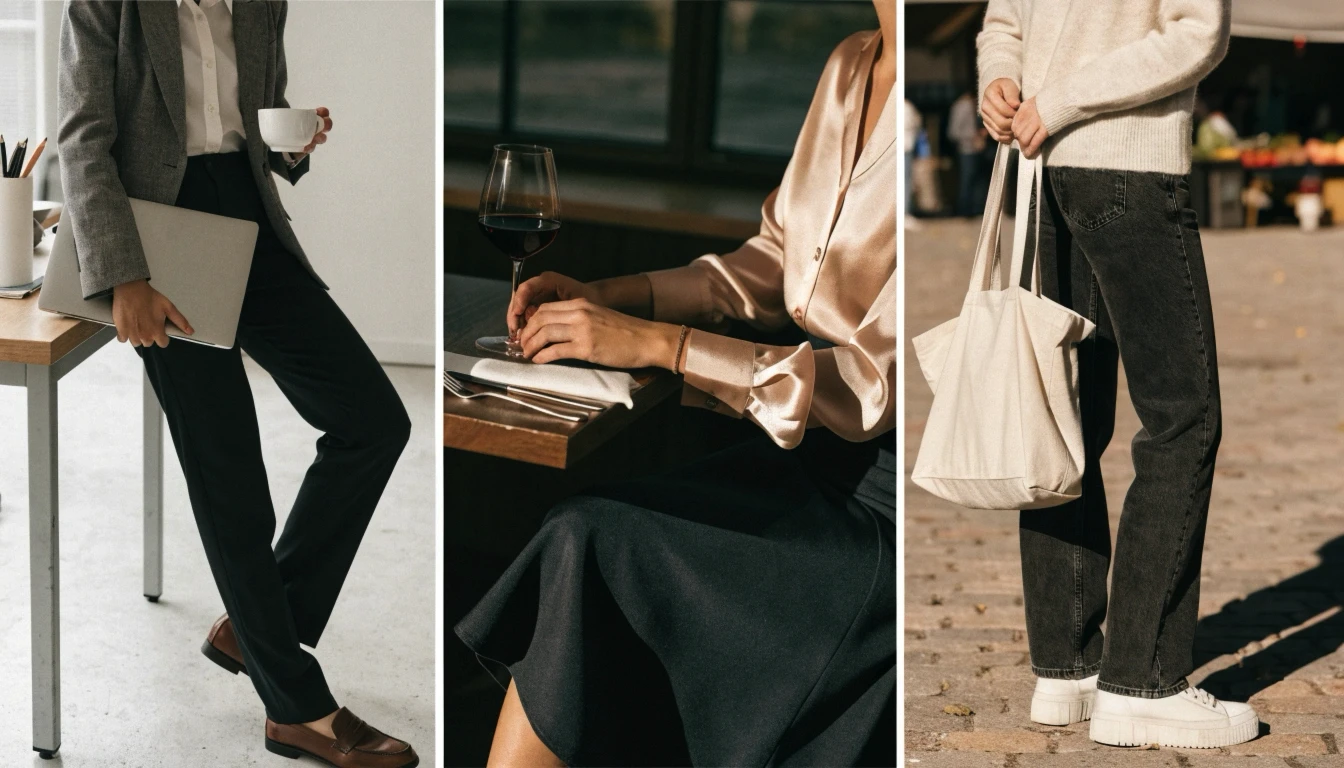
Scenario 1: Casual Creative Office — Daily Work
Suitable when: Your workplace allows jeans and sneakers, and you have no meetings with a different dress requirement.
Outfit logic: You need to be comfortable for a full day sitting and moving, but pulled-together enough that an unexpected client walk-through doesn't make you feel exposed.
- Dark straight-leg jeans or relaxed chino trousers
- A fitted ribbed long-sleeve or crew-neck top in a solid colour
- A clean blazer or structured overshirt draped on your chair (easy to put on fast)
- White leather sneakers or loafers
How to adjust it: For a meeting where you want a dressier look, try tailored trousers or loafers. If a client meeting has specific requirements, choose the complete outfit around those requirements before leaving home.
Scenario 2: Business Lunch with a Client — Midday
Suitable when: Smart casual is appropriate for both the meeting and the restaurant.
Outfit logic: You want to look credible and put-together without being overdressed for a casual venue. The risk here isn't being too formal — it's looking scattered.
- Tailored wide-leg trousers or a midi skirt in a neutral
- A blouse or structured knit top — something with a defined neckline
- Pointed-toe flats or a low block heel
- A structured tote or shoulder bag
How to adjust it: Add a jacket if the meeting calls for a more formal finish. Before leaving, check the outfit while seated: does the waistband feel comfortable, and does the top stay in place when you reach forward?
Scenario 3: Casual Evening Dinner with Friends — Weekend
Setting: Neighbourhood restaurant or wine bar, friends from different walks of life, relaxed atmosphere but not a dive bar.
Outfit logic: This is where smart casual gives you the most flexibility. You're not under professional scrutiny, but you probably want to feel put-together.
- A relaxed knit or linen co-ord set — matching top and trousers
- Clean white or neutral sneakers, or mules
- Minimal jewellery, one statement piece if you want it
The "split wardrobe" trap: This scenario is where I see the most outfit failures. Someone wears a polished silk blouse with worn-out jeans and scuffed sneakers, and the outfit looks like two separate people dressed you. The solution is a through-line: pick one element — colour, fabric weight, or silhouette — and make sure both halves of your outfit share it.
Scenario 4: Smart Casual Social Event — Gallery Opening, Work Party
Setting: Indoor event, standing and networking, mixed crowd, some colleagues, some new people.
Outfit logic: You need to move freely, stand for two hours, and make a visible effort. This is the occasion where smart casual tips closest to smart.
- A midi wrap dress or structured shirt dress
- A blazer or tailored jacket over it
- Block heel mules or ankle boots
- A clutch or small crossbody — not a work tote
How to adjust it: If you expect prolonged standing or walking, choose shoes you have worn comfortably before. Check that the dress stays comfortable and provides your preferred coverage when sitting, reaching, and moving.
How to Check Fit, Length and Proportion
Fit affects how comfortable an outfit feels and how neatly it sits. Before changing the whole look, check whether a waistband, sleeve, or hem needs attention.
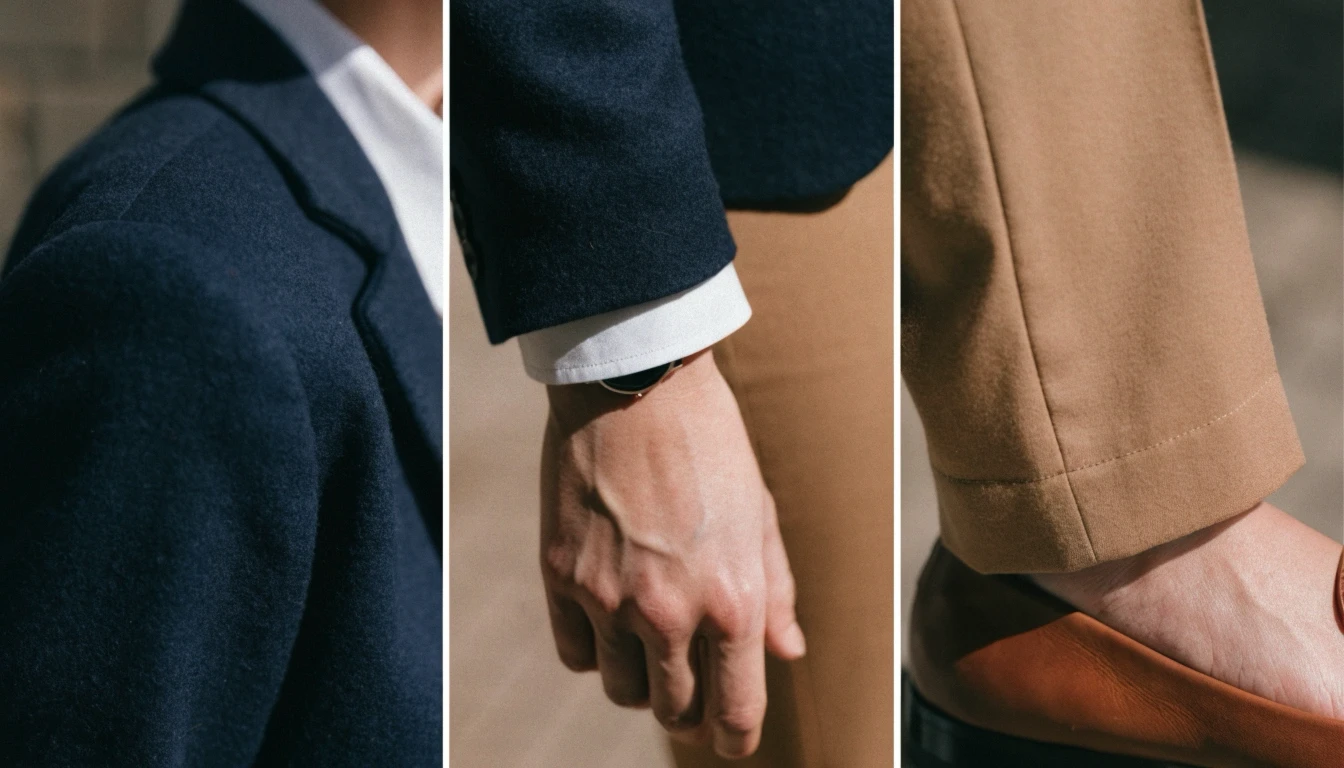
Smart casual fit checks: shoulders should sit at the edge of your shoulder bone, not drop below. Trouser hems should graze the top of your foot. Blazer sleeves should show 1–2cm of your inner layer's cuff. Nothing should pull, bunch, or create horizontal stress lines across the body.
A quick self-check before you leave the house
Use a full-length mirror and wear the shoes you plan to pair with the outfit. Then sit down, reach forward, and walk a few steps.
- Shoulders: On a conventional set-in-shoulder jacket, check how the seam sits around your shoulder. For dropped-shoulder or oversized designs, focus on comfortable movement and how the garment hangs.
- Chest and torso: Check for persistent pulling or unintended gaps between buttons. Try another size or a different cut; compare the fit elsewhere before deciding.
- Waist and hips: Sit down and check for digging, restricted movement, or strain at fastenings. Stretch fabric can expand as you move without indicating a fit problem.
- Trouser hems: Check the length with your chosen shoes. Cropped, tapered, and full-length trousers need different treatment; look for unwanted dragging or bunching.
- Sleeve: Check that cuffs do not interfere with what you need to do. Consider the intended sleeve shape, including cropped lengths or deliberate fullness.
An Easy Starting Point for Proportion
If you’re unsure where to start, try balancing a looser piece with a closer-fitting one: wide-leg trousers with a fitted knit, or an oversized blazer with straighter trousers.
Treat this as an option, not a rule. A relaxed top and wide-leg trousers can also work together. Try a tuck, a shorter top, or a different jacket length if you want to adjust the balance, and choose the version that feels comfortable and suits your style.
How to Stay Comfortable in Hot, Cold and Changeable Weather
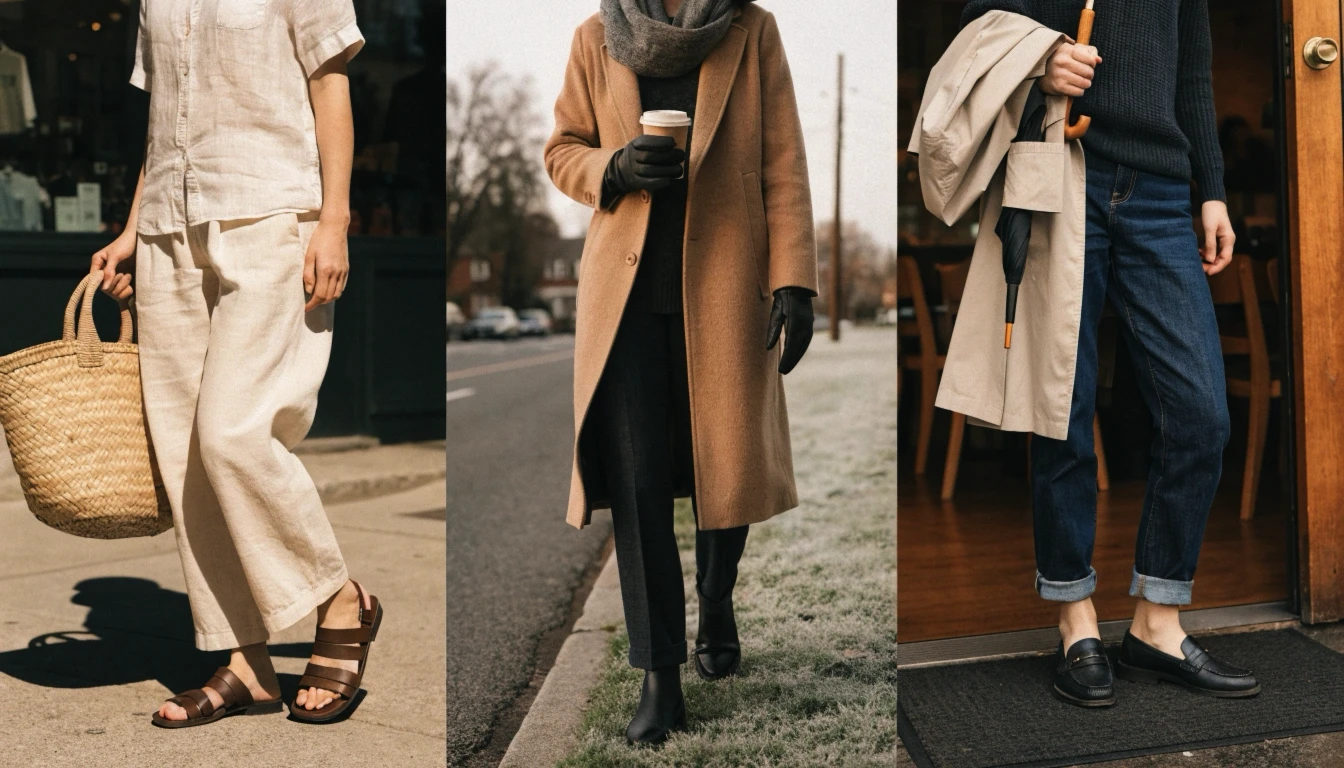
Plan for the temperatures and activities you expect throughout the day, including the journey and time spent indoors. Build a comfortable outfit for your destination, then add or remove layers as needed. Check how the combination looks and feels with your outerwear off; every individual layer does not need to look dressy on its own.
Hot weather
Choose clothes that feel comfortable in the heat and provide the coverage you want. Fabric names alone are not enough to judge suitability: check the actual garment’s weight, fit, and transparency. If you’re comparing fabric labels, our guide to viscose vs cotton explains differences in feel, drape, and care. A lightweight shirt with relaxed trousers is one option. A sleeveless top can also work where the dress code permits it, without needing a blazer over it.
Practical tips:
- Try linen or lightweight cotton trousers if your usual jeans feel too warm.
- Check lightweight tops and dresses in daylight for unwanted transparency.
- Choose footwear suited to the venue and your walking plans; confirm any restrictions on open-toe or open-back styles.
- Bring a light layer if you expect a cooler indoor space.
Cold weather
Use layers that fit comfortably together. One possible combination is:
Base layer: A comfortable long-sleeve top or fine-knit turtleneck.
Mid layer: A cardigan or blazer with room for the layer underneath.
Outer layer: A coat appropriate for the weather.
Try the layers together before leaving. Check that you can move your arms and fasten your coat comfortably. Base layers can stay hidden, and you can adjust the number of layers to suit the conditions.
Changeable Weather and Commuting
Plan around the combination you expect to wear indoors. If you remove your coat and scarf on arrival, check that the remaining outfit suits the setting. For example, tailored trousers, a simple knit, and loafers can form your indoor outfit, with outerwear added for the journey. If your commute requires different shoes, consider whether changing at your destination is practical.
How to Build Smart Casual Outfits from Clothes You Already Own
The most sustainable smart casual wardrobe isn't a new one — it's the one you already have, recombined with a small number of strategic additions.
Start by sorting your existing clothes into three groups: structured pieces (blazers, tailored trousers, button-ups), neutral basics (plain T-shirts, fitted knits, simple skirts), and statement or casual pieces (graphic tees, distressed jeans, loungewear). Smart casual outfits are almost always built by combining one item from group one, one from group two, and occasionally one from group three — with the group-one piece doing the anchoring work.
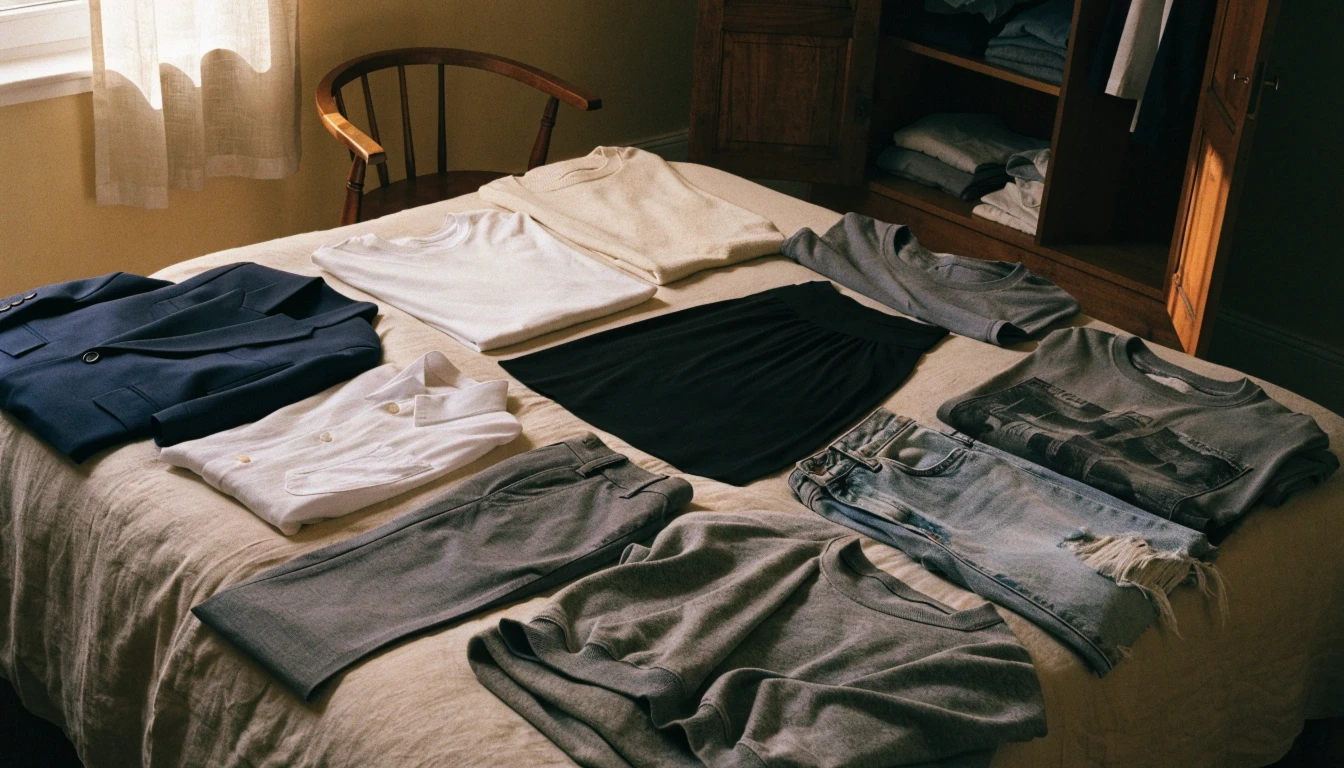
If you’re unsure how to distinguish shirts, knits, jackets, and coats, our guide to common types of clothing explains the main categories.
Step 1: Pull out every structured piece you own
Blazers, fitted jackets, tailored trousers, midi skirts, button-up shirts, structured knitwear. These are your anchors. Lay them out.
Step 2: Identify what each anchor can pair with
Take each anchor piece and ask: what do I already own that fits well and is in good condition that could go under or around this? You're looking for pairings that share at least one of the following:
- Colour: Tonal or matching
- Fabric weight: Both light or both substantial
- Silhouette: One fitted, one relaxed
Step 3: Identify any gaps worth filling
After running the combinations exercise, you'll usually find the same category is missing repeatedly. Common gaps:
| Missing Piece | Why It Matters |
|---|---|
| A clean, structured blazer in a neutral | Anchors almost any casual piece instantly |
| Dark-wash straight-leg jeans in good condition | Pairs up or down across most smart casual occasions |
| Low-profile leather or leather-look sneakers | Bridges the sneaker-to-smart gap without buying heels |
| A midi-length skirt in a solid or subtle pattern | Easy to dress up or down depending on top and shoe |
| A structured shoulder bag | Elevates any outfit immediately; does work the clothes can't |
Resist buying more than two or three items at once. One well-fitting anchor piece changes more outfits than five new casuals.3 The goal isn't a new wardrobe — it's having three to five working smart casual combinations that you can pull together in under ten minutes.
Conclusion
Smart casual becomes easier when you start with the occasion and work with clothes you already own. Check any dress requirements, choose a combination that feels comfortable, and assess the whole outfit—including your shoes. Before leaving, sit down, move around, and check how it works without your outer layer. If something feels too casual or too formal, try changing one piece and reassess. Keep track of combinations that work for your routine, so the next smart casual invitation feels easier to dress for.
Frequently Asked Questions
What should I wear if I’m unsure about a smart casual dress code?
Start with tailored trousers, a blouse or simple knit, and loafers or smart flats. This gives you a practical option without relying on jeans or sneakers being accepted. Add a cardigan or jacket if needed. Check the invitation or venue guidance for specific restrictions; for a new workplace, ask your contact for an example of an appropriate outfit.
Can women wear jeans and sneakers for smart casual?
Yes, when the workplace or venue permits them. Try well-kept jeans without rips, clean sneakers, and a blouse or neat knit. Acceptance varies, so a smart casual label does not guarantee that both items are allowed. If you cannot confirm the requirements, tailored trousers and loafers are an alternative. Adding a blazer does not override a no-denim or no-sneakers policy.
Do I need a blazer or high heels for smart casual?
No. A blouse with tailored trousers and loafers, or a dress with ballet flats, can create a smart casual outfit without either. Choose shoes that suit your walking and standing plans. A blazer is an optional layer unless specifically required; you do not need to buy one simply to follow this dress code.
What should I avoid wearing for smart casual?
Start with anything the workplace or venue explicitly prohibits. When guidance is limited, choose alternatives to gym leggings, tracksuits, beach flip-flops, or heavily ripped denim. These are cautious starting points, not universal bans. Check the condition of your clothes and shoes, too: stains, unwanted tears, or dirty footwear are separate issues that adding a dressier accessory will not resolve.
"The Dress Code Dictionary: A Comprehensive Guide". Neutral sneakers, including but not limited to white leather, are often suitable for smart casual outfits due to their versatility. Supports: The source should confirm that neutral sneakers are versatile for smart casual attire and that white leather is optional. ↩
"The Ultimate Guide to Workplace Dress Codes | Articles". Plain T-shirts can be incorporated into smart casual outfits when paired with tailored trousers and polished shoes. Supports: The source should confirm that plain T-shirts can be styled for smart casual attire with tailored pieces. Scope note: The acceptability of T-shirts may depend on the specific setting or event. ↩
"Smart Casual Dress Code for Women: 5 Outfits to Copy". A well-fitting anchor piece can elevate multiple outfits, making it a key component of a versatile wardrobe. Supports: The source should confirm that a well-fitting anchor piece can significantly enhance the versatility of a wardrobe. ↩