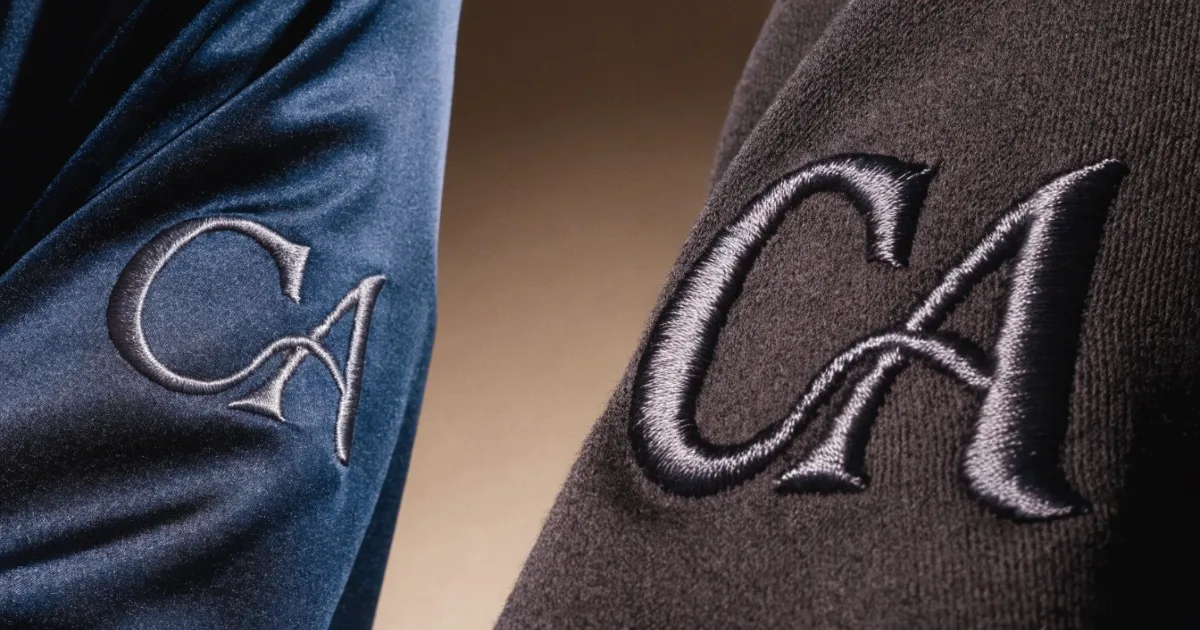
Choosing the right embroidery style can feel overwhelming, especially when weighing flat embroidery against 3D puff embroidery for your logo. While 3D puff often appears more premium, the right choice depends heavily on your fabric, logo design, and overall branding goals. Let's break this down and help you avoid costly mistakes.
Flat embroidery is best for intricate, highly detailed logos, and works well on most fabrics. 3D puff embroidery adds a bold, raised effect to simple designs but is less suitable for complex or delicate logos. The right choice depends on your design, target application, and garment type.
Understanding the core differences between flat and 3D puff embroidery is essential for matching the best option to your design. Let's dive deeper into each method, explore their best uses, and guide you through expert-level decision-making.
Flat Embroidery vs 3D Puff Embroidery: Quick Comparison
Should you choose flat or 3D puff embroidery for your logo? That depends on your objectives. Let’s quickly compare the two:
| Aspect | Flat Embroidery | 3D Puff Embroidery |
|---|---|---|
| Appearance | Smooth, thread lies flat on fabric | Raised, three-dimensional texture |
| Detail | Ideal for intricate details | Best for bold, simple designs |
| Durability | Highly durable and versatile | Durable but more delicate |
| Material Suitability | Works on almost all fabrics | Requires thicker/stiff materials |
| Cost | Generally more affordable | Higher cost due to foam material |
What Is Flat Embroidery?
Flat embroidery is the most common embroidery technique, where stitches are sewn directly onto a fabric surface, creating a smooth, even design.
This method produces a flat, polished image with high levels of detail, making it perfect for intricate logos or designs.
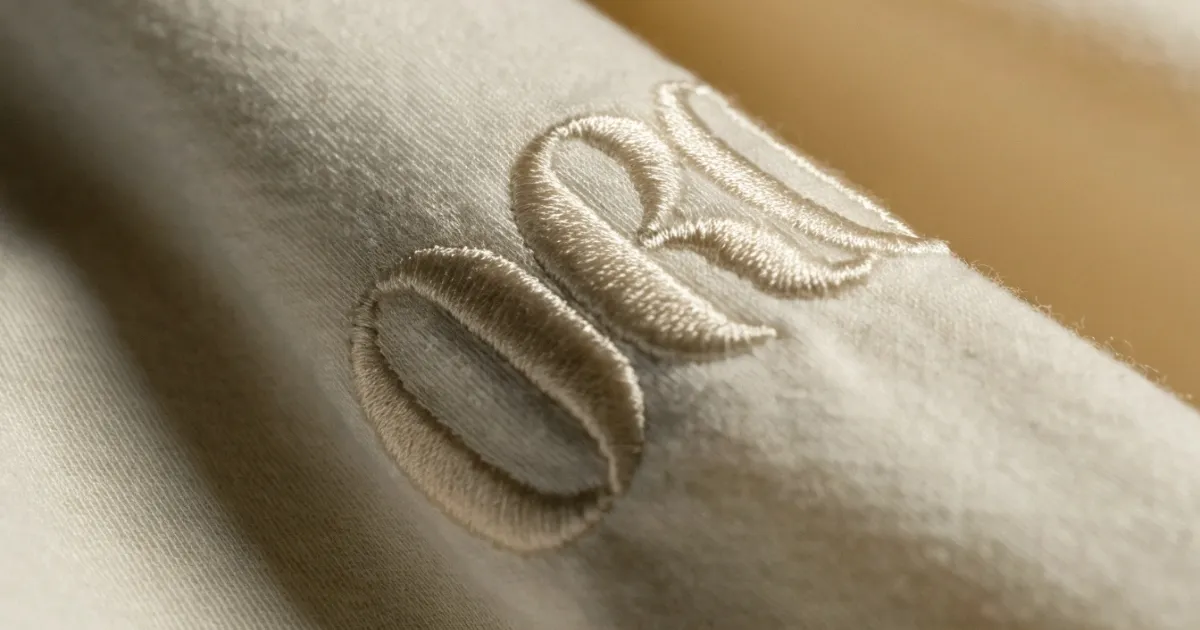
Flat embroidery works on nearly all fabric types, from lightweight cotton to stretchy blends, making it versatile for everything from t-shirts to activewear. Its durability ensures logos hold up through repeated washing and wear.
In one sample project, a small left-chest logo included fine lettering and narrow internal gaps. We used flat embroidery because 3D puff would have reduced legibility at that finished size.
What Is 3D Puff Embroidery?
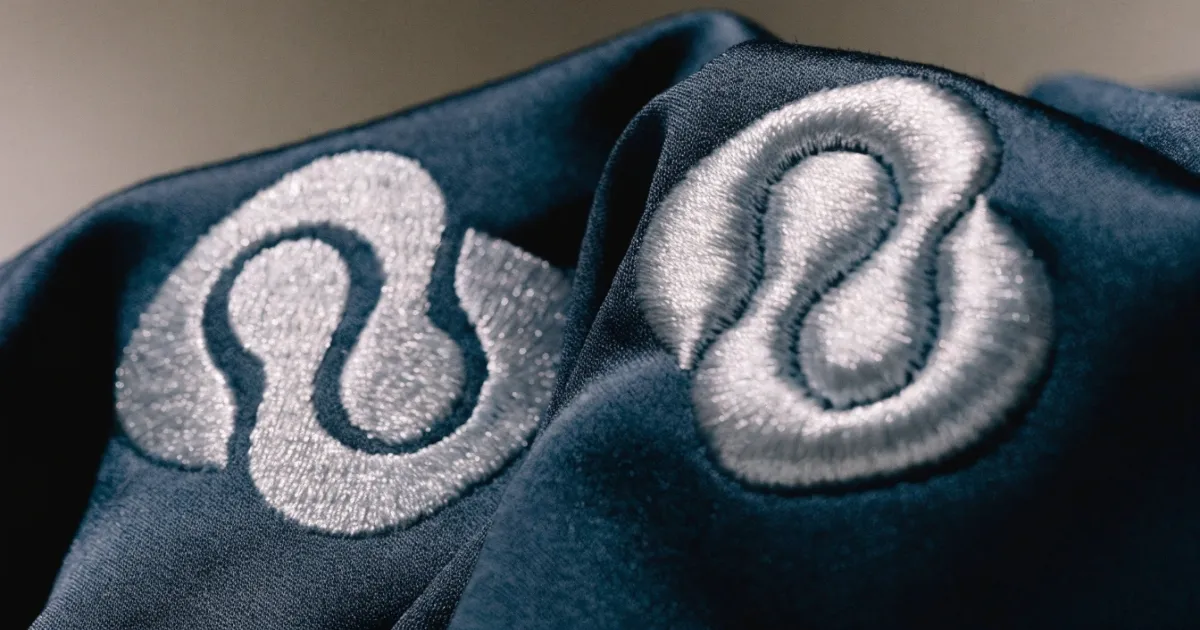
3D puff embroidery uses a foam layer beneath stitched threads to create raised, three-dimensional designs that "pop" off the fabric.
This style feels bold and premium, but the raised effect works best for simple, blocky designs with minimal text or detail.
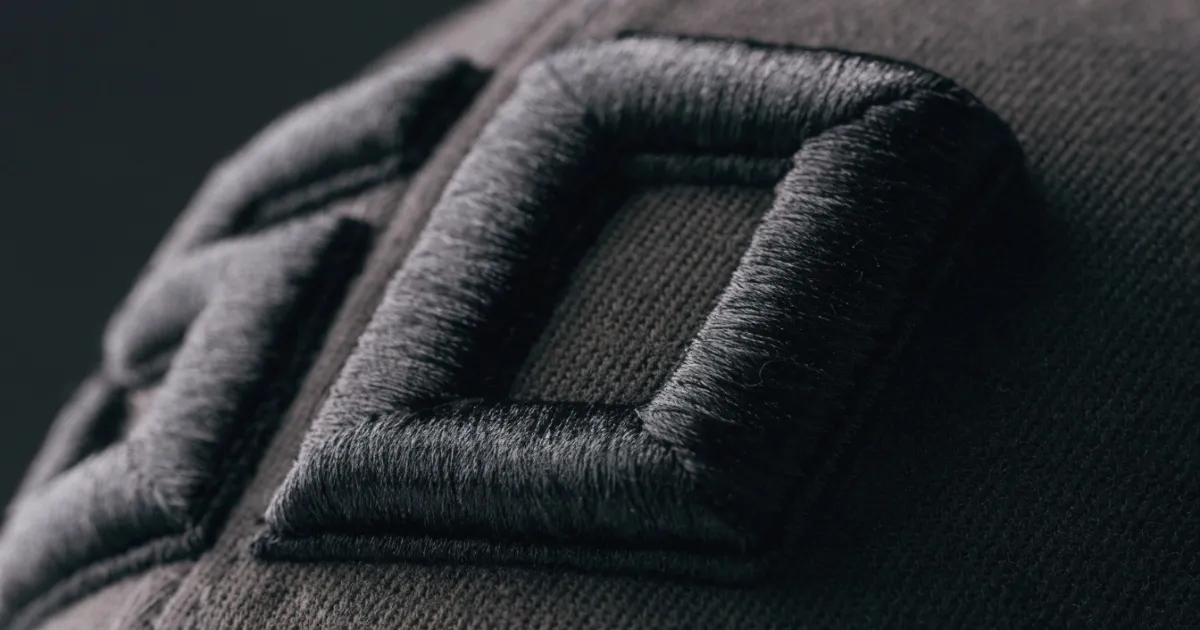
While striking, 3D puff embroidery has its limits. For example, on lightweight or stretchy materials, the foam might not hold its shape well over time. Larger letters and simple shapes, however, thrive with this method, as seen in sports and streetwear branding.
Key Differences Between Flat and 3D Puff Embroidery
Now that you know the basics, let’s dive into the main differences to better understand which style suits your logo best.
Appearance and Texture
Flat embroidery provides a polished and smooth look, suitable for more subtle, professional designs. In contrast, 3D puff offers a bold, tactile finish that can make logos stand out. The raised texture of 3D puff works well for impactful branding, such as caps or hoodies.
Logo Detail and Minimum Size
Flat embroidery excels at rendering intricate logo designs and small text. However, the foam used in 3D puff embroidery limits the minimum size of letters and details, making it unsuitable for delicate or complex logos.
Suitable Fabrics and Garments
Flat embroidery can be applied to virtually any fabric, from lightweight cotton to stretchy workout gear. On the other hand, 3D puff embroidery requires thicker fabrics—such as twill or canvas—to hold the foam beneath the stitching in place.
Cost and Production Time
Flat embroidery tends to be more cost-effective. 3D puff embroidery involves additional materials (foam) and steps, making it pricier and more time-consuming.
Durability and Washing
Flat embroidery is highly durable and less prone to damage during washing. In contrast, 3D puff’s raised surface can flatten over time, especially if not cared for correctly.
Digitizing Requirements
Both styles require digitizing—a process that transforms your logo into a format the embroidery machine can use. However, 3D puff digitizing is more complex and expensive, as designs need to be adjusted to accommodate the foam.
Which Embroidery Is Better for Your Logo?
Choosing between flat and 3D puff embroidery depends on your logo's details, the intended look, and your fabric selection. Here’s how to decide:
Choose Flat Embroidery If...
- Your logo includes intricate details or small text.
- You need a versatile option that works across various garments and fabrics.
- Durability and cost are key considerations.
Choose 3D Puff Embroidery If...
- Your logo is bold, simple, and includes large letters or shapes.
- You’re aiming for a premium, attention-grabbing look.
- The fabric is thick or sturdy enough to support the foam and stitches.
When to Combine Flat and 3D Puff Embroidery
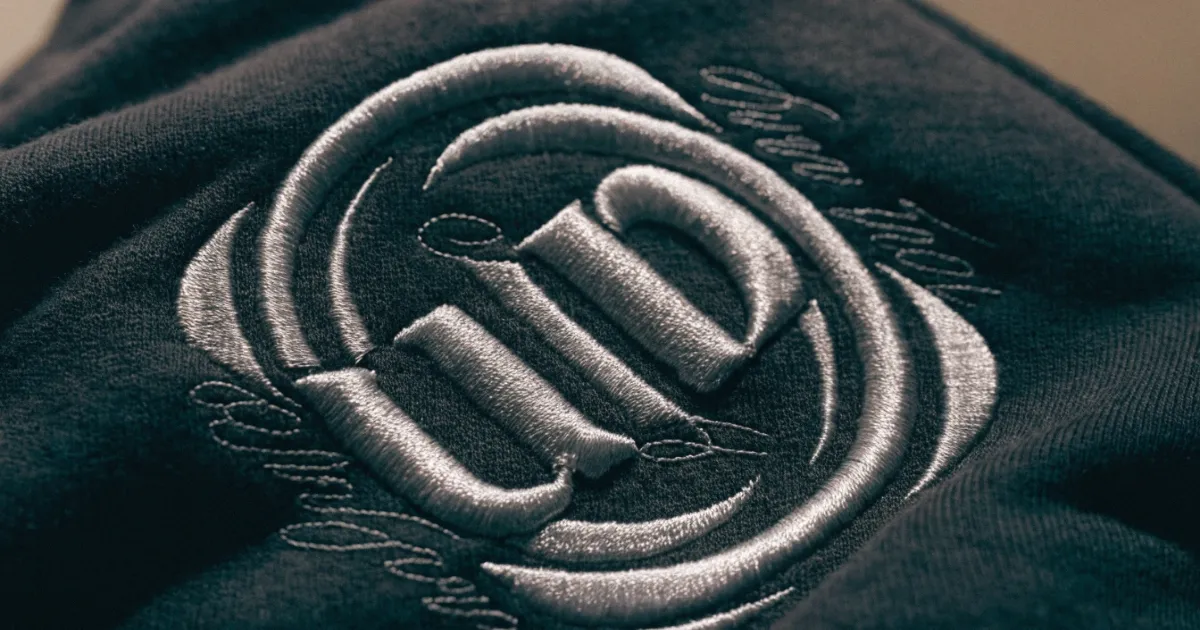
For complex designs, combining both styles can create a unique look. For instance, use flat embroidery for detailed parts of the logo and add 3D puff to highlight bold elements like initials or a central icon.
Can Your Logo Be Made in 3D Puff Embroidery?
A logo is usually suitable for 3D puff embroidery when its main shapes are bold, open, and easy to recognize without fine internal detail. Small text, thin strokes, narrow gaps, sharp corners, and closely spaced elements should normally stay flat.
Before sampling, your manufacturer should review the artwork at the final embroidery size—not only on a large screen. A logo that looks clear at 20 cm wide may lose definition when reduced to a 7–9 cm chest logo.
Ask your supplier to confirm:
- Finished embroidery width and height
- Whether small text needs to be removed or enlarged
- Which parts should use 3D puff and which should remain flat
- Whether the selected garment needs stabilizer or backing
- Whether the logo crosses a cap seam, pocket edge, zipper, or thick garment seam
- Whether a new digitizing file is required for 3D puff
Best Embroidery Choice for Different Garments
Your garment type significantly influences the embroidery type you choose. Here’s a breakdown by popular categories:
T-Shirts
- Best option: Flat embroidery.
- Stretchy t-shirt fabrics don’t hold 3D puff foam well, making flat embroidery the superior pick. However, it should be noted that embroidery on light knitted fabrics may cause local stiffness, sagging or wrinkles; flat embroidery also requires controlling the number of stitches and the backing.
Hoodies and Sweatshirts
- Best option: Flat or 3D puff.
- Heavier fabrics in hoodies can support both styles. Use 3D puff for bold logos, flat embroidery for more complex designs.
Polo Shirts
- Best option: Flat embroidery.
- Polo shirt fabrics often have textures like pique knit, which aren’t ideal for 3D puff designs.
Jackets
- Best option: 3D puff embroidery.
- Jackets, especially those with sturdy fabrics like denim or bomber styles, pair great with 3D puff for a bold, standout logo.
Caps and Hats
- Best option: 3D puff embroidery.
- Caps are one of the most common applications for 3D puff, as their structured crown holds the foam well.
Stretch Activewear
- Best option: Flat embroidery.
- Stretchy activewear fabrics can’t evenly support the foam in 3D puff, so flat embroidery is a better choice.
Common 3D Puff Embroidery Problems
While visually dramatic, 3D puff embroidery comes with unique challenges:
- Foam distortion: If the foam layer shifts during stitching, your design may look uneven.
- Flattening during washing: Without proper care, the raised effect can lose its puffiness over time.
- Limited detail: Smaller logos and intricate designs often lose clarity when applied in 3D puff.
We once worked with a streetwear brand that chose 3D puff for a detailed emblem but found the finished result too cluttered. After switching to flat embroidery for the fine details, the logo became much clearer and aligned with their aesthetic.
What Clothing Brands Should Check During Sampling
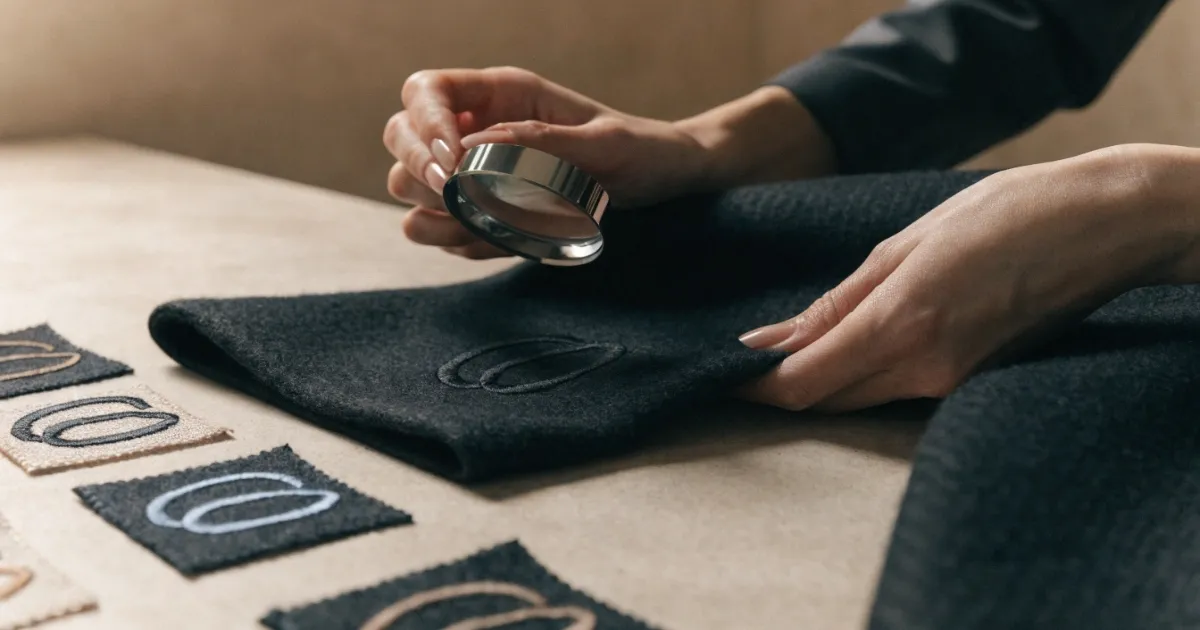
Sampling is critical for avoiding production issues. Here’s what to focus on when testing embroidery styles:
- Verify proportions: Ensure elements of your logo aren’t distorted or crowded.
- Check color accuracy: Confirm thread colors match your brand guidelines.
- Test durability: Wash and wear samples to see how they hold up over time.
- Inspect fabric impact: Look for puckering or sagging, especially in stretchy garments.
What to Include in an Embroidery Tech Pack
For accurate sampling and quotation, include:
- Artwork file in AI, PDF, SVG, or high-resolution PNG
- Embroidery type: flat, 3D puff, or mixed
- Placement and finished logo dimensions
- Thread colors or Pantone references
- Garment fabric and color
- Whether backing should be covered inside the garment
- A note confirming that the manufacturer should review digitizing feasibility before sampling
Final Recommendation
Flat embroidery and 3D puff embroidery offer distinct advantages depending on your logo design, fabric, and branding needs. Flat embroidery is ideal for detailed designs, while 3D puff works best for bold, simple logos on structured fabrics.
When in doubt, order a sample or consult with a professional manufacturer to evaluate the results. With our 20+ years of knitwear manufacturing experience, we've helped countless brands nail their embroidery choices, from streetwear logos to corporate apparel. Get in touch today, and let us help you bring your logo to life!