
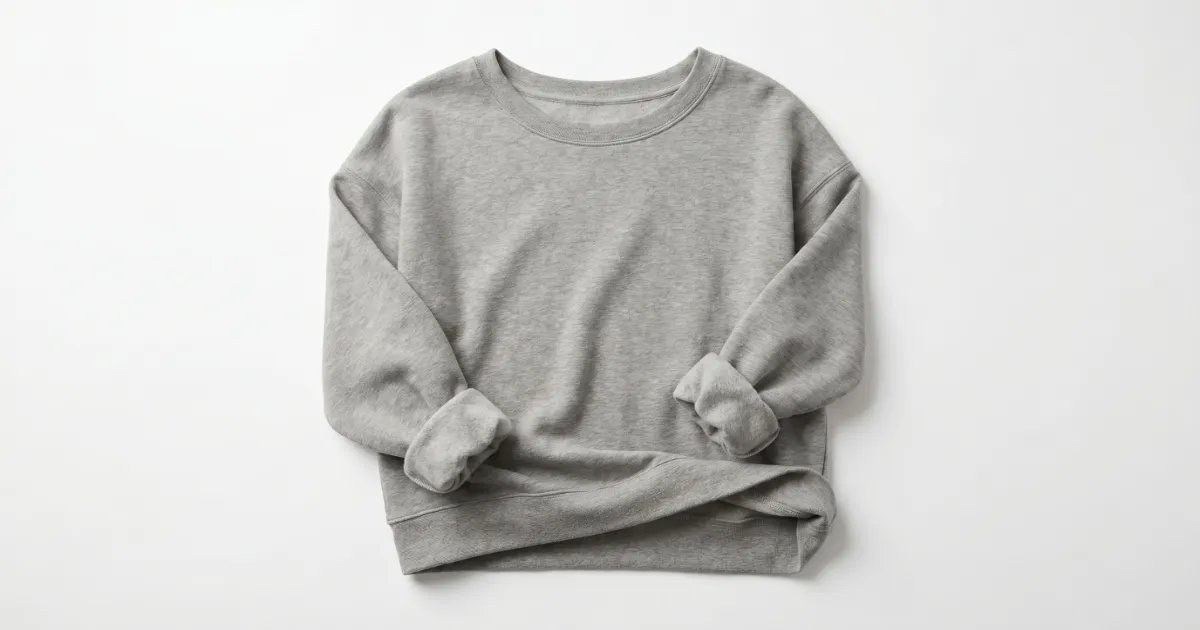
A lot of brands come to us asking for a "premium sweatshirt." They want something that feels different. Air layer comes up fast.
An air layer sweatshirt uses a three-layer knit structure with a hollow middle section. This gives the fabric a fuller, more structured body than standard single-layer knits. It can work well for clean, modern silhouettes, but it is not automatically warmer or more premium than fleece or French terry. The right call depends on your fit target, season, and price point.
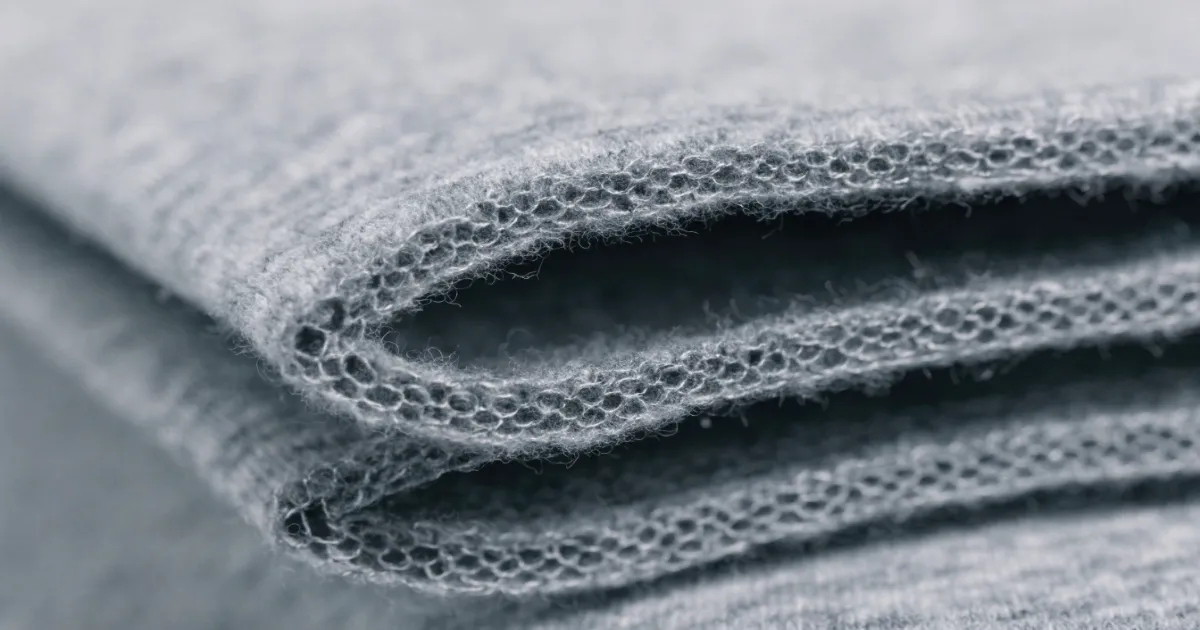
We have worked with air layer fabric on and off for years across different sweatshirt styles. What I want to share here is not a fabric encyclopedia. It is what we actually check before recommending this fabric to a brand, and what brands should think through before committing to a sample or a bulk order.
What Is an Air Layer Sweatshirt?
Most brands hear "air layer" and assume it means insulated, breathable, or technical. That assumption leads to problems later.
An air layer fabric is a knit construction with two outer layers bonded or knitted around a middle gap or mesh layer. The trapped air in the middle adds body and structure to the fabric without adding heavy weight. The result is a fabric that feels thicker than it looks and holds its shape better than a single-layer knit.
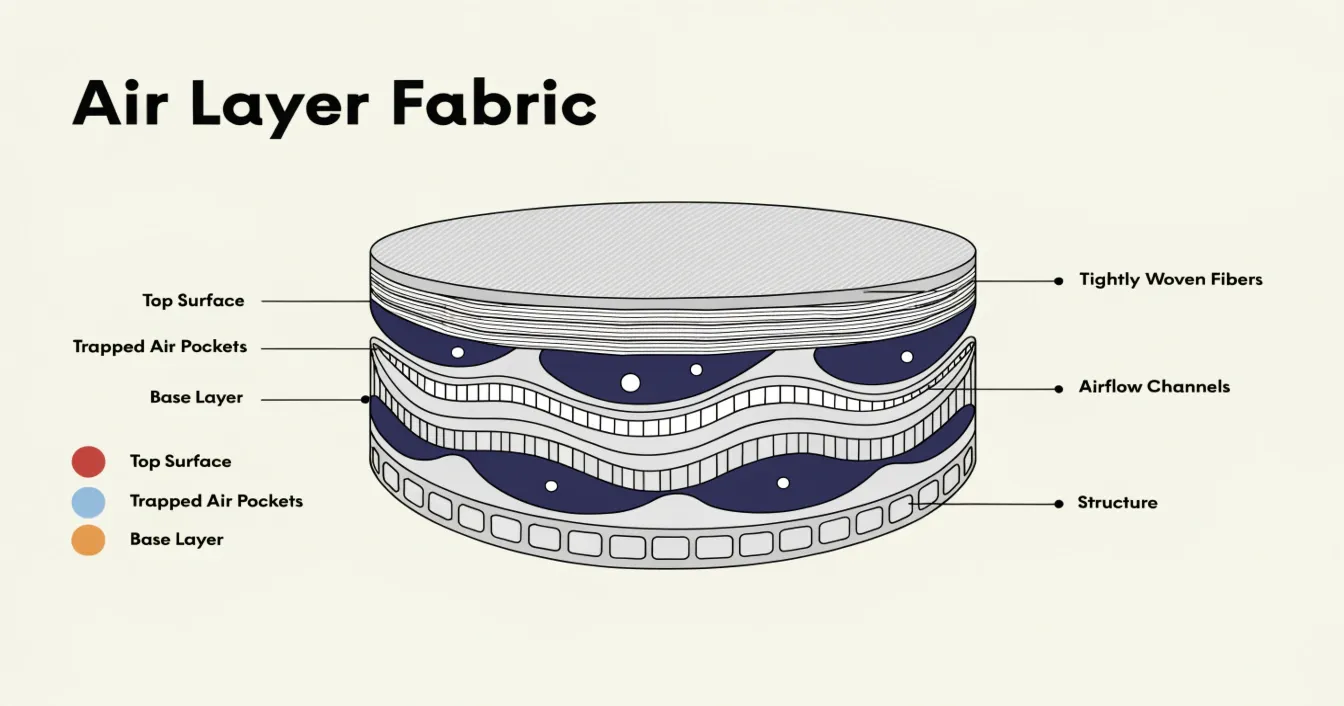
The name "air layer" is not a standardized technical term. Different suppliers use it to describe slightly different constructions. Some versions are tighter and more structured. Some are softer and stretchier. Some have a bonded inner layer. Some do not. This is the first thing we check when a brand sends us a reference or asks us to source air layer fabric: what exactly are we working with?
What Makes Air Layer Different at the Product Level
The key difference between air layer and other sweatshirt fabrics is not warmth or breathability. It is structure and handfeel.
| Property | What It Means for Your Sweatshirt |
|---|---|
| Fuller body | The fabric has more physical volume per gram. Seams sit flatter. Hems hold shape better. |
| Moderate stretch | Less stretch than standard French terry. This affects fit development and how the pattern is drafted. |
| Smooth face | The outer surface is usually smooth rather than looped or brushed. This gives a cleaner look. |
| Mid-range weight | Most air layer sweatshirt fabric runs between 280–380 GSM. It is not a heavy winter fabric by default. |
| Seam sensitivity | Because the fabric has more body, seam allowances and overlock finishing choices affect the final look more than they do on softer fabrics. |
What this means practically: air layer is a strong choice when you want a sweatshirt that looks structured and clean without relying on a heavy fleece build. It is not the right choice when you want a soft, draped, or cozy handfeel. And it is definitely not a direct swap for any other fabric. If you have a pattern built for French terry, you will need to adjust it for air layer.
I have seen brands order air layer samples expecting something that feels like a premium hoodie from a well-known streetwear label. Sometimes the sample matches that expectation. Sometimes it does not, because the structure they liked in the reference came more from the pattern, garment wash, or weight than from the fabric type itself. Air layer alone does not create a silhouette. The full development process does.
Air Layer Sweatshirt vs Fleece, French Terry, and Scuba?
This is one of the most common questions we get. Brands want to know if air layer is "better." The honest answer is that it depends on what you are building.
Air layer, fleece, French terry, and scuba fabric each have a different structure, handfeel, weight range, and fit behavior. No single fabric is better across all use cases. The right fabric depends on your target silhouette, season, retail price, and how the garment will be worn and cared for.
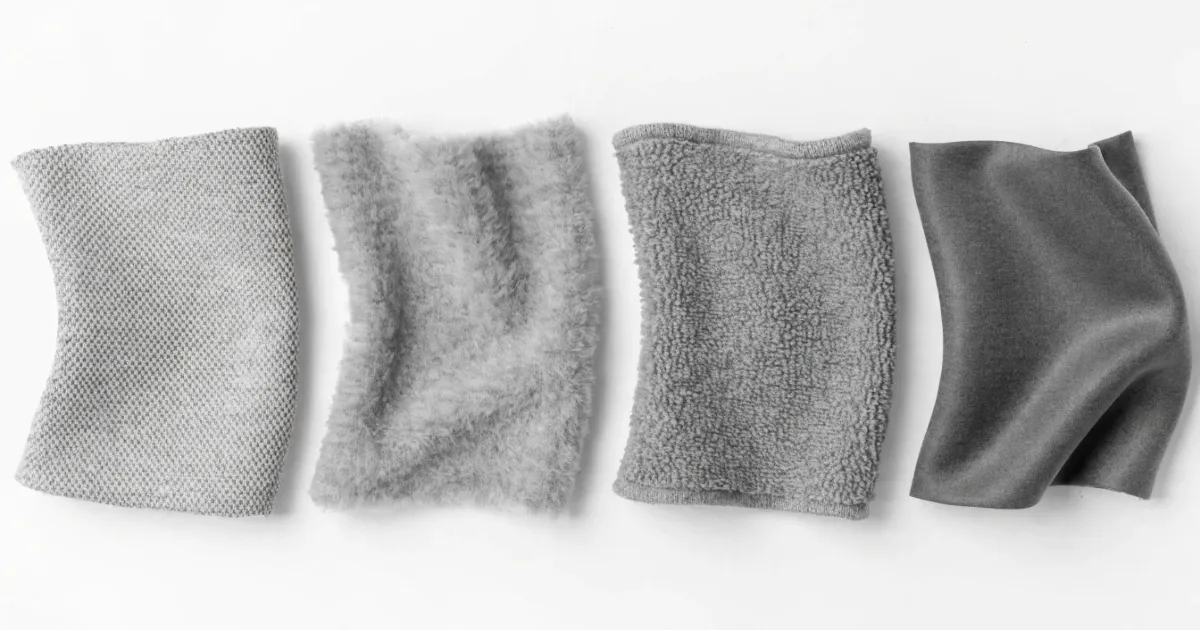
Here is how we think about the comparison when working with a brand on a new sweatshirt development.
Side-by-Side Comparison
| Fabric | Handfeel | Structure | Typical GSM | Best Use Case | Risk to Watch |
|---|---|---|---|---|---|
| Air Layer | Full, smooth, medium weight | High | 280–380 | Clean streetwear, modern lifestyle | Seam stiffness, limited stretch, shrinkage behavior |
| Fleece (brushed) | Soft, warm, cozy | Low to medium | 280–450 | Casual wear, winter, athletic | Pilling, inconsistent brushing depth |
| French Terry | Soft, looped inner, flexible | Medium | 220–320 | Year-round basics, relaxed fit | Shrinkage, surface pull, inconsistent loop density |
| Scuba (double knit) | Smooth, structured, firm | High | 250–350 | Fashion-forward, tailored fit | Low breathability, heavy hand in heavier weights |
How to Choose Based on Your Product Goal
The question is not "which fabric is best?" The question is "what sweatshirt am I trying to build?"
If your brand target is a relaxed, lived-in everyday crewneck, French terry is usually the right call. It is more forgiving in fit, softer against skin, and easier to source across a wide weight range.
If you want a heavier, warmer winter hoodie with a cozy interior, a mid-weight or heavyweight fleece will serve you better. Air layer is not a fleece replacement.
If you want a structured silhouette — something with clean shoulder lines, a defined body shape, and a surface that takes embroidery or print cleanly without the fabric pulling or distorting — air layer becomes a real option.
Scuba is often compared to air layer because both fabrics have structure. The main difference is that scuba tends to feel stiffer and less comfortable against skin for all-day wear. Air layer, in most constructions we have worked with, has a slightly more comfortable interior while still holding shape. But this varies by supplier and exact construction, so sampling is the only way to confirm.
One thing I always tell brands: do not choose a fabric based on the name or a fabric swatch alone. Request a small fabric yardage sample, make a basic cut, and feel how it behaves at a seam. That tells you more than any description.
Best Sweatshirt Styles for Air Layer Fabric
Not every sweatshirt style benefits from air layer. Some styles actually work against the fabric's natural properties.
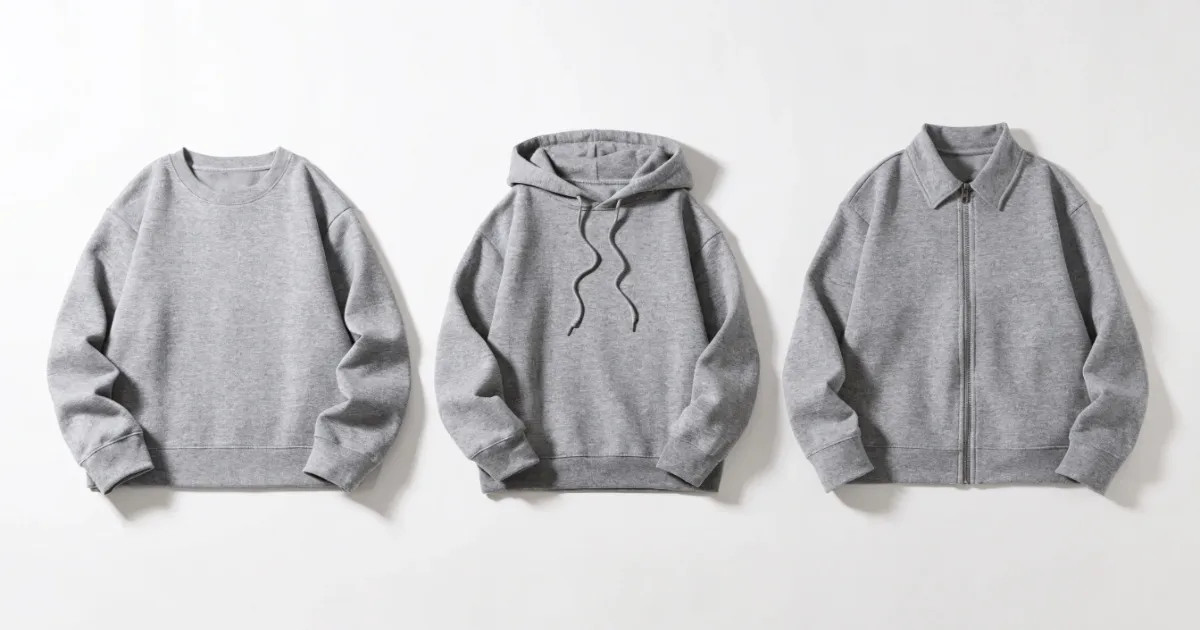
Air layer fabric works best in sweatshirt styles where structure, clean surface, and shape retention are priorities. It suits oversized or boxy silhouettes, drop-shoulder designs, and clean crewneck or zip-up formats. It is less suited to heavily gathered, ruched, or slim-cut designs where stretch and softness matter more.
Styles That Work Well
Oversized Crewneck Sweatshirt This is probably the strongest match. The boxy silhouette benefits from a fabric that holds shape at the hem and shoulder. Air layer keeps the body from looking limp or collapsed when worn, which is a common issue with lightweight French terry in larger sizes.
Drop-Shoulder Hoodie Drop-shoulder cuts need a fabric that does not pull or distort at the shoulder seam. Air layer's moderate stretch and firm structure help keep the shoulder line clean in wear and after washing.1
Zip-Up Sweatshirt or Track Jacket The flat, smooth surface of air layer works well with zipper tapes and ribbed trims. It also accepts chest embroidery cleanly without the fabric distorting around the design.
Structured Bomber or Varsity-Inspired Sweatshirt If you are building something between a sweatshirt and a light jacket, air layer gives enough body to feel intentional without needing additional interfacing or lining.
Air layer is also suitable for matching sweatshirt sets when the brand wants a cleaner and more modern look. For women’s loungewear, travel wear, and athleisure collections, this can be useful. However, the top and bottom must have matching drape and weight. If the sweatshirt feels structured but the pants feel too stiff, the set may not wear well.
Styles Where Air Layer Is a Risk
| Style | Why Air Layer May Not Fit |
|---|---|
| Slim or fitted crewneck | Limited stretch makes fitting around the chest and shoulder harder; may feel restrictive |
| Heavily washed or distressed sweatshirt | Wash treatments may affect the layered structure unpredictably |
| Ruched or gathered designs | The fabric's body works against gathering; seam bulk increases |
| Ultra-cozy or loungewear pieces | Handfeel is not as soft as brushed fleece; may not meet comfort expectations for this category |
The fit development process for air layer also requires its own pattern work. Because the fabric has less stretch than French terry, ease allowances need to be adjusted. We have seen brands reuse a French terry pattern for an air layer sample and end up with a sweatshirt that pulls across the chest or feels stiff at the armhole. The pattern needs to account for the fabric's actual stretch percentage, which we measure on each fabric lot before drafting.
Fabric Composition, GSM, and Sampling Considerations?
Brands often ask: "What GSM should I order?" That is not the right starting question.
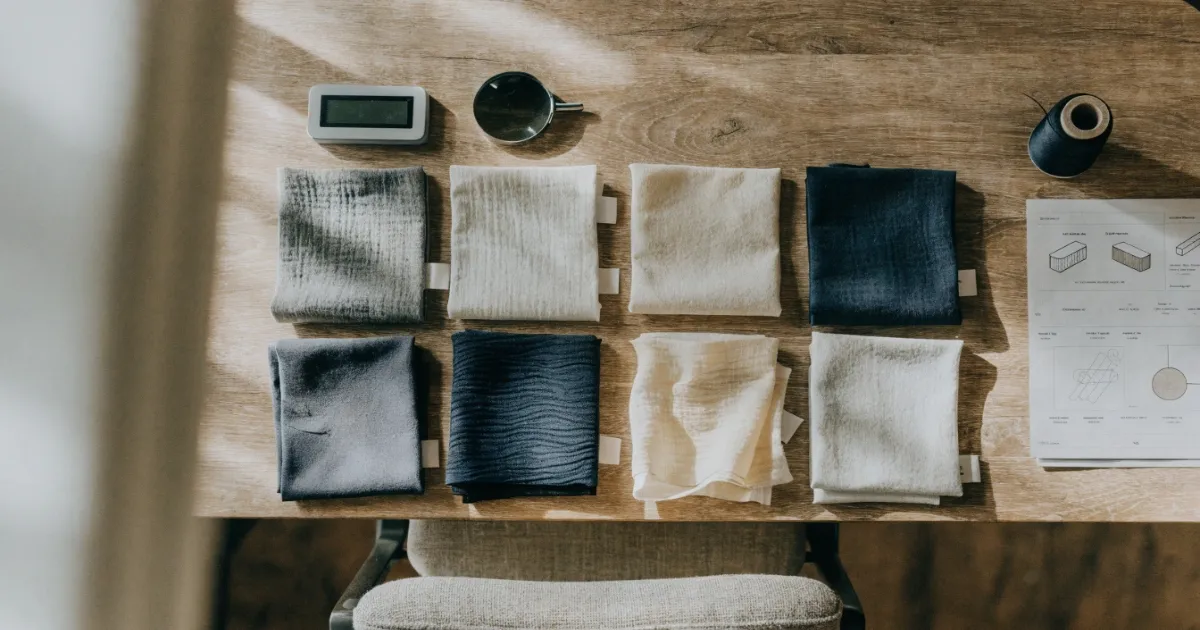
For air layer sweatshirts, GSM, fiber composition, and layered construction all affect handfeel, cost, production risk, and how the garment behaves after washing. Before selecting a fabric specification, brands should define the target season, price point, desired silhouette, and whether the fabric will be validated through a sampling process before bulk production.
Composition Options and What They Mean
The most common fiber base for air layer sweatshirt fabric is cotton or a cotton-polyester blend. Here is how the fiber choice affects the product:
| Composition | Handfeel | Shrinkage Risk | Cost | Notes |
|---|---|---|---|---|
| 100% Cotton | Softer, more natural feel | Higher shrinkage risk | Higher | Better for brands positioning on natural materials |
| Cotton/Poly Blend (e.g., 60/40) | Slightly firmer, more stable | Lower shrinkage | Lower | More consistent across production lots |
| Polyester-heavy blend | Smoother, less natural | Low | Lower | May feel less premium; depends on construction |
| Organic Cotton | Similar to cotton; certification adds cost | Higher | Highest | Requires supply chain documentation for claims |
In sampling, we always run a wash shrinkage test on air layer fabric before cutting the bulk. Because the fabric has a three-layer structure, the inner and outer layers can behave differently when washed, especially at higher temperatures. In some fabric constructions, we have seen the layers pull slightly or the surface texture change after repeated washing. This is something brands should check in sampling, not discover after bulk production.
GSM: What the Number Actually Tells You
GSM (grams per square meter) is a weight measurement. It does not tell you the full story of how the fabric will feel or perform.
A 320 GSM air layer fabric can feel fuller and more structured than a 350 GSM French terry, because the air layer structure distributes volume differently. When brands fixate on GSM as a quality signal, they sometimes end up with a fabric that hits the number but misses the feel.
What we look at when recommending a GSM range:
- Target season: For spring/summer use, 260–300 GSM is usually appropriate. For fall/winter, 300–380 GSM.
- Silhouette target: Heavier weight holds shape better in oversized cuts. Lighter weight is easier to work with in more tailored silhouettes.
- Retail price: Higher GSM typically means higher fabric cost. For a brand at a mid-market price point, pushing GSM up without a clear product reason adds cost without adding perceived value.
- Sampling first: The only reliable way to confirm a GSM decision is to make a sample and wear-test it.
Sampling Checklist Before Bulk
Before we move any air layer sweatshirt into bulk production, we check the following:
- Wash shrinkage: Tested at the standard care label wash temperature. We check both length and width.
- Seam behavior: How do seams lie flat after washing? Do they pucker or spread?
- Handfeel change: Does the fabric soften or stiffen after washing? Does the surface texture change?
- Print/embroidery stability: If the garment has a screen print or embroidery, does the fabric distort around the design?
- Trim compatibility: Do ribbed cuffs and hem bands match the body fabric's shrinkage rate?
- Repeatability: Can the sample result be replicated in the first production lot with the same fabric source?
This last point matters more than brands expect. Air layer fabric from the same supplier can vary slightly between fabric lots.2 We track fabric lot numbers and request pre-production fabric lab dips or swatches before cutting bulk to catch any color or construction shifts early.
Is an Air Layer Sweatshirt Worth Developing for Your Brand?
This is the real question. And the honest answer is: it depends on more than just the fabric.
An air layer sweatshirt is worth developing if your brand needs a structured, clean-silhouette sweatshirt for a mid-to-premium price point, and if you are willing to invest in proper sampling and wash testing before committing to bulk. It is not the right choice for every brand or every product brief.

When Air Layer Makes Sense for Your Brand
The brands we have worked with who got the most out of air layer fabric share a few things in common.
They had a clear silhouette target. They wanted something that looked intentional, not just casual. Air layer supported that goal because the fabric holds shape in wear and after washing better than most standard sweatshirt fabrics at a similar weight.
They had a retail price point that supported the fabric cost. Air layer is not dramatically more expensive than mid-weight French terry, but it does cost more than a basic cotton fleece. If your target retail is at the lower end of the market, the fabric cost difference can compress your margin without adding enough perceived value to justify the price increase.
They were willing to sample properly. This is the most important factor. Every brand we have worked with that skipped thorough sampling on a new fabric ended up with production problems — whether shrinkage inconsistency, seam issues, or a handfeel that did not match the reference. Air layer has enough structural complexity that sampling is not optional.
When Air Layer Is Probably Not the Right Call
| Situation | Better Alternative |
|---|---|
| You want maximum softness and coziness | Brushed fleece or heavy French terry |
| Your target is a basic everyday sweatshirt at a competitive price | Standard cotton French terry |
| You need high stretch for a fitted silhouette | Cotton/spandex French terry or rib knit |
| Your production timeline is very tight and there is no room for sample revision | Start with a fabric you or your manufacturer already has proven production data on |
| Your brand is in early testing mode with a very small first order | Consider starting with a more standard fabric; bring in air layer once the style is proven |
What to Prepare Before Starting Development
If you decide air layer is the right direction, here is what helps the development process go faster and with fewer surprises:
- A reference sweatshirt: Physical sample or clear photos showing the silhouette, fit, and surface finish you are targeting.
- A target weight range: Even a rough one helps the fabric sourcing process.
- Decoration plan: If you plan to add screen print, embroidery, or patch details, share this early. It affects fabric choice and sewing method.
- Size range: This affects pattern grading and trim sourcing.
- Wash or treatment plan: If you want a garment wash or enzyme treatment, this needs to be factored into the fabric and construction decisions before sampling starts.
From the manufacturing side, the more clarity a brand brings into the development process, the fewer rounds of sampling are needed. Air layer sweatshirts are not especially difficult to produce, but they do require more careful pattern work and seam finishing than a basic French terry sweatshirt. Getting those details right in sampling saves significant time and cost in bulk.
Conclusion
Air layer sweatshirt fabric can be a strong choice when the brand needs a clean silhouette, smooth surface, and modern casualwear feel. It is especially useful for boxy crewnecks, oversized hoodies, clean half-zips, and matching sets.
But it should not be treated as a magic fabric. It is not always warmer than fleece, softer than French terry, or better than scuba. The right choice depends on the target customer, season, price point, fit, decoration, and production plan.
For clothing brands, the safest approach is to start with fabric comparison and one real sample. Check the garment after sewing, wearing, washing, and decoration. If the fabric still matches the desired shape, comfort, and cost, air layer can become a strong option for a modern sweatshirt line.
At Easson Apparel, we help brands compare sweatshirt fabrics, adjust patterns, develop samples, and produce custom sweatshirts based on their target market. If you are considering an air layer sweatshirt or matching set, starting with fabric swatches and one prototype is the best way to move forward.
"Lightweight Air Layer Fabrics for Activewear - Regen-tech Fashion". Research on fabric performance confirms that moderate stretch and firm structure contribute to maintaining clean garment lines after wear and washing. Supports: The role of air layer fabric's moderate stretch and firm structure in maintaining a clean shoulder line.. ↩
"Investigation of the air permeability of fabric weaves to increase the ...",. Studies on textile production confirm that fabric properties can vary slightly between lots, even from the same supplier. Supports: The potential for variability in air layer fabric between production lots from the same supplier.. ↩