
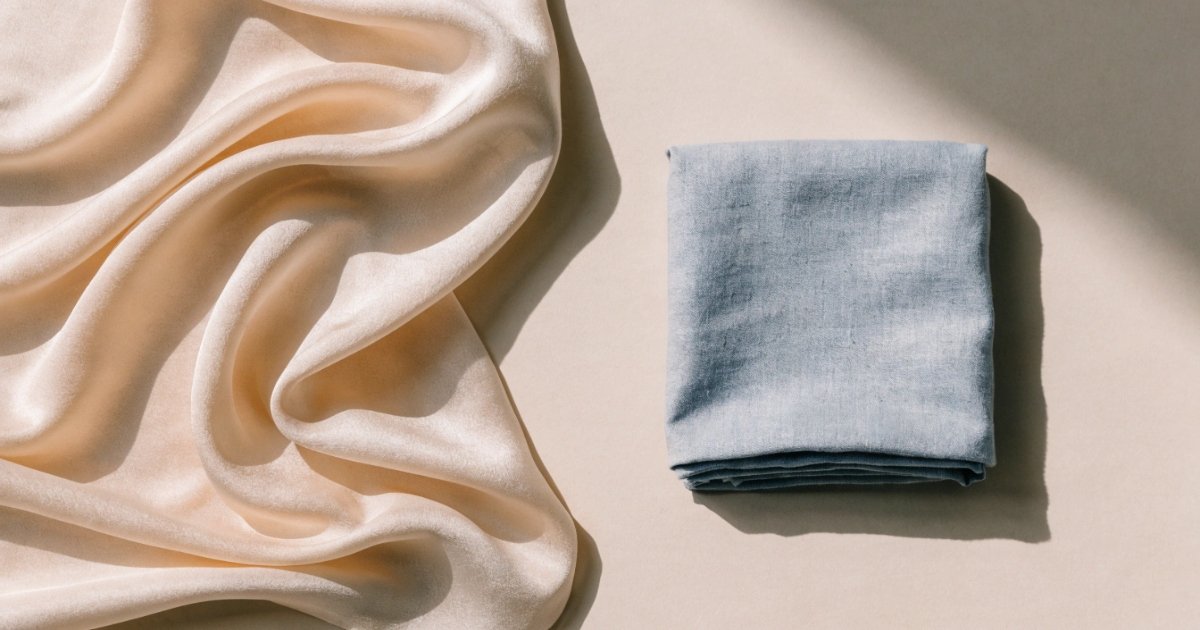
Lyocell sounds like a premium material. But is it actually worth the extra cost for your clothing brand? Here is everything you need to know before you decide.
Lyocell is a man-made cellulosic fiber made from wood pulp. It is known for its smooth hand feel, natural drape, and moisture management. It suits soft, skin-friendly garments like T-shirts, loungewear, and sleepwear. It costs more than basic cotton but offers a more premium wearing experience.
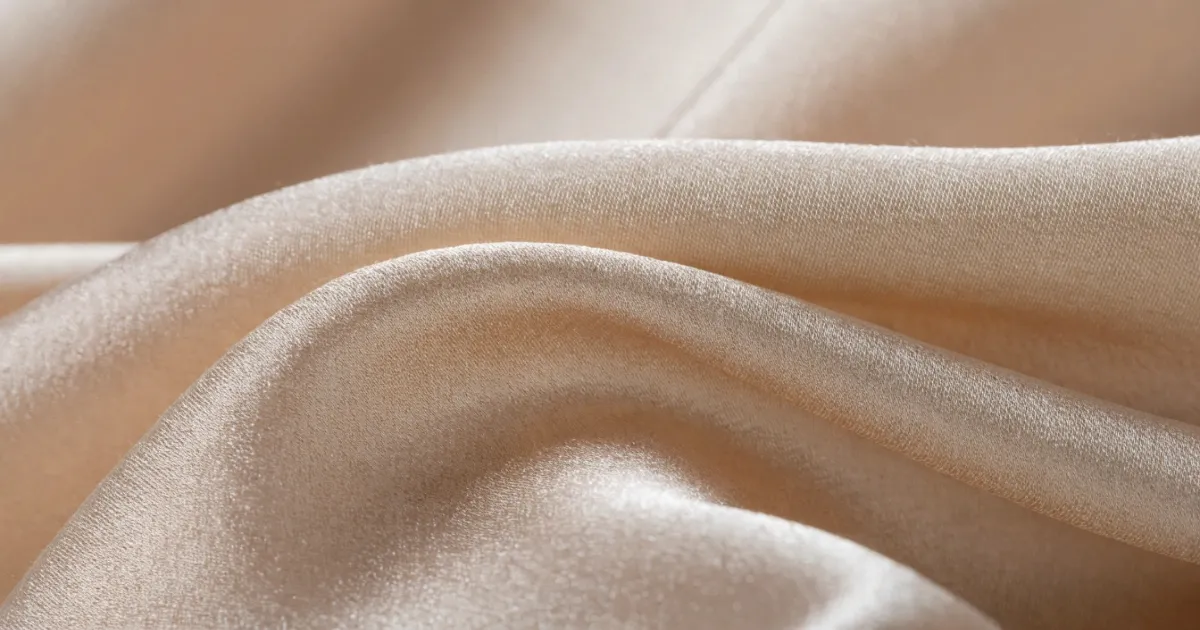
Lyocell is not a perfect fabric for every situation. Over the years working with global clothing brands, I have seen it used well and used poorly. The difference almost always comes down to whether the brand matched the fabric to the right product. This post breaks down everything I know about Lyocell so you can make a smarter choice for your line.
Is Lyocell Fabric Good for Clothing?
You have probably seen Lyocell listed on premium clothing tags or mentioned alongside words like "sustainable" and "soft." But does it actually perform well in real garments?
Yes, Lyocell is good for clothing, but it depends on what you are making. It works best in garments that need a smooth, skin-friendly feel and natural drape. These include T-shirts, tank tops, loungewear, sleepwear, and lightweight shirts. It is not the best choice for heavy-duty or low-cost basics.
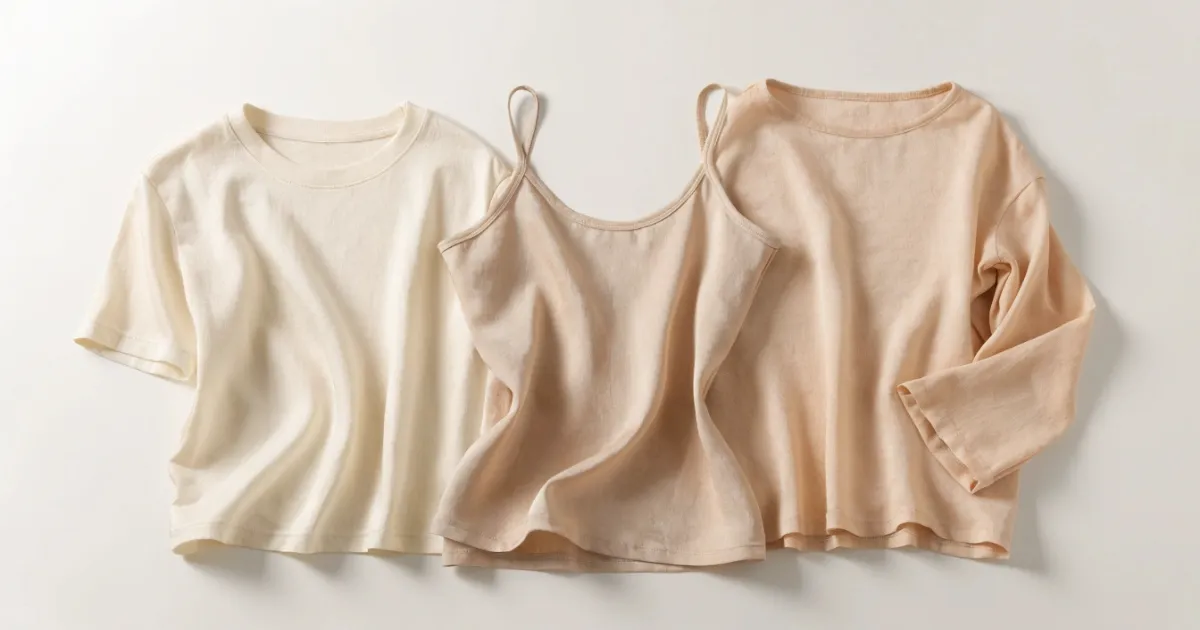
My honest answer is this: Lyocell is a good fabric, but it is not a universal one. When brands come to me asking whether they should use Lyocell, I always ask them one question first. What kind of product are you making, and what do you want the customer to feel when they wear it?
If the answer involves words like soft, smooth, comfortable, natural, or premium, then Lyocell is worth a serious look. If the answer is focused on low price, high abrasion resistance, or compression performance, then Lyocell may not be the right call.
What Makes Lyocell Suitable for Clothing?
The reason Lyocell works so well for certain garments comes down to three core properties.
| Property | What It Means for Clothing |
|---|---|
| Smooth hand feel | The fiber surface feels soft and fine against skin, unlike dry cotton or plastic-feeling polyester |
| Natural drape | Garments hang with a soft, flowing quality that looks more elevated |
| Moisture management | The fiber structure helps absorb and release moisture, keeping a drier microenvironment next to skin |
These properties make Lyocell a strong choice for garments worn close to the body. TENCEL, the well-known Lyocell brand from Lenzing, highlights these same qualities in their official product descriptions. The key point is that Lyocell delivers a wearing experience that basic cotton often cannot match at the same weight.
That said, I would not recommend Lyocell to every brand from the start. If your product is a low-cost basic and the end customer is price-sensitive, Lyocell's higher material cost may not show up as perceived value. The fabric needs the right product and the right brand positioning to justify the investment.
How Is Lyocell Fabric Made and Is It Sustainable?
A lot of people see the word Lyocell and immediately write "eco-friendly fabric" on their product pages. I understand the instinct. But I think it is more useful to look at how the fabric is actually made before making that claim.
Lyocell is made by dissolving wood pulp in a solvent and spinning it into fiber. TENCEL Lyocell uses a closed-loop production process that recovers up to 99.8% of the solvent used. This makes it more resource-efficient than many other fiber types, but it is not automatically sustainable without considering the full supply chain.
The production process is where Lyocell stands apart from older man-made fibers like viscose. In a closed-loop system, the solvent that dissolves the wood pulp is captured, cleaned, and reused in the next production cycle. This reduces chemical waste and water use compared to more open production methods.
Understanding Lyocell Sustainability More Honestly
I always tell brand clients the same thing. Lyocell is a more sustainable option, not an automatically sustainable one. Here is how I break it down.
Raw material sourcing
Lyocell is typically made from wood pulp, often from eucalyptus, beech, or pine trees. These trees can be grown on land not suitable for food crops and often require less water and pesticide than cotton farming. However, wood sourcing still matters. Look for certifications like FSC (Forest Stewardship Council) when evaluating fiber origin.
Production process
The closed-loop process used by producers like Lenzing is the strongest environmental argument for Lyocell. Recovering 99.8% of solvent in production is a meaningful difference compared to traditional viscose or cotton processing. Textile Exchange also notes that Lyocell's closed-loop dissolution of wood pulp is one reason it appears frequently in sustainable sourcing programs.
Dyeing, finishing, and supply chain
This is where many brands stop asking questions. Even a well-produced Lyocell fiber can carry a heavy environmental footprint if the dyeing and finishing process is not well-managed. Transparency across the supply chain matters as much as the fiber itself.
| Stage | Key Sustainability Factor |
|---|---|
| Wood sourcing | FSC-certified or responsibly managed forest |
| Fiber production | Closed-loop solvent recovery (e.g., TENCEL process) |
| Dyeing and finishing | Low-impact dyes, water treatment systems |
| Supply chain | Traceability and certification transparency |
The bottom line is that Lyocell gives your brand a stronger environmental story to tell. But the story only holds up if the rest of your supply chain supports it.
Benefits and Drawbacks of Lyocell Fabric
Every fabric has trade-offs. I have worked with Lyocell blends and pure Lyocell fabrics in production for a long time. Here is my honest read on where it wins and where it falls short.
Lyocell's main benefits are its smooth feel, natural drape, moisture management, and brand storytelling value. Its main drawbacks are higher cost, more demanding care requirements, limited stretch without added spandex, and the need for careful quality testing in bulk production.
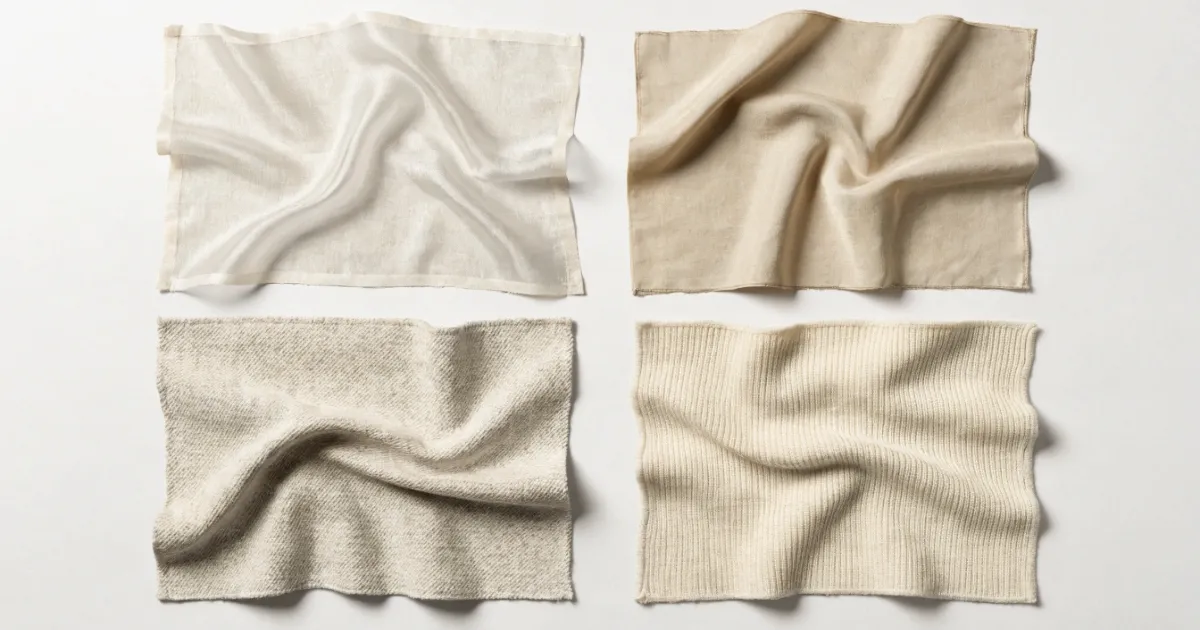
Let me go deeper on each side.
The Real Benefits of Lyocell
Benefit 1: Hand feel
Lyocell has a smooth, fine texture that feels noticeably different from standard cotton jersey or polyester. It does not feel dry or rough. It also does not have the synthetic feel that some customers dislike in polyester. For garments where the first-touch experience matters, this is a real advantage.
Benefit 2: Drape
Lyocell falls naturally and softly. Garments made from Lyocell tend to have cleaner, more relaxed lines. This works especially well for oversized tees, wide-leg pants, casual dresses, and shirts where you want a soft, flowing silhouette rather than a stiff or boxy structure.
Benefit 3: Moisture comfort
The fiber structure of Lyocell allows it to absorb and release moisture efficiently. TENCEL Lyocell's technical data supports this. For skin-contact garments like underwear, tank tops, and sleepwear, this property helps keep the wearer more comfortable, especially in warm conditions.
Benefit 4: Brand narrative
If your brand is positioning around words like sustainable, natural comfort, premium basics, or soft luxury, Lyocell is much easier to build a compelling product story around than polyester or even basic cotton. This has real value in how you communicate with your end customer.
The Real Drawbacks of Lyocell
| Drawback | Why It Matters in Production |
|---|---|
| Higher cost | Lyocell and Lyocell blends cost more per meter than standard cotton jersey, which affects your cost of goods |
| Care sensitivity | Some Lyocell fabrics wrinkle, shrink, or distort after washing, especially without proper pre-shrinking and finishing |
| Limited stretch | Lyocell itself has very little stretch; fitted or activewear styles need Lyocell blended with spandex |
| Bulk production testing | Sample fabric can feel perfect but bulk lots or wash tests can reveal issues with shrinkage, skew, pilling, or seam stability |
The last point is the one I care about most when we are developing a product. A fabric that looks great on a sample board is not good enough. I always push for wash testing, dimensional stability checks, and color fastness testing before we approve bulk fabric. Lyocell requires that discipline even more than some other fabric types.
Lyocell vs Cotton, Tencel, Viscose, and Modal
One of the most common questions I get from brands is how Lyocell compares to the fabrics they already know. Let me go through each comparison directly.
Lyocell offers a smoother feel and better drape than cotton. TENCEL is simply a brand name for Lenzing's Lyocell fiber. Lyocell has better wet strength and environmental credentials than viscose. Modal is softer and more focused on next-to-skin comfort, while Lyocell has a wider application range including outerwear and denim blends.
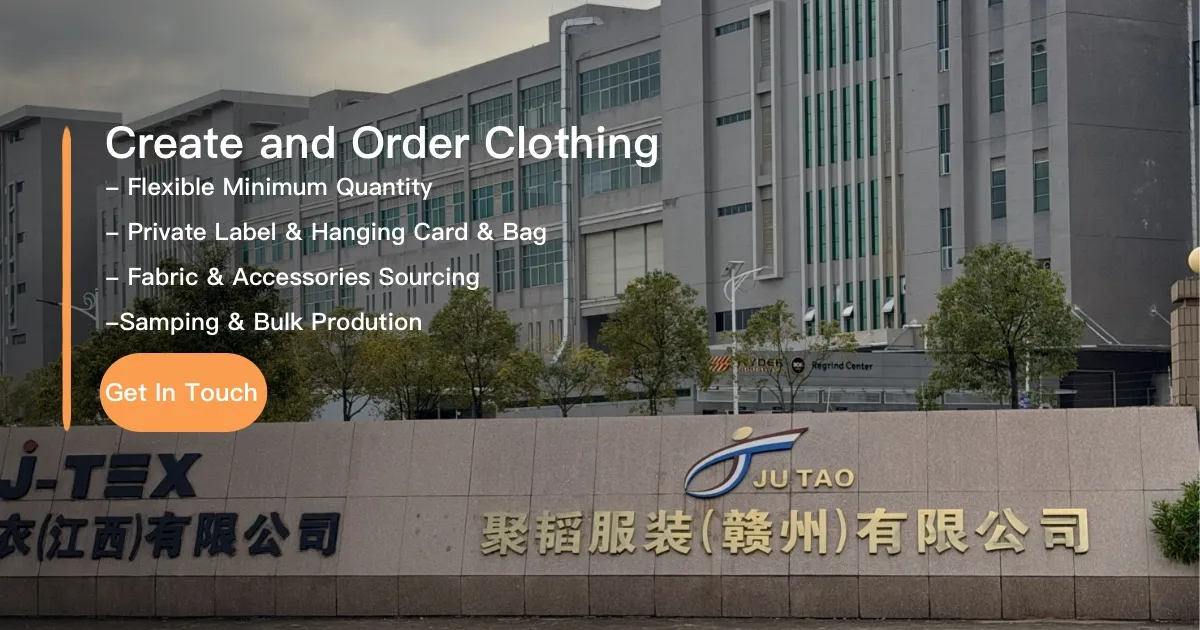
Lyocell vs Cotton
Cotton is the fabric most brands start with. It is widely available, well understood, and easy to source. For basic T-shirts and everyday staples, cotton is a safe and proven choice.
Lyocell beats cotton in smoothness, drape, and moisture management. Cotton beats Lyocell in cost, supply chain familiarity, and durability for high-wear applications.
| Factor | Cotton | Lyocell |
|---|---|---|
| Hand feel | Soft but drier | Smoother and more fluid |
| Drape | Medium | Better natural drape |
| Cost | Lower | Higher |
| Moisture management | Absorbs well but can feel damp | Absorbs and releases more efficiently |
| Best use case | Core basics, durable workwear | Premium soft tees, loungewear, summer collections |
My view is that if you are making standard basic tees at competitive prices, cotton is still the right call. But if you are building a premium soft tee line or a women's summer collection and you want the fabric to feel noticeably elevated, Lyocell or a Lyocell-cotton blend will give you more to work with.
Lyocell vs TENCEL
This one confuses a lot of clients. TENCEL is not a different fabric. TENCEL is a brand owned by Lenzing, an Austrian fiber company. It covers both Lyocell and Modal fibers under the TENCEL brand name. So TENCEL Lyocell is branded Lyocell. It follows the same fiber type but comes with Lenzing's quality standards and certifications. When a brand says they use TENCEL fabric, they mean they are using Lenzing's certified Lyocell or Modal fiber.
Lyocell vs Viscose
Both Lyocell and viscose are man-made cellulosic fibers, which means they both start with plant-based raw material and go through a chemical process to become fiber. Textile Exchange classifies both under the same manmade cellulosic fibers category.
The key differences are in production process and wet performance. Lyocell uses a cleaner closed-loop process and has higher wet strength than viscose. Viscose has a more mature market, tends to be more affordable, and is easier to find in a wider range of fabric constructions. If a brand wants to build a sustainable story, Lyocell is the stronger choice. If a brand needs cost control and is less focused on environmental credentials, viscose may be more practical.
Lyocell vs Modal
Modal is another fiber in the same cellulosic family. It is very soft, fine, and well-suited for next-to-skin products like underwear, T-shirts, and homewear. Lyocell has a stronger drape and slightly higher tensile strength, which makes it more versatile across product types.
| Application | Modal | Lyocell |
|---|---|---|
| Underwear and base layers | Excellent | Very good |
| T-shirts and tops | Excellent | Excellent |
| Pants and outerwear | Less common | Good |
| Denim blends | Rare | Used in some denim blends |
| Lightweight shirts and dresses | Good | Very good |
Textile Exchange notes that Lyocell is used in underwear and denim, while modal is more commonly found in T-shirts, tops, and blends. My take is that Modal wins slightly on pure softness for next-to-skin products, while Lyocell wins on application range and drape for a wider product set.
What Is Lyocell Fabric Best Used For in Clothing?
When brands ask me where Lyocell fits in their line, I do not give a generic answer. The fabric has a clear range of applications where it performs well and areas where it is probably not the right call.
Lyocell is best used for skin-contact and drape-driven garments. This includes premium T-shirts, loungewear, sleepwear, tank tops, lightweight shirts, casual dresses, and wide-leg pants. It also works well as the lead fabric in a sustainable capsule collection.
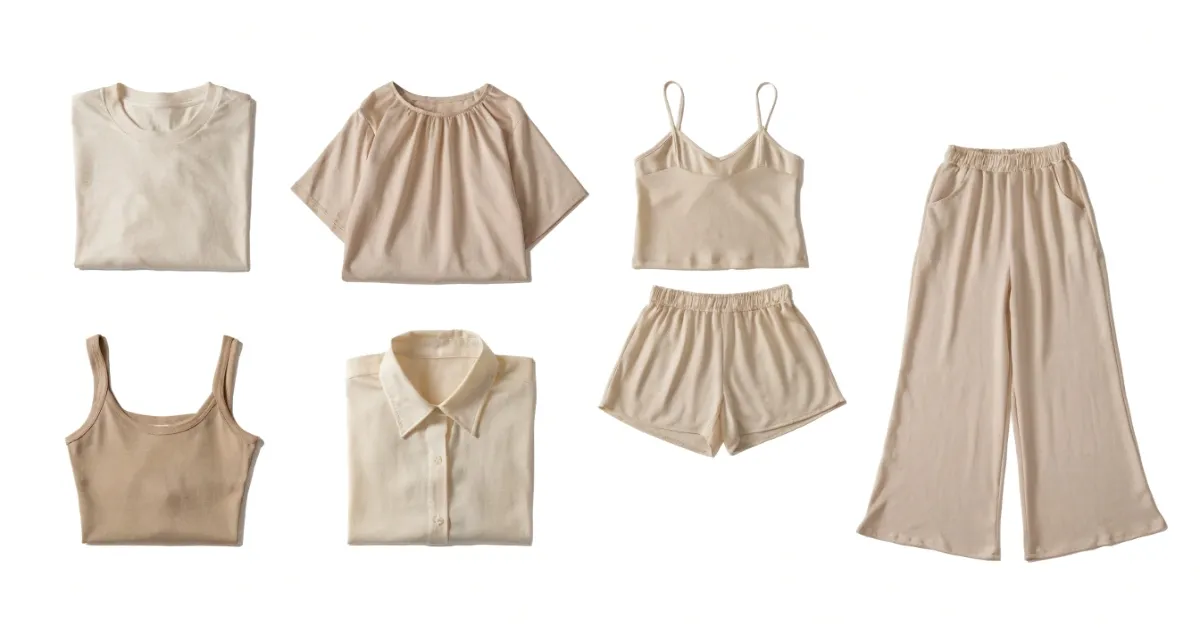
Here is how I think about Lyocell application by product category.
Recommended Lyocell Applications by Product Type
Premium basics and T-shirts
Women's tees, oversized summer tees, and soft-touch basics are where Lyocell shows its value most clearly. The smooth feel and drape make the garment feel more considered and less like a commodity product. This is a strong fit for brands positioning in the premium basics space.
Loungewear and sleepwear
These products live or die on comfort. Customers wearing them at home are highly sensitive to how the fabric feels on their skin over long periods. Lyocell's soft hand feel and moisture management make it a natural fit here. I have seen this category work very well with Lyocell jersey and Lyocell blends.
Tank tops, underwear, and base layers
Skin-contact performance matters most in these products. Lyocell works well here, especially when blended with a small percentage of spandex to add stretch and recovery for a better fit.
Shirts, dresses, and wide-leg pants
These products need fabric that moves well and holds a clean silhouette. Lyocell's drape creates soft, natural lines that heavier or stiffer fabrics cannot match. For women's collections in particular, this is a high-value application.
Sustainable capsule collections
If a brand wants to launch a dedicated sustainable collection or a limited capsule line, Lyocell is an ideal lead fabric. It gives you real environmental credentials to support your claims and a noticeably different product feel to justify premium pricing.
| Product Category | Lyocell Suitability | Key Reason |
|---|---|---|
| Premium T-shirts | High | Smooth feel and drape |
| Loungewear and sleepwear | High | Skin comfort and moisture management |
| Tank tops and base layers | High | Next-to-skin softness |
| Shirts and casual dresses | High | Natural drape and flow |
| Wide-leg pants | High | Soft drape for clean silhouette |
| Heavy outerwear | Low | Not designed for structure or durability |
| Compression activewear | Low | Needs high spandex content; Lyocell alone won't perform |
How Should Clothing Brands Choose Lyocell Fabric?
Choosing Lyocell is not just about picking the right fiber type. It is about making a decision that fits your product, your customer, and your production reality.
Clothing brands should choose Lyocell when the product calls for a soft, premium feel and natural drape. They should evaluate the full cost impact, test for wash performance before bulk production, and consider whether blending with spandex or cotton is needed for the specific garment.
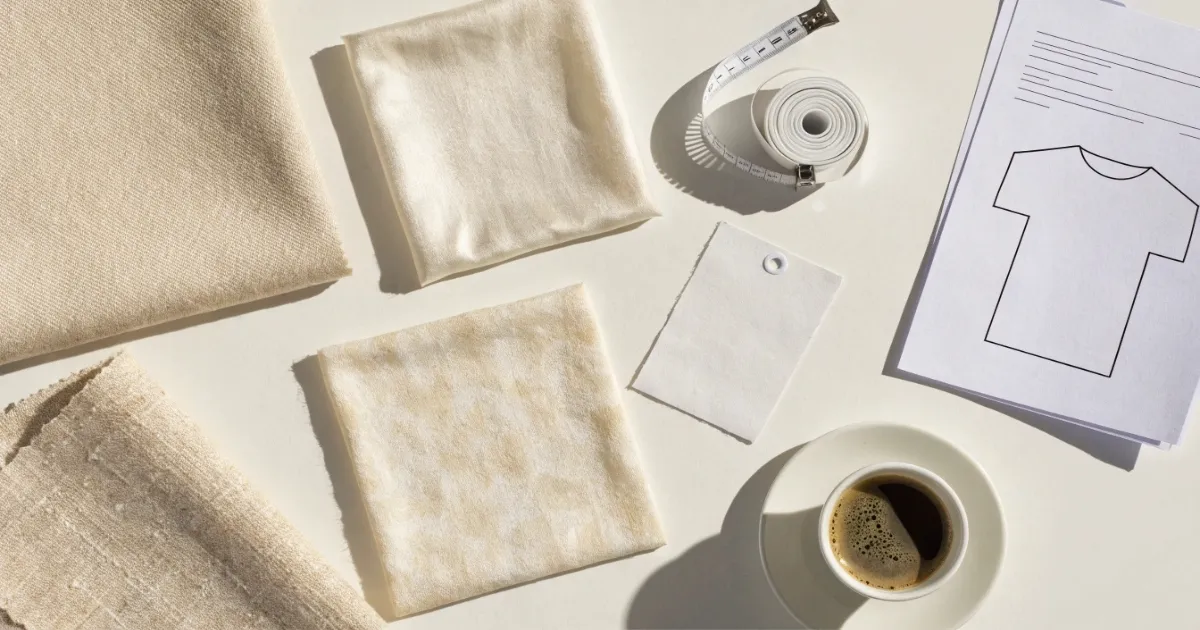
When I work with a new brand on fabric selection, I look at four things in order:
First, brand direction. Is this brand communicating premium, soft, natural, and sustainable? Or is it focusedon low price, high performance, and easy care? If the brand direction is premium comfort or sustainable lifestyle, Lyocell makes sense. If the brand is mainly competing on price, cotton, viscose, or polyester blends may be more realistic.
Second, product category. A fabric that works beautifully for a soft summer T-shirt may not work for leggings, outerwear, or heavy workwear. Lyocell is strongest in garments where touch, drape, and comfort are the main selling points. It is less suitable when the garment needs strong compression, high abrasion resistance, or a very structured shape.
Third, target price. Lyocell can improve the perceived value of a garment, but only if the customer understands and appreciates the difference. If the retail price cannot support a higher fabric cost, the brand may struggle to protect its margin. In that case, a Lyocell-cotton blend or Lyocell-spandex blend may be more practical than using 100% Lyocell.
Fourth, production stability. Before approving Lyocell for bulk production, I always recommend checking shrinkage, twisting, color fastness, pilling, and wash performance. A fabric may feel excellent in the hand, but the real test is how it behaves after cutting, sewing, washing, and repeated wear.
In my view, Lyocell is not simply “better” or “worse” than cotton, viscose, modal, or polyester. It is better for certain products and less suitable for others. For clothing brands, the smartest approach is not to choose Lyocell because it sounds sustainable or premium. The smarter approach is to ask whether Lyocell supports the garment’s function, price point, brand story, and customer expectation.
Conclusion
Lyocell is a strong fabric choice for brands that want soft, smooth, and premium-feeling garments. It works especially well for T-shirts, loungewear, sleepwear, underwear, lightweight shirts, dresses, and relaxed everyday clothing.
However, it is not suitable for every product. Lyocell usually costs more than basic cotton or polyester and may need careful testing for shrinkage, twisting, pilling, and wash performance.
For clothing brands, the key is to match Lyocell with the right product, price point, and customer expectation. When used properly, Lyocell can help create garments that feel more comfortable, refined, and commercially valuable.