
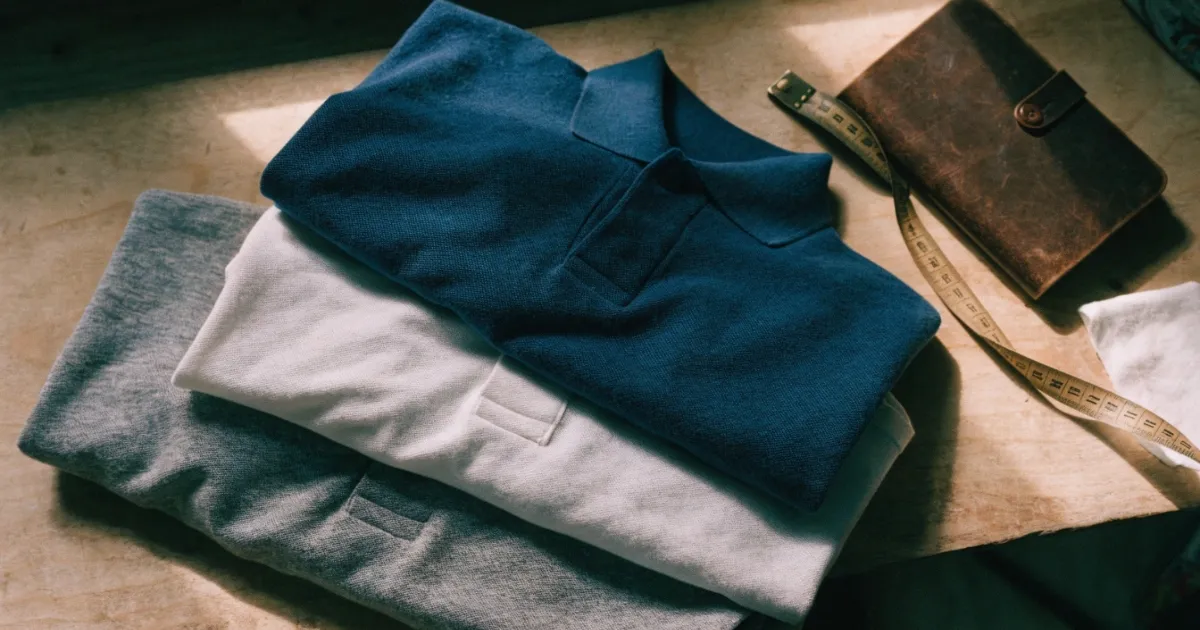
Choosing the best fabric for polo shirts sounds straightforward — until you're staring at a supplier's swatch book with a dozen options and a launch deadline. The wrong call doesn't just affect feel. It affects how your brand is perceived, how the garment performs after washing, and whether your customer buys again. This guide cuts through the noise.
The best fabric for polo shirts depends on your brand positioning, not just technical specs. Piqué cotton delivers structure and a premium look suited to corporate and lifestyle brands. Jersey offers softness and drape for casual and streetwear labels. Blends like poly-cotton or CVC improve performance and reduce cost. GSM — the fabric weight — should be chosen based on end use, not simply "heavier equals better."
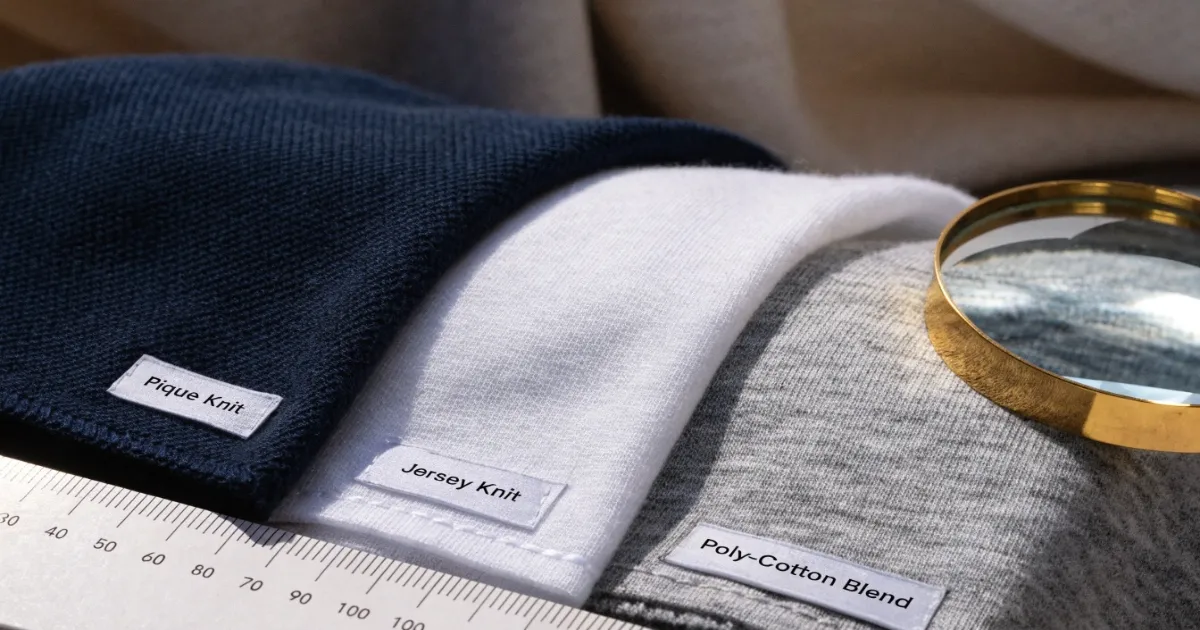
Over more than two decades producing knitted garments for brands across Europe, North America, and Australia, I've watched fabric decisions make or break product launches. What follows isn't theory — it's what I've learned working through real sampling runs and customer briefs at our factory floor.
What Makes Piqué the Classic Polo Shirt Fabric?
Most brands default to piqué without really understanding why — and that lack of understanding leads to poor GSM choices, wrong fibre blends, and disappointing samples. Getting piqué right starts with understanding its structure.
Piqué (also spelled "pique") is a double-knit fabric woven in a waffle or honeycomb texture. That raised surface is its defining feature. It creates visual depth, improves breathability by allowing air circulation through the grid pattern, and adds structural firmness that helps the polo shirt hold its shape through wear and washing.
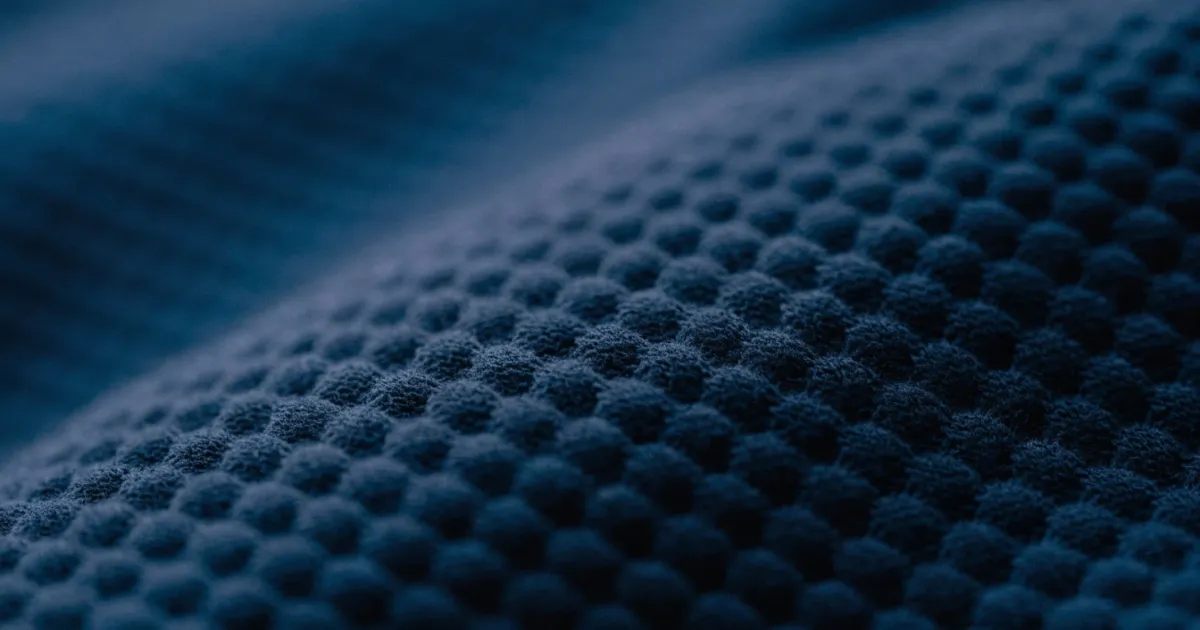
For brand buyers, the key advantage of piqué is its premium visual signal. When a customer picks up a polo shirt and sees that defined texture, it communicates quality — even before they check the label. That's why piqué remains the default choice for:
- Corporate and workwear brands who need a polished, structured look
- Golf and country club apparel where tradition and presentation matter
- Lifestyle and heritage brands positioning above fast fashion
Piqué Construction: What Buyers Should Know
There are two main constructions you'll encounter:
| Type | Structure | Typical GSM | Best Use |
|---|---|---|---|
| Single piqué | Lighter, softer hand feel | 180–220 gsm | Casual lifestyle, warmer climates |
| Double piqué | Denser, more structured | 220–280 gsm | Corporate, premium, cooler climates |
Double piqué is heavier and holds its shape better through repeated washing — an important factor for brands selling to markets that prioritize longevity. Single piqué is more comfortable in heat and typically costs slightly less to produce.
Durability and Care Considerations
From production experience, cotton piqué fabrics behave predictably through standard washing cycles when the GSM is appropriate for the construction. Where I've seen brands run into trouble is when they choose a 180 gsm single piqué for a premium price point. The fabric feels acceptable off the shelf but pills noticeably after 10–15 washes. That's a customer service problem waiting to happen.
If your brand is targeting a repeat-purchase customer who wears the polo shirt regularly, I'd recommend sampling at 220 gsm or above for piqué. If you're producing a seasonal fashion piece or a promotional item, lighter weights work perfectly well.
Piqué and Embroidery
Piqué's firm surface also accepts embroidery exceptionally well — the texture holds thread without distortion. For brands planning chest logo embroidery or sleeve branding, piqué is the technically superior choice over jersey.
Is Jersey Fabric a Good Choice for Polo Shirts?
Jersey1 gets underestimated for polo shirts because it's associated with basic T-shirts. That association is outdated. Today, jersey polo shirts represent a significant and growing segment — especially in streetwear, athleisure, and premium casual.
Jersey is a single-knit fabric with a smooth face and a looped back. It has more stretch, a softer hand feel, and better drape than piqué. For brands whose customer values comfort above formality, jersey is often the better fabric choice.
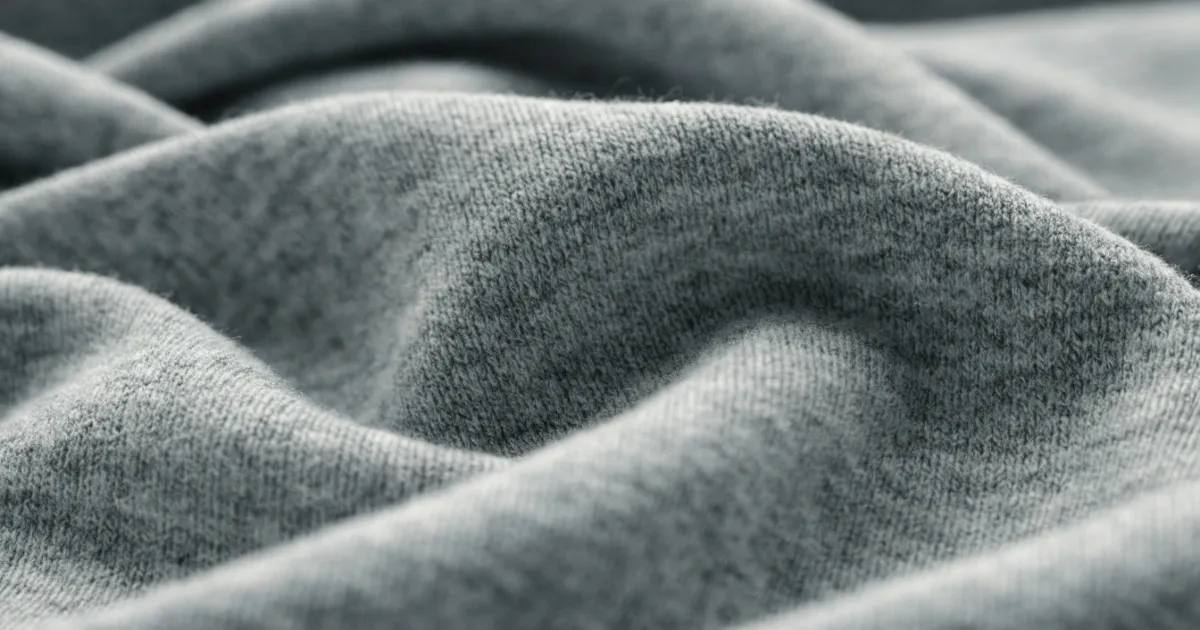
The most common jersey constructions for polo shirts include:
- Single jersey — lightweight, soft, best for casual or fashion-forward styles
- Interlock jersey — double-knit, more stable and opaque, excellent for premium casual polo shirts
- Slub jersey — textured yarn creates a natural, artisanal look popular with lifestyle and boutique brands
Where Jersey Outperforms Piqué
| Factor | Piqué | Jersey |
|---|---|---|
| Softness | Moderate | High |
| Drape | Structured | Fluid |
| Stretch | Limited | Good |
| Breathability | High (surface texture) | Moderate (depends on knit) |
| Embroidery suitability | Excellent | Good (with backing) |
| Visual formality | High | Low–Medium |
| Price at equivalent GSM | Slightly higher | Slightly lower |
In practice, I work with a number of streetwear and lifestyle brand clients who specifically request jersey polo shirts because they want the polo silhouette without the stiffness. The collar and placket still deliver the polo aesthetic — but the body fabric gives a relaxed, wearable feel that fits their customer's lifestyle.
GSM for Jersey Polo Shirts
For jersey polo shirts, I typically recommend:
- 160–180 gsm for lightweight summer or fashion styles
- 180–220 gsm for a standard casual polo with body and durability
- 220–260 gsm for premium casual or streetwear styles where weight signals quality
One consideration worth flagging: jersey fabrics at lower GSM can be semi-transparent when stretched, particularly in lighter colours. If your brand offers white or pastel polo shirts in jersey, sampling the opacity carefully before committing to bulk production is essential.
How Do Fabric Blends Affect Polo Shirt Performance?
Pure cotton gets most of the marketing attention in polo shirt fabrics — but blends are where a lot of the practical performance gains happen. The question is which blend serves your brand's actual needs.
Blended fabrics combine two or more fibre types to balance properties that no single fibre delivers perfectly on its own. For polo shirts, the most common blends involve cotton, polyester, and sometimes viscose or elastane.
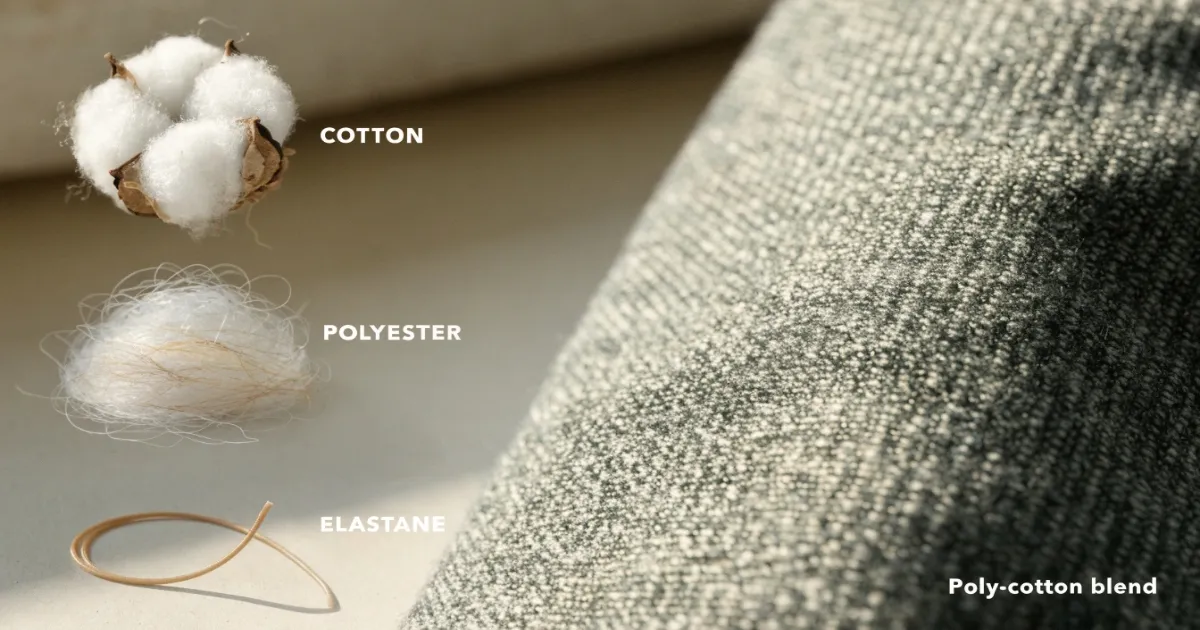
Common Polo Shirt Fabric Blends Compared
| Blend | Typical Ratio | Key Benefit | Trade-off |
|---|---|---|---|
| CVC (Chief Value Cotton) | 60% cotton / 40% polyester | Reduces shrinkage, improves shape retention | Slightly less breathable than 100% cotton |
| Poly-cotton | 50/50 or 65% poly / 35% cotton | Lower cost, high durability, fast-drying | Feels synthetic; less prestige perception |
| Cotton-elastane | 95–97% cotton / 3–5% elastane | Stretch and recovery, body-fit styles | Requires careful washing guidance |
| Organic cotton blends | Varies | Sustainability credentials | Higher raw material cost |
| Cotton-viscose | 70/30 typical | Excellent drape and softness | Lower durability; prone to shrinkage |
When to Choose Blends Over Pure Cotton
Cost and scale: For brands producing larger quantities and targeting mid-market price points, a CVC or poly-cotton blend can meaningfully reduce fabric cost without compromising the visual finish — particularly in dark or saturated colourways where the slight sheen of polyester is less noticeable.
Performance and activewear: If your polo shirt is designed for golf, tennis, or outdoor activities, a higher polyester content or a performance blend with moisture-wicking treatment is the technically correct choice. Pure cotton absorbs moisture and holds it; polyester moves it away from the skin. For active use, that difference is significant.
Shrinkage control: Cotton shrinks. That's a production reality. Pre-shrinking processes help, but a well-chosen CVC blend reduces post-wash shrinkage more reliably than pure cotton alone. For brands selling globally — where customers launder garments in varying conditions — this stability is a practical advantage worth considering.
What I Tell Brands About "100% Cotton" Marketing
There's a perception in some markets that "100% cotton" signals the highest quality. That's not always accurate. A well-constructed 60/40 CVC piqué at 220 gsm will often outperform a poorly produced 100% cotton piqué at 180 gsm — in durability, shape retention, and wash stability. Fibre content is one variable. Construction and GSM matter equally.
What GSM Should a Polo Shirt Be?
GSM — grams per square metre — is one of the most misunderstood specs in garment procurement. Buyers often ask for "heavier is better," but that logic oversimplifies what GSM actually controls.
GSM measures the weight of a fabric per unit area. A higher GSM means more fibre per square metre — which generally translates to a thicker, denser fabric. But the performance of that weight depends entirely on the fabric construction, fibre type, and end use.

Polo Shirt GSM Ranges and What They Mean
| GSM Range | Feel and Weight | Typical Application |
|---|---|---|
| 150–180 gsm | Lightweight, soft, breathable | Summer fashion, fast fashion, promotional |
| 180–220 gsm | Standard weight, good balance | Everyday casual, corporate gifting |
| 220–260 gsm | Medium-heavy, structured, premium | Premium lifestyle, streetwear, quality workwear |
| 260–300 gsm | Heavy, substantial, luxury feel | High-end heritage brands, cooler climates |
Why GSM Alone Doesn't Determine Quality
I've had clients request 280 gsm polo shirts because they associate weight with premium positioning. In some cases that's right. But a 280 gsm single jersey polo shirt will feel thick and heavy in a way that may not suit the brand's aesthetic or the target climate.
Context determines the right GSM:
- Target climate: A 260 gsm polo shirt marketed in the UAE or Singapore will generate complaints about heat. The same weight in Northern Europe feels appropriately substantial.
- Fabric construction: A 220 gsm piqué feels firmer and more structured than a 220 gsm jersey, because the construction distributes the weight differently.
- Customer expectation: Streetwear buyers often want visible weight. Corporate buyers usually want a clean drape over a heavier hand feel.
A Note on GSM Verification
When evaluating polo shirt fabric from a supplier, GSM should be verified using a fabric weight scale on a standard sample circle. This is standard quality control practice. If a supplier quotes GSM but cannot provide a fabric swatch for independent testing, that warrants additional scrutiny.
Frequently Asked Questions
What is the most common fabric used for polo shirts?
Cotton piqué is the most widely used polo shirt fabric globally. Its textured surface, breathability, and structured appearance make it the standard choice for corporate, sportswear, and lifestyle polo shirts. Jersey is the second most common option, preferred for casual and streetwear styles.
Is piqué or jersey better for polo shirts?
Neither is universally better. Piqué offers structure, texture, and a premium visual signal — ideal for formal and corporate polo shirts. Jersey is softer, more comfortable, and better suited to casual or fashion-forward styles. The right choice depends on your brand positioning and your customer's expectations.
What GSM is best for a quality polo shirt?
For most applications, 200–240 gsm offers the best balance of comfort, durability, and perceived quality. Lightweight promotional shirts typically use 160–180 gsm. Premium or streetwear styles often range from 240–280 gsm. The ideal GSM also depends on the fabric type and the target climate.
Can polo shirts be made from 100% polyester?
Yes. Performance polo shirts for sportswear, golf, or corporate uniforms are often made from 100% polyester or high-polyester blends. These fabrics offer excellent moisture-wicking, quick-dry properties, and colour retention. They are less suited for premium lifestyle or fashion positioning, where cotton is the expected choice.
What fabric should I use for a sustainable polo shirt line?
Organic cotton piqué or jersey is the most common choice for sustainability-positioned polo shirts. Recycled polyester blends are an alternative for performance-oriented sustainable lines. Both options carry certifications (such as GOTS for organic cotton or GRS for recycled content) that buyers should verify directly with their fabric supplier.
Conclusion
Selecting the best fabric for polo shirts is ultimately a brand strategy decision wearing technical clothes. Piqué delivers the structured, textured authority that corporate and heritage brands need. Jersey brings comfort and versatility to casual and streetwear labels. Blends solve real-world problems around cost, durability, and performance. And GSM, properly understood, is a tool for calibrating brand perception — not a simple proxy for quality.
After 21 years producing polo shirts for brands across four continents, the clearest lesson I can share is this: fabric selection works best when it starts with your customer, not your swatch book. Define your positioning, understand your market's climate and expectations, then work backward to the right construction, fibre, and weight.
If you're developing a polo shirt line and want expert guidance on fabric selection, sampling, and production — get in touch with our team. We work directly with brands from initial spec through bulk delivery, and we're happy to walk through fabric options with you before any commitment is made.
"Jersey (fabric)". For a definition and description of jersey fabric as a single-knit with a smooth face and looped back. Supports: the definition and structural characteristics of jersey fabric. ↩