

Choosing the right hoodie styles for bulk orders can affect your product cost, sample success, production timeline, fit consistency, and final sales performance. If you are still comparing suppliers, working with an experienced custom hoodie manufacturer can help you choose the right style before sampling.
For startup clothing brands, private label buyers, wholesalers, and streetwear labels, a hoodie is not just a basic garment. The style you choose determines fabric consumption, sewing difficulty, printing results, shrinkage control, MOQ planning, and how your customer feels when they wear the finished product.
A pullover hoodie may be the safest choice for a first bulk order. A zip-up hoodie may be more practical for retail or corporate programs. An oversized hoodie may look strong in streetwear photos, but if the pattern is not developed correctly, it can easily look like a regular hoodie that is simply two sizes too big.
This guide breaks down the five best hoodie styles for bulk orders in 2026 based on real manufacturing considerations: fabric weight, structure, customization, production risk, MOQ, and lead time.
Why Hoodie Style Selection Matters in Bulk Orders
Choosing the right hoodie style for bulk orders affects cost, fit, fabric usage, customization quality, lead time, and the overall success of your clothing collection.
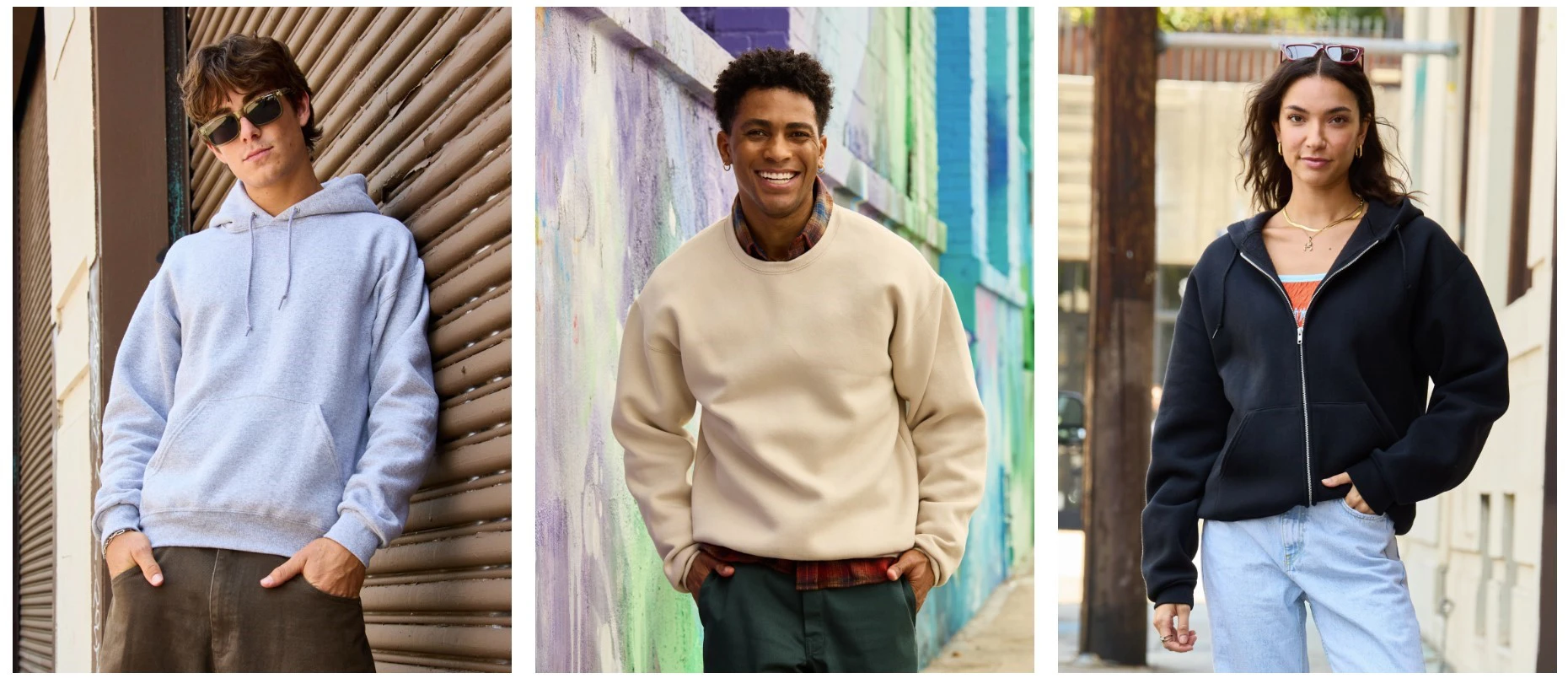
When ordering hoodies in bulk, style selection affects much more than appearance. It directly influences sample development, fabric choice, cutting efficiency, printing method, sewing difficulty, packing volume, and delivery schedule.
From a factory point of view, different hoodie styles require different production controls.
A basic pullover hoodie has fewer components and is usually easier to scale. A zip-up hoodie needs better zipper alignment and front panel control. An oversized hoodie requires careful pattern adjustment, not just larger measurements. A heavyweight hoodie needs thicker fabric handling, stronger sewing control, and better shrinkage management.
Choosing the wrong hoodie style can lead to several problems:
- Higher sample cost
- Longer development time
- Poor fit after bulk production
- Higher unit cost than expected
- Inconsistent printing or embroidery results
- Shrinkage issues after washing
- Inventory that does not match your target customer
That is why brands should not choose a hoodie style only because it looks popular on social media. A better approach is to match the hoodie style with your target market, price range, fabric plan, customization method, and production timeline. A reliable custom clothing manufacturer can help review these details before sample development.
Quick Comparison: Best Hoodie Styles for Bulk Orders
This comparison table helps buyers quickly evaluate different hoodie styles by target market, fabric weight, cost level, production difficulty, and customization options.
| Hoodie Style | Best For | Suggested Fabric Weight | Cost Level | Production Difficulty | Best Customization |
|---|---|---|---|---|---|
| Pullover Hoodie | First bulk orders, merch, private label basics | 280–450 GSM | Low to Medium | Low | Screen print, embroidery, puff print |
| Zip-Up Hoodie | Retail, uniforms, layering products | 300–450 GSM | Medium | Medium | Embroidery, small logo print |
| Oversized Hoodie | Streetwear, lifestyle brands, premium drops | 400–500 GSM | Medium to High | Medium | Puff print, appliqué, embroidery |
| Heavyweight Hoodie | Premium streetwear, winter collections | 400–800 GSM | High | Medium to High | Embroidery, appliqué, woven labels |
| Cropped Hoodie | Women’s wear, athleisure, fashion brands | 280–380 GSM | Medium | Medium | Small embroidery, logo print |
What to Consider Before Choosing a Hoodie Style
Before placing a bulk hoodie order, buyers should clarify the target customer, fabric weight, fit direction, customization method, MOQ, and expected production timeline.
Before placing a bulk hoodie order, you should clarify your target customer, fabric preference, fit direction, customization method, and expected delivery schedule.
If your brand requires organic cotton or sustainability-related claims, it is important to confirm certification before production. For example, GOTS-certified organic cotton is commonly referenced by buyers who need organic fiber verification and stricter textile processing standards.
1. Target Market
Different customers expect different hoodie styles.
Streetwear customers often prefer oversized silhouettes, dropped shoulders, heavier fabric, and bold graphics. Corporate or promotional buyers usually prefer classic pullover or zip-up hoodies that are easier to wear across different body types. Women’s athleisure brands may choose cropped hoodies because they pair well with leggings, joggers, biker shorts, and high-waisted pants.
If your customer is price-sensitive, a basic pullover hoodie may be the safest option. If your customer expects a premium handfeel and stronger structure, you may need heavier French Terry, fleece, or custom fabric development.
2. Fabric Weight and Handfeel
At Easson Apparel, one of the most commonly used fabrics for custom hoodies is 100% cotton French Terry. If you are comparing different hoodie materials, our fabric guide for clothing brands can help you understand how fabric composition and weight affect handfeel, shrinkage, and cost. French Terry is widely used for sweatshirts, sweatpants, and sporty layering garments because it comes in different weights and offers good versatility for casualwear and activewear. For buyers who want to understand the fabric structure more clearly, CottonWorks provides a useful overview of French Terry fabric.
Fabric weight is one of the most important decisions in hoodie production.
For most bulk hoodie orders, these GSM ranges are commonly used:
| Fabric Weight | Typical Use |
|---|---|
| 280–330 GSM | Lightweight hoodies, spring/fall collections, lower-cost programs |
| 350–400 GSM | Standard mid-weight hoodies, everyday retail hoodies |
| 400–500 GSM | Oversized streetwear hoodies, premium casualwear |
| 500–800 GSM | Heavyweight winter hoodies, luxury-style streetwear |
However, fabric choice should always match the product positioning. A 100% cotton French Terry hoodie may feel more premium, but it also requires careful shrinkage control. For some budget-sensitive or performance-focused programs, cotton/poly blends may still be considered.
3. Customization Method
The hoodie style should match your branding method.
A large front graphic works better on a pullover hoodie because there is no zipper cutting through the design. A small chest embroidery works well on both pullover and zip-up hoodies. Puff print, appliqué, and 3D embroidery are popular for streetwear, but they require more testing before bulk production. For a deeper comparison, read our guide to hoodie printing methods before choosing your customization process.
Before bulk production, a responsible factory should check:
- Print size and placement
- Fabric surface smoothness
- Color fastness
- Shrinkage after washing
- Embroidery backing
- Whether heavy embroidery pulls the fabric
- Whether the print cracks or peels after washing
4. MOQ, EXW Quotation, and Production Cost
Hoodie cost depends on many variables: fabric composition, GSM, color, size range, trims, printing, embroidery, labels, packaging, and order quantity.
At Easson Apparel, bulk hoodie quotations are usually prepared on an EXW basis. Since each hoodie style and fabric requirement is different, it is not accurate to provide one fixed price for 300 GSM, 400 GSM, or 500 GSM hoodies without reviewing the design details.
For a more accurate quote, buyers should provide:
- Target quantity
- Fabric composition
- Fabric weight or reference sample
- Color requirements
- Size range
- Logo artwork
- Printing or embroidery method
- Label and packaging needs
- Delivery expectations
For many custom hoodie programs, a practical MOQ is around 100 pieces per color. Startup orders between 50–100 pieces may be possible, but the unit price is usually higher because sample development, cutting, printing setup, and production management still carry fixed costs.
1. Pullover Hoodies: The Safest and Most Cost-Effective Bulk Style
Pullover hoodies are usually the most practical choice for first bulk hoodie orders because they are easier to produce, easier to customize, and more cost-effective at scale.
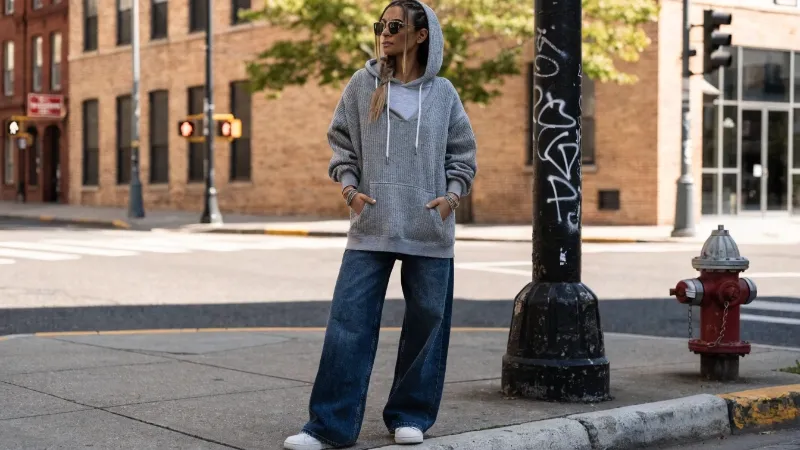
Pullover hoodies are one of the most popular hoodie styles for bulk orders because they are simple, versatile, and easier to produce at scale.
A pullover hoodie has fewer components than a zip-up hoodie. There is no zipper, no front opening, and fewer alignment issues. This makes it easier to control during bulk production, especially for startup brands placing their first hoodie order.
Pullover hoodies also provide a large uninterrupted front panel, which makes them ideal for printing, embroidery, puff print, appliqué, and brand graphics.
Best For
Pullover hoodies are best for:
- Startup clothing brands
- Private label hoodie collections
- Promotional merchandise
- School or club apparel
- Streetwear basics
- Brand logo hoodies
- First bulk hoodie orders
Recommended Fabric
For most pullover hoodie bulk orders, French Terry, fleece, and cotton-rich fabrics are common options.
A 100% cotton French Terry pullover hoodie is a strong choice when the brand wants a natural handfeel, better comfort, and a more premium impression. Cotton/poly blends can be considered when the buyer needs better cost control or more stable shrinkage performance.
Factory Recommendation
For first-time hoodie buyers, a pullover hoodie is usually the safest starting point. It gives you more flexibility in design, lower production risk, and easier cost control.
For most brands, a 350–400 GSM pullover hoodie offers a balanced handfeel for everyday wear. If the brand wants a heavier streetwear look, 400 GSM+ French Terry or fleece can create a stronger structure.
Production Risks to Watch
Although pullover hoodies are easier to produce than many other styles, the details still matter:
- Hood shape should not collapse too easily
- Kangaroo pocket should be symmetrical
- Rib cuffs and hem should recover well after stretching
- Sleeve length should match the intended fit
- Shrinkage should be tested before bulk cutting
- Large prints should be tested after washing
For bulk orders, a pullover hoodie is often the best combination of cost, quality, and customization flexibility.
2. Zip-Up Hoodies: Best for Retail, Layering, and Functional Wear
Zip-up hoodies are ideal for retail, uniforms, and layering products, but they require better control over zipper quality, front panel alignment, and sewing accuracy.
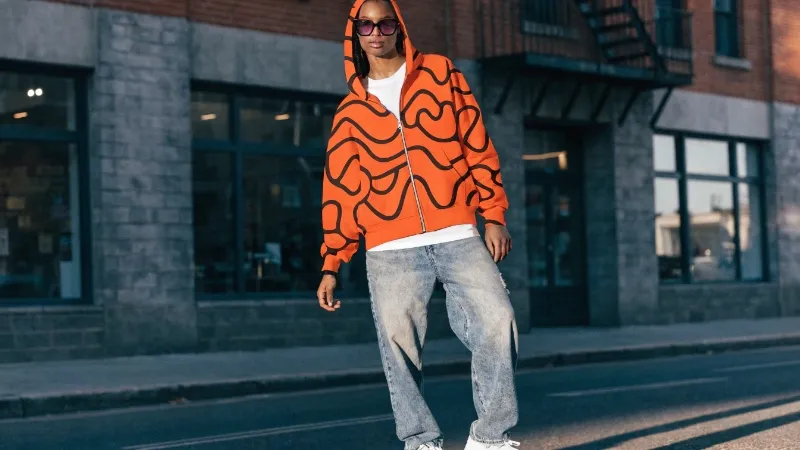
Zip-up hoodies are another strong option for bulk hoodie production, especially for brands that want a more functional product.
Unlike pullover hoodies, zip-up hoodies can be worn open or closed. This makes them suitable for layering, seasonal wear, workwear, corporate apparel, gym wear, and retail basics.
However, zip-up hoodies are more complex to produce because the zipper affects both appearance and sewing accuracy.
Best For
Zip-up hoodies work well for:
- Retail brands
- Corporate apparel
- Gym and fitness brands
- Team uniforms
- Workwear programs
- Layering collections
- Customers who prefer easy on/off wear
Recommended Fabric
Zip-up hoodies usually work best in 300–450 GSM fabric. If the fabric is too light, the zipper area may look weak or wavy. If the fabric is too heavy, zipper selection becomes more important.
French Terry, fleece, and cotton-rich blends are all common options depending on the target price and handfeel.
Factory Recommendation
For zip-up hoodie bulk orders, zipper quality should not be treated as a small detail. A poor zipper can make the whole garment feel cheap, even when the fabric is good.
The front zipper line should sit flat. The left and right front panels should align correctly, especially if there is a chest logo, pocket design, or color-blocking.
If your design includes printing across the zipper area, you should reconsider the artwork. A zipper will break the image and may reduce the final visual effect. For this reason, embroidery or small logo placement usually works better on zip-up hoodies.
Production Risks to Watch
Key risks include:
- Uneven zipper alignment
- Wavy zipper after sewing
- Front panels not matching at the top or bottom
- Pocket position inconsistency
- Zipper color not matching fabric
- Higher unit cost due to trims and sewing time
Zip-up hoodies are a good choice when your brand values practicality and retail function, but they require more careful production control than basic pullovers.
3. Oversized Hoodies: Best for Streetwear and Lifestyle Brands
Oversized hoodies are popular for streetwear bulk orders, but the fit must be developed through proper pattern adjustment rather than simply making a regular hoodie larger.

Oversized hoodies continue to be one of the strongest hoodie styles for bulk orders, especially in streetwear and lifestyle fashion.
However, oversized hoodie development is also one of the easiest areas for brands to misunderstand.
A good oversized hoodie is not just a regular hoodie made two sizes bigger. If your brand focuses on streetwear, our oversized hoodie manufacturing guide explains how dropped shoulders, sleeve width, hood structure, and GSM affect the final fit. If the pattern is handled this way, the finished garment may look like a loose sack, make the wearer look shorter, or create too much fabric buildup under the arms.
The key is balance: dropped shoulder position, sleeve width, armhole shape, body length, hem control, and hood structure all need to work together.
Best For
Oversized hoodies are ideal for:
- Streetwear brands
- Premium casualwear brands
- Drop-based clothing brands
- Influencer merchandise
- Youth fashion brands
- Lifestyle collections
Recommended Fabric
Oversized hoodies usually look better in heavier fabrics because the silhouette needs structure.
Recommended fabric weight:
- 350–400 GSM for mid-weight oversized hoodies
- 400–500 GSM for premium streetwear oversized hoodies
- 500 GSM+ for heavyweight luxury-style hoodies
For many oversized hoodie programs, 100% cotton French Terry or heavyweight fleece is a strong option. The fabric should have enough body to support the silhouette without becoming too stiff or uncomfortable.
Factory Recommendation
When developing oversized hoodies, the pattern should be adjusted intentionally.
The shoulder drop should not be too extreme unless the sleeve and armhole are also adjusted. If the shoulder line drops too far but the sleeve remains narrow, the hoodie can feel tight around the arm while looking too loose in the body.
The sleeve width usually needs to increase with the dropped shoulder. In many oversized hoodie patterns, the sleeve width may need to be around 3–5 cm wider than a regular hoodie, depending on the target fit.
The hood also needs special attention. Oversized hoodies are often made with heavier fabric, and the larger body can pull against the neckline. If the hood is made with a regular two-panel structure and standard neck opening, it may pull the back neck and feel tight when worn.
For premium oversized hoodies, a three-panel hood can improve structure and help the hood stand better. Increasing the neck opening by around 1–2 cm can also reduce pulling at the back neck.
Real Factory Insight: Oversized Hoodie Fit Adjustment
In one order for a Northern European streetwear brand, the customer requested an extremely dropped-shoulder oversized hoodie. The first direction looked visually strong, but too much shoulder drop created fabric buildup under the arm and gave the hoodie a heavy “batwing” feeling.
To improve the fit, we adjusted the shoulder line slightly toward the back panel by around 0.5–1 cm. This helped offset the forward pull caused by the heavier fabric. We also widened the sleeve proportionally and adjusted the hood structure so the garment looked oversized but still intentional.
This is why oversized hoodie production should not rely only on size enlargement. Small pattern changes can make the difference between a premium streetwear fit and a garment that simply looks too large.
Production Risks to Watch
Oversized hoodies have several production risks:
- Using more fabric and increasing unit cost
- Sleeves becoming too long
- Body length making the wearer look shorter
- Armhole buildup creating a batwing effect
- Hem rib being too loose or too tight
- Hood pulling the back neckline
- Print placement shifting because of the larger body panel
Oversized hoodies are a strong choice if your brand wants a modern streetwear look, but you should spend more time on sample fitting before confirming bulk production.
4. Heavyweight Hoodies: Best for Premium Bulk Orders
Heavyweight hoodies help brands create a premium streetwear feel, but they also increase fabric cost, sewing difficulty, packing volume, and shipping weight.
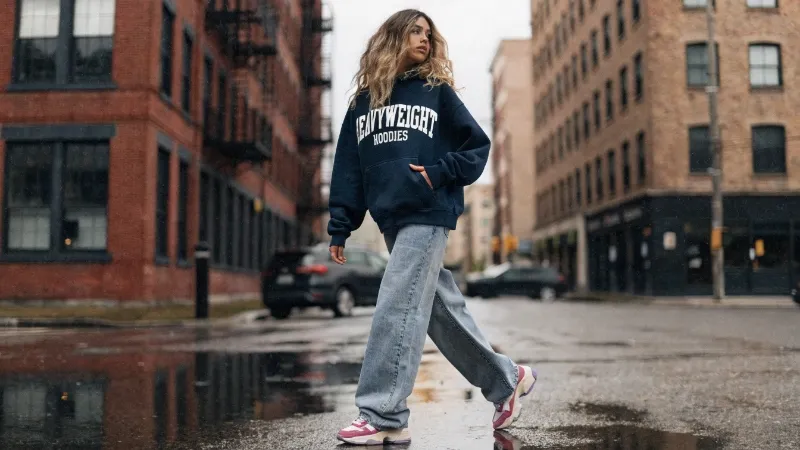
Heavyweight hoodies are becoming more popular among brands that want a premium feel and stronger product positioning.
Compared with standard hoodies, heavyweight hoodies feel more structured, warmer, and more substantial. They are often used by streetwear brands, high-end casualwear labels, and brands that want to justify a higher retail price.
Best For
Heavyweight hoodies are best for:
- Premium streetwear brands
- Winter collections
- Luxury casualwear
- High-end private label brands
- Limited drops
- Brands targeting higher retail pricing
Recommended Fabric
Heavyweight hoodies usually start around 400 GSM and can go much higher depending on the brand position.
Common ranges include:
| GSM Range | Product Position |
|---|---|
| 400–450 GSM | Premium everyday hoodie |
| 450–550 GSM | Streetwear heavyweight hoodie |
| 550–800 GSM | Very heavy luxury or winter hoodie |
Heavy French Terry, brushed fleece, double-faced fabric, and custom cotton fabrics can be used depending on the desired handfeel.
Factory Recommendation
Heavyweight fabric can improve perceived quality, but it also increases production complexity.
Thicker fabric affects cutting, sewing, rib matching, embroidery, packing, and shipping weight. If the buyer only focuses on “higher GSM” without considering wearability, the finished hoodie may become too heavy or too expensive for daily use.
For many brands, 400–500 GSM is already enough to create a premium streetwear feel without making the hoodie too difficult to wear or produce.
Production Risks to Watch
Heavyweight hoodies need extra attention to:
- Needle selection and sewing machine adjustment
- Thick seam areas at cuffs, hood, and pocket
- Rib fabric strength
- Hood structure
- Shrinkage testing
- Packing volume and carton weight
- Final garment weight for shipping cost
Heavyweight hoodies can create strong brand value, but they are not always the best choice for every bulk order. They work best when your customer is willing to pay for better fabric, better structure, and a more premium garment.
5. Cropped Hoodies: Best for Women’s Wear and Athleisure
Cropped hoodies are a niche but valuable bulk style for women’s fashion and athleisure brands, especially when the body length, sleeve volume, and hem proportion are properly developed.
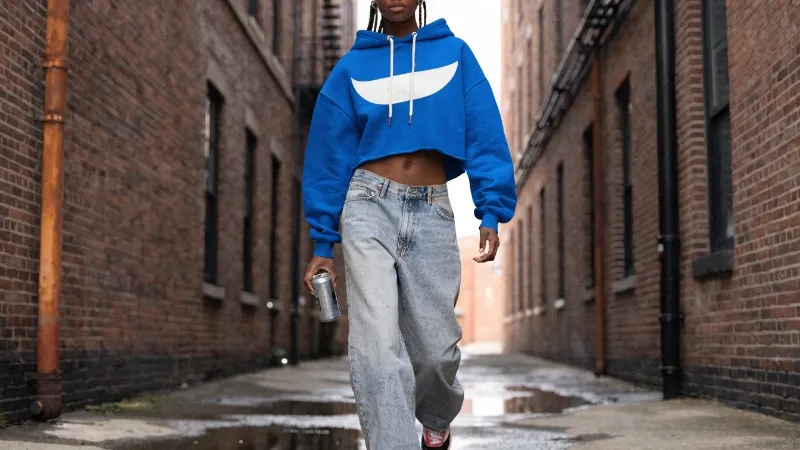
Cropped hoodies are more niche than pullover or oversized hoodies, but they can be profitable for the right market.
They are commonly used in women’s fashion, athleisure, gym wear, and lifestyle collections. A cropped hoodie pairs well with leggings, joggers, biker shorts, and high-waisted pants.
For brands targeting female consumers, cropped hoodies can help create a more fashion-focused product line.
Best For
Cropped hoodies are suitable for:
- Women’s fashion brands
- Athleisure brands
- Gym wear brands
- Lifestyle collections
- Seasonal fashion drops
- Brands selling matching sets
Recommended Fabric
Cropped hoodies usually work well in 280–380 GSM fabric. If the fabric is too heavy, the cropped shape may feel bulky. If the fabric is too thin, the garment may lose structure.
French Terry, lightweight fleece, cotton blends, and stretch fabric blends can all be considered depending on the design.
Factory Recommendation
The most important detail in cropped hoodie production is proportion.
A cropped hoodie is not just a shorter regular hoodie. The body length, sleeve volume, hood size, rib hem, and shoulder line should work together. If the body is too short or the hem is too tight, the product may not fit comfortably.
If you are developing cropped hoodies for a women’s wear collection, it is best to confirm the target fit before sampling: relaxed, slim, boxy, athletic, or fashion-focused.
Production Risks to Watch
Common risks include:
- Body length too short after shrinkage
- Hem riding up during movement
- Sleeve length not matching the cropped body
- Hood looking too large
- Fabric too heavy for the silhouette
- Fit not matching the target customer
Cropped hoodies can deliver good margins when positioned correctly, but they require clear sizing and fit direction before bulk production.
Best Hoodie Style by Buyer Type
Different buyers need different hoodie styles, so choosing by business type can help reduce product development risk and improve sell-through potential.
If you are not sure which hoodie style to choose, start with your buyer type.
| Buyer Type | Recommended Hoodie Style | Why It Works |
|---|---|---|
| Startup clothing brand | Pullover hoodie | Lower risk, easier sampling, suitable for first drops |
| Streetwear brand | Oversized or heavyweight hoodie | Strong silhouette and higher perceived value |
| Corporate buyer | Zip-up hoodie | Practical, easy to layer, suitable for uniforms |
| Women’s athleisure brand | Cropped hoodie | Trend-focused and easy to match with bottoms |
| Merch brand | Printed pullover hoodie | Large front panel for graphics and logos |
| Premium private label brand | Heavyweight hoodie | Better handfeel and stronger retail positioning |
| Retail basics brand | Pullover or zip-up hoodie | Easy to sell across different customer groups |
Quality Tests Before Bulk Hoodie Production
Before bulk hoodie production, quality testing should cover print durability, shrinkage control, embroidery stability, fabric behavior, and workmanship consistency.
At Easson Apparel, we pay close attention to print durability, shrinkage control, embroidery stability, and fabric behavior after washing. For brands that require more formal lab testing, internationally recognized standard textile testing methods can also be used to evaluate laundering performance, colorfastness, durability, and other textile properties.
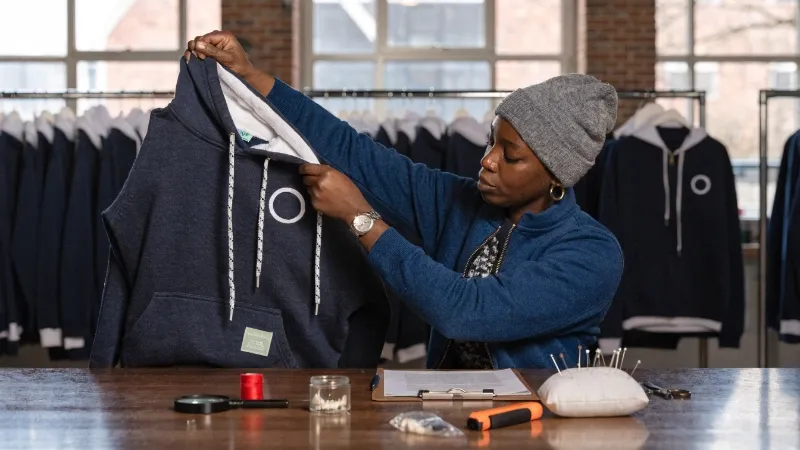
For bulk hoodie orders, a good sample is not only about appearance. It should also help reduce production risk before fabric cutting and mass production.
Print Wash Test
After the sample is finished, the printed area should be tested before bulk production.
For hoodie print testing, we may use an industrial washing machine at around 40°C and wash the garment continuously for 5–10 cycles, depending on the order requirement and print type.
The print should show:
- No cracking
- No peeling
- No obvious fading
- No base color showing through, especially when printing light ink on dark fabric
This is especially important for puff print, thick ink printing, and large front graphics.
Print Stretch Test
For stretch-sensitive areas, the print area should also be tested manually.
A common test is to stretch the printed area to around 1.5 times its original length and check whether the ink cracks after recovery.
This helps identify problems before bulk production, especially when the hoodie fabric has natural stretch or when the print is placed across areas with movement.
Shrinkage Control
Knit hoodie fabrics can shrink after washing, especially cotton-rich fabrics such as 100% cotton French Terry.
For bulk hoodie production, a practical shrinkage target is usually around:
- Length direction: within ±3%
- Width direction: within ±3%
Before bulk cutting, fabric should be pre-shrunk using a full-width preshrinking machine to release fabric tension.
If testing shows that a fabric has around 5% shrinkage, the paper pattern should be adjusted accordingly before bulk cutting. This helps keep the final garment measurements closer to the approved size spec after washing.
Embroidery Puckering Control
Embroidery can add strong brand value to a hoodie, but it also creates production risk if the fabric is not supported correctly.
For embroidery, backing paper should be added to the embroidery area. Before bulk embroidery, the design should be tested on the same fabric to check whether the stitch density causes puckering, pulling, or fabric damage.
This is especially important for heavy embroidery, dense logos, and softer cotton fabrics.
For buyers selling into markets with stricter safety expectations, fabric and trims can also be checked against recognized textile safety standards such as OEKO-TEX STANDARD 100, which focuses on testing textiles for harmful substances.
Hoodie Sample and Bulk Production Lead Time
Custom hoodie lead time depends on sample approval, fabric availability, color process, customization complexity, order quantity, and whether the fabric is stock color or custom dyed.
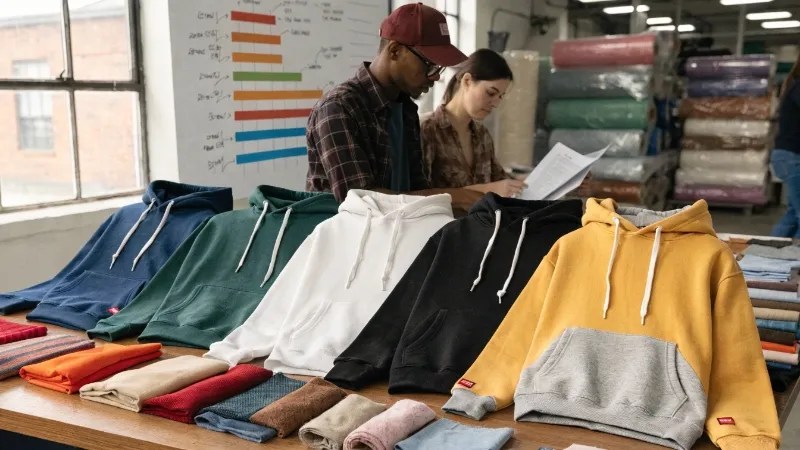
Lead time depends on fabric availability, color process, customization method, order quantity, and sample approval speed.
For most custom hoodie projects, the sample timeline is usually around 8–12 days after the design, fabric direction, and customization details are confirmed. You can also learn more about our sample development process before starting a custom hoodie project.
Bulk production usually takes around 35–45 days after sample approval and deposit.
However, this timeline can change depending on fabric and color requirements.
If Using Stock Color Fabric
If the buyer chooses available stock color fabric, bulk production can sometimes be shortened to around 20 days, especially when the MOQ is small and the design is not overly complex.
If Using Custom Dyed Fabric
If the buyer needs custom dyed fabric, the timeline will be longer. Lab dip approval, color matching, and fabric dyeing can add around 10–15 extra days before bulk production starts.
This is why buyers should confirm color requirements early. A black hoodie using available stock fabric and a custom Pantone dyed hoodie are very different in terms of timeline.
If MOQ Is Small
For smaller MOQ orders, production may sometimes move faster because cutting, sewing, and finishing volume is lower. However, the unit cost may be higher because setup costs are spread across fewer pieces.
2026 Hoodie Bulk Order Trends to Watch
In 2026, hoodie buyers are paying more attention to heavier fabrics, better fit development, cotton-rich materials, flexible MOQ, and more advanced customization methods.
Hoodie buyers in 2026 are paying more attention to quality, fit, and customization details. Many brands no longer want only the cheapest hoodie. They want a product that feels better, photographs well, and supports their brand image.
Here are several trends worth watching:
Heavier Fabrics for Streetwear
Oversized and heavyweight hoodies remain strong in streetwear. Many buyers are asking for 400 GSM+ fabric because it gives the garment a more premium look and better structure.
More 100% Cotton and French Terry Requests
Many private label and streetwear buyers prefer cotton-rich fabrics, especially 100% cotton French Terry, because of the handfeel, breathability, and premium positioning.
However, cotton-rich fabrics require better shrinkage control, especially before bulk cutting.
Smaller Test Orders for Startup Brands
Startup brands often want to test the market before placing large bulk orders. Flexible MOQ is becoming more important, especially for first drops and new colorways.
More Detailed Customization
Basic logo printing is still common, but more brands are asking for puff print, embroidery, appliqué, woven labels, custom neck labels, sleeve logos, and special packaging.
Better Fit Development
Buyers are becoming more aware that fit affects customer satisfaction. Oversized, cropped, relaxed, and athletic fits all need different pattern development.
More Attention to Fabric Testing
Shrinkage, color fastness, handfeel, and print durability are becoming more important before bulk production. A good sample is not only about appearance; it should also help reduce production risk.
How to Choose the Right Hoodie Style for Your Bulk Order
The best hoodie style for a bulk order should match the buyer’s brand positioning, target customer, fabric budget, customization needs, and delivery schedule.
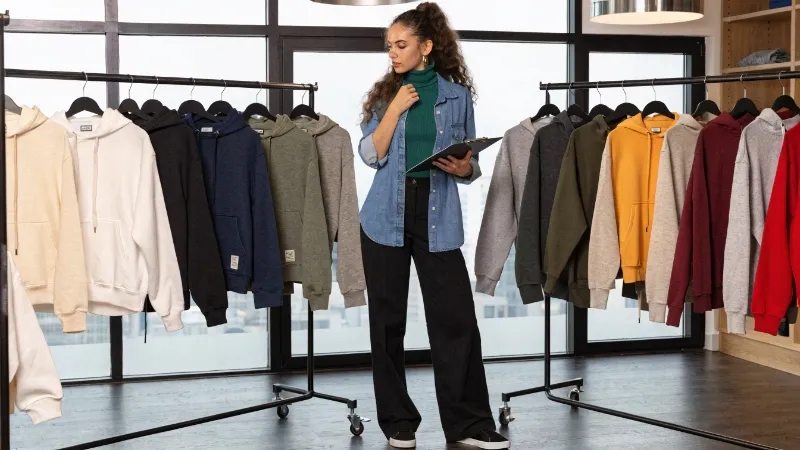
To choose the best hoodie style, start with your business goal.
If you are launching your first hoodie collection, a pullover hoodie is usually the safest option. It is easier to produce, easier to customize, and more cost-effective.
If your brand focuses on streetwear, oversized or heavyweight hoodies may be a better fit. They create stronger visual impact and can support higher retail pricing.
If your buyers need practical everyday wear, zip-up hoodies may work better. They are suitable for layering, uniforms, and retail basics.
If your target market is women’s fashion or athleisure, cropped hoodies can help you build a more trend-focused product line.
Before confirming your bulk order, prepare these details for your manufacturer:
- Target quantity
- Color options
- Fabric composition
- Fabric weight or handfeel reference
- Size range
- Fit direction
- Logo or artwork file
- Printing or embroidery method
- Label and packaging requirements
- Target price range
- Delivery timeline
The more clearly you provide this information, the faster your factory can recommend the right fabric, estimate the EXW cost, and develop a suitable sample.
Common Mistakes to Avoid When Ordering Hoodies in Bulk
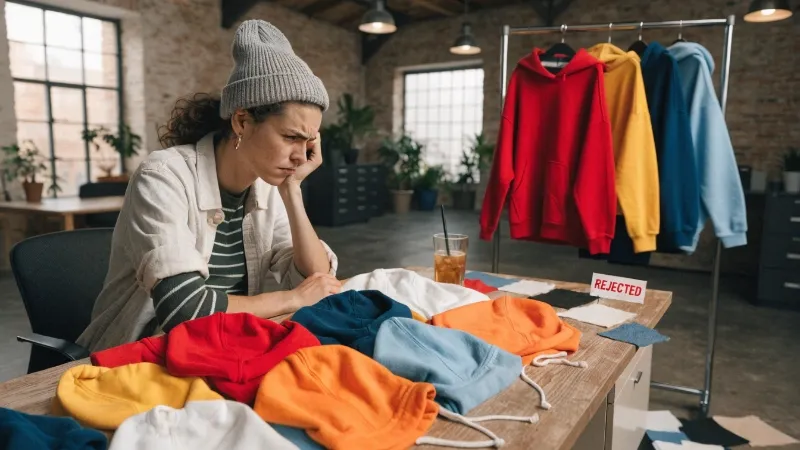
Common bulk hoodie order mistakes include choosing styles only by trend, ignoring fabric weight, treating oversized fit as simple size enlargement, skipping sample tests, and ordering too many colors too early.
Choosing a Style Only Because It Looks Popular
A hoodie style that works for one brand may not work for another. A heavyweight oversized hoodie may look great online, but it may not fit your budget, target price, or customer climate.
Treating Oversized as Simply Bigger Sizing
This is one of the most common mistakes in oversized hoodie development.
A real oversized hoodie needs proper adjustment in shoulder drop, sleeve width, armhole shape, body length, hem control, and hood structure. If you only make a regular hoodie bigger, the result may look bulky, unbalanced, or poorly fitted.
Ignoring Fabric Weight
Fabric weight affects cost, fit, handfeel, and shipping. A 280 GSM hoodie and a 500 GSM hoodie are completely different products, even if the design looks similar.
Using Low-Quality Artwork
For printing and embroidery, artwork quality matters. Blurry images, low-resolution files, and unclear logo details can lead to poor final results.
Vector files, high-resolution PNG files, or clear design files are always better for sample development.
Skipping Sample Testing
A hoodie sample should be checked for fit, fabric handfeel, shrinkage, print placement, print durability, and workmanship. If you skip this step, bulk production risk becomes much higher.
Ordering Too Many Colors Too Early
For startup brands, it is usually better to test fewer colors first. Too many colors can increase MOQ pressure, inventory risk, and production complexity.
Final Thoughts
The best hoodie styles for bulk orders are not chosen by trend alone; they should be selected based on fit, fabric, target market, customization method, production risk, and long-term sales potential.
Choosing the best hoodie styles for bulk orders requires more than following fashion trends. The right style should match your target customer, price range, fabric plan, customization method, and production timeline.
Pullover hoodies are usually the safest and most cost-effective choice for first bulk orders. Zip-up hoodies are better for functional retail and layering products. Oversized hoodies are strong for streetwear brands, but the pattern must be developed carefully. Heavyweight hoodies help create a premium feel. Cropped hoodies work well for women’s fashion and athleisure markets.
If you are developing a new hoodie collection, start with a clear product direction and work with a manufacturer who understands fabric, fit, printing, embroidery, shrinkage control, and bulk production management.
At Easson Apparel, we help clothing brands develop custom hoodies from fabric sourcing and sample development to bulk production, private labeling, printing, embroidery, packaging, and shipping support. Our common hoodie fabric options include 100% cotton French Terry, fleece, and cotton-rich fabrics, depending on your brand positioning and target price.
Planning a bulk hoodie order?
Send us your design, target quantity, fabric preference, color requirements, and customization details. Our team can help recommend the right hoodie style, fabric weight, MOQ plan, sample timeline, and EXW production solution for your brand.
Request a hoodie quote today and start your next bulk hoodie project with a reliable clothing manufacturer.
FAQ: Hoodie Styles for Bulk Orders
These frequently asked questions help buyers understand hoodie style selection, fabric options, MOQ, production lead time, and customization considerations before placing bulk orders.
What is the best hoodie style for a first bulk order?
For most first-time bulk hoodie orders, a pullover hoodie is usually the safest choice. It has a simple structure, lower production risk, and a large front area for printing or embroidery. It is also easier to control cost compared with zip-up or heavyweight hoodies.
What fabric does Easson Apparel commonly use for custom hoodies?
One of our most commonly used hoodie fabrics is 100% cotton French Terry. It offers a soft handfeel, a clean surface for printing, and a premium natural feel. Depending on the buyer’s budget and product positioning, fleece or cotton-rich blends can also be considered.
What is the best fabric weight for bulk hoodies?
For standard bulk hoodies, 350–400 GSM is a good starting point. For oversized or premium streetwear hoodies, 400–500 GSM is often more suitable because it provides better structure. For heavyweight hoodies, some brands may choose 500 GSM or higher.
Are oversized hoodies more expensive to produce?
Yes, oversized hoodies usually cost more than regular-fit hoodies because they use more fabric. They may also require more sample adjustment to make sure the fit looks intentional rather than simply too large.
Are zip-up hoodies harder to manufacture than pullover hoodies?
Yes. Zip-up hoodies require more attention to zipper quality, front panel alignment, pocket position, and sewing accuracy. They are practical and popular, but production control is more complex than basic pullover hoodies.
What is the usual MOQ for custom hoodie bulk orders?
A practical MOQ is often around 100 pieces per color. Some startup orders can begin from 50–100 pieces, but the unit price is usually higher because development, cutting, printing, and production setup costs are spread across fewer pieces.
How long does hoodie sample development take?
Custom hoodie samples usually take around 8–12 days after fabric direction, design details, and customization requirements are confirmed.
How long does bulk hoodie production take?
Bulk hoodie production usually takes around 35–45 days after sample approval and deposit. If stock color fabric is available and the order is not complex, production may be shortened to around 20 days. If custom dyed fabric is required, lab dip approval and dyeing may add around 10–15 extra days.
Which hoodie style is best for streetwear brands?
Oversized hoodies and heavyweight hoodies are usually the best choices for streetwear brands. They offer stronger silhouettes, better visual impact, and a more premium feel, especially when combined with puff print, embroidery, appliqué, or custom labels.
Can I order different hoodie styles in one bulk order?
Yes, but it depends on the quantity, fabric, color, and customization method. Ordering too many styles in small quantities can increase production complexity and unit cost. For startup brands, it is usually better to begin with one or two core hoodie styles.